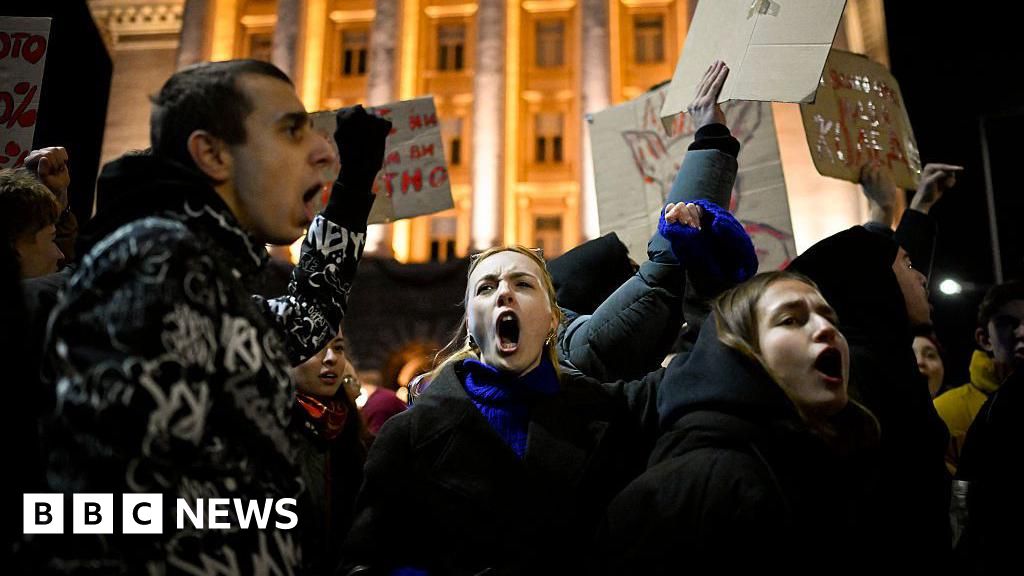
Bulgaria's government has decided to withdraw its controversial 2026 budget plan following massive protests across the country, which opposed the draft due to concerns over corruption, tax increases, and social security reforms. The protests, the largest in years, included clashes with police and attacks on political offices, prompting calls for government resignation and early elections. The government plans to start a new budget process amid ongoing political instability.
Some north country schools in New York are facing potential cuts in state aid under Governor Kathy Hochul's proposed budget, with districts like Sackets Harbor, LaFargeville, Alexandria, and Thousand Islands at risk of losing hundreds of thousands of dollars. The proposed changes stem from the elimination of the "Hold Harmless" provision, leading to concerns about skewed calculations of district wealth. While some schools are set to receive more funding, others are facing significant decreases, prompting bipartisan pushback and concerns about the impact on staffing and services for students.
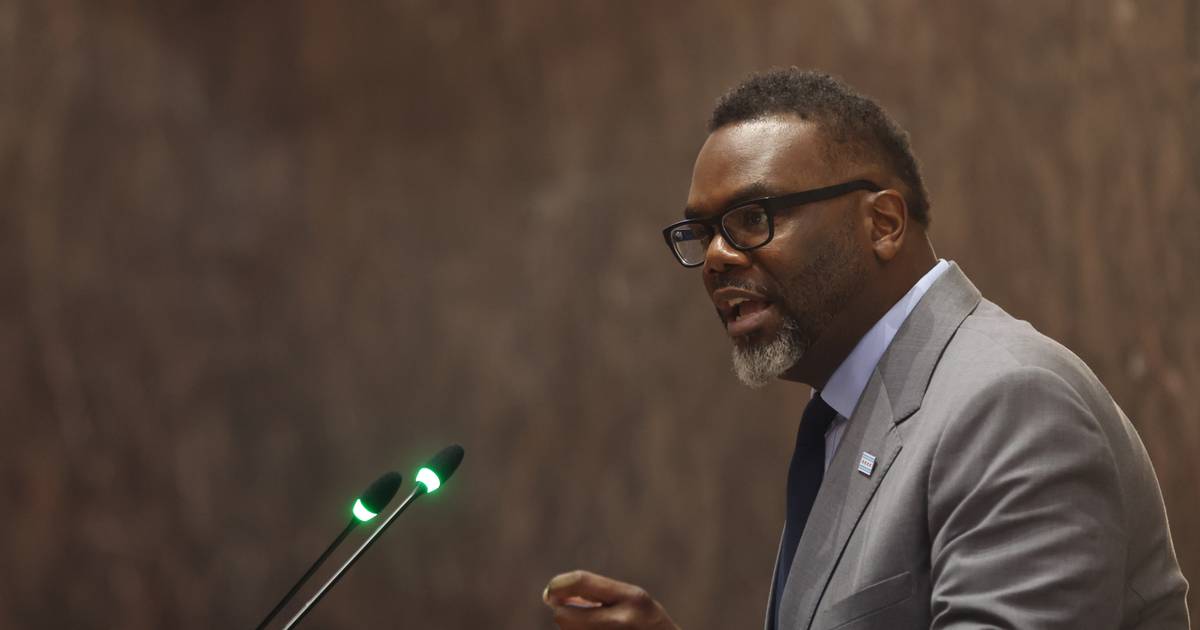
Mayor Brandon Johnson of Chicago has reversed his decision to join a trip to the U.S.-Mexico border, citing the urgent need to address the growing migrant population in the city. Instead, Chicago deputy mayor of immigration, Beatriz Ponce de León, will lead the delegation. Chicago has received over 18,500 migrants since August 2022, and the city is struggling to provide shelter and resources for the new arrivals. Johnson's administration is working to establish base camps to house migrants, but funding is running out. The mayor's proposed budget for migrant services in 2024 is $150 million, with hopes of securing additional state and federal funding.
Mayor Brandon Johnson has proposed a $16.6 billion spending plan for 2024 that closes a $538 million budget gap and focuses on investments in affordable housing, mental health services, and environmental justice. The plan does not include property tax hikes or new taxes to cover the deficit, and instead prioritizes addressing the needs of working-class Chicagoans. The proposal includes doubling the number of social workers and counselors for mental health crisis response, opening two new mental health clinics, expanding the city's youth jobs program, and providing grants for low-income homeowners. The plan also emphasizes the importance of welcoming newcomers while calling for more support from the state and federal government. Additionally, the budget aims to transform the Chicago Police Department by creating civilian positions and increasing training opportunities. The budget will be reviewed by the City Council before final approval.
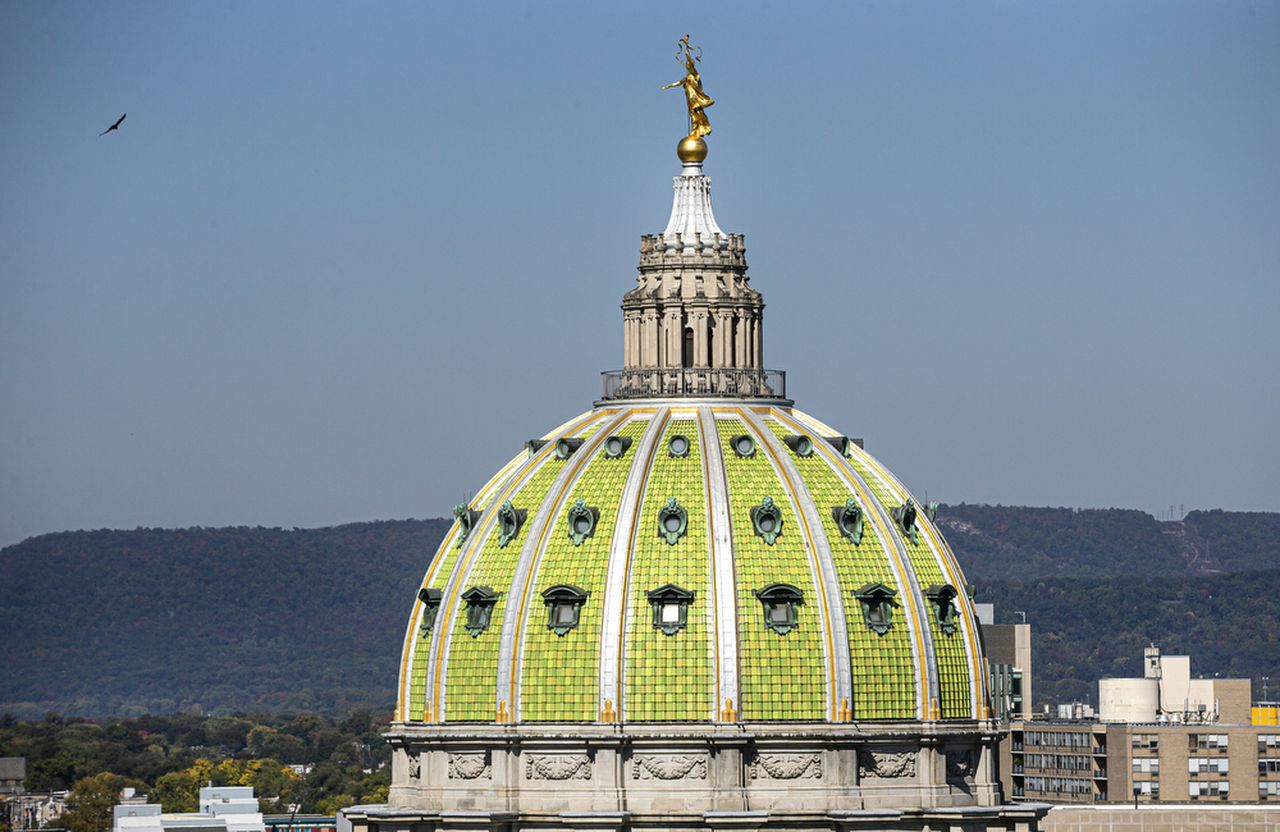
The Pennsylvania Senate is set to consider a $45.5 billion state budget plan that includes a $1.1 billion increase in education spending and $100 million for a targeted school voucher program. The proposed voucher program, called the Pennsylvania Award for Student Success Scholarship Program (PASS), has faced opposition from House Democrats who have stated they do not support the plan and lack the votes within their caucus to pass it.
The Minnesota Legislature faces a midnight deadline to finish the 2023 session after passing major elements of the DFL-authored budget plan, including a transportation plan that brings a higher gas tax, a boosted metro sales tax, and a new delivery fee to pay for projects. The broader tax bill will mean $260 rebates for many taxpayers and their dependents, up to $1,300 back in a household. Republicans opposed the bill over tax increases on some investors and multinational companies, while Democrats defended the DFL approach, saying taxes are the cost of living in a society.
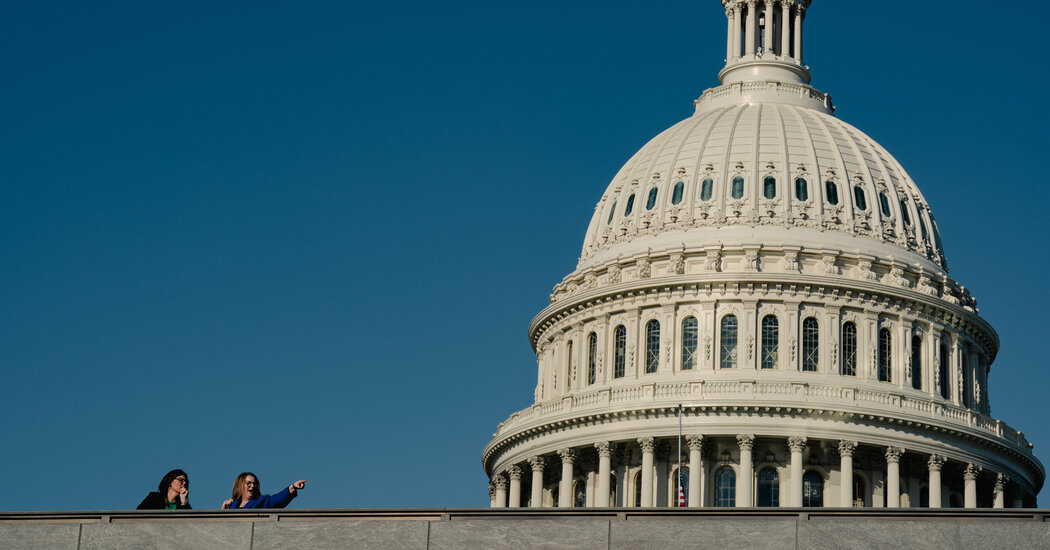
House Republicans are struggling to unite behind a fiscal plan, backing away from their promise to balance the budget and failing to agree on a plan of their own that can draw enough support to pass with their slim majority. The internal back-and-forth has prevented Republicans from reaching a consensus on spending cuts, which the party has said must be included in any measure to raise the debt limit, currently expected to be breached as early as July.
Nearly 20 federal agencies have warned of the potential impact of steep spending cuts included in a Republican-backed proposal. The agencies wrote letters warning of what a return to 2022 spending levels would mean for their offices next year. House Republicans have yet to release their official budget plan, but the letters come as Republicans have voiced support for budget caps. Democrats have attacked Republicans for proposed across-the-board cuts to spending, as a partisan clash over the nation’s debt limit has intensified in recent weeks.