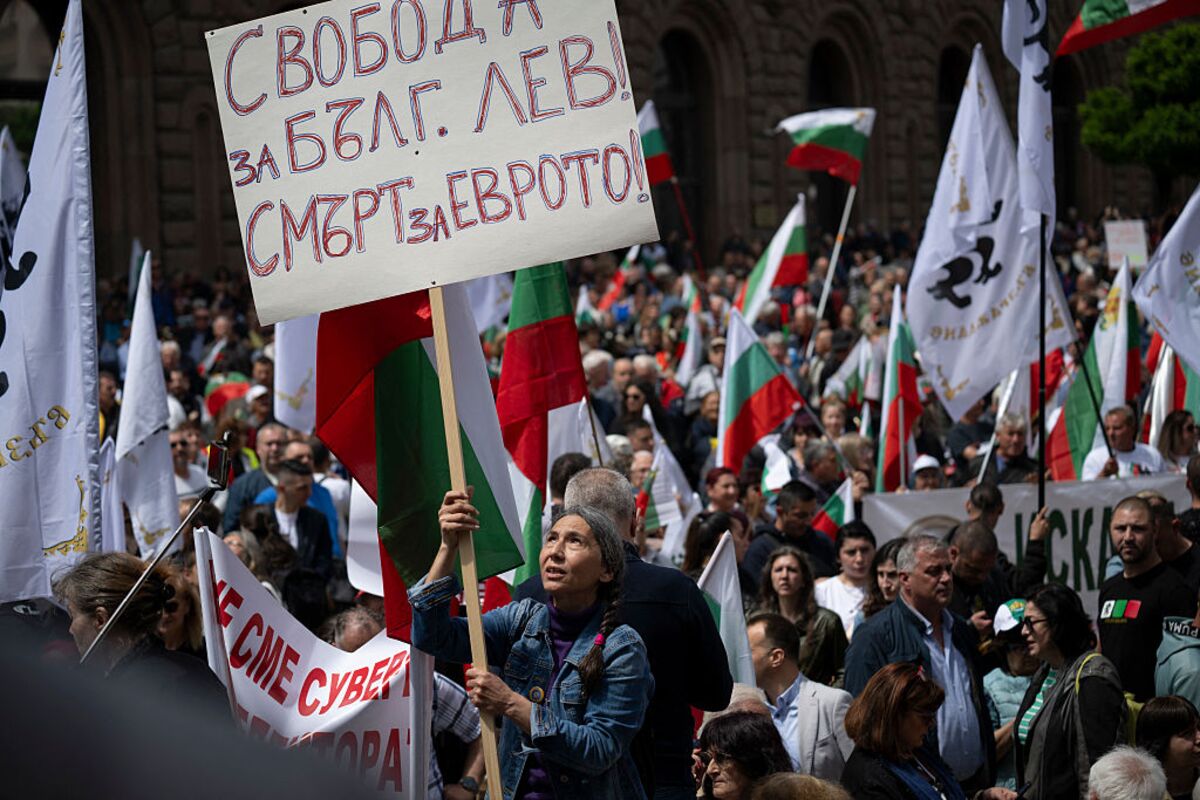
Bulgaria officially adopted the euro despite domestic opposition and logistical challenges, joining Croatia in expanding the eurozone to over 350 million Europeans, though many Bulgarians remain opposed and concerns about implementation persist.
Bulgaria will adopt the euro as its official currency on January 1, 2026, replacing the lev, after meeting EU convergence criteria, with measures in place to ensure a smooth transition and protect consumers. The move aims to enhance economic stability, facilitate trade, and strengthen Bulgaria's voice in Europe, with widespread support from EU citizens.
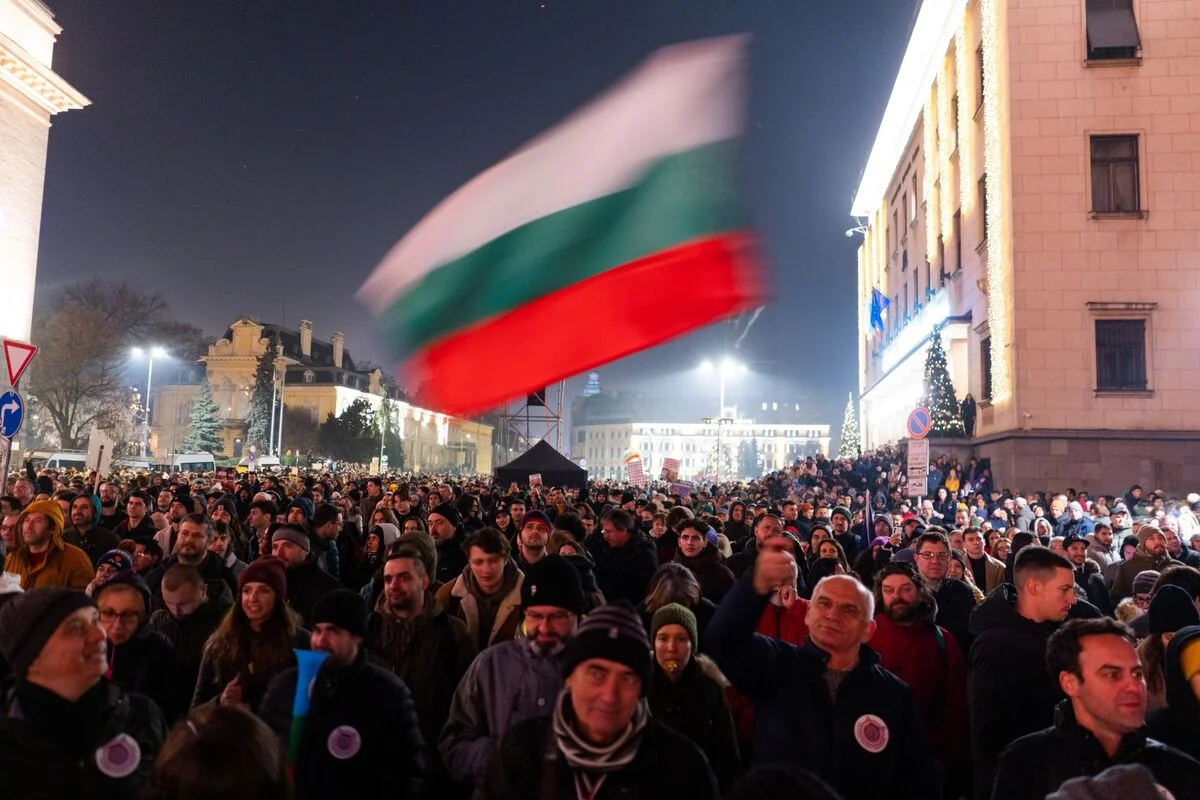
Bulgaria's adoption of the euro on January 1 is overshadowed by political instability, protests, and public dissatisfaction over corruption and governance issues, despite its strong economic indicators and EU integration efforts.
Bulgaria's adoption of the euro in 2026 is expected to reduce currency friction, boost cross-border trade, tourism, and property investments with Greece, especially in northern regions, while potentially increasing inflation and competition in the long term.
Bulgaria is set to join the euro area on January 1, 2026, marking a significant expansion of the eurozone, which has generally been considered a success despite criticisms. The move raises debates about monetary sovereignty, economic control, and the benefits versus disadvantages for developing countries like Poland, which is cautious about adopting the euro due to concerns over losing control of monetary policy and potential economic disparities. The discussion also touches on the broader implications of eurozone expansion, governance, and the economic and political consequences for member states.
The European Commission and the European Central Bank have approved Bulgaria to adopt the euro starting in 2026, making it the 21st member of the eurozone, after Bulgaria met all necessary economic criteria and has been preparing for the transition since joining the EU in 2007.
Thousands of Bulgarians protested against the country's plan to adopt the euro, citing concerns over sovereignty and economic impact, amid ongoing debates and political divisions ahead of the EU's assessment for Bulgaria's euro readiness.