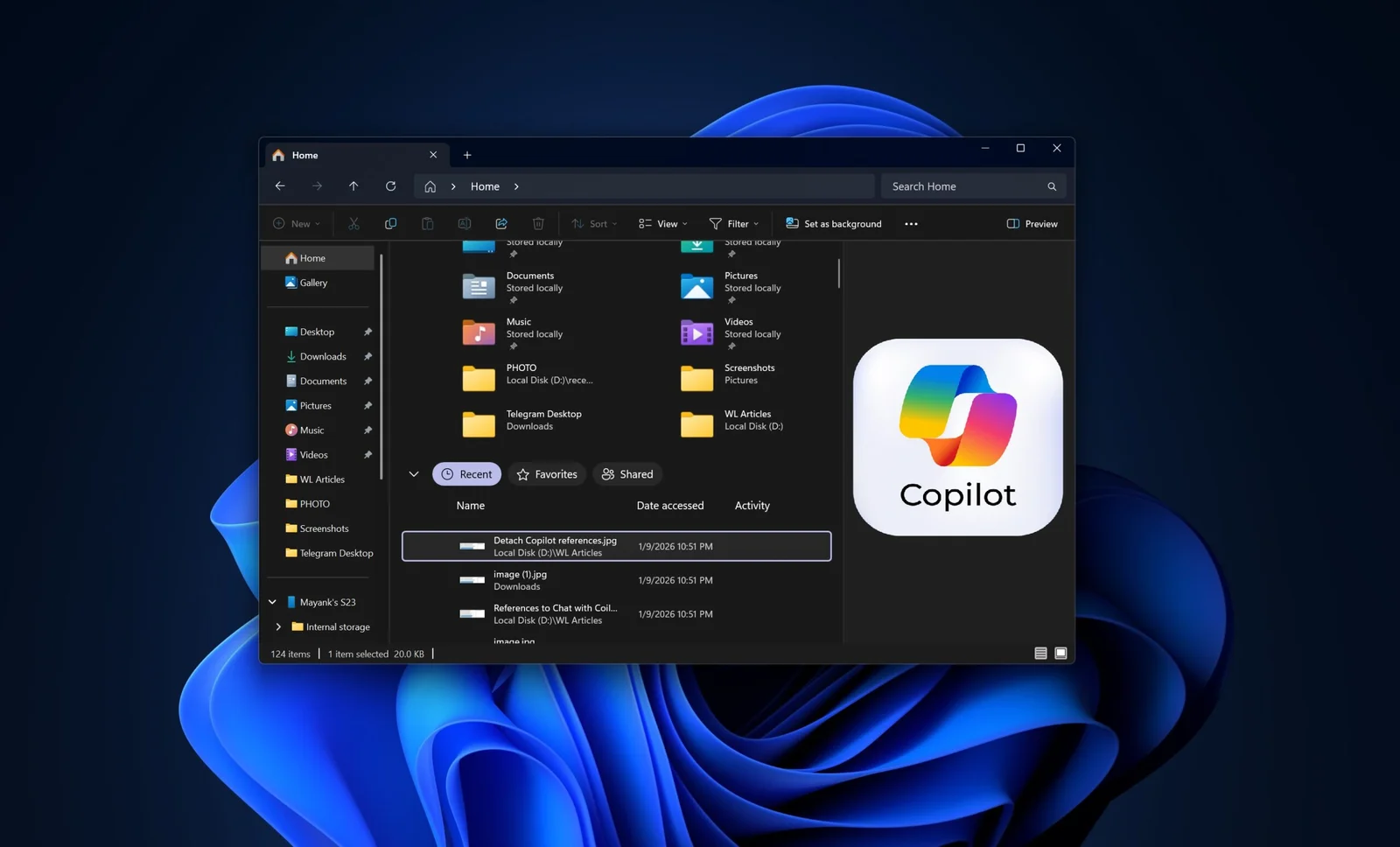
Microsoft is testing a new feature to integrate Copilot directly into Windows 11's File Explorer, likely as a sidebar or chat pane, moving beyond the current right-click 'Ask Copilot' option. This could allow users to chat with Copilot within Explorer itself, with references suggesting a dockable or detachable interface. Despite ongoing development, Copilot's market share on the web remains low, and Microsoft has not yet confirmed the full rollout.
Maxon has introduced a standalone AI-powered tool called Maxon Digital Twin (MDT) designed for creating digital representations of physical objects for marketing and commercial use. The company clarified that MDT uses a third-party AI agent, not trained on user works, and plans to integrate with other AI-enabled graphic apps, raising questions about future AI tools across its product lineup.
SoundHound AI is expanding its in-car voice services through collaborations with OpenTable and Parkopedia, aiming to embed conversational AI into everyday driving and dining experiences. While these integrations could boost real-world usage and enterprise appeal, the company's profitability remains uncertain due to ongoing losses and high costs. Analysts project significant revenue growth by 2028, but investor caution is advised given the wide range of fair value estimates and the company's financial risks.
In 2025, Google Keep received several updates including design refreshes with Material 3, new features like note sorting, and UI improvements, maintaining its simplicity and speed. The article explores the potential future of note-taking apps, especially with AI advancements, suggesting a more proactive, assistive, and integrated experience could be on the horizon, possibly evolving into a smarter, more powerful tool beyond the current basic functionality.
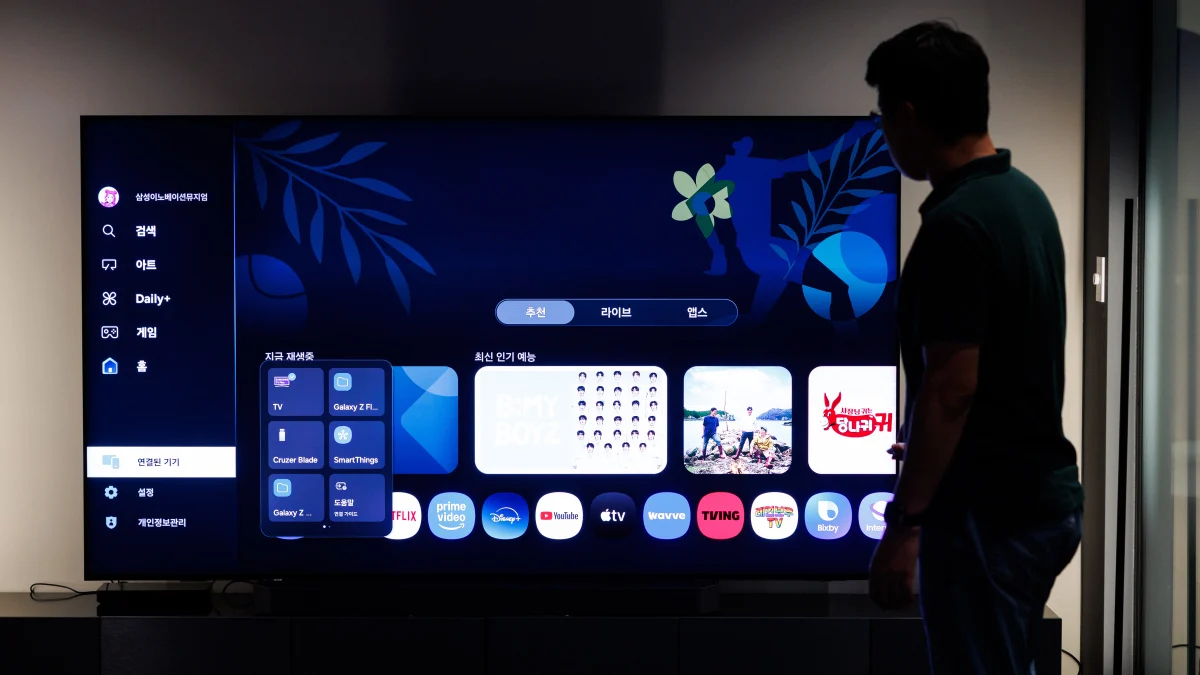
Samsung is partnering with Google Photos to bring a new Memories feature to its AI TV lineup in 2026, transforming TVs into digital frames that display curated photo stories to evoke nostalgia and enhance family bonding, with additional AI-powered photo creation tools planned for later in the year.
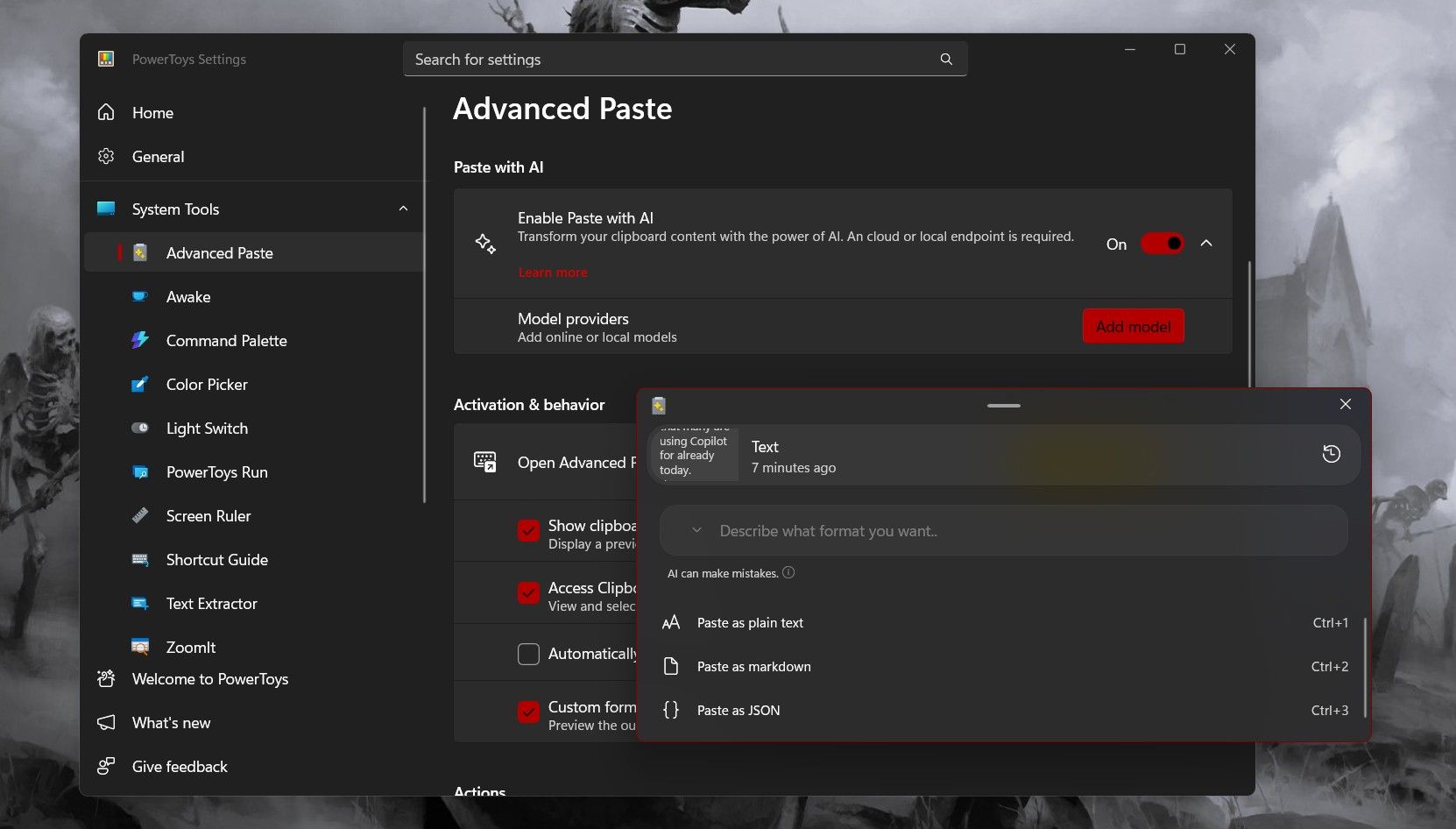
Microsoft is developing an AI-powered 'Advanced Paste' feature for Windows Clipboard, currently available via PowerToys, which leverages Copilot to enhance data manipulation, such as background removal and format conversion, aiming for deeper integration into Windows 11 to improve user workflows.
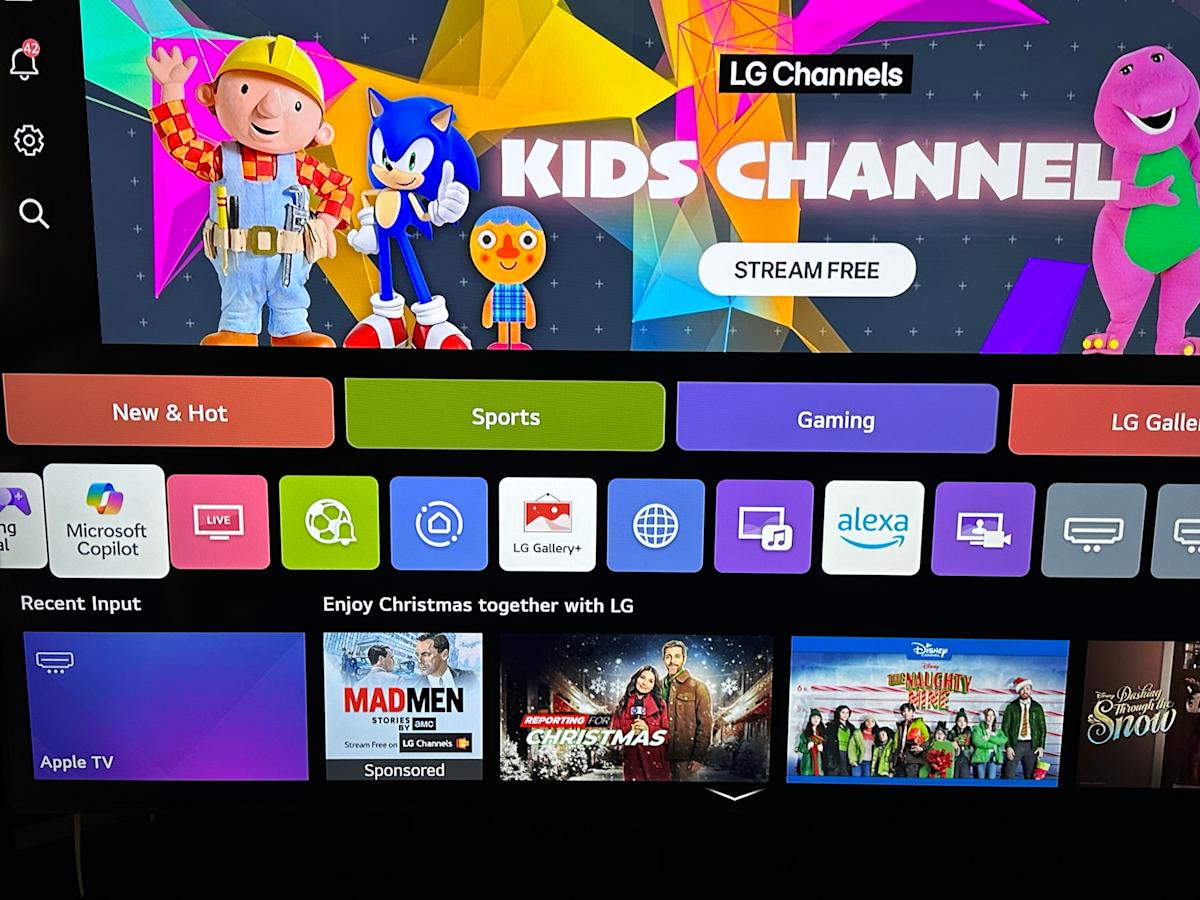
LG has quietly added a non-removable Microsoft Copilot app to some of its smart TVs, which users cannot uninstall, raising privacy and user control concerns amid limited popularity of AI assistants like Copilot.
LG smart TVs now come with an unremovable Microsoft Copilot app following a recent webOS update, reflecting a broader trend of pre-installed AI features in TVs, which users cannot delete, raising concerns about user control and privacy.
Affinity Studio, a free photo editing software from Canva, has been announced as a potential alternative to Adobe Photoshop, but the author remains loyal to Adobe due to familiarity, industry standard status, and plugin ecosystem. While Affinity Studio's free model and AI features are promising, the author believes Adobe will continue to dominate, though the landscape is rapidly changing with new competitors and AI advancements.
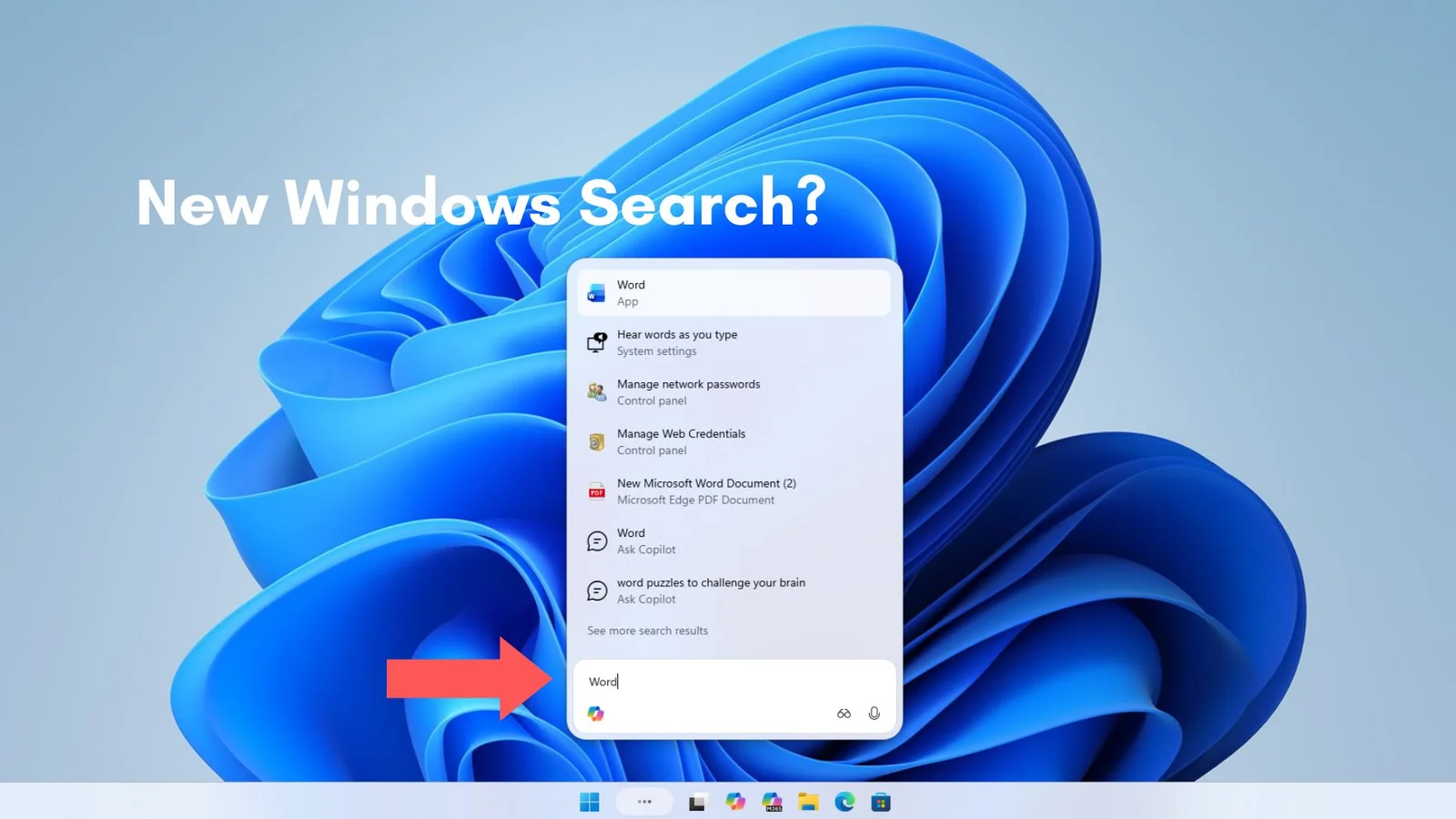
Microsoft is testing Ask Copilot in Windows 11's taskbar, which combines traditional search with AI-powered semantic understanding, and includes features like Copilot Vision and Voice, aiming to make the taskbar a more dynamic and natural interaction hub. The feature is currently in testing with Insiders and offers a more streamlined, faster search experience, but some AI features are still under development.
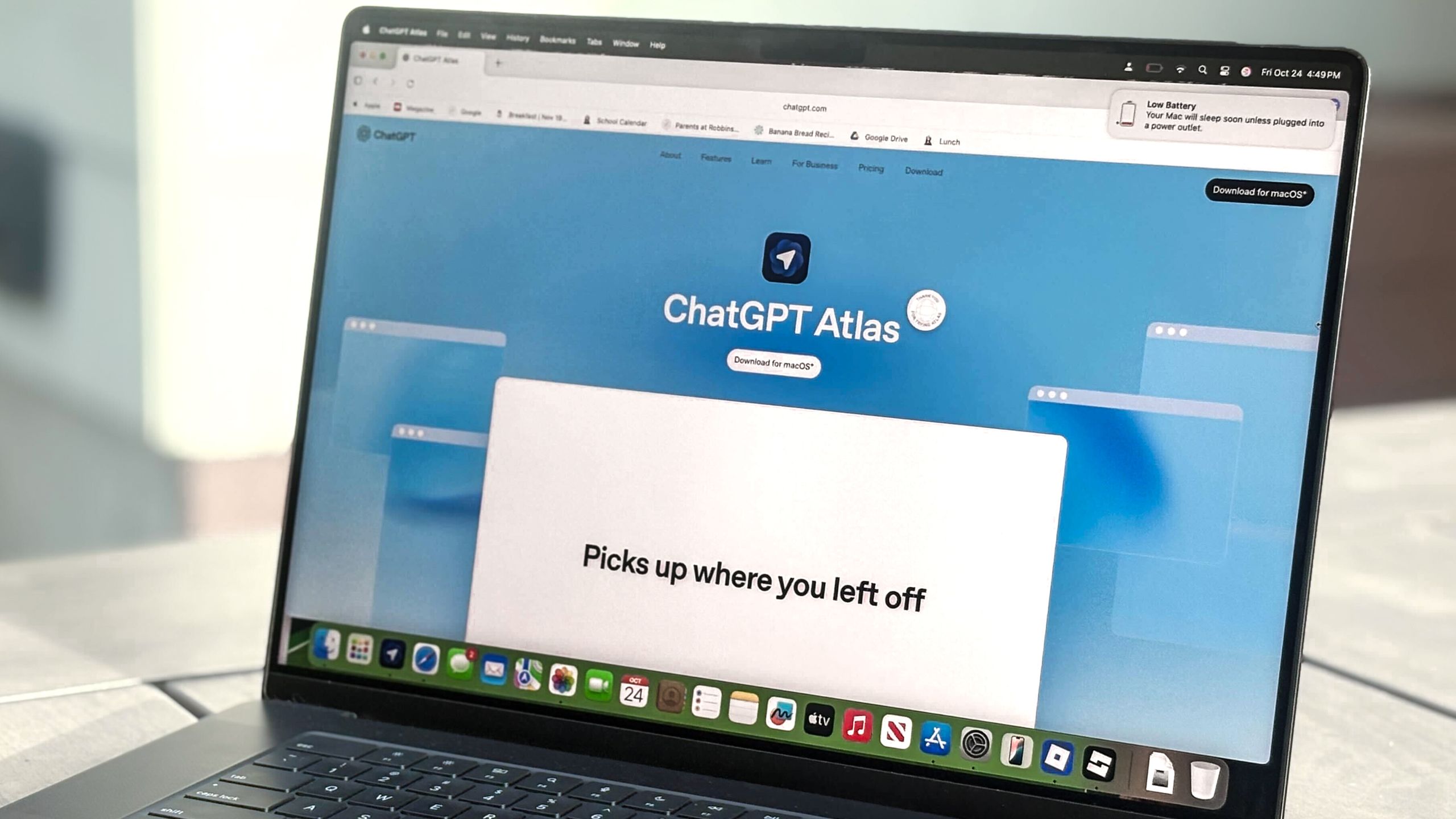
The author tried OpenAI's ChatGPT Atlas browser, which integrates AI features directly into web browsing, but found it unnecessary for their casual, mobile-first browsing habits, preferring the simplicity and familiarity of Chrome until Atlas becomes available on mobile devices.
OpenAI has launched a new web browser called Atlas that integrates ChatGPT to enhance browsing but raises significant privacy concerns due to its extensive data collection and memory features, which can track and remember user activity across sites, with limited controls for users to manage their data.
OpenAI has launched the ChatGPT Atlas browser, integrating generative AI into a standard web browser to potentially replace Google as the primary online access point, featuring AI-powered search, shopping, and task automation, posing a challenge to existing browser giants and raising security concerns.
OpenAI announced Atlas, a Chromium-based web browser integrated with ChatGPT, aiming to transform web browsing with AI features, including an 'Ask ChatGPT' sidebar and autonomous agent mode, while raising privacy and security considerations and seeking to expand its platform capabilities.
Samsung has partnered with Perplexity to include its AI engine on select smart TVs, allowing users to access AI features via the AI button, marking a significant step in integrating AI into the living room and enhancing media search and discovery. This move highlights the growing importance of AI in shared entertainment spaces, alongside other tech giants like Google.