President Trump’s decision to pause five offshore wind projects has sparked concern among allies and critics, as it threatens to increase electricity prices, hinder energy development, and complicate legislative efforts on permitting reform, amid ongoing debates over energy security and environmental policies.
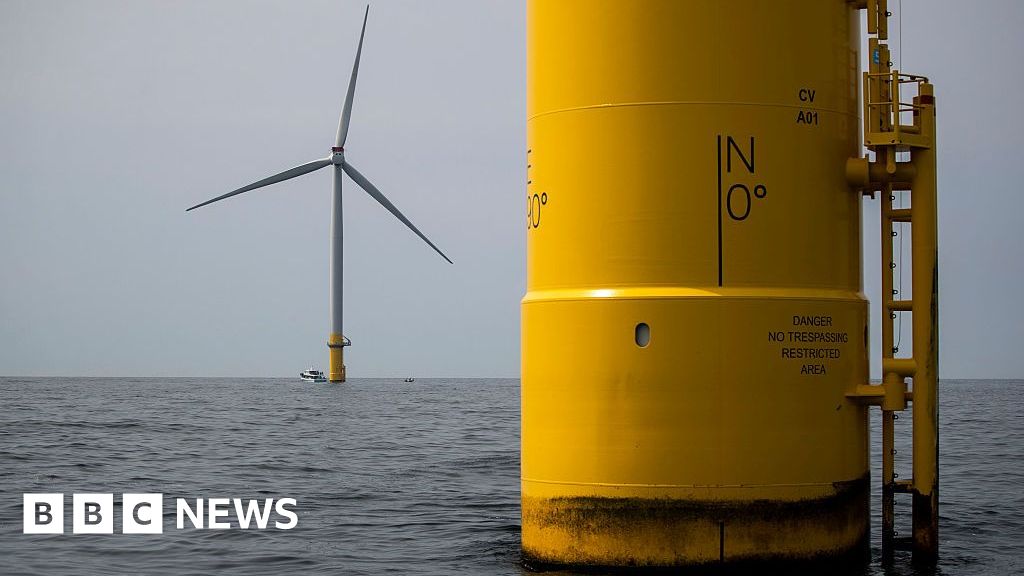
The US has paused offshore wind energy projects near the Atlantic coast due to national security concerns, particularly radar interference that could impact airspace safety, amid ongoing political debates over renewable energy development.
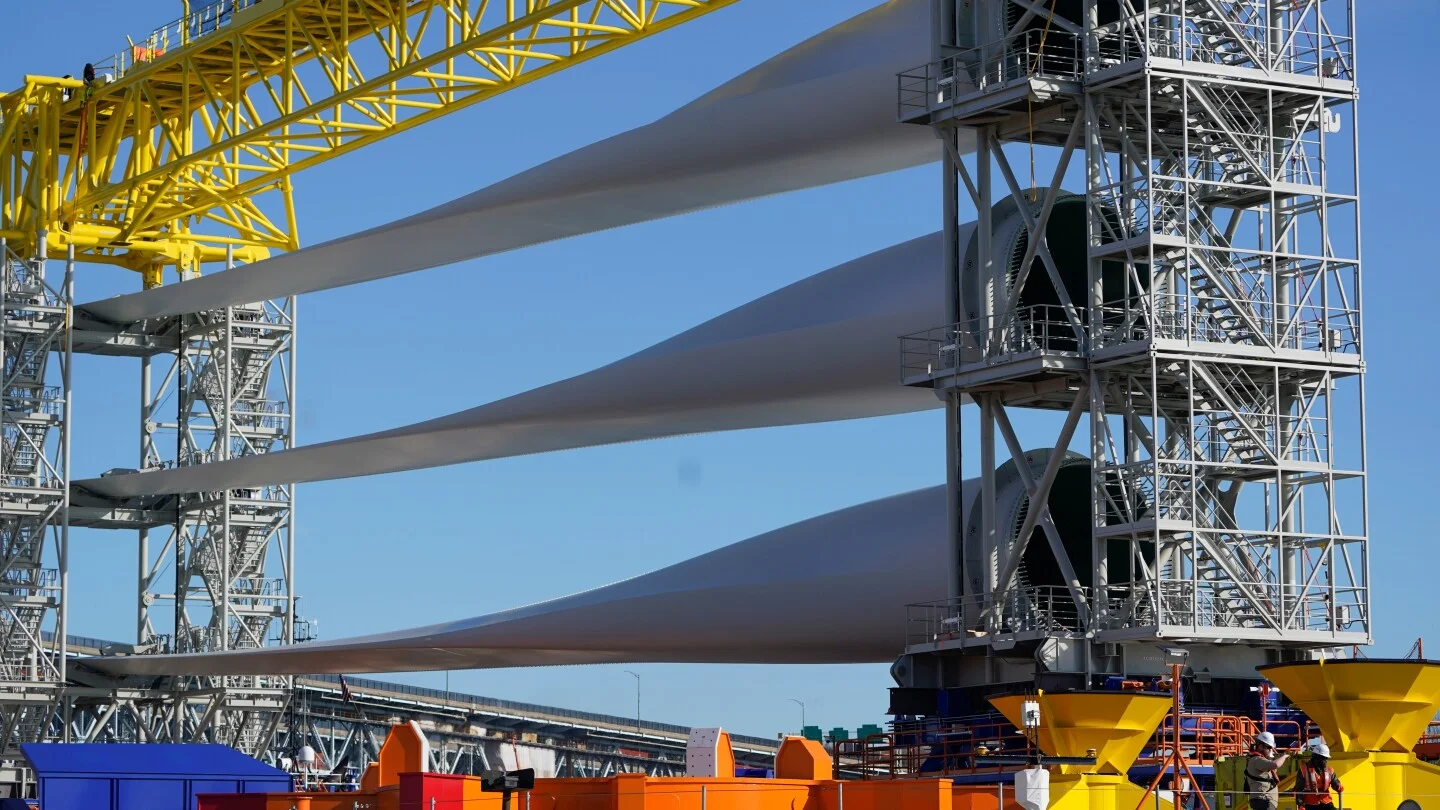
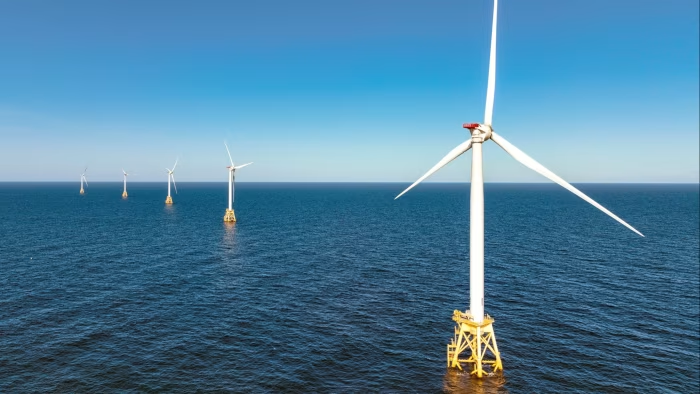
The Trump administration has suspended leases for five offshore wind projects along the East Coast citing national security concerns, despite legal rulings and expert opinions that question the validity of these security claims, leading to criticism from wind supporters and legal challenges from states.
The Trump administration has suspended leases for five offshore wind farms in the U.S. due to national security concerns raised by the Department of Defense, citing risks associated with these projects and emphasizing the reliance on a natural gas pipeline for energy.
Congress is working on a bill to streamline permitting for energy projects to address rising power prices and supply issues, but political disagreements and partisan tensions, especially involving President Trump’s stance, are complicating efforts to pass comprehensive reform.
Shell US President Colette Hirstius criticized the Trump administration's decision to halt permitted offshore wind projects, calling it damaging to investment and warning of potential future political swings against the oil and gas sector, amid broader industry impacts and funding cancellations.
The Trump administration has canceled nearly $500 million in climate and energy project funding across 16 states, including Colorado, impacting universities, private companies, and local projects, with critics claiming the move is politically motivated amid government shutdowns and congressional deadlock.
The Energy Department canceled over $7 billion in funding for various energy projects, citing lack of economic viability and relevance to national needs, amid political tensions and accusations of partisan retaliation by Democrats against the Trump administration's actions during a government shutdown.
Democrats criticize the White House for threatening to cut green energy funding and other congressionally approved spending, accusing the administration of using the government shutdown as a political tool to punish opposition and harm energy projects, which could hinder efforts to resolve the shutdown.
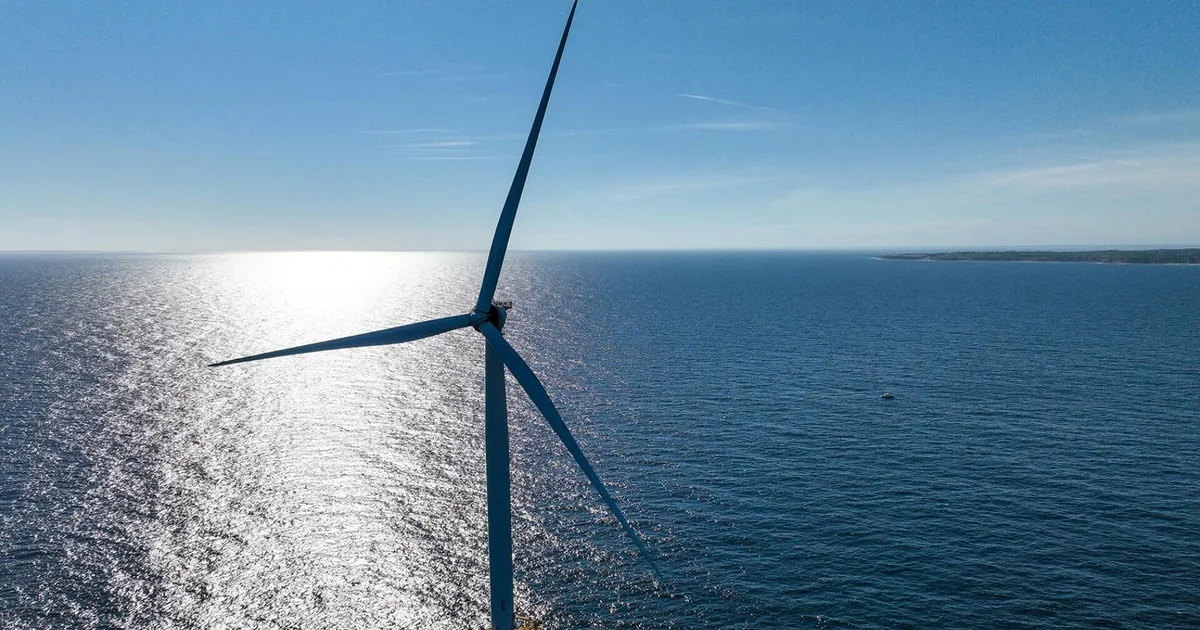
Developers and two states are suing the federal government to lift a stop-work order on the nearly complete Revolution Wind offshore wind farm off Rhode Island, amid ongoing conflicts between the Biden administration's support for wind energy and the Trump administration's opposition, which has targeted multiple offshore projects.
The US has halted construction on Ørsted's $1.5 billion Revolution Wind offshore wind farm off Rhode Island due to national security concerns, causing delays and financial strain for the Danish energy company, which is already facing challenges with its global projects and market confidence.
The Department of Energy has terminated its $4.9 billion loan guarantee for the Grain Belt Express project, citing financial concerns and a review of federal support for energy projects, as part of a broader effort to ensure responsible use of taxpayer dollars and focus on energy expansion initiatives.
Eighteen trade associations urge Senate to maintain a lenient 'start of construction' standard for clean energy tax credits, arguing that stricter standards could delay or cancel vital energy projects and increase costs, while emphasizing the importance of certainty and stability for utility-scale renewable energy development.
The U.S. Department of Energy canceled $3.7 billion in clean energy projects, including funding for Exxon Mobil's Texas refinery, under the Biden administration, affecting 24 awards.
The U.S. Department of Energy canceled $3.7 billion in awards for carbon capture and decarbonization projects, citing economic viability concerns and lack of advancement of American energy needs, affecting companies like Calpine, PPL, Ørsted, and Exxon Mobil.