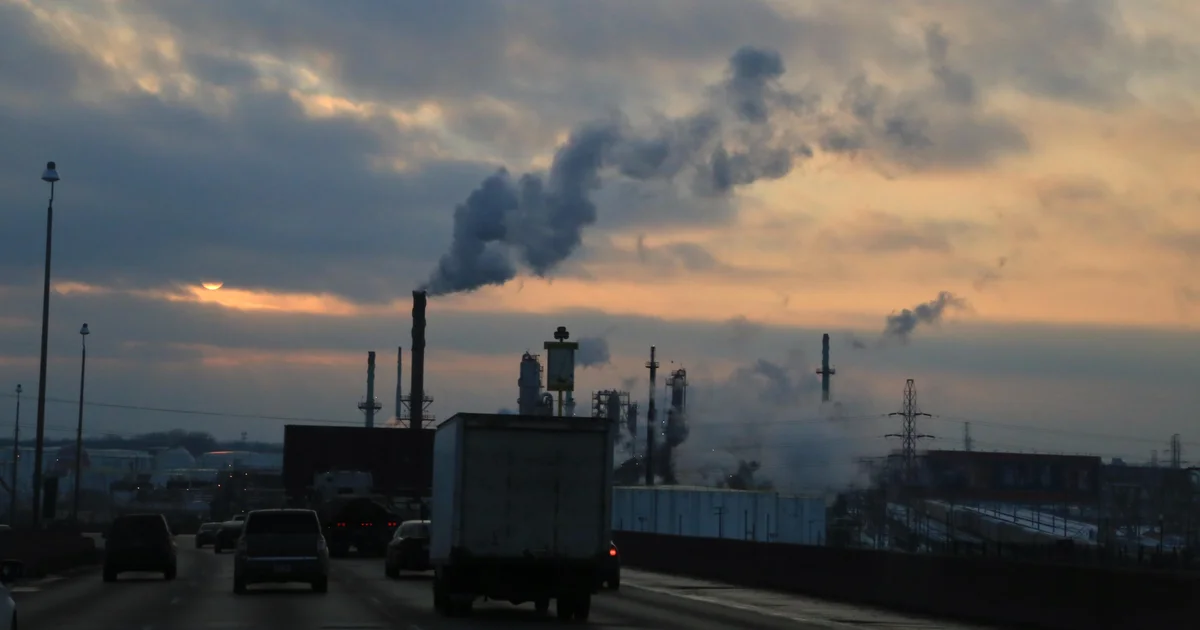
Over 85 climate scientists have criticized a U.S. Energy Department report for containing numerous errors and misrepresentations of scientific literature, arguing it downplays the severity of climate change and supports industry interests, leading to ongoing debates and public comments.
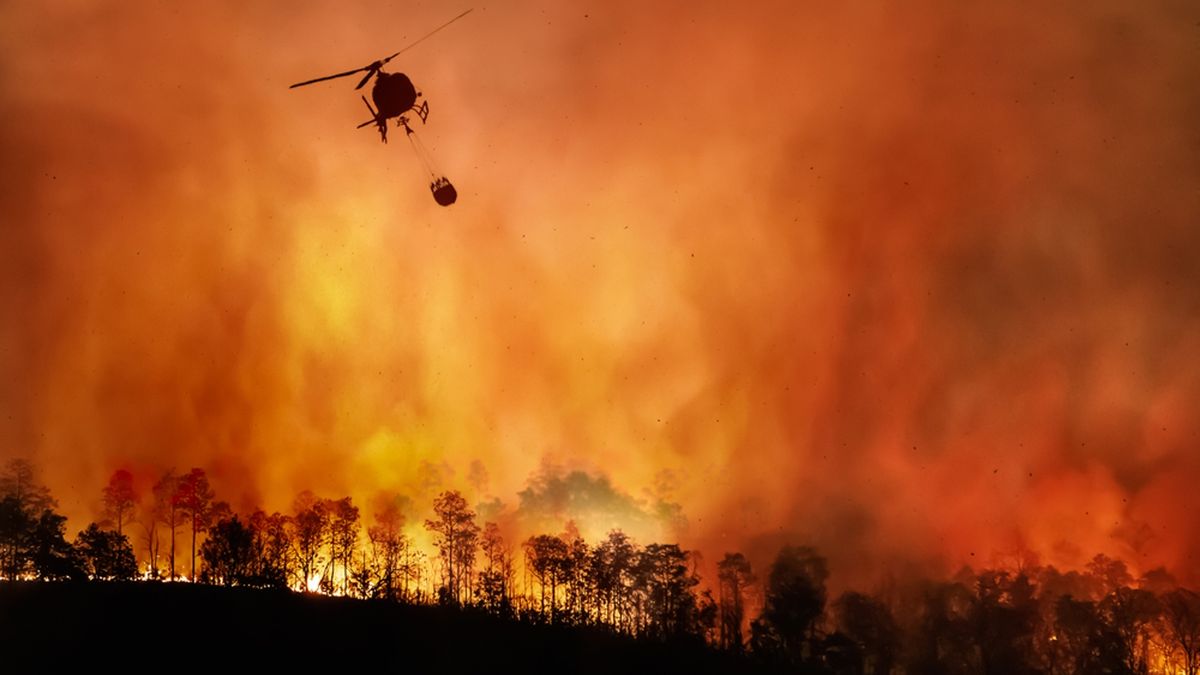
Climate experts predict that 2023 will be the warmest year in recorded history, with global temperatures already surpassing previous records. Human-caused climate change is the primary driver of this trend, resulting in rising temperatures, more frequent and intense natural disasters, and the depletion of Antarctica's sea ice. The latest El Niño event and the eruption of Tonga's underwater volcano have had some impact, but greenhouse gas emissions remain the major cause. Global carbon emissions reached a new high this year, highlighting the urgent need to reduce greenhouse gas concentrations. While the effects of climate change are becoming increasingly evident, scientists emphasize that there is still time to mitigate the worst consequences by reducing emissions.
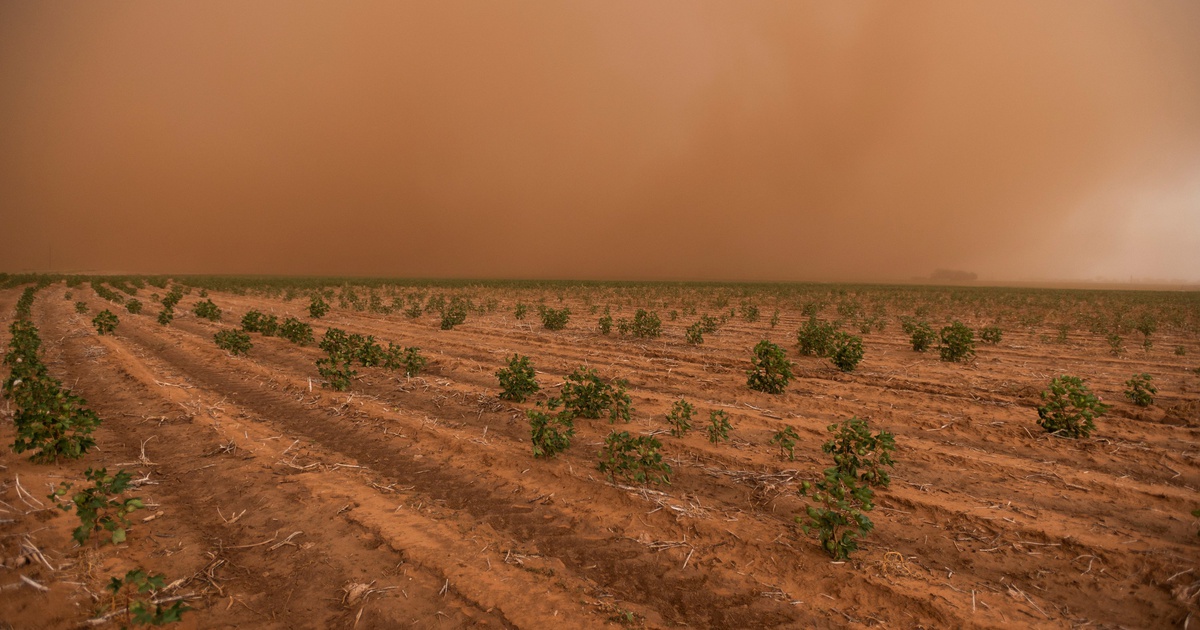
Record-breaking heat waves are becoming more common and severe in Texas due to climate change, with over 1,600 days of heat records being matched or broken in the last decade. Extreme heat is the most dangerous type of weather, killing more people annually than hurricanes, tornadoes, or flooding. The state's infrastructure, such as the electric grid and dams, are greatly impacted by increasing temperatures, presenting new challenges for communities. While every county in Texas has seen an average increase in temperatures over the last decade, three areas of the state have seen the biggest jumps in record-breaking temperatures: West Texas, the Panhandle, and the Gulf.