energy-efficiency1.7 min read
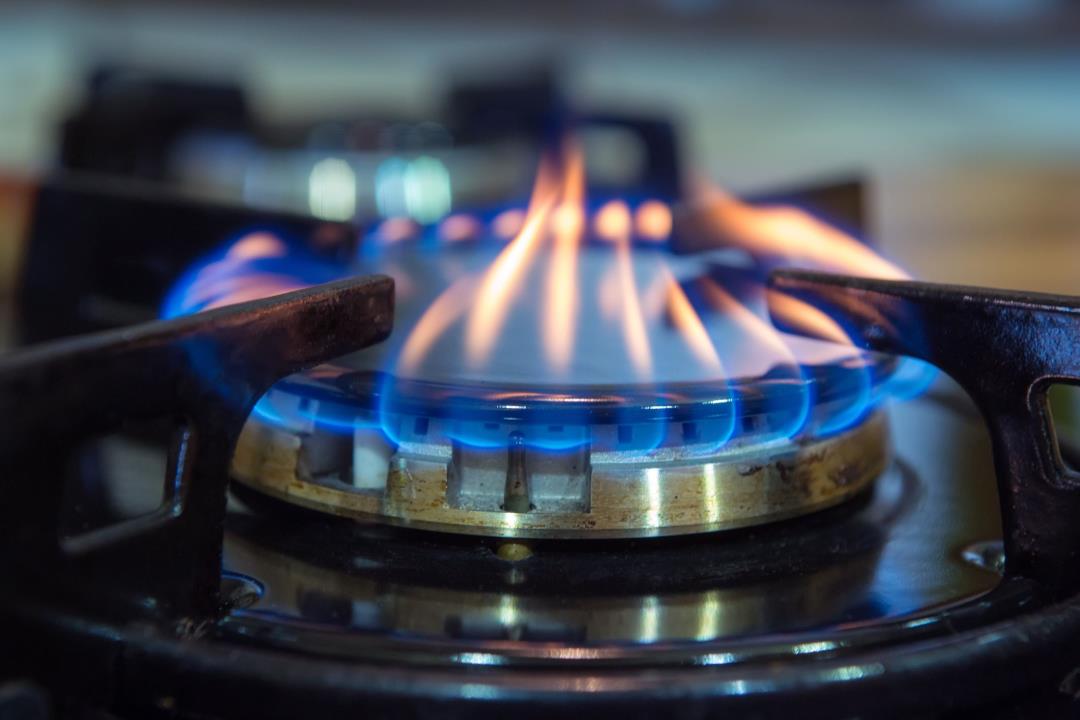
"DOE's New Rules Spark Gas Stove Debate Resurgence"
2 years ago•Source: Newser

The latest energy efficiency stories, summarized by AI
The Energy Department is updating efficiency standards for appliances, aiming to reduce greenhouse gas emissions and save Americans billions of dollars annually. However, these standards have become a contentious issue in the culture war, with opponents arguing that they restrict consumer choices and increase installation costs. Former President Donald Trump and many conservatives criticize efficiency standards, but research shows that newer appliances actually work better. The Biden administration is working to catch up on updating standards that haven't been revised for a decade or more, with the goal of saving consumers money.
USA TODAY•2 years ago
Reuters•2 years ago

Engineers at Stanford University have developed colorful paints that can significantly reduce energy use for heating and cooling in buildings. These paints, which reflect infrared heat, can keep buildings cooler in the summer and warmer in the winter without using energy. In laboratory experiments, the paints reduced heating energy use by 36% and cooling energy use by 21%. Computer simulations showed a potential 7.4% reduction in total HVAC energy use for a typical mid-rise apartment building. The paints, available in various colors, are also water-repellant and stable in different climates.
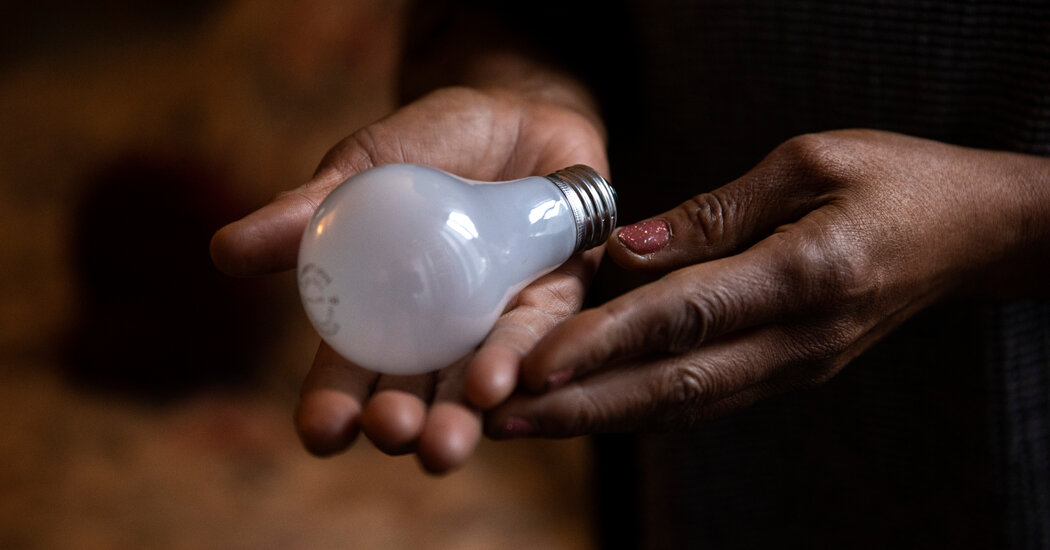
New energy efficiency rules have taken effect in the United States, prohibiting the sale of most incandescent light bulbs. The rules require light bulbs to meet a minimum standard of producing 45 lumens per watt, effectively favoring LED lights. LED lights have already contributed to lower electricity demand and reduced greenhouse gas emissions. The Department of Energy estimates that Americans will collectively save nearly $3 billion annually on utility bills with the new rules in place. The shift to LED lights is expected to have little fanfare as most retailers have already removed inefficient bulbs from their shelves. The regulations will also cut carbon dioxide emissions by 222 million metric tons over the next three decades.

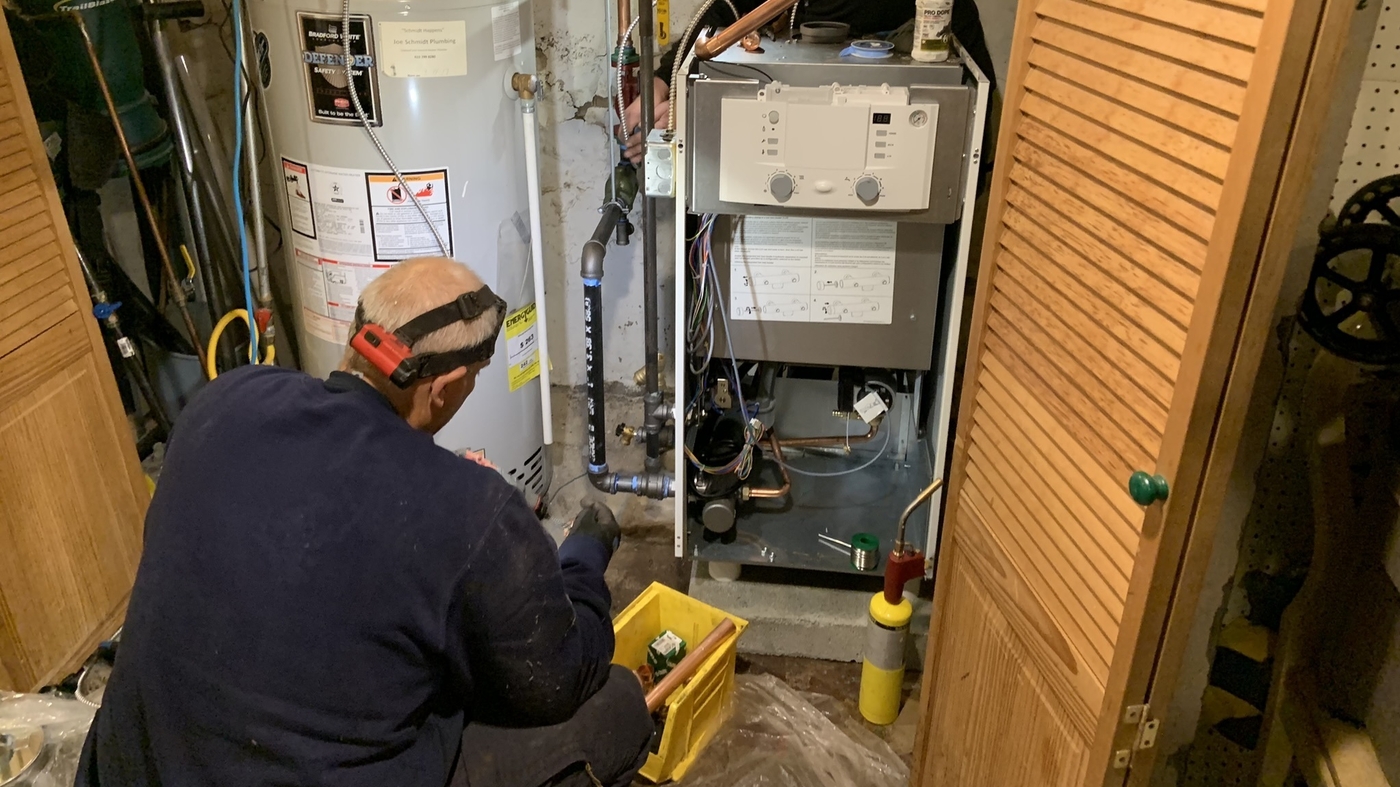
The US Department of Energy has proposed new energy efficiency standards for water heaters, aiming to save consumers $11.4 billion annually on energy and water bills. The standards, which have not been updated in 13 years, would require electric water heaters to achieve efficiency gains with heat pump technology and gas-fired water heaters to achieve efficiency gains through condensing technology. If finalized, the standards are expected to save nearly $200 billion and reduce over 500 million metric tonnes of carbon dioxide emissions over 30 years. The proposal has received support from various stakeholders, but some manufacturers argue that the standards are technologically impossible and would limit consumer choice.
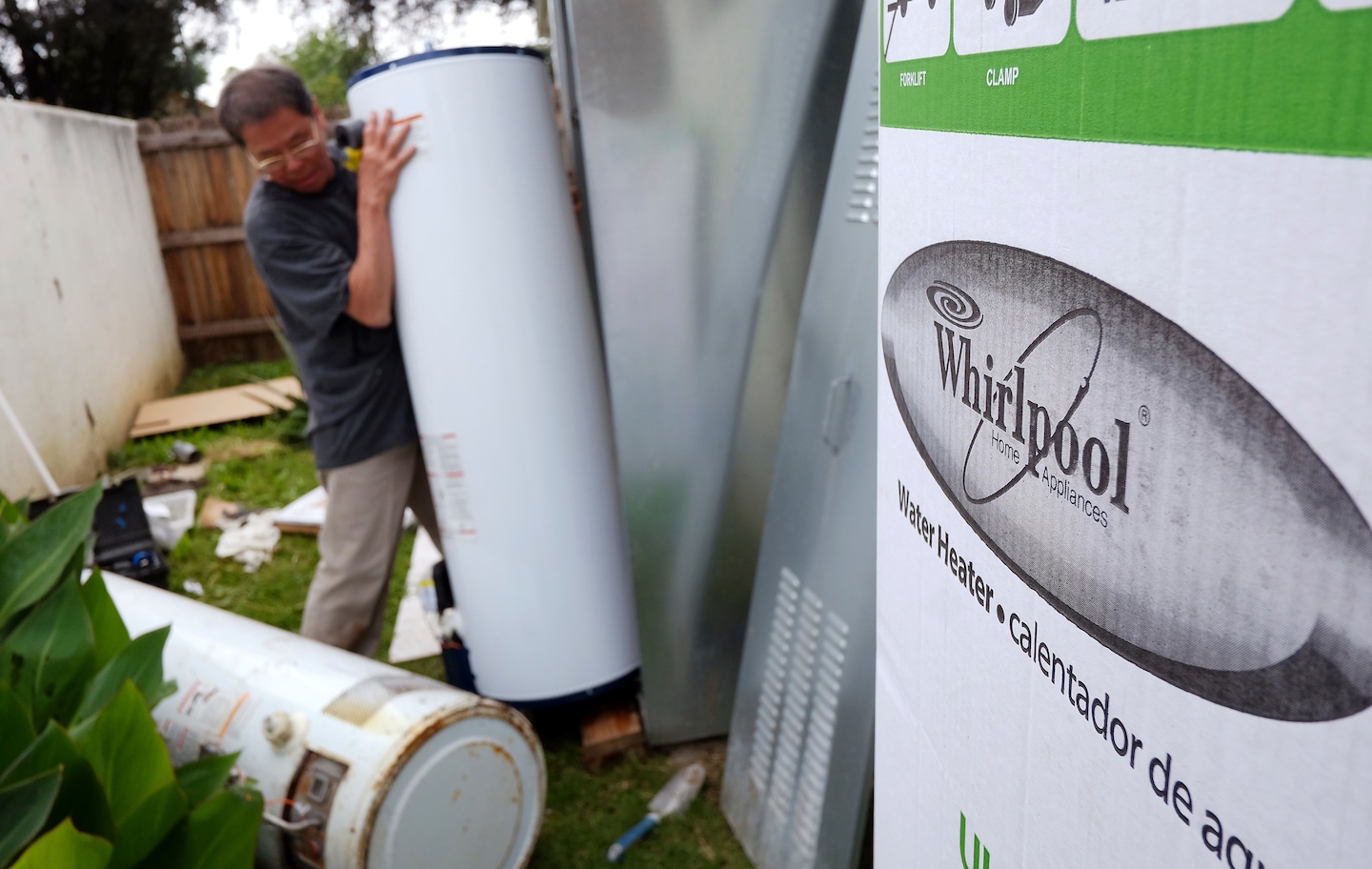
The Biden administration has proposed a new rule that would require more efficient water heaters, encouraging companies to update outdated technology and reduce utility costs and greenhouse gas emissions. The rule would save consumers $11.4 billion annually and reduce carbon dioxide emissions by 501 million metric tons over 30 years. New electric storage water heaters would need to use heat pumps, while some gas-fired instantaneous heaters would need to use condensing technology. The change is expected to save Americans $198 billion over the same period. Water heating accounts for 13% of residential energy use, and the proposed rule aligns with expectations from consumer groups, environmental advocates, and manufacturers.
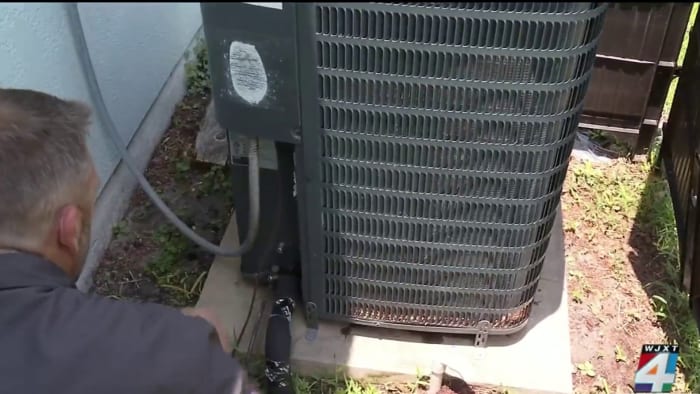
As temperatures soar during a 10-day heat wave, JEA customers in Jacksonville, Florida, are experiencing higher energy bills. To manage costs, JEA recommends setting the thermostat at 78 degrees, as even new AC units can only cool about 20 degrees below the outside temperature. By conserving energy and raising the thermostat by 5 to 10 degrees when away from home, customers can save up to 7% per degree on cooling costs. Regularly changing air filters, using ceiling fans, and shading windows can also help reduce energy consumption. JEA offers free efficiency assessments to help customers lower their energy bills.
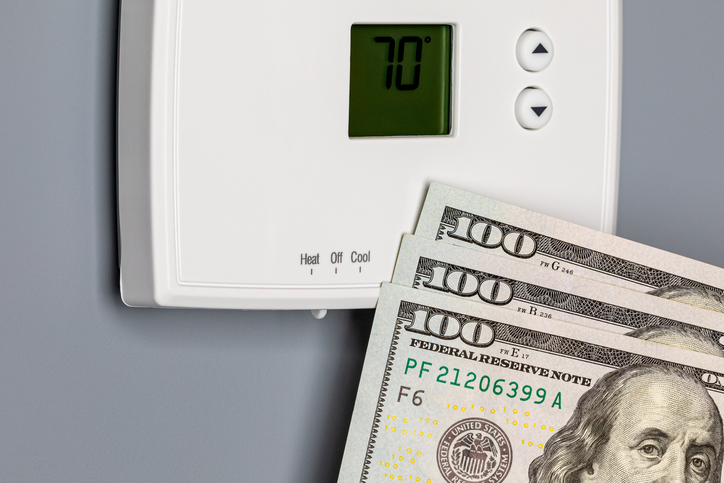
Plumbline Services president Bob Logan warns homeowners against turning off their HVAC system during work hours, opening windows at night, and not changing air filters, as these mistakes can increase energy bills. Instead, he recommends setting a comfortable temperature on a programmable thermostat, sealing up the home, and changing air filters every 30 days. Other tips include installing LED lights, closing blinds during the hottest part of the day, and only running the dishwasher and washing machine when they are full.
The Biden administration is set to implement a nationwide ban on incandescent light bulbs, with full enforcement beginning on August 1, 2023. The ban will require retailers to sell only light-emitting diode (LED) alternatives, with the aim of saving consumers an estimated $3 billion per year on utility bills and cutting carbon emissions by 222 million metric tons over the next three decades. While LEDs are more efficient and longer-lasting than incandescent bulbs, they are currently more expensive and inferior for certain functions such as dimming. Critics have blasted the rules as federal overreach and unnecessary given that the industry has improved technology without government intervention.
Scientists at Oak Ridge National Laboratory have developed an eco-friendly alternative insulation made without harmful blowing agents. The nontoxic thermoplastic foam is made using hollow glass spheres and expandable polymer microspheres. The technology is readily adoptable by industry and opens avenues to develop safer composite foams for a variety of insulation systems. The need for ongoing research into insulation materials is ongoing, since space heating, cooling, and ventilation account for 35% of energy consumption for buildings — 29% commercial and 41% residential.