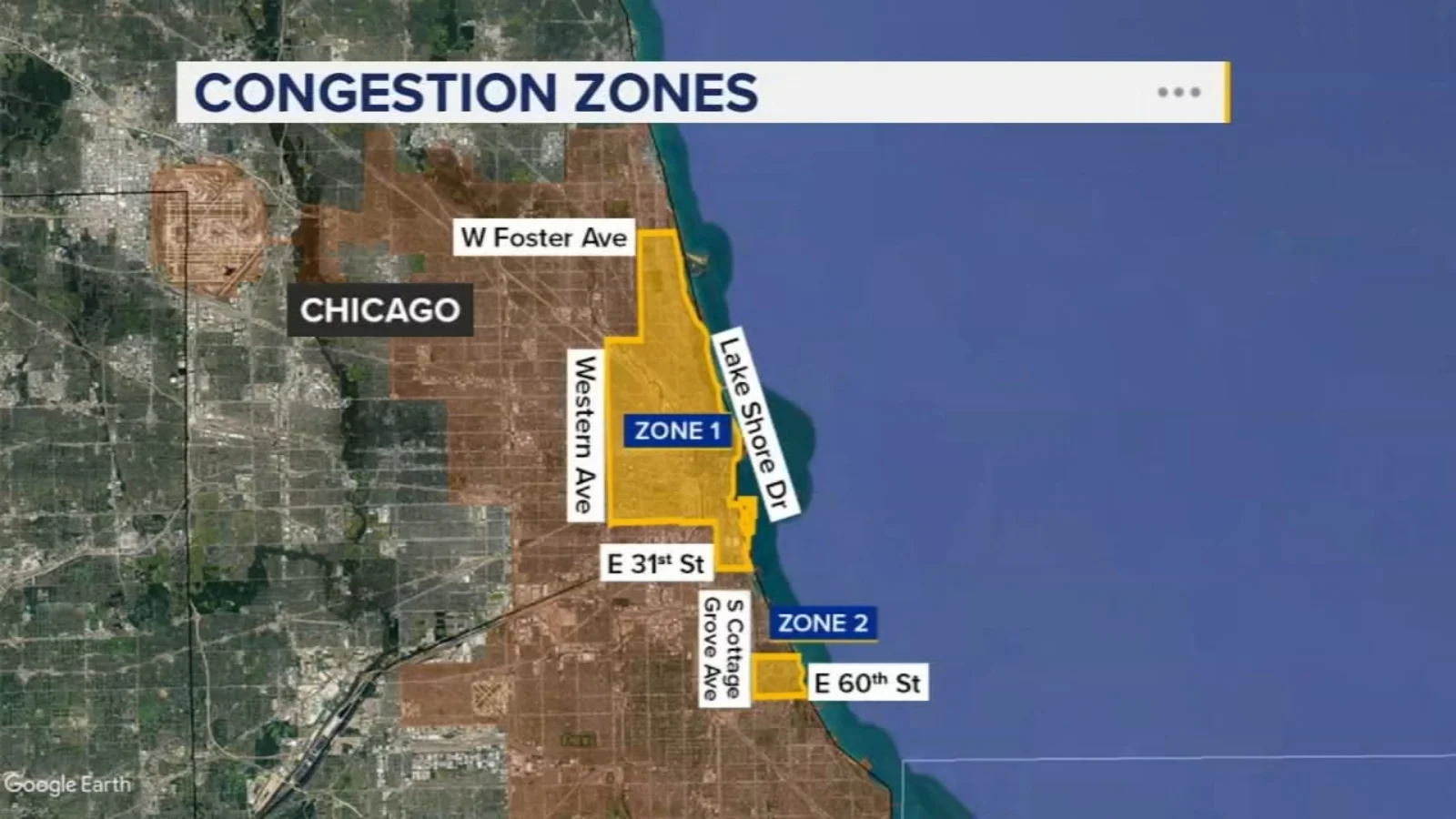
Starting Tuesday, Chicago has implemented a new ground transportation tax surcharge of $1.50 for rideshare pickups and drop-offs in designated congestion zones, with shared rides incurring an additional 60 cents, raising costs for users and potentially impacting drivers and ridership.

With rising DRAM costs, gamers are increasingly using SODIMM-to-DIMM adapters to repurpose affordable laptop memory for desktop builds, offering a cost-effective but performance-limited solution.
Rising costs, especially a 30-cent increase in masa price to $1.99 per pound, are making Christmas tamale traditions more expensive amid broader economic challenges, though some vendors are maintaining steady prices to support families.
The full game of R-Type Dimensions 3 will be available on Switch 2 cartridges, but at a higher price of €70, due to increased manufacturing costs. The change from Game-Key Cards to full cartridges is facilitated by rumored smaller cartridge sizes, which may help reduce costs. This move addresses criticisms of storage limitations and long-term game preservation concerns associated with Game-Key Cards.
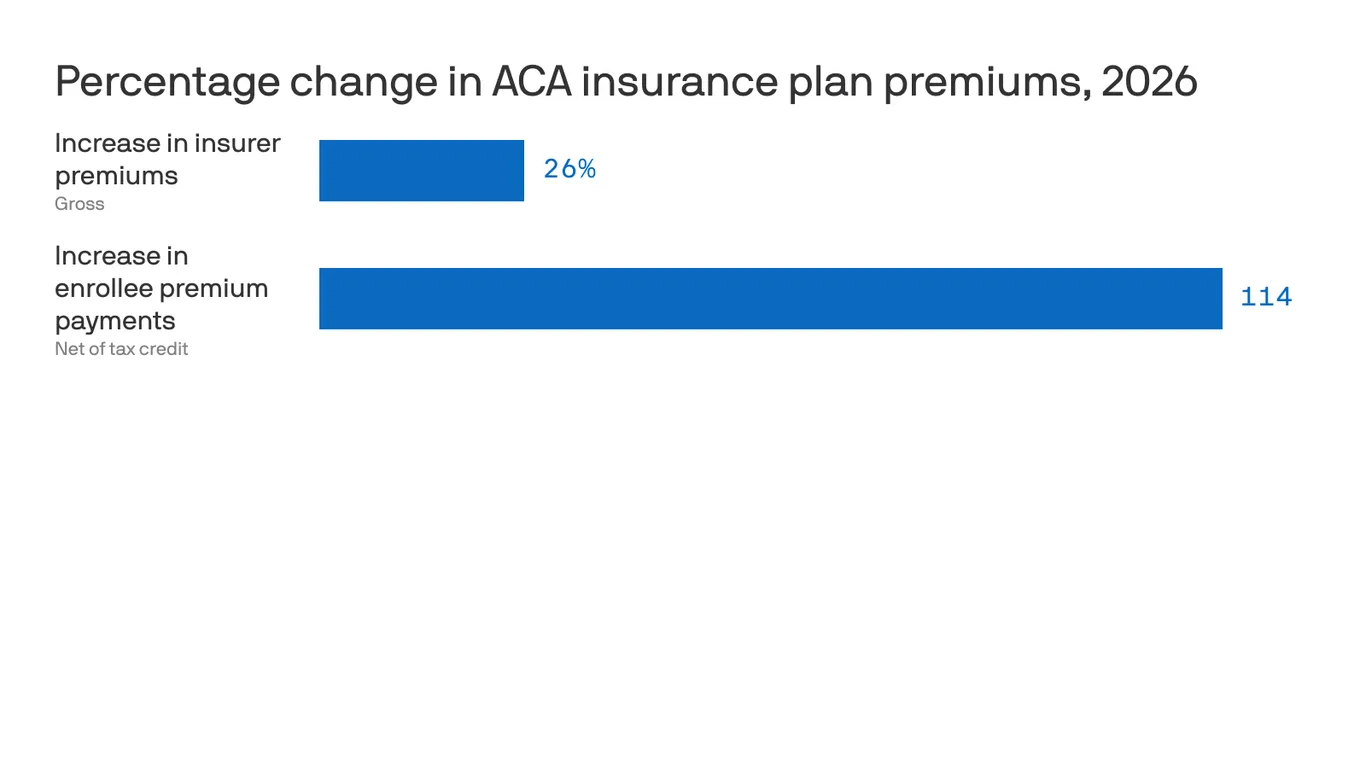
Health insurance premiums are expected to rise significantly in 2026 due to rising healthcare costs, drug prices, and the loss of federal subsidies, impacting millions of Americans and increasing political debate around healthcare affordability.
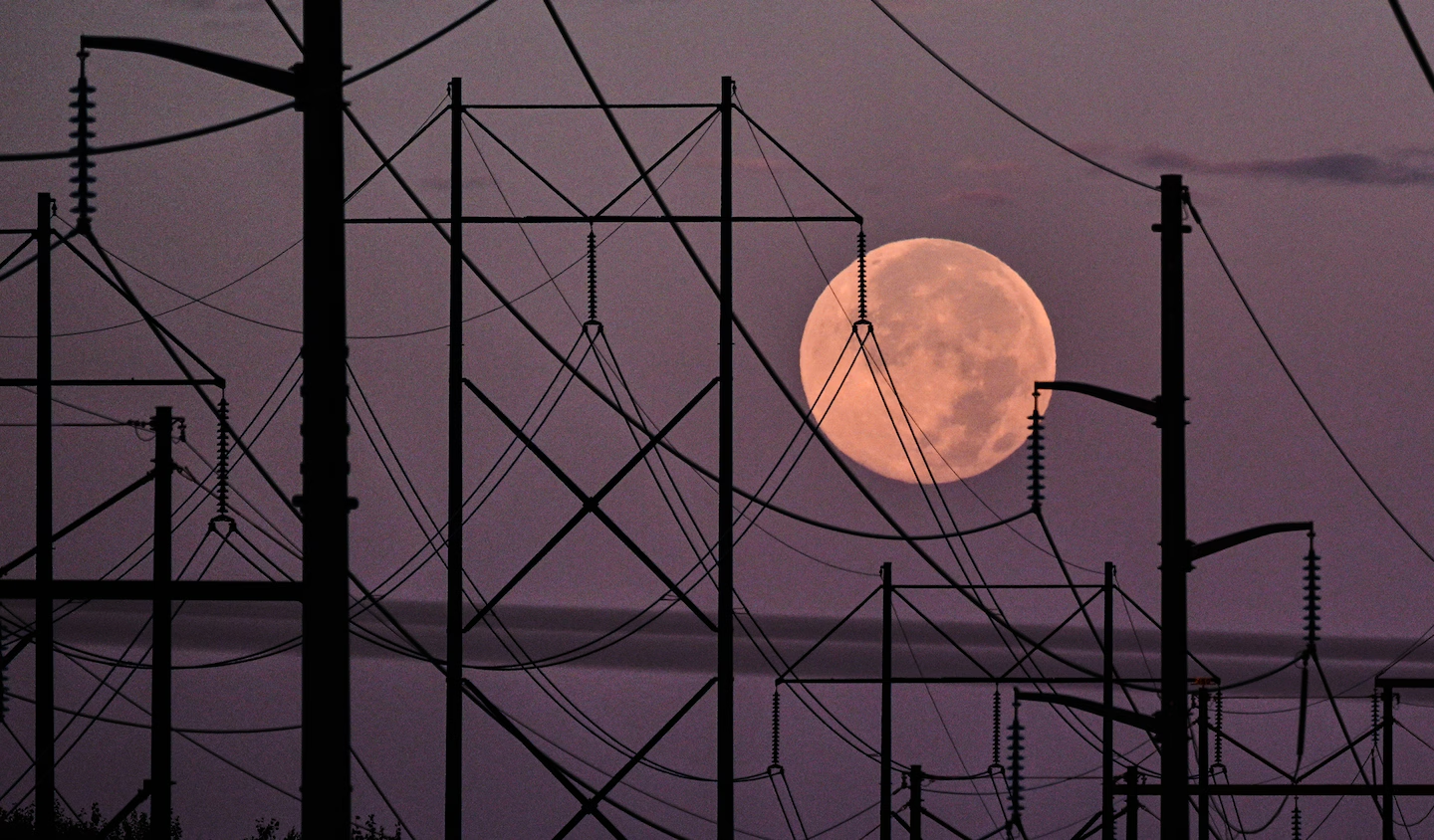
A new report indicates that US energy bills have increased by 13% since Trump took office, driven by policy changes that favor fossil fuels over renewable energy, leading to higher costs, canceled projects, and job losses in the clean energy sector.
Despite rising electricity bills in the US, the increase isn't primarily due to data centers, which are often blamed for high energy consumption, but the article suggests other factors are at play.
Family health insurance premiums in the U.S. have reached a record average of nearly $27,000, driven by rising costs for weight loss drugs, hospital prices, and other factors, with further increases expected in 2026. Employers and workers are bearing the growing financial burden, and some employers are considering reducing coverage for costly medications like Wegovy. The trend indicates a continued escalation in healthcare costs across various markets.
Federal and postal workers will face double-digit health care premium increases in 2026, with federal employees paying an average of 12.3% more and postal enrollees seeing an 11.3% rise, amid concerns over workforce and healthcare policy impacts.
Oil and gas activity slightly declined in Q3 2025 amid rising costs, regulatory impacts, and market uncertainty, with firms expecting modest price increases and a cautious outlook on future exploration, especially outside the US. Theft and delayed investments are notable issues, while AI and sourcing from China are areas of strategic focus.
Health insurance costs in the U.S. are set to rise by the largest percentage in 15 years in 2025, driven by higher healthcare prices and increased utilization, prompting many employers to implement cost-shifting strategies like higher deductibles, which will also impact employees' out-of-pocket expenses.
Employers are preparing for the steepest rise in health benefit costs in 15 years for 2026, with workers expected to pay 6-7% more on premiums, often offset by higher deductibles and copays, driven by increased healthcare prices, higher utilization, and specific cost drivers like cancer treatments and expensive drugs.
NYC parents and teachers are struggling to afford school supplies due to a 30% tariff on Chinese imports, leading to higher prices and increased financial strain, especially on low-income families, with many resorting to reusing supplies or seeking donations to cope with the rising costs.
A Montana knife company founder highlights how tariffs, including a $77,250 tax on a German sharpener, are increasing costs for small manufacturers, exemplifying broader economic impacts of Trump's trade policies, which could lead to higher prices, reduced competitiveness, and potential job losses in manufacturing sectors.