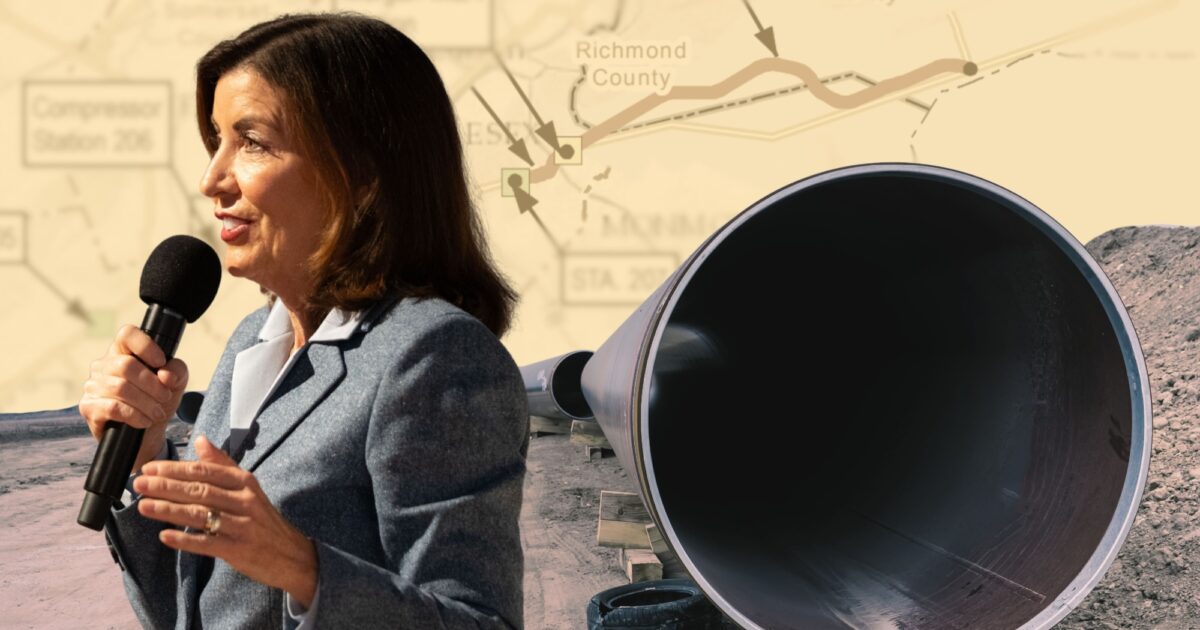
New York has approved the Northeast Supply Enhancement (NESE) pipeline, the state's first new gas pipeline in over a decade, despite previous environmental rejections, marking a significant expansion of fossil fuel infrastructure amidst ongoing climate law challenges.
President Trump criticized European climate laws, particularly the EU's climate directive, which aims to regulate corporate environmental and human rights impacts, arguing it hampers energy and shipping industries. The EU plans to modify the directive, but faces internal divisions, while the US and Qatar warn that the law could threaten energy affordability and reliability in Europe. Trump’s stance reflects broader tensions over climate policies and energy independence.
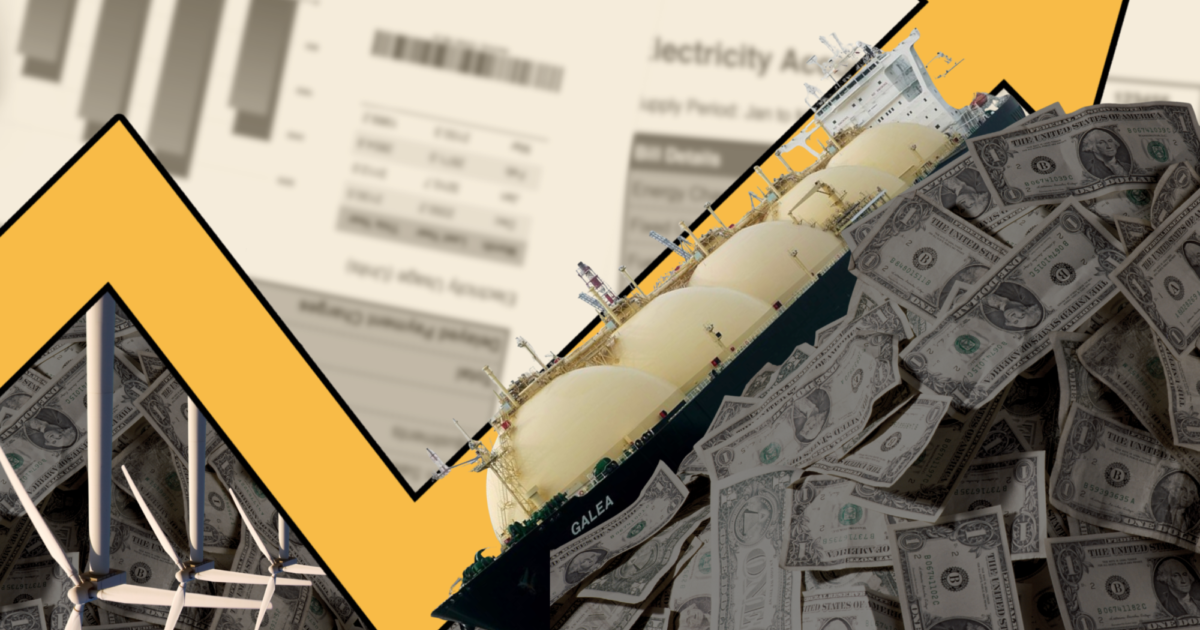
Electric bills in New York are at a decade-high and expected to rise further due to grid upgrades, gas exports, and conflicts over renewable energy, highlighting ongoing challenges in meeting climate targets and the impact on residents' costs.
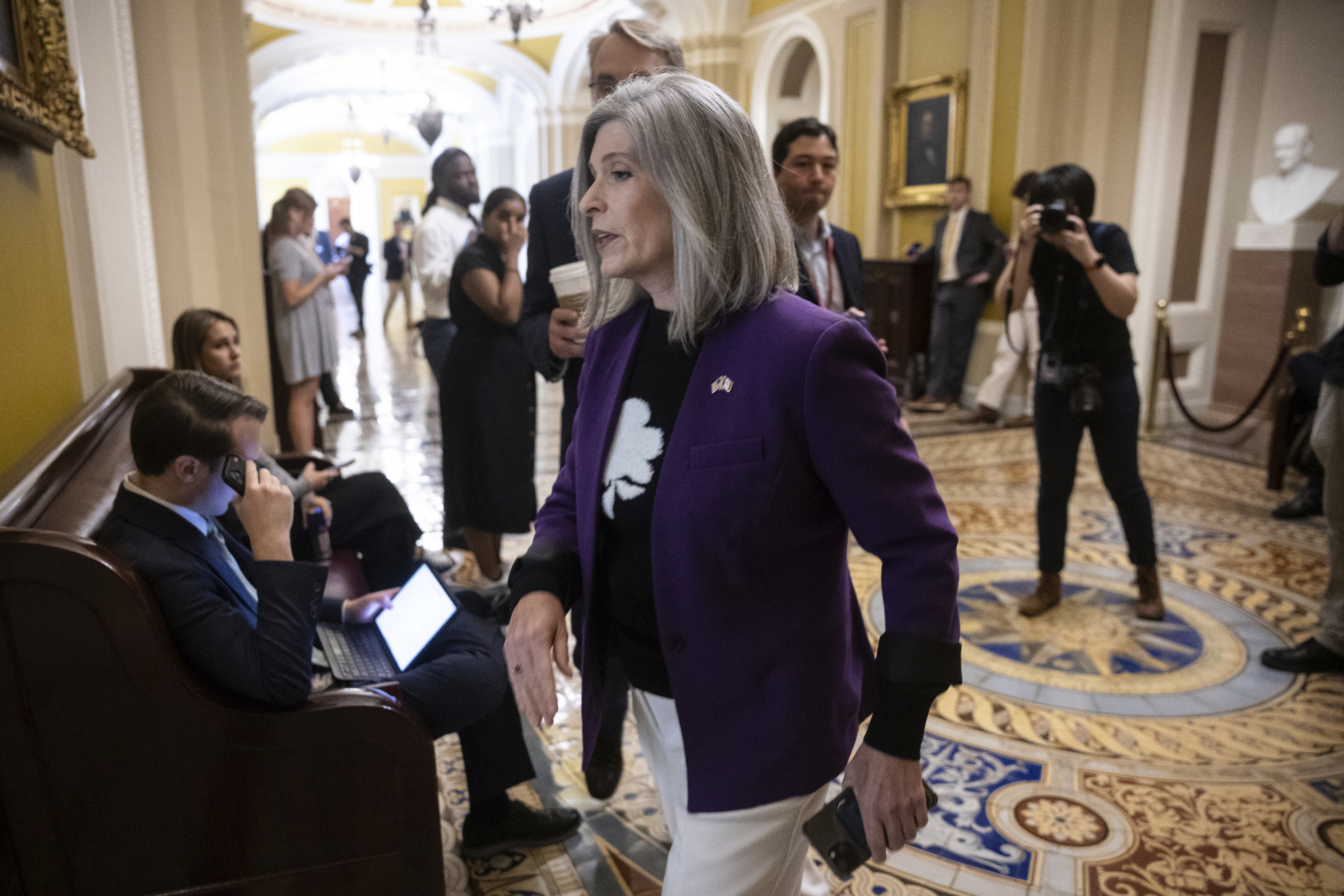
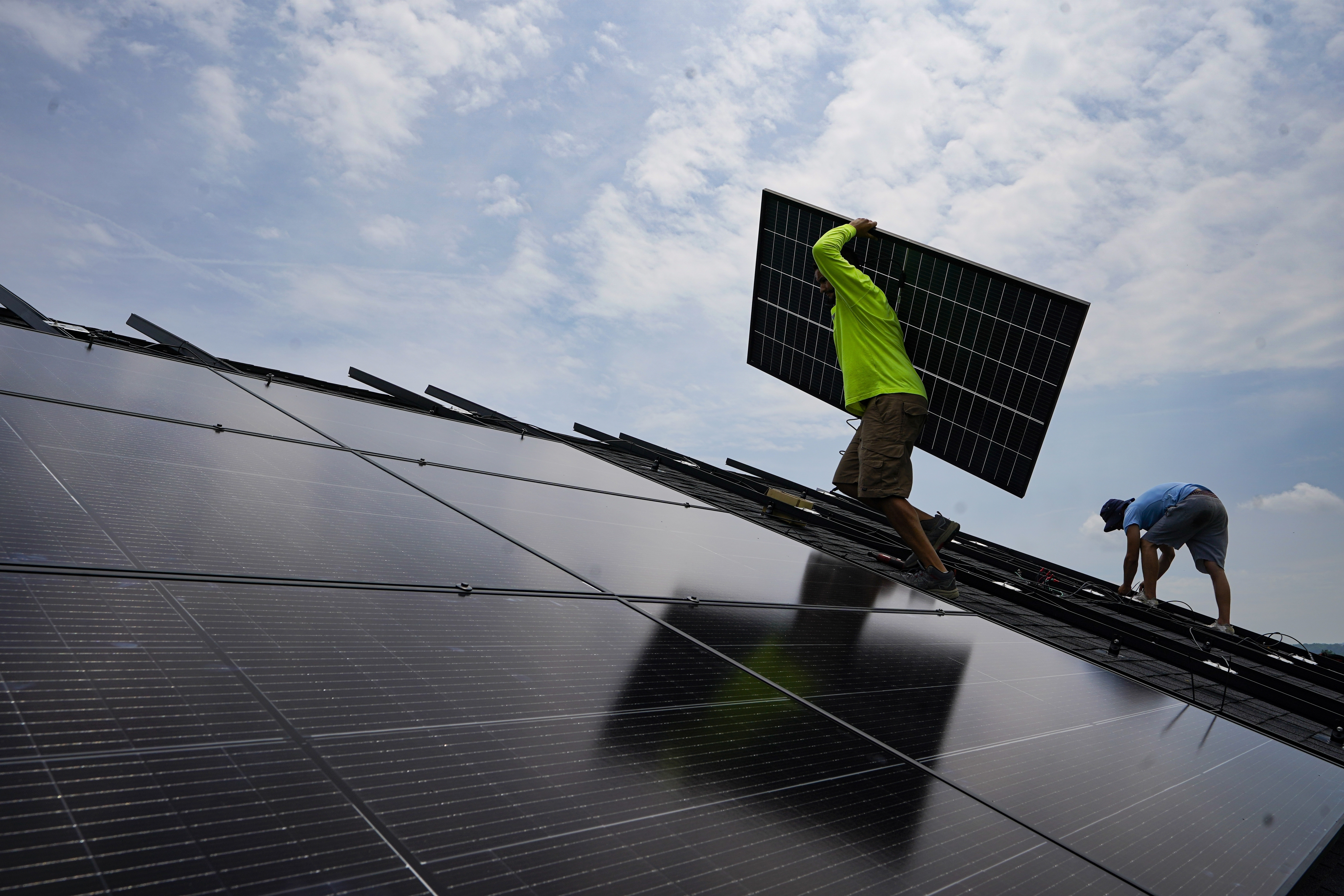
A group of Senate Republicans, led by Joni Ernst, is pushing to amend a bill to preserve wind and solar tax credits from the 2022 climate law, amid a broader debate over energy subsidies and policies influenced by Trump. The outcome hinges on Senate votes and could impact renewable energy projects and energy costs.
Senate Majority Leader John Thune faces internal conflicts over key provisions in the upcoming tax-and-spending package, including Medicaid funding, state-and-local-tax deductions, and green energy credits, amid ongoing negotiations and disagreements within the Republican Party.
The estimated cost of President Biden’s clean-energy and climate agenda has doubled since the Inflation Reduction Act was signed into law, largely due to forecasters' belief that the law will be more popular than expected, partly because of the way the Biden administration wrote certain regulations. The law includes tax credits and subsidies for low-emission energy technologies, with uncapped credits for incentives like building solar-panel or wind-turbine factories and buying electric vehicles, leading to increased federal deficits. The new forecasts project that the energy incentives in the law will cost about twice the original estimate over the next decade, through 2033.
Over 60,000 protesters gathered in Bern, Switzerland, demanding stronger policies to combat climate change ahead of the national election. The protest reflects growing public frustration with the slow pace of policy-making despite evidence of the impact of global warming. Switzerland's glaciers have shrunk by 10% in two years, and September was the hottest on record. The Green Party, which aims to boost its presence in the upcoming legislative poll, estimated the number of participants. The protesters called for a change in government to achieve rapid and effective climate protection, as Switzerland's current policies are deemed insufficient by experts.
The Biden administration's climate law aims to attract private capital to clean energy, and one man in Wyoming is looking to leverage the state's wealthy residents and natural resources to spur green energy investment. Nathan Wendt, president of the Jackson Hole Center for Global Affairs, sees an opportunity for Jackson, a town with high-income residents, to become a magnet for clean energy projects. Wyoming's geology and existing infrastructure make it well-suited for carbon capture technologies and hydrogen development, both of which are incentivized by the law. Investors and companies across the country have shown interest in the law, with estimates suggesting that Wyoming could see the largest per capita investment related to the legislation.
President Joe Biden's climate law, the Inflation Reduction Act, has led to a surge in clean energy spending across the United States, particularly in GOP-held districts. While some communities welcome the federal tax incentives aimed at accelerating renewable energy development and electric vehicle deployment, others view the law as a means of benefiting Chinese businesses and expanding their government's influence. The law's benefits are disproportionately benefiting conservative areas, potentially influencing voter perceptions of Biden as he seeks reelection. The law has sparked controversy in places like Michigan, where a battery manufacturing facility has faced opposition due to concerns over Chinese ties, and in Oklahoma, where a solar cell and panel manufacturing facility has drawn mixed reactions. In New York, the law is offering hope for an industrial reboot in the Hudson Valley, with a Canadian company planning to make batteries for electric vehicles and electric grids.
Swiss voters have approved a global minimum tax on businesses and a climate law that aims to cut fossil fuel use and reach zero emissions by 2050. The business tax will be raised to the 15% global minimum rate from the current average minimum of 11%, while the climate law has been brought back in a modified form after it was rejected in 2021. Voters also approved to extend some provisions of the country's emergency COVID-19 law. The proposals have been backed by business groups, most political parties, and the general public.
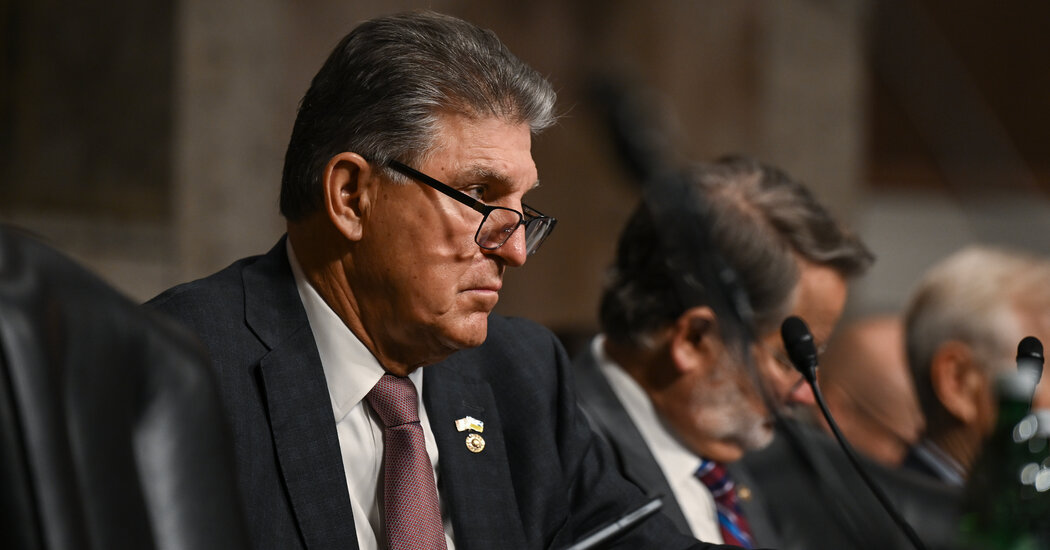
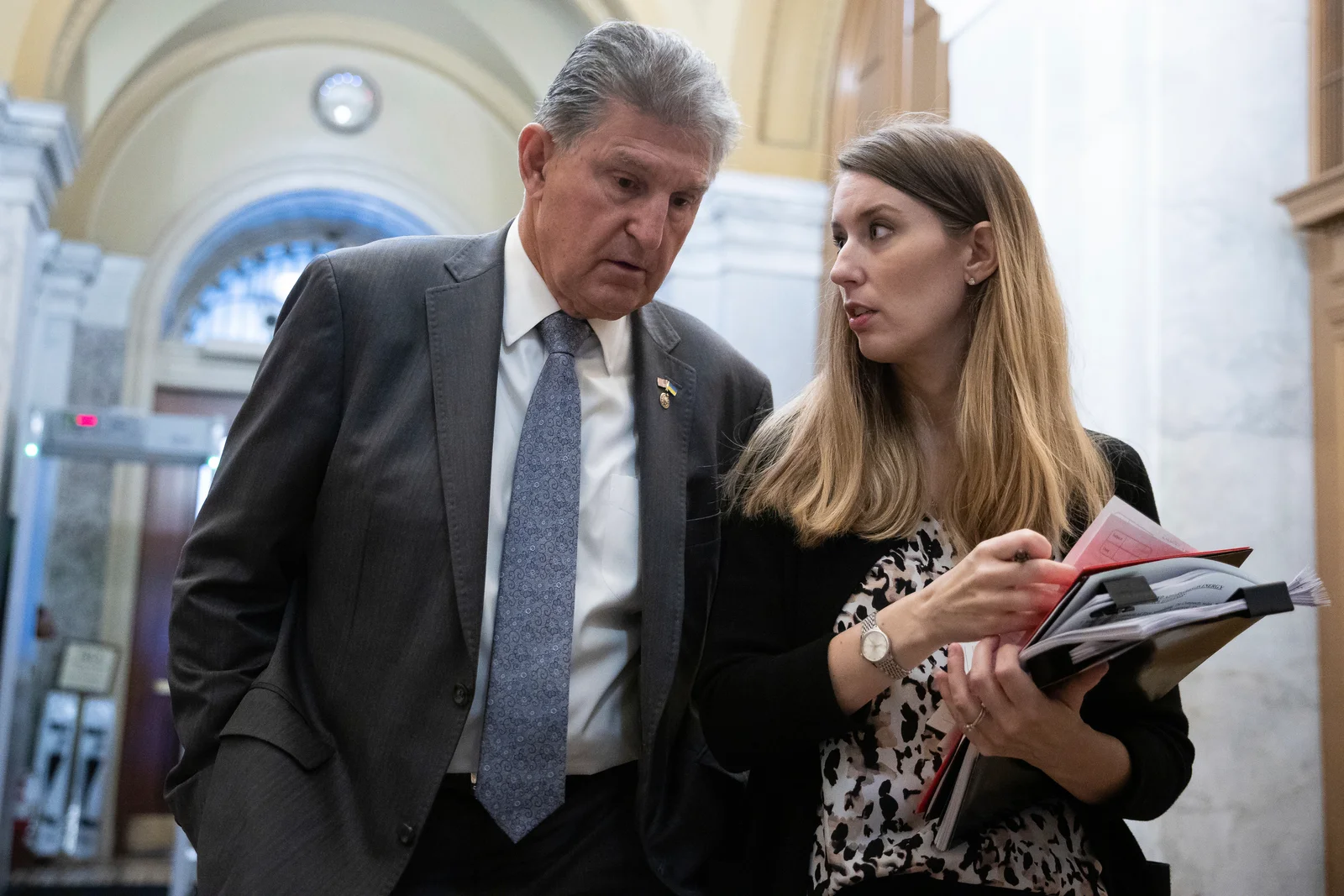
Senator Joe Manchin III, the conservative West Virginia Democrat who helped write the Inflation Reduction Act, has clashed with the Biden administration over its "radical climate agenda" and threatened to repeal the measure he helped write. Manchin, who has a personal financial interest in the coal industry, has also vowed to block all Environmental Protection Agency nominees over a proposal to target power plant emissions. He is up for re-election next year and has been flirting with a presidential run of his own.
Senator Joe Manchin's criticisms of the Biden administration's implementation of the Inflation Reduction Act, particularly its electric vehicle tax credits, have caused tension within the Democratic Party. Manchin has threatened to join Republicans in voting to repeal the law, which includes climate and health care provisions, and has also supported GOP resolutions disapproving of the administration's energy and environmental policies. Some Democrats fear that Manchin's criticisms will confuse the public about the law's provisions, while others argue that the administration is carrying out the law that Congress passed.
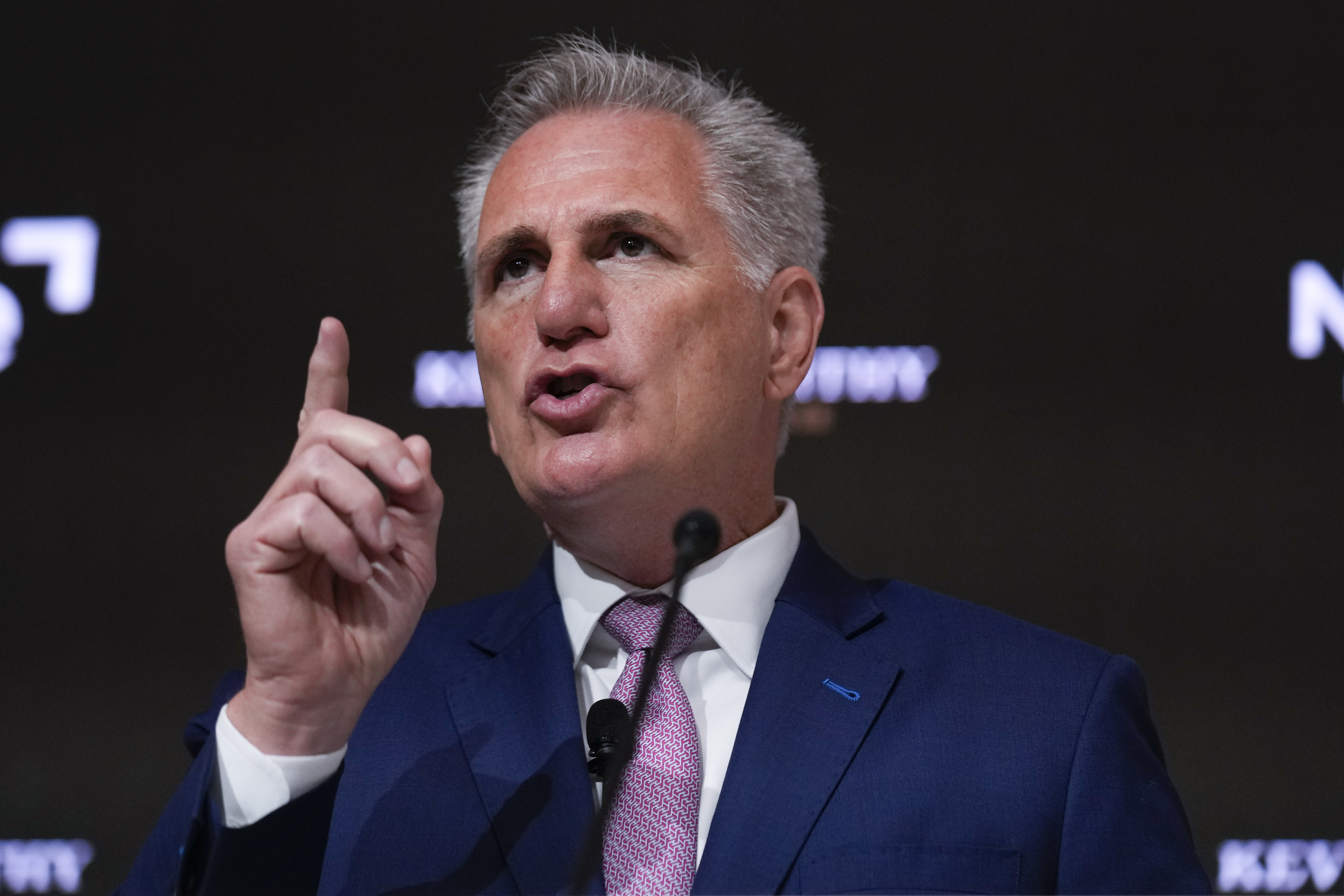
House Republicans’ proposal for raising the federal debt limit seeks to repeal green energy tax incentives established under Democrats’ Inflation Reduction Act, including solar and wind manufacturing production tax credits. The White House argues that gutting the law would wipe out tens of thousands of jobs that the law is creating in Republican-held states. The GOP bill would enact the party’s marquee energy bill, H.R.1 (218), which includes easing permitting rules for new energy infrastructure and mining projects. The Republican proposal also includes more partisan elements of their energy bill, which would mandate more oil and gas lease sales on federal lands, ease restrictions on natural gas exports, and repeal a fee that the IRA imposed on methane emissions from oil and gas operations.
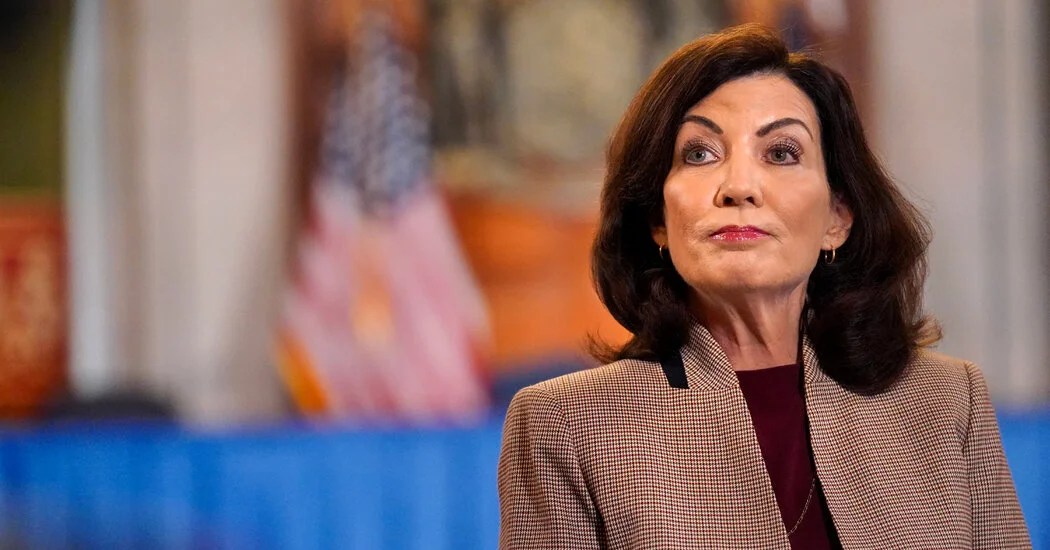
New York Governor Kathy Hochul has backed down from her proposal to revise the state's landmark climate law, which critics said would have weakened the measure. Hochul had proposed changes to the 2019 Climate Leadership and Community Protection Act, including altering the time frame used to measure greenhouse gas emissions, which would have benefited the energy industry. Environmentalists argued that the change would underplay the impact of methane, a potent gas that dissipates in the atmosphere more quickly than carbon dioxide. Hochul's administration insists that the accounting method should be changed, noting that the current approach includes some emissions that occur in other states, adding to costs for New Yorkers.
New York Governor Kathy Hochul's climate officials have dropped a proposal to rewrite the state's climate law amid criticism from environmental advocates and lawmakers. The proposal aimed to change how New York accounts for its emissions, but it is no longer a priority in budget negotiations. The state is still seeking a deal on "cap and invest," which would set up an auction for emissions allowances and drive increased gas and energy prices that would include a rebate to consumers to cushion the cost at the pump. New York's climate law was the most ambitious statutory mandate in the nation requiring emissions reductions when it passed in 2019.