Tag

Adverse Childhood Experiences

All articles tagged with #adverse childhood experiences

Childhood Trauma's Long-Term Impact on Mental Health and Pain

Originally Published 4 months ago — by Medical Xpress

Featured image for Childhood Trauma's Long-Term Impact on Mental Health and Pain
Source: Medical Xpress

A study from the University of Aberdeen found that childhood trauma, especially multiple adverse experiences, is strongly linked to mental health issues and chronic pain at age 50, with women being more affected than men, highlighting the importance of early intervention and prevention.


"Strong Adult Bonds Improve Mental Health for Kids in Adversity"

Originally Published 2 years ago — by Neuroscience News

Featured image for "Strong Adult Bonds Improve Mental Health for Kids in Adversity"
Source: Neuroscience News

A study from Columbia University found that positive relationships with parents and other adults during childhood are associated with better mental health in adulthood, regardless of exposure to adverse childhood experiences. The research, focusing on marginalized and minoritized youth, emphasizes the importance of supportive adult connections as a resilience factor against mental disorders. The study also highlighted the need for interventions that foster supportive relationships for children facing adversity and suggested the need for broader resilience strategies beyond traditional predictors.

The Impact of Childhood Trauma on Cannabis Use: Unveiling Mindfulness Connections

Originally Published 2 years ago — by PsyPost

Featured image for The Impact of Childhood Trauma on Cannabis Use: Unveiling Mindfulness Connections
Source: PsyPost

A study published in Mindfulness has found that different components of mindfulness have varying effects on the link between childhood trauma and heavy cannabis use. The study, conducted on university students, revealed that the facets of awareness and nonjudgment were negatively associated with childhood trauma and cannabis use, indicating that higher implementation of these components was linked to lower cannabis use. On the other hand, the observe facet was positively associated with childhood trauma and cannabis use, suggesting that higher implementation of this component was associated with higher cannabis use. The study highlights the importance of examining individual components of mindfulness in understanding their impact on the relationship between childhood trauma and drug use.

The Impact of Parental Feedback on Depressed Teens' Mental Health

Originally Published 2 years ago — by Hindustan Times

Featured image for The Impact of Parental Feedback on Depressed Teens' Mental Health
Source: Hindustan Times

Parental feedback, whether positive or negative, can significantly impact a child's mental health and well-being. Adverse childhood experiences (ACEs), such as domestic violence or divorce, can have long-lasting effects on a child's emotional resilience and psychological development. It is important for parents to provide supportive and nurturing feedback to create a healthy home environment. Seeking professional assistance and open communication about mental health issues are crucial in positively influencing a child's well-being.

Understanding the Link Between Childhood Traumas and Depression Outcomes

Originally Published 2 years ago — by PsyPost

Featured image for Understanding the Link Between Childhood Traumas and Depression Outcomes
Source: PsyPost

A study published in the Journal of Affective Disorders suggests that adverse childhood experiences (ACEs) can lead to increased severity of symptoms and worse treatment outcomes for individuals with depression. The study found that individuals who experienced three or more ACEs, particularly violence and sexual trauma, had higher depression scores, more lifetime suicide attempts, and more inpatient admissions. The findings highlight the importance of considering both cumulative risk models and individual risk models when analyzing the effects of childhood trauma on depressive symptoms and treatment outcomes. However, the study's reliance on self-report measures and lack of information about the timing and severity of childhood traumas are limitations.

Childhood Trauma Accelerates Epigenetic Aging, Study Finds.

Originally Published 2 years ago — by Medical Xpress

Featured image for Childhood Trauma Accelerates Epigenetic Aging, Study Finds.
Source: Medical Xpress

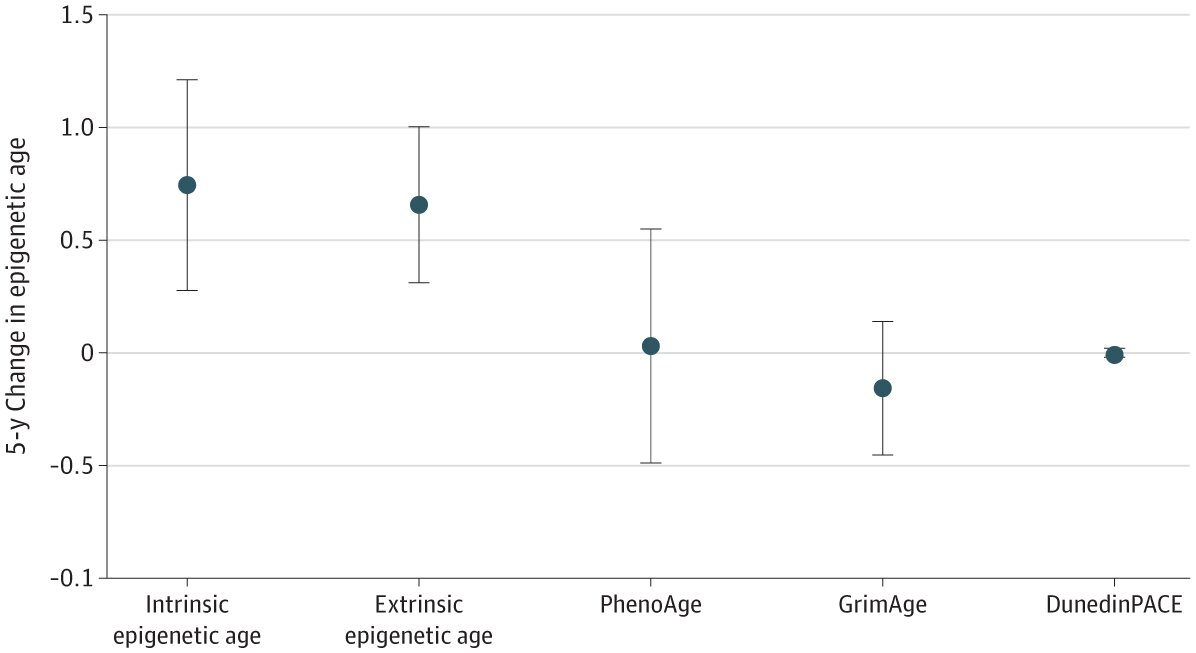
A study led by Northwestern University Feinberg School of Medicine has found that adverse childhood experiences (ACEs) are linked to changes in epigenetic age acceleration. Researchers used data from the Coronary Artery Risk Development in Young Adults (CARDIA) study and found that participants with four or more ACEs had older epigenetic ages than their chronological ages, independent of their socioeconomic status in early or later life. The study suggests that ACEs may play a role in various epigenetic pathways that persist late in life and may be associated with preclinical conditions and overt diseases.

The Dangers of Ignoring Emotion Regulation

Originally Published 2 years ago — by Big Think

Featured image for The Dangers of Ignoring Emotion Regulation
Source: Big Think

Emotion regulation skills can be learned at any point in life, including childhood. When we don’t learn how to regulate our emotions, we end up meeting emotion regulation’s evil twin, emotion dysregulation. Emotion dysregulation has been linked to unhealthy risk-taking, relationship challenges, and negative physical health outcomes. Childhood maltreatment and adverse childhood experiences (ACEs) are barriers to developing emotion regulation skills and impact brain development. ACEs are linked to chronic health conditions, mental health disorders, and substance use in adolescence and adulthood.

Childhood Maternal Antipathy Linked to Aberrant Adult Brain Reactions to Social Rewards.

Originally Published 2 years ago — by PsyPost

Featured image for Childhood Maternal Antipathy Linked to Aberrant Adult Brain Reactions to Social Rewards.
Source: PsyPost

A neuroimaging study of adults with varying levels of adverse childhood experiences showed that participants reporting higher levels of maternal antipathy (in childhood) exhibited reduced activation in the brain reward network when they anticipated social rewards. The study sheds light on the neural mechanism linking adverse early experiences to later psychopathology.