
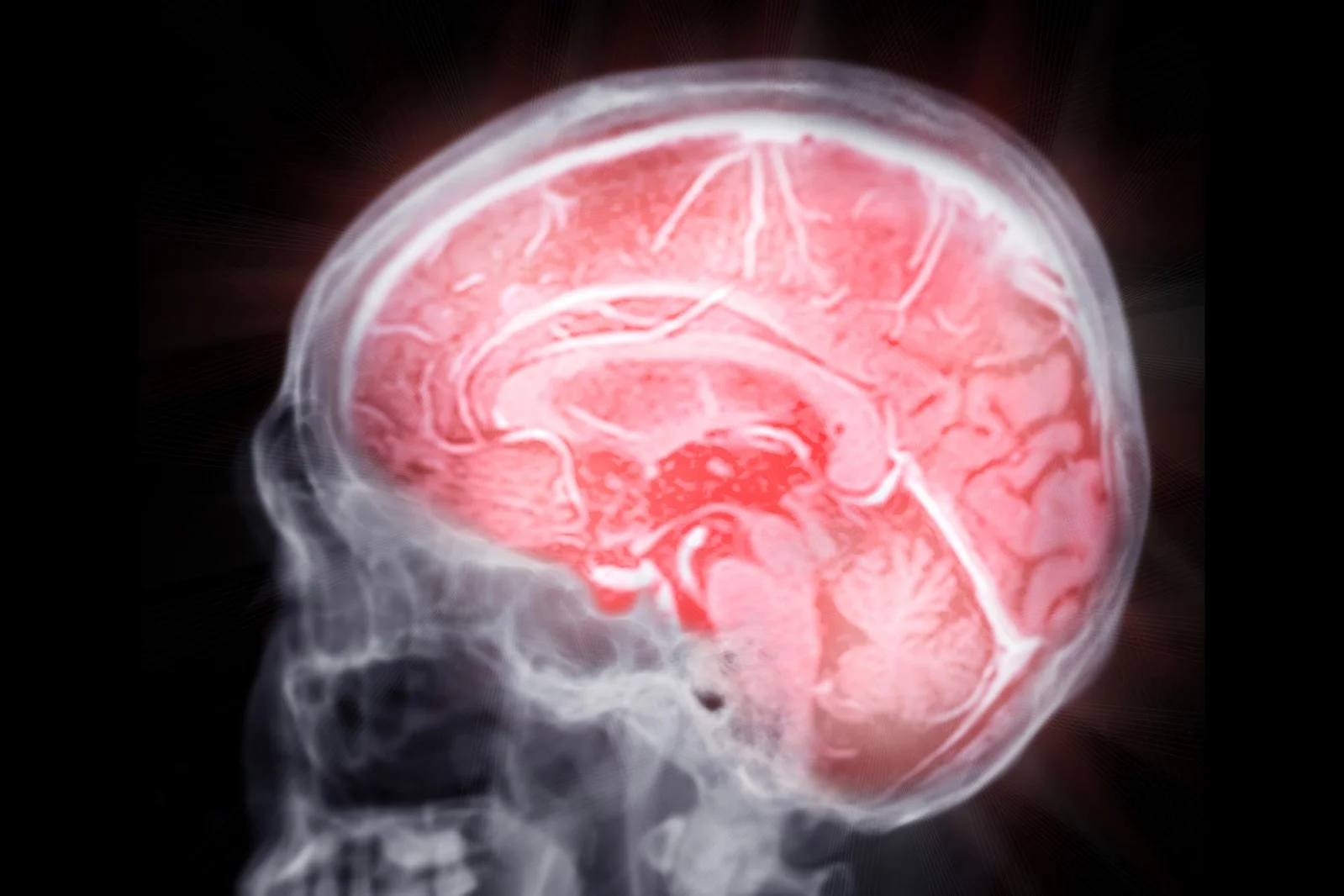
Scientists have discovered two brain receptors, SST1 and SST4, that regulate the breakdown of amyloid beta, a protein linked to Alzheimer's disease. Activating these receptors increases neprilysin levels, reduces amyloid plaques, and improves memory in models, suggesting a potential new, safer, and less expensive treatment approach compared to current antibody therapies.

Yale researchers found that autistic adults have reduced availability of the mGlu5 glutamate receptor across the brain, supporting the theory that an imbalance in excitatory and inhibitory signaling contributes to autism traits. EEG data correlated with receptor levels suggest a potential accessible diagnostic tool, and targeting mGlu5 could lead to new treatments. The study offers rare molecular insight into autism, with future research planned in children and individuals with intellectual disabilities.