The US economy experienced strong growth in the third quarter with a 4.3% annualized GDP increase, driven by consumer spending, exports, and government expenditure, despite political and trade uncertainties. This robust performance complicates the Federal Reserve's decision on interest rates amid inflation concerns and a mixed jobs market, with recent government shutdowns impacting data collection.
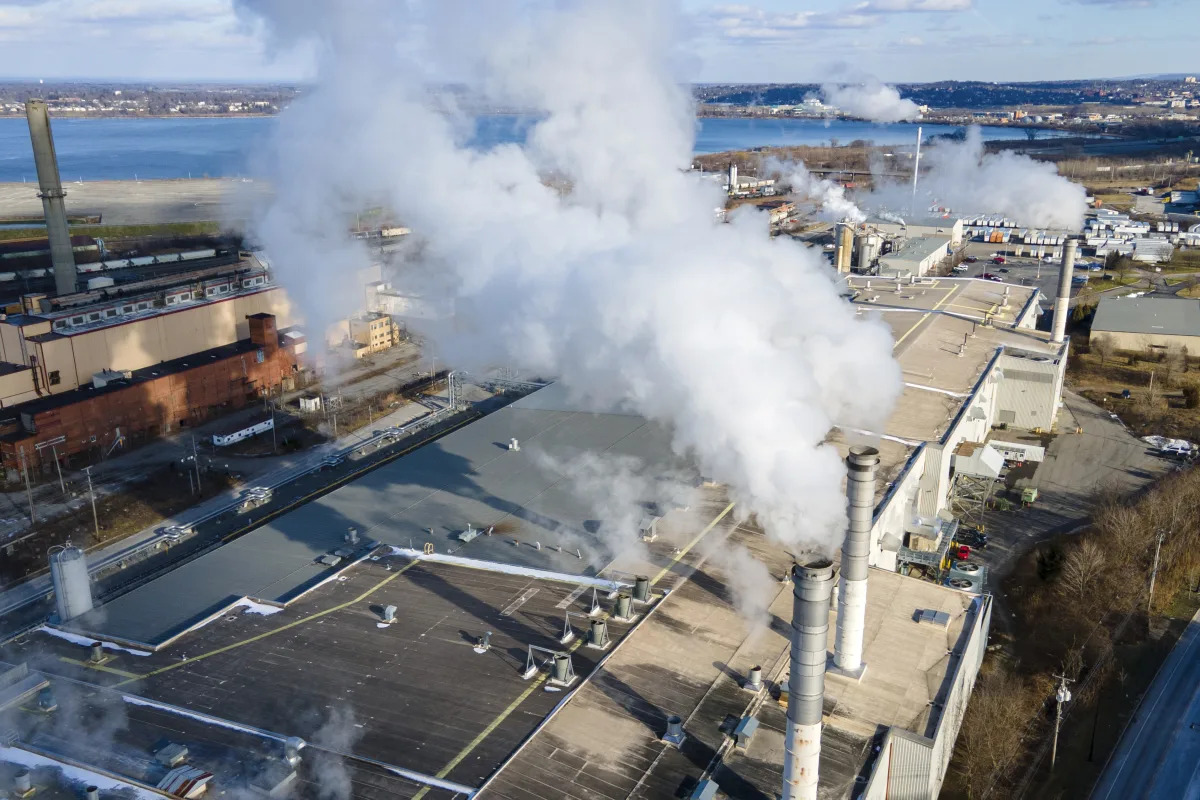
President Trump signed a proclamation granting two years of regulatory relief from Biden-era EPA restrictions on copper smelting to support national security and economic stability, recognizing that overly restrictive environmental standards threaten domestic industry and mineral independence.
Major US banks reported strong third-quarter earnings, highlighting robust credit portfolios and a booming investment banking sector, despite recent auto company bankruptcies raising concerns about potential hidden risks in the economy.
Chinese exports surged 8.3% in September, driven by strong growth in markets outside the US like the EU and Southeast Asia, despite US tariffs and trade tensions, indicating resilience and potentially emboldening Beijing in trade negotiations.
Weekly US jobless claims unexpectedly declined while Q2 GDP was revised upwards to 3.8%, indicating economic resilience. The Federal Reserve is weighing further rate cuts amid mixed signals on employment and inflation, with debates ongoing about the pace of future easing. Stock markets reacted negatively to the data, and investors are now focusing on upcoming inflation reports.
The US dollar reached its highest level in over five weeks amid expectations of strong economic data and a stable Federal Reserve policy, boosting the currency against other major peers and shifting market focus from trade uncertainties to US economic strength.
The US dollar has gained strength as the US economy remains resilient despite the imposition of tariffs, indicating investor confidence and economic stability.
Major NYC real estate dealmakers are confident in the strength of Manhattan's commercial market despite Zohran Mamdani's socialist platform and potential mayoral victory, with the industry citing robust leasing activity, low vacancy rates, and ongoing development as signs of resilience against political threats.
Despite geopolitical tensions, trade uncertainties, and global conflicts, the stock market has rebounded strongly, with major indices approaching new records driven by liquidity, corporate earnings, a resilient economy, and ongoing AI enthusiasm, though volatility may persist in the near term.
Despite concerns that Trump's tariffs would harm the economy and increase inflation, recent indicators show a resilient economy with cooler inflation, improved trade relations, and strong stock markets, though uncertainties remain about the long-term impact of tariffs.
The US economy grew at a 3.4% annual pace in the last quarter of 2023, slightly higher than the previous estimate of 3.2%. Despite a deceleration from the previous quarter, the growth was driven by consumer spending, exports, and business investment. The economy's resilience, with growth above 2% for six consecutive quarters, has defied predictions of a recession despite the Federal Reserve's 11 interest rate hikes. Inflation pressures are easing, with the personal consumption expenditures price index rising at a 1.8% annual rate in the fourth quarter. The report suggests hopes for a "soft landing" as the Fed aims to conquer inflation without triggering a recession.
Despite recent layoff announcements from high-profile companies, US applications for unemployment benefits fell by 9,000 to 218,000 for the week ending Feb. 3. The four-week average of claims increased by 3,750 to 212,250. The Federal Reserve's efforts to cool the economy and combat inflation have not significantly impacted the job market, as the US employers added 353,000 jobs in January, and the unemployment rate remained at 3.7%. However, there has been an uptick in job cuts across technology and media sectors, with companies like Google, eBay, and Snap announcing layoffs.
Despite predictions of a recession, the U.S. economy continues to thrive with robust employment and healthy household spending. The Federal Reserve's actions, including rate hikes and selling off Treasury holdings, have been criticized for eroding market faith in its ability to navigate economic challenges. However, the impact has been slow, and interest expenses for companies have actually declined. While there are pockets of weakness emerging, such as among younger consumers and low-income earners, the overall outlook remains positive. The U.S. economy is expected to experience a brief and shallow recession followed by a bounce back, thanks to a shortfall of vacancies and cushion before consumer spending softens.
U.S. Trade Representative Katherine Tai has stated that the United States is collaborating closely with its trading partners in the Indo-Pacific region to enhance economic resilience. The Indo-Pacific Economic Framework (IPEF) initiative, launched by President Joe Biden, aims to announce several initiatives soon. Tai emphasized the need for cooperation to promote sustainability, resilience, and inclusivity, and highlighted the importance of not waiting for lengthy trade negotiations. The IPEF, which includes countries such as Australia, Japan, and South Korea, serves as the Biden administration's primary economic strategy in Asia and is seen as a way to counteract China's influence in the region. Further details about the IPEF initiatives will be revealed during the Asia-Pacific Economic Cooperation (APEC) summit next month.
The stock market is not being spooked by the potential for another interest rate hike from the Federal Reserve, as corporate America remains unfazed and continues with business activities. Executives from companies like Cisco and General Mills express confidence in their capital allocation and growth strategies, indicating that they are not overly concerned about the Fed's actions. Despite uncertainties surrounding the Fed, deal activity and IPOs are expected to continue in 2023, suggesting economic resilience and the possibility of a soft landing in 2024.