Goldman Sachs Research predicts the S&P 500 will rally 12% in 2026, driven by moderate economic growth, continued AI investment, and strategic sector rotations, despite concerns about market concentration and valuation levels.
US stocks reached new highs driven by sector rotation and hopes for interest rate cuts, with market sentiment supported by strong retail flows and positive economic signals, despite geopolitical and economic uncertainties. Investors are eyeing AI developments and macroeconomic data to gauge future gains, with analysts predicting continued growth in 2026.
The article discusses the potential for a stock market crash in 2026, highlighting uncertainties like AI's limited returns and economic vulnerabilities, and suggests diversifying into defensive stocks like Rio Tinto as a precaution.
Global stocks and bonds experienced their strongest cross-asset rally since 2009 in 2025, driven by AI enthusiasm, easing inflation, and supportive policies, but concerns remain about the sustainability of this growth and the risks of a diversification mirage as markets enter 2026.
The article predicts a subdued stock market in 2026, with expectations of modest gains or slight declines, influenced by midterm election risks, potential economic growth surprises, and the evolving AI investment landscape, making a significant rally unlikely and caution advisable.
Modest global economic growth is expected in 2026, driven by policy support, AI capital expenditure, and resilient markets, with the US leading the recovery. Inflation remains sticky, and the dollar is projected to decline, while risks include policy uncertainties and geopolitical tensions.
The media and entertainment industry is experiencing a significant wave of mergers, acquisitions, and strategic deals through 2025 and into 2026, driven by streaming consolidation, local broadcast ownership changes, and investments in AI, with key players including Netflix, Warner Bros, Disney, and Middle Eastern investors. Regulatory and political factors, including potential deregulation under Trump, influence deal flow, while companies focus on profitability and scale amid industry reinvention.
Billionaire hedge fund manager Philippe Laffont has invested about a third of his portfolio in six AI stocks, including Meta, Microsoft, TSMC, Amazon, Nvidia, and Alphabet, which he believes will dominate in 2026 due to the booming AI industry and increased data center spending. These stocks are positioned to benefit from the growing demand for AI infrastructure and computing power, making them attractive investments as they are currently below their all-time highs.
Despite strong GDP growth driven by AI investment and consumer spending, the US faces a 'jobless boom' with slow job creation, high unemployment, and companies doing more with fewer workers, raising concerns about the future job market.
US GDP growth in Q3 was driven significantly by AI-related investment, with concerns about the sustainability of this growth as much of it relies on massive capital expenditure in AI data centers, funded increasingly by debt, raising questions about potential bubbles and long-term returns.
ByteDance plans to invest $23 billion in AI technology to compete with US technology giants, aiming to strengthen its position in the rapidly evolving AI landscape.
Tech companies are investing heavily in AI infrastructure, particularly data centers and chips, but concerns are rising about the longevity of these investments due to rapid chip degradation, uncertain AI returns, and potential bubble risks, raising questions about the sustainability and economic impact of the AI buildout.
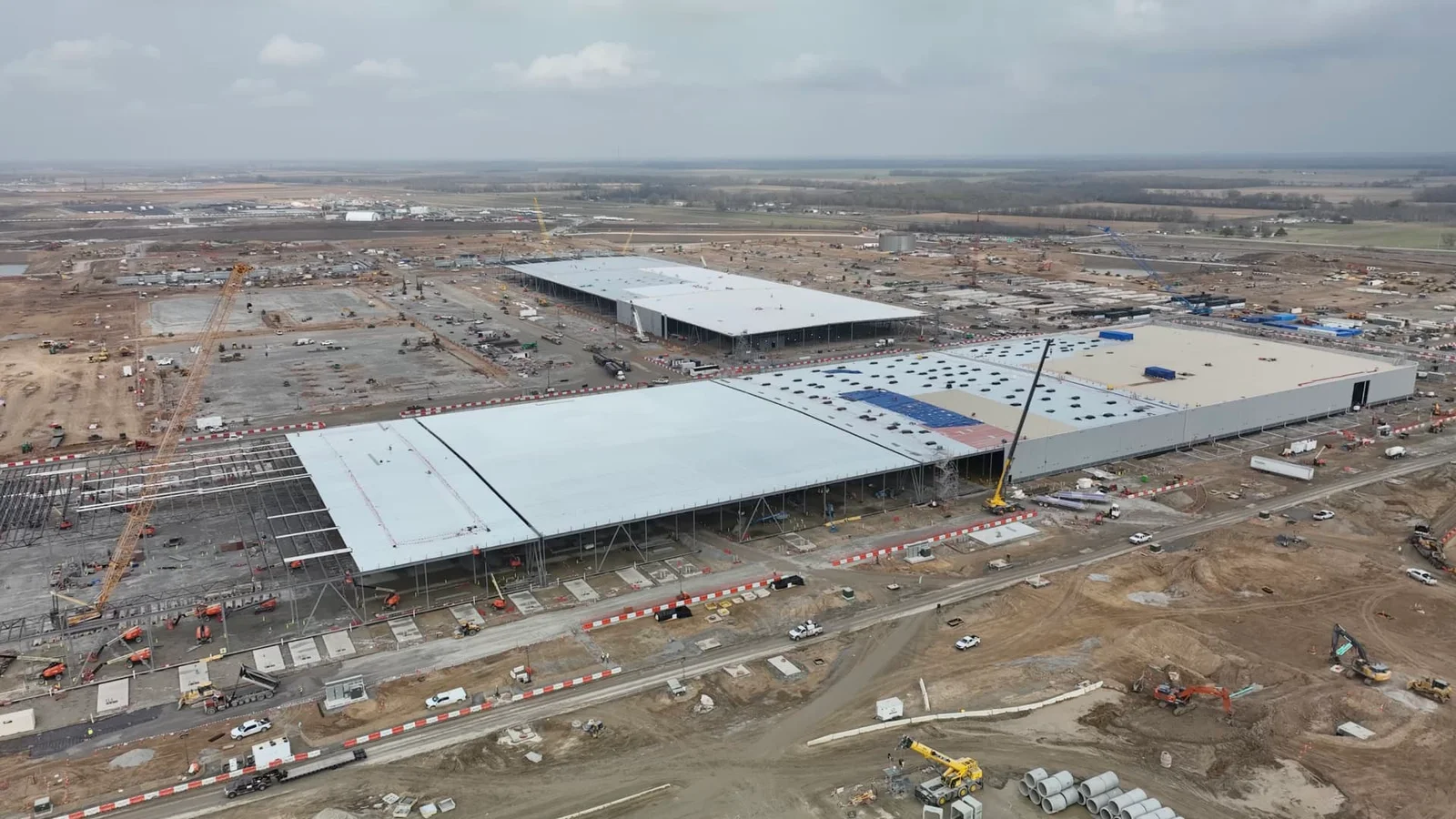
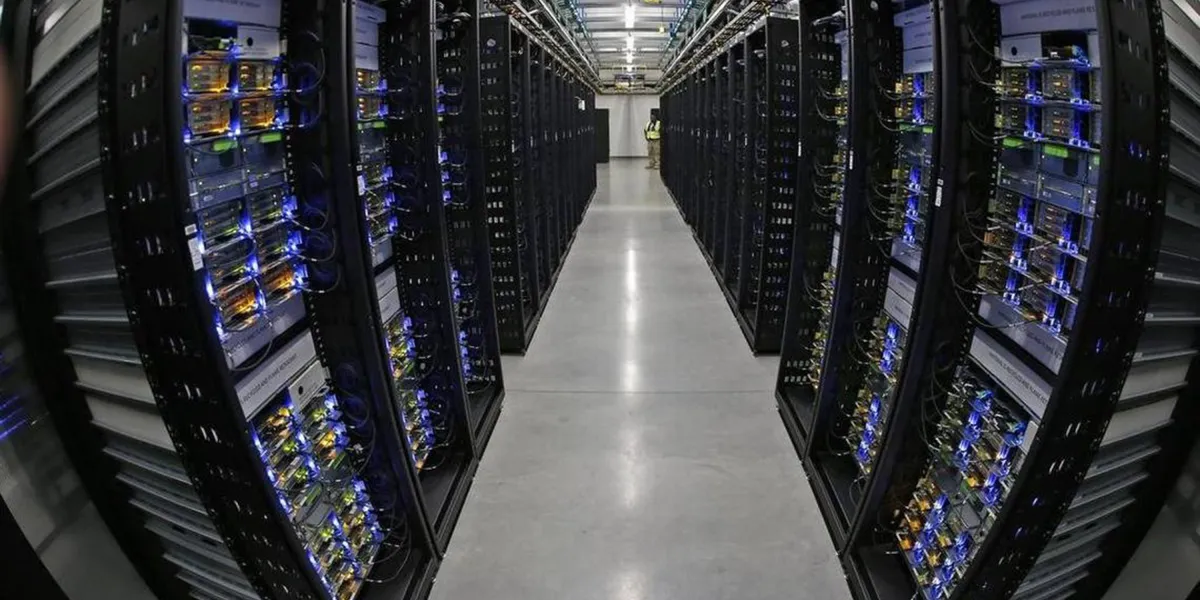
Nearly 3,000 new data centers are planned or under construction across the U.S., driven by AI growth and tech investment, with states like Virginia and Texas leading the expansion. While this boom promises significant economic benefits and job creation, it also raises environmental and community concerns, sparking political debates about the future of data center development.
Investors expect quicker returns from AI investments than CEOs, leading to tension that could impact market winners and losers, with investor impatience possibly disappointing by 2026 despite increased AI spending by companies.
Deloitte's CTO Bill Briggs highlights a concerning 93-7 split in AI spending favoring technology over people, emphasizing the need for a cultural shift and human-centric approach to AI adoption to avoid inefficiencies, loss of trust, and shadow AI issues, especially as physical AI and robotics become more prevalent.