AI has significantly advanced earthquake detection by automating the identification of small earthquakes, especially in noisy environments, using machine learning models like Earthquake Transformer, which outperform traditional methods in speed and sensitivity, though predicting earthquakes remains a challenge.
Scientists have demonstrated that fiber optic cables can be used as highly detailed seismometers to detect and image earthquakes in real-time, potentially revolutionizing early warning systems and earthquake prediction by leveraging existing telecommunications infrastructure.
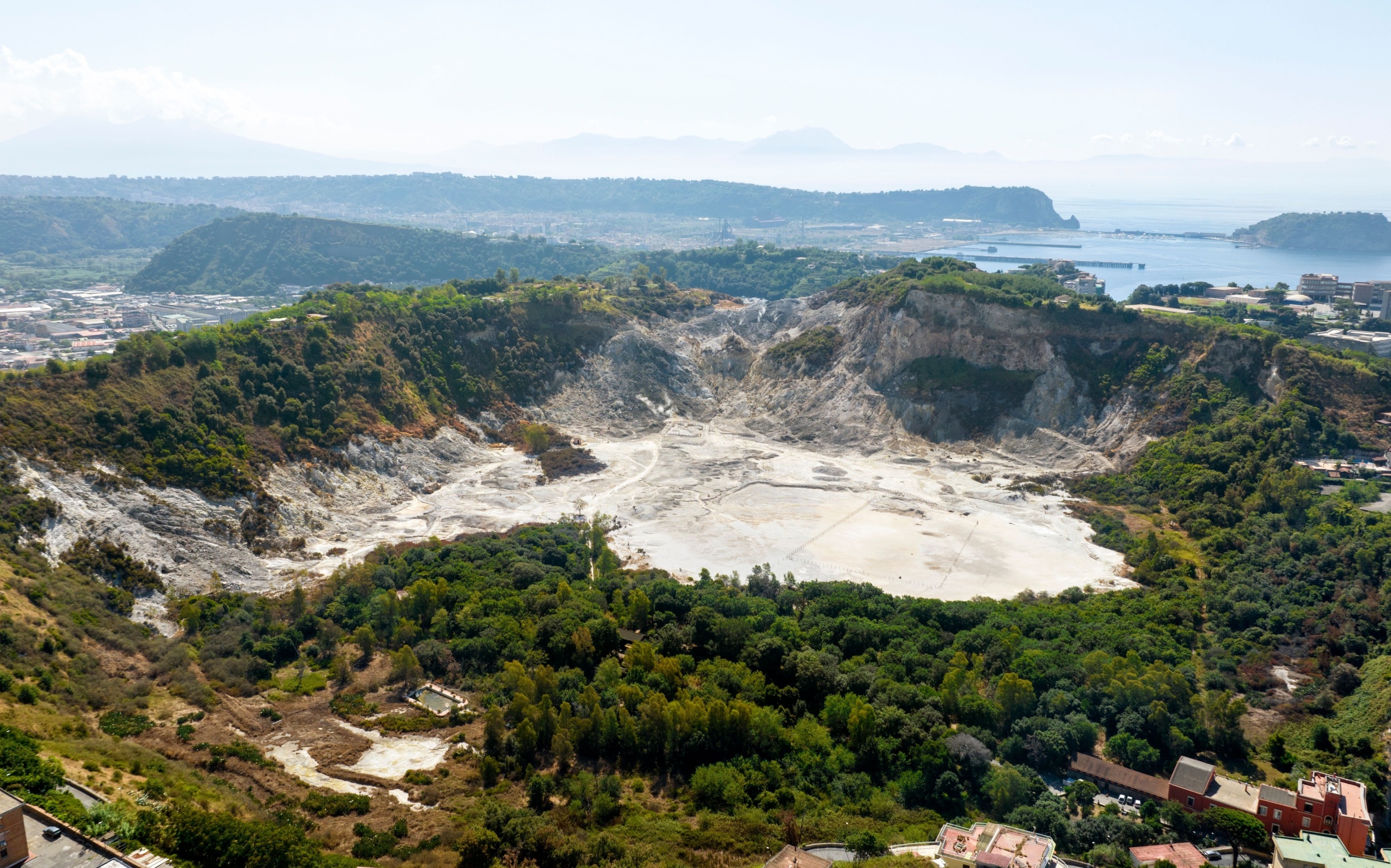
Researchers used AI to analyze seismic data from Italy's Campi Flegrei volcano, revealing increased small earthquakes linked to shallow hydrothermal activity, which improves real-time monitoring and risk assessment without indicating magma movement, aiding safety planning for the densely populated area.
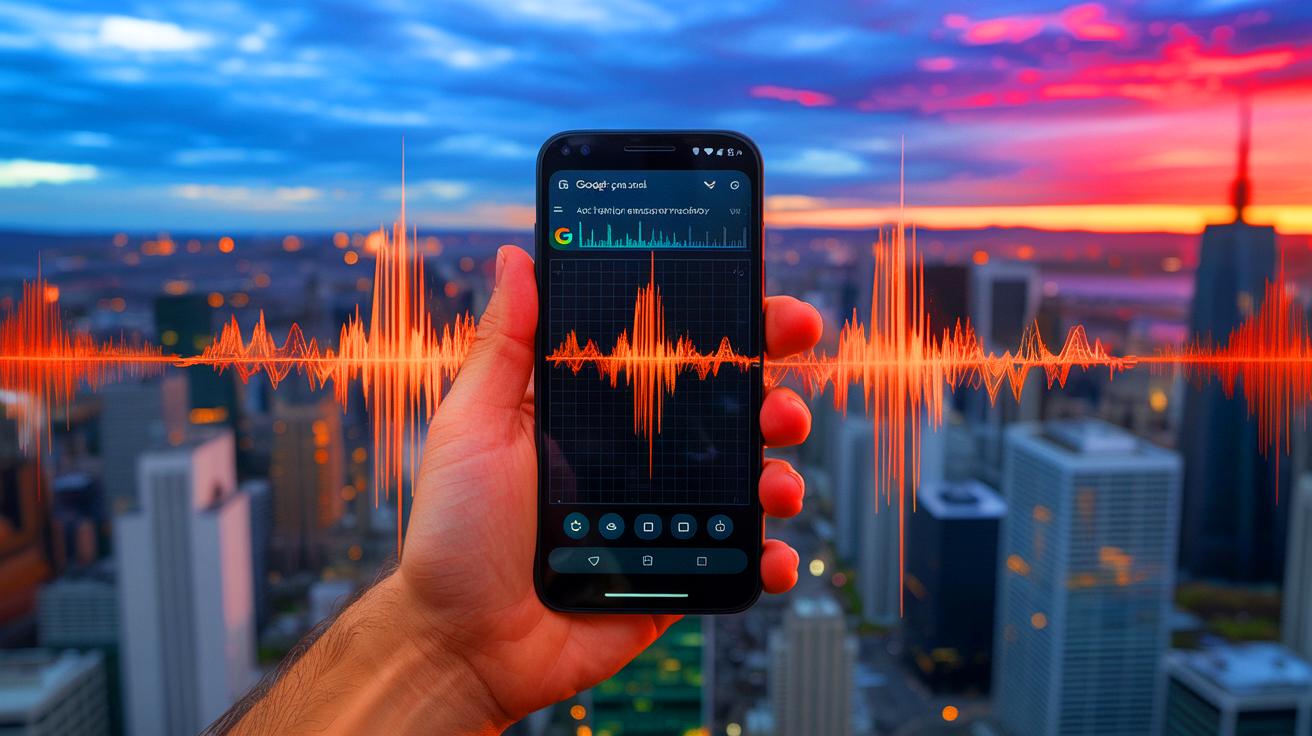
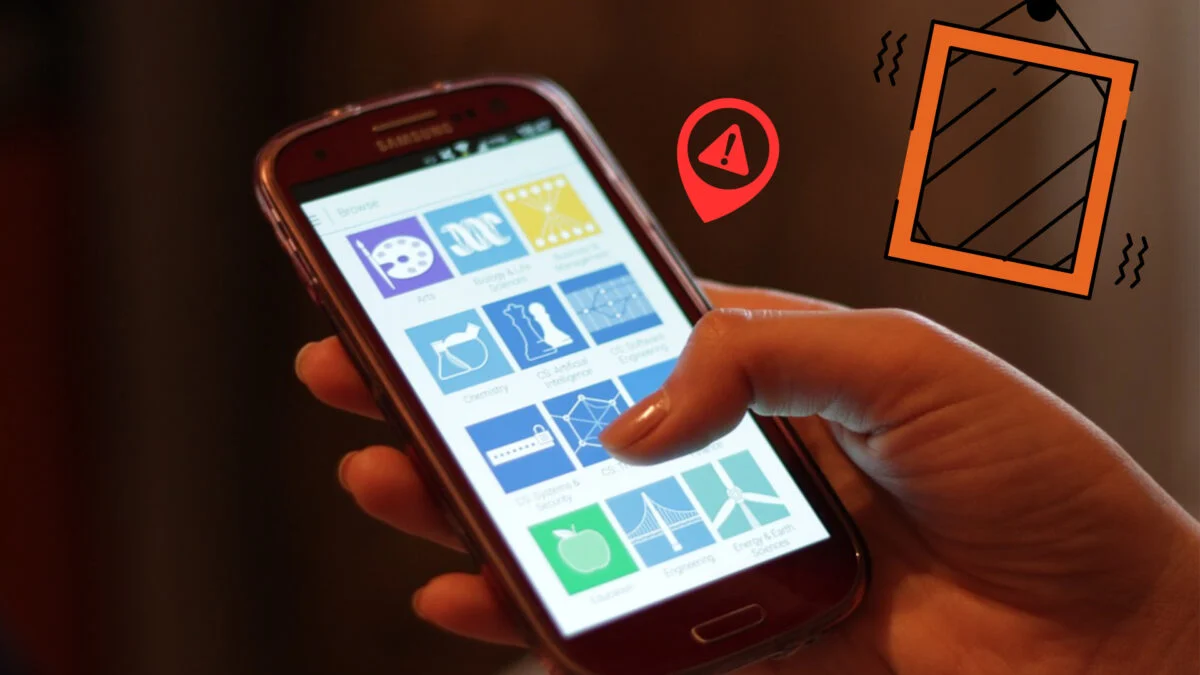
Google's earthquake detection system uses accelerometers in Android phones to identify seismic activity and send alerts across 98 countries, improving disaster response but raising privacy concerns about mass surveillance disguised as safety.
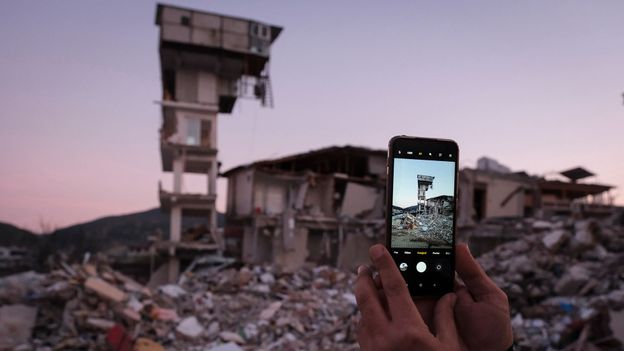
Researchers have developed a global earthquake detection system using Android smartphones' sensors, which can provide early warnings by detecting seismic waves faster than they reach users, potentially saving lives especially in regions lacking traditional seismic infrastructure.
Mobile phones with Android operating systems can detect earthquakes and send data to the Android Earthquake Alerts System, which can combine data from thousands or even millions of other phones to determine whether an earthquake is happening and where. The system can then send out alerts to phones in the area where the seismic waves are likely to hit, giving an early warning. The technology opens up the possibility of monitoring for earthquakes in areas where there aren't extensive networks of expensive seismometers, providing earthquake alerts in even remote and poorer regions of the world. However, the system has its limitations, particularly in remote areas where there are few phone users and in quakes that happen offshore, where they can trigger tsunamis.