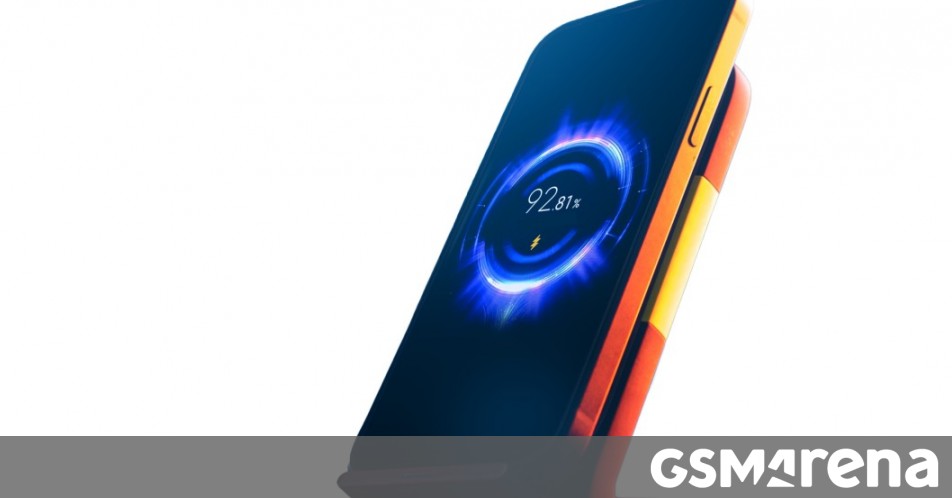
The Wireless Power Consortium has officially launched Qi2 25W, a new wireless charging standard that offers up to 25W power, promising support from major Android smartphones and Apple devices, with hundreds of devices in the certification queue, marking a significant upgrade from the previous 15W standard.
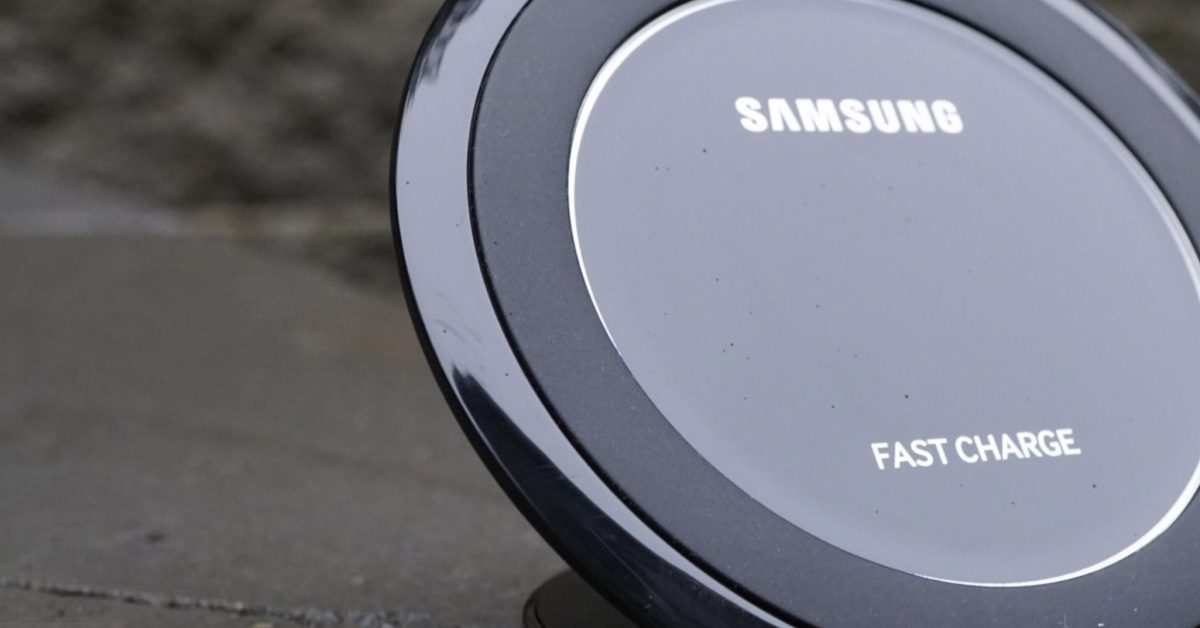
The Wireless Power Consortium has introduced Qi2 25W, a new wireless charging standard promising faster 25W speeds for major Android smartphones and iPhones, aiming to improve interoperability and replace slower 15W charging, with upcoming device support still uncertain.
The Wireless Power Consortium announced Qi2 25W, a faster wireless charging standard boosting power from 15W to 25W, with major Android smartphones and Apple iPhones soon to support it, including upcoming Google Pixel 10 devices.
Researchers have developed a global earthquake detection system using Android smartphones' sensors, which can provide early warnings by detecting seismic waves faster than they reach users, potentially saving lives especially in regions lacking traditional seismic infrastructure.
The article reviews the Nothing Phone 3 and suggests five alternative Android phones—OnePlus 13, Google Pixel 9, Samsung Galaxy S25, Nothing Phone 3a Pro, and Motorola Razr (2025)—highlighting their features, prices, and why they might be better choices depending on user preferences, such as design, camera, battery life, and software experience.
Mobile World Congress showcased new Android smartphones from Xiaomi, Nothing, and others, while also introducing innovative concepts such as generative AI-powered devices like the Humane AI Pin, smart rings, bendable phones, and transparent laptop screens, hinting at a future beyond traditional smartphones. The Vergecast discusses these new gadgets with insights from MWC attendees, highlighting the potential impact of these advancements on the post-smartphone world.
Android smartphones like the OnePlus 12 and Samsung S24 Ultra are now offering impressive battery life, posing a challenge to the previously dominant iPhone 15 Pro Max. The improved performance is attributed to Android 14's better cache management and reduced CPU activity of background apps, resulting in longer battery longevity. With Android devices showing consistency and promising results, further tests will determine how affordable Android models compare against Apple's iPhone 15.
The upcoming iPhone 16 and 16 Plus are rumored to have the same display refresh rate of 60Hz as their predecessors, despite the availability of cheaper Android smartphones with 90Hz refresh rates. This lack of improvement may deter Apple fans looking for more affordable upgrade options, as the 16-series devices are expected to have similar dimensions and appearance to the iPhone 15 series.
A new report suggests that Android smartphones with on-device AI will require significantly more RAM than before. For on-device AI image generation to work flawlessly, phones will need at least 12GB of RAM, while devices with on-device AI assistants and other features may need upwards of 20GB of RAM. This RAM requirement highlights the increasing focus on on-board AI in smartphones released in 2024 and emphasizes the importance of hardware for modern-day, AI-powered devices.
The upcoming Vivo X100 and X100 Pro smartphones are expected to be released globally and may feature the flagship MediaTek Dimensity 9300 chipset. The leak suggests that the X100 Pro will be the preferred choice for power users. The devices are rumored to come to India and will offer high-end 2023 silicon, possibly the same as the Chinese market version. However, one of the models has shown disappointing benchmark scores, possibly due to lower RAM. It is hoped that the performance issues will be resolved before the global release.
Qualcomm is ending its partnership with Iridium to provide technology for connecting Android smartphones directly to Iridium's satellites. Despite successfully developing a chip for satellite connectivity, no smartphone makers have included Qualcomm's technology in their devices. The termination of the agreement is likely due to concerns over pricing and a preference for a standards-based approach. Iridium remains open to working with Qualcomm on a standards-based solution and plans to re-engage with smartphone makers directly. The cancellation does not affect Iridium's financial guidance, and the company expects to generate $1 billion in annual service revenue by 2030.
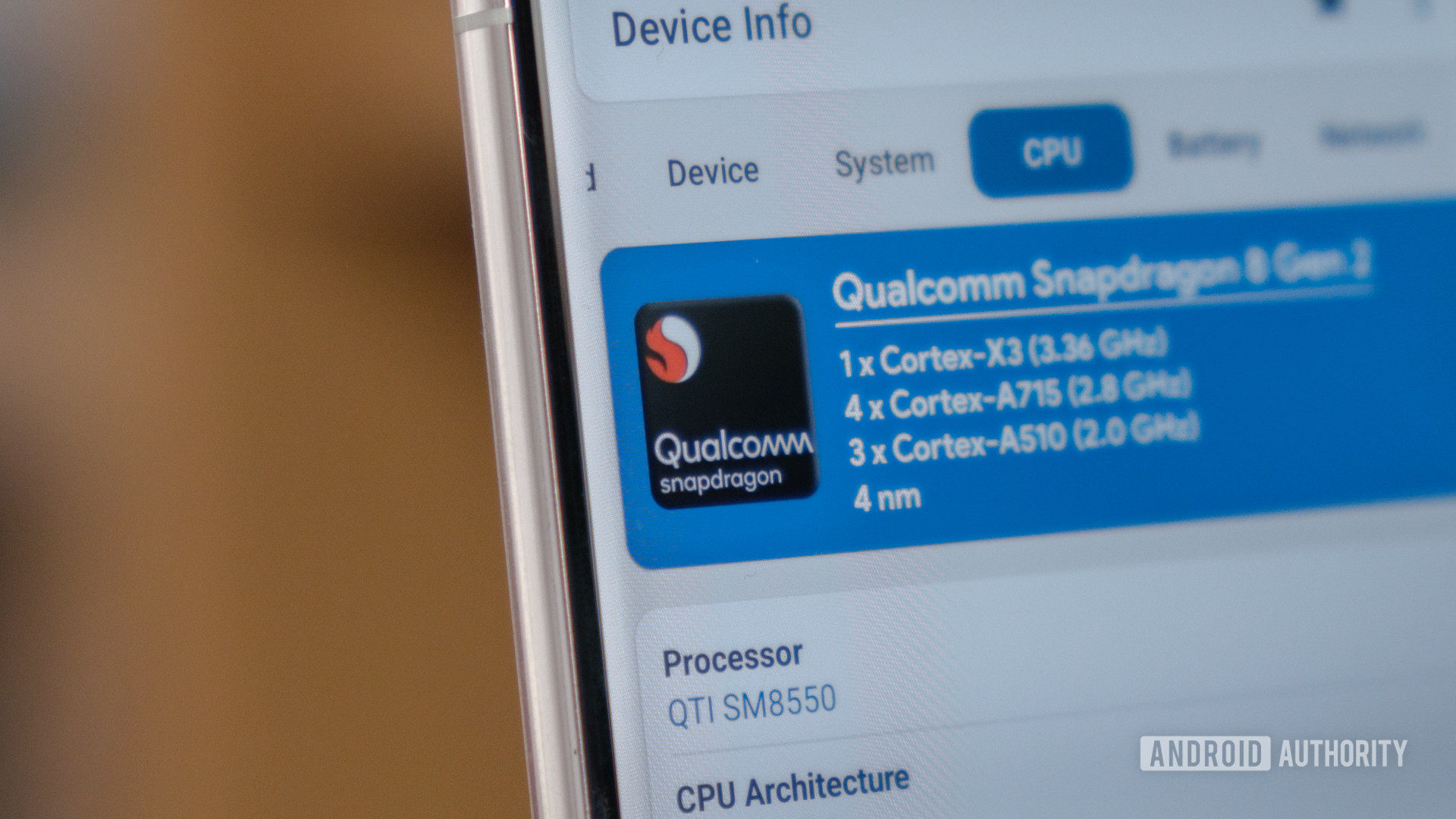
Qualcomm has introduced its latest high-end SoC, the Snapdragon 8 Gen 3, which promises significant performance and efficiency improvements compared to its predecessor, the Snapdragon 8 Gen 2. The new chip features upgraded CPU and GPU configurations, faster clock speeds, improved AI capabilities, support for ray tracing, and enhanced camera and video capture capabilities. Initial benchmarks show impressive performance gains, although sustained performance remains a question. The Snapdragon 8 Gen 3 is expected to power flagship Android smartphones throughout 2024, while the Snapdragon 8 Gen 2 may continue to be used in mid-range and sub-flagship devices.
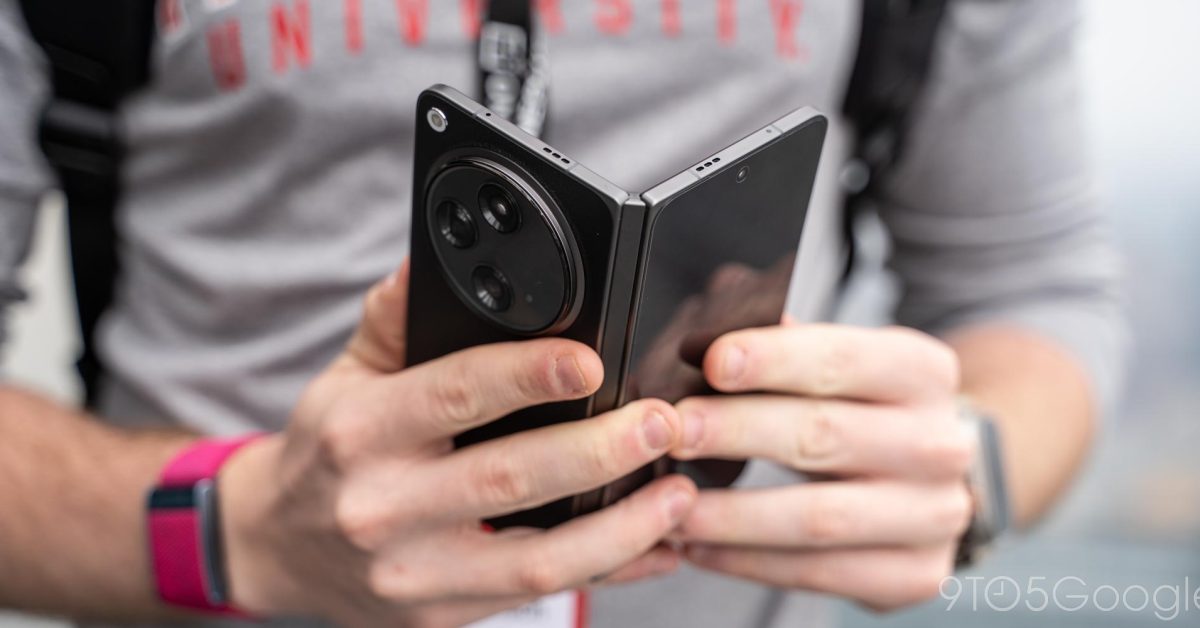
The upcoming OnePlus 12 smartphone, set to debut in December, will feature an IR blaster, a long-lost favorite feature that allows users to control devices such as TVs and soundbars. The return of the IR blaster follows its inclusion in previous OnePlus devices, such as the OnePlus Nord 3 and OnePlus Open foldable, although the company has not heavily marketed this feature. The OnePlus 12 will also showcase a new display, including a 2,600 nit panel.
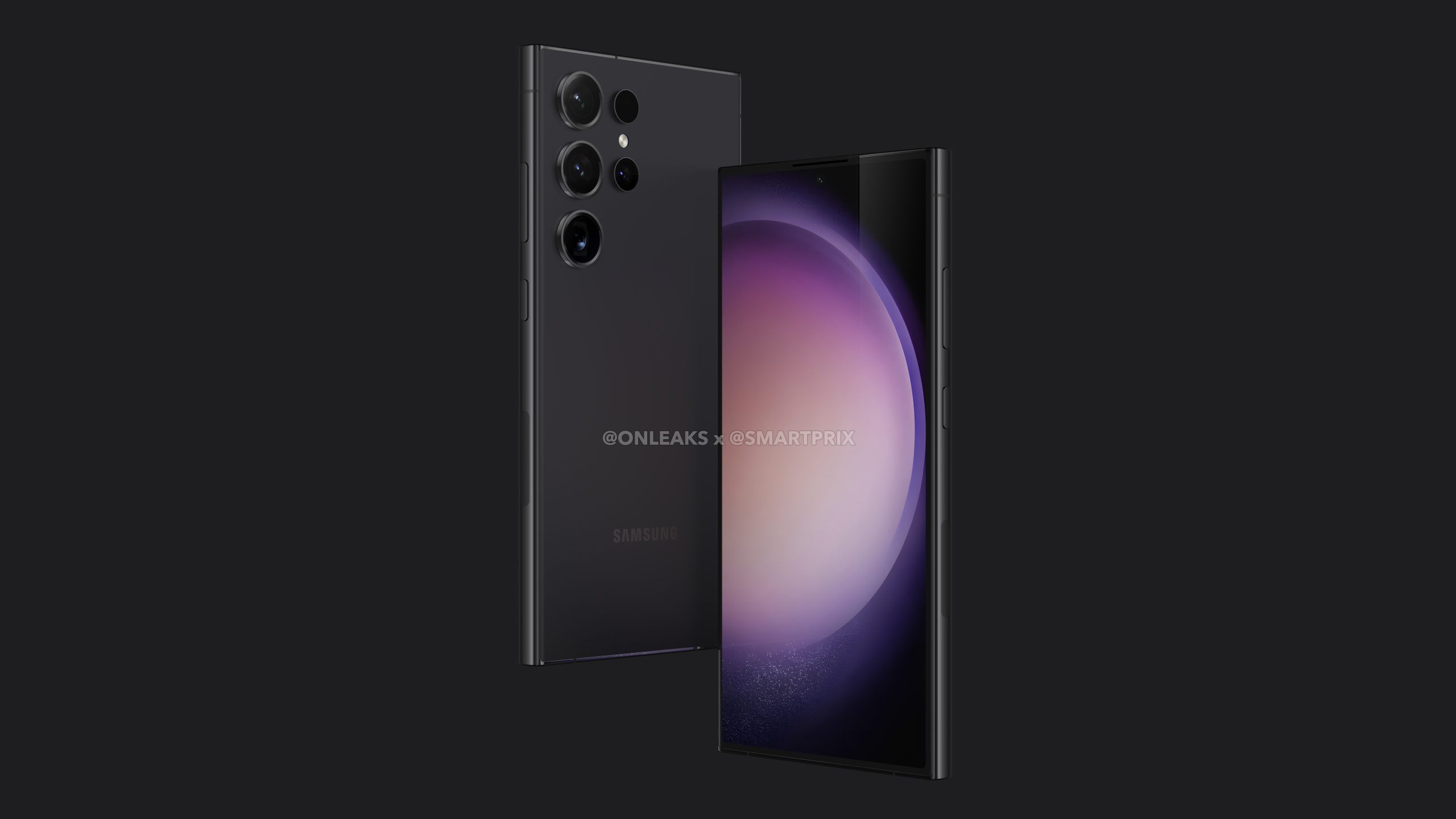
The 512GB version of the Samsung Galaxy S23 Ultra is currently available at a discounted price on Amazon, with the Phantom Black option discounted by 12% and the Cream option discounted by 14%. The flagship phone boasts a Snapdragon 8 Gen 2 chipset, 12GB of RAM, impressive cameras, including a 200 MP main snapper, and a built-in S Pen. With its powerful performance and storage capacity, the Galaxy S23 Ultra is a tempting purchase for tech enthusiasts.
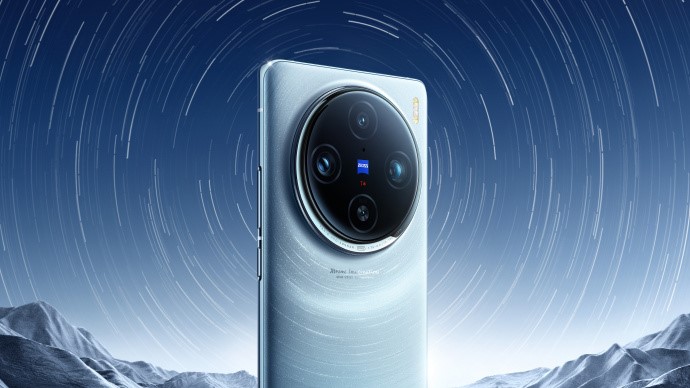
Vivo has announced that its upcoming X100-series smartphones will feature a new image sensor from Sony, the LYT800, which incorporates stacked-pixel technology for improved low-light performance. The devices will also come with a new telephoto lens from Zeiss, the Vario-Apo-Sonnar, which promises enhanced zoom capabilities and chromatic aberration control. This partnership with Sony and Zeiss demonstrates Vivo's commitment to delivering high-quality camera technology in its Android smartphones.