Tag

Dagger

All articles tagged with #dagger

NASA's Warning: 30 Minutes Until Devastating Solar Storm Strikes Earth

Originally Published 2 years ago — by ScienceAlert

Featured image for NASA's Warning: 30 Minutes Until Devastating Solar Storm Strikes Earth
Source: ScienceAlert

NASA has developed an AI-based early warning system called DAGGER that can provide 30 minutes' notice before a potentially devastating solar storm hits a specific area. By analyzing solar storm data from satellites and surface-based stations, DAGGER can predict the severity and direction of a solar storm event in under a second, with the capability of making predictions every minute. This advancement in speed and global coverage allows utility and communication companies to integrate DAGGER into their threat assessment systems before the peak of the 11-year solar cycle in 2025.
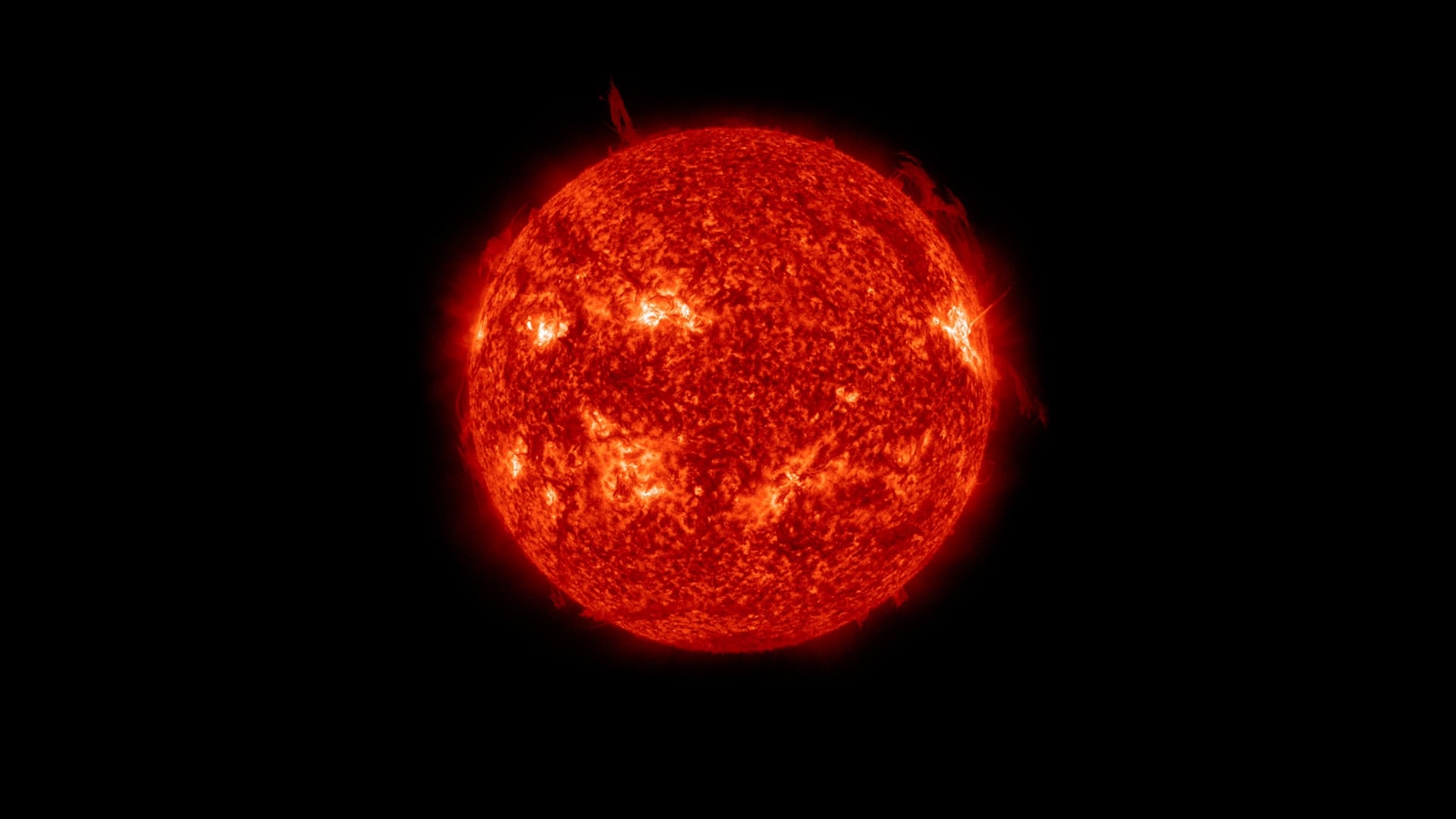
"NASA and DIAS Harness AI to Enhance Solar Storm Predictions"

Originally Published 2 years ago — by HT Tech

Featured image for "NASA and DIAS Harness AI to Enhance Solar Storm Predictions"
Source: HT Tech

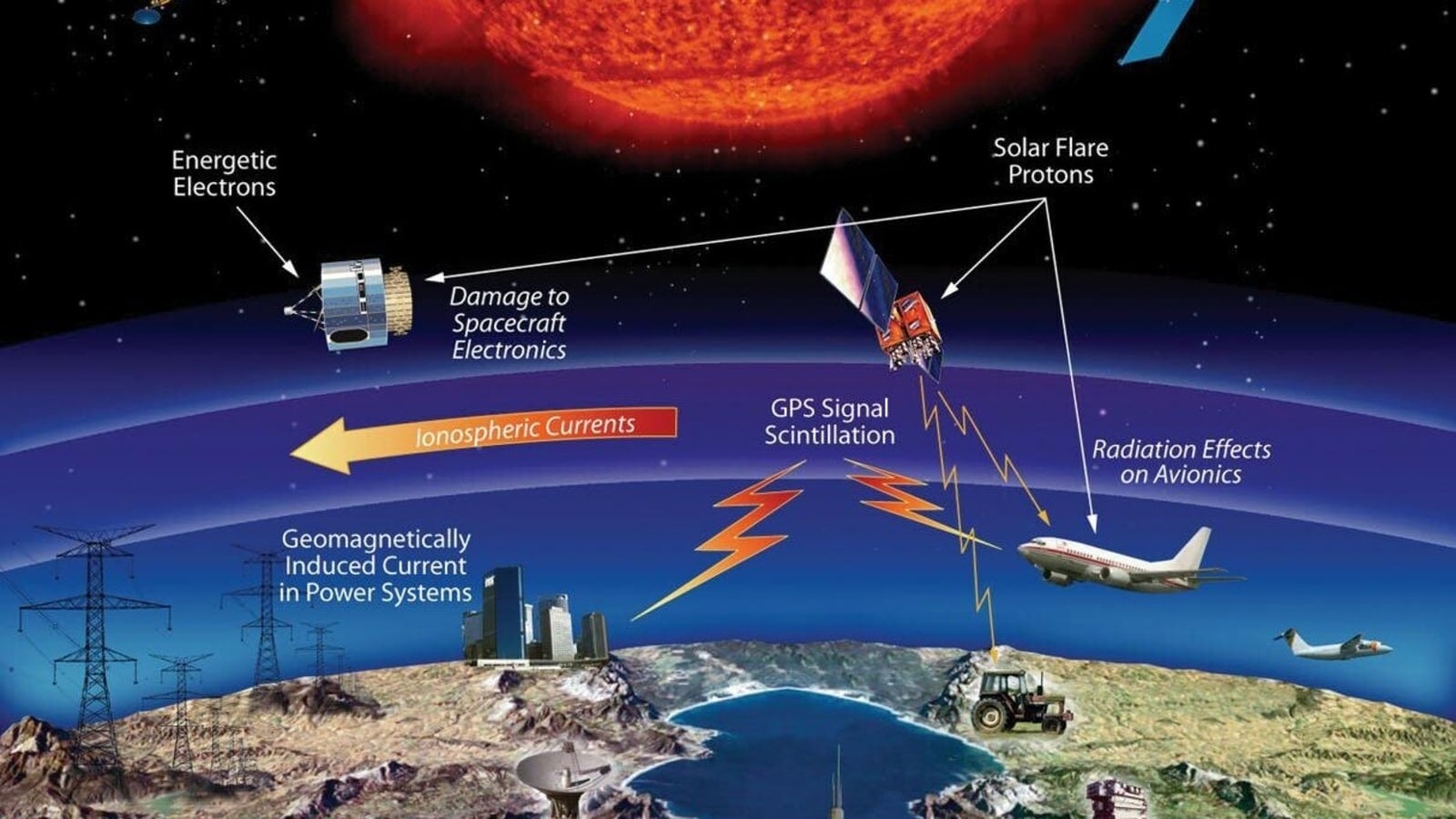
NASA has developed an AI model called DAGGER (Deep Learning Geomagnetic Perturbation) that can accurately forecast worldwide geomagnetic storms with a 30-minute lead time. By analyzing spacecraft data of the solar wind, the model can predict the location of upcoming solar storms, providing crucial preparation time to protect power grids and infrastructure. DAGGER combines AI with real-time space and Earth measurements, allowing stakeholders to receive advance warnings and implement necessary measures to safeguard assets and infrastructure from the disruptive effects of solar storms.

NASA's AI provides 30-minute warning for catastrophic solar storms.

Originally Published 2 years ago — by HT Tech

Featured image for NASA's AI provides 30-minute warning for catastrophic solar storms.
Source: HT Tech

NASA has developed an AI-based technology called DAGGER to get advance warning about dangerous solar storms. DAGGER collects data from various space satellites and ground-based observatories that are looking for geomagnetic storms. This huge set of data goes into training the AI through a technology called ‘deep learning’.

Newly Discovered Solar Storm Threatens Earth's Safety.

Originally Published 2 years ago — by Giant Freakin Robot

Featured image for Newly Discovered Solar Storm Threatens Earth's Safety.
Source: Giant Freakin Robot

Scientists have developed an AI model named DAGGER that can predict the intensity and direction of a solar storm in under a second and create a prediction every minute. This has increased our lead time from nothing to 30 minutes, which is longer than before. The Sun is currently nearing the end of its 11-year solar cycle, making it the optimal time for DAGGER to collect important data.

NASA's 30-Minute Warning for Killer Solar Storms

Originally Published 2 years ago — by ScienceAlert

Featured image for NASA's 30-Minute Warning for Killer Solar Storms
Source: ScienceAlert

NASA has developed an AI model named DAGGER that can predict the severity and direction of a solar storm event in under a second and can make a prediction every minute. DAGGER can perform its quick prediction logic for the entire Earth's surface area, making it a considerable step forward in predicting and accurately responding to potential hazards from solar storms. DAGGER is launching on an open source platform just in time to collect plenty of data as the Sun ramps up to the peak of its 11-year solar cycle in 2025.

AI predicts dangerous solar storms.

Originally Published 2 years ago — by Space.com

Featured image for AI predicts dangerous solar storms.
Source: Space.com

A new AI-powered computer model called DAGGER can predict when and where solar storms will strike Earth, giving us time to prepare infrastructure that could be impacted, such as the power grid. DAGGER has studied NASA data to find connections between solar activity and damaging geomagnetic activity through a process called deep learning. DAGGER can currently predict a geomagnetic disturbance 30 minutes before the event, its developers say.