
"Uninhabitable: Saturn's Largest Moon"
TL;DR Summary
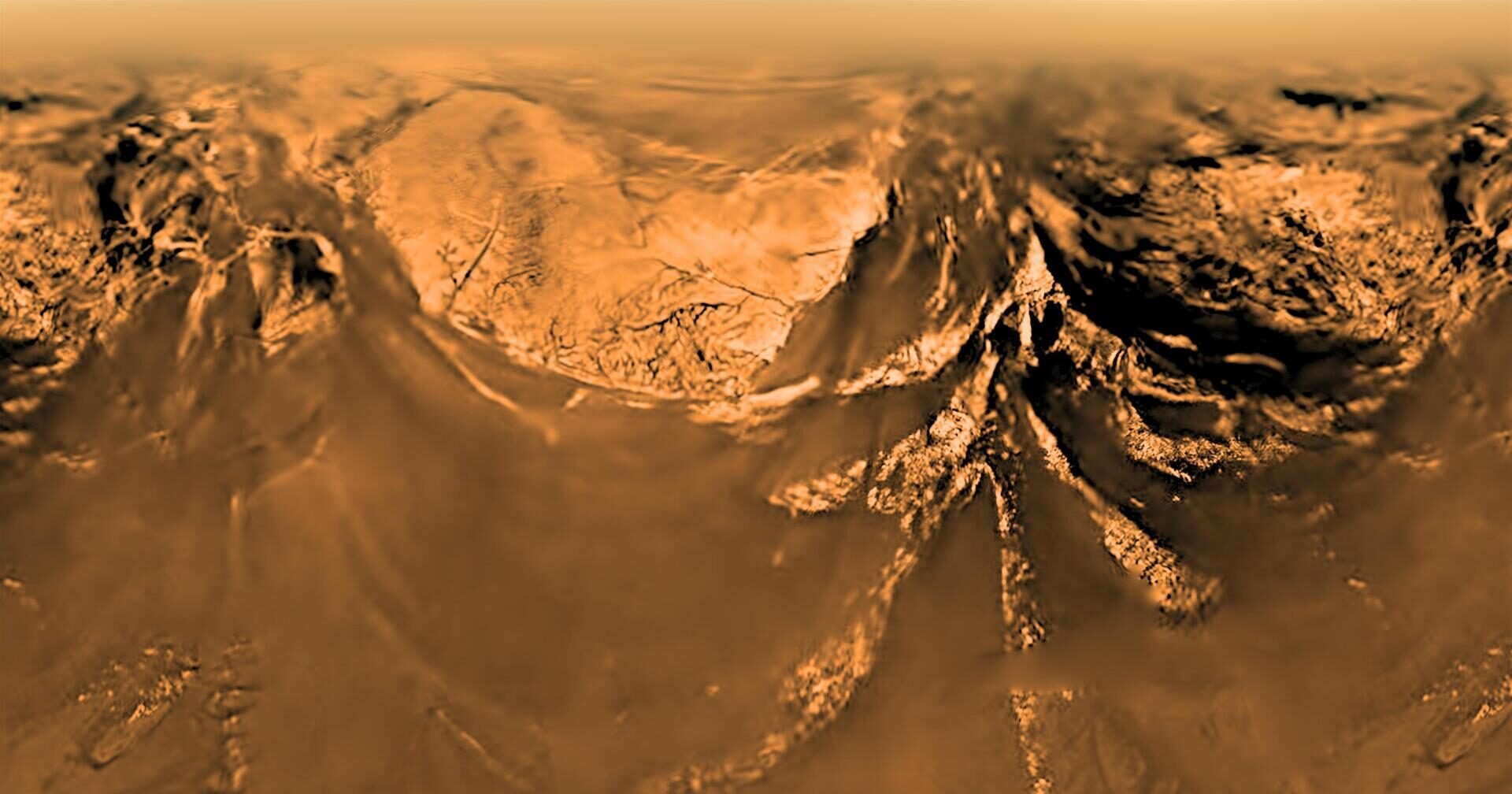
A study led by Western astrobiologist Catherine Neish suggests that Saturn's largest moon, Titan, is most likely uninhabitable due to the limited transfer of organic molecules from its surface to its subsurface ocean, making it less likely to support life. This finding has implications for the search for extraterrestrial life in the outer solar system and raises questions about the habitability of other icy moons. Despite this discovery, the upcoming NASA Dragonfly mission aims to study Titan's prebiotic chemistry and composition, providing valuable insights into the potential for life on other planets.
Reading Insights
Total Reads
0
Unique Readers
4
Time Saved
5 min
vs 6 min read
Condensed
91%
1,078 → 92 words
Want the full story? Read the original article
Read on Phys.org