S&P Global Ratings downgraded France to A+ from AA- due to elevated budget uncertainty and political instability, potentially impacting bond markets and reflecting ongoing fiscal and political challenges amid a fragile government and economic concerns.
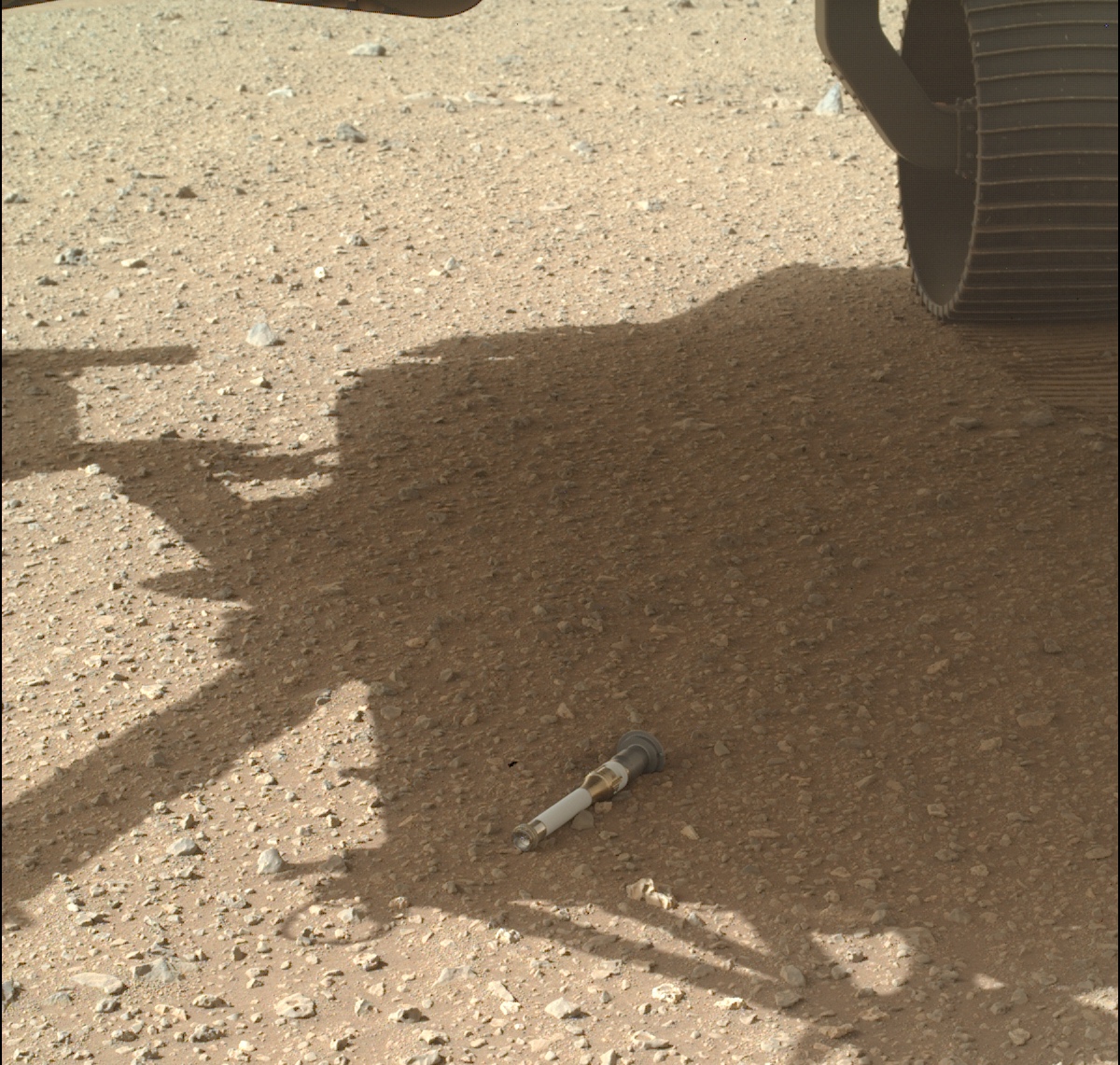
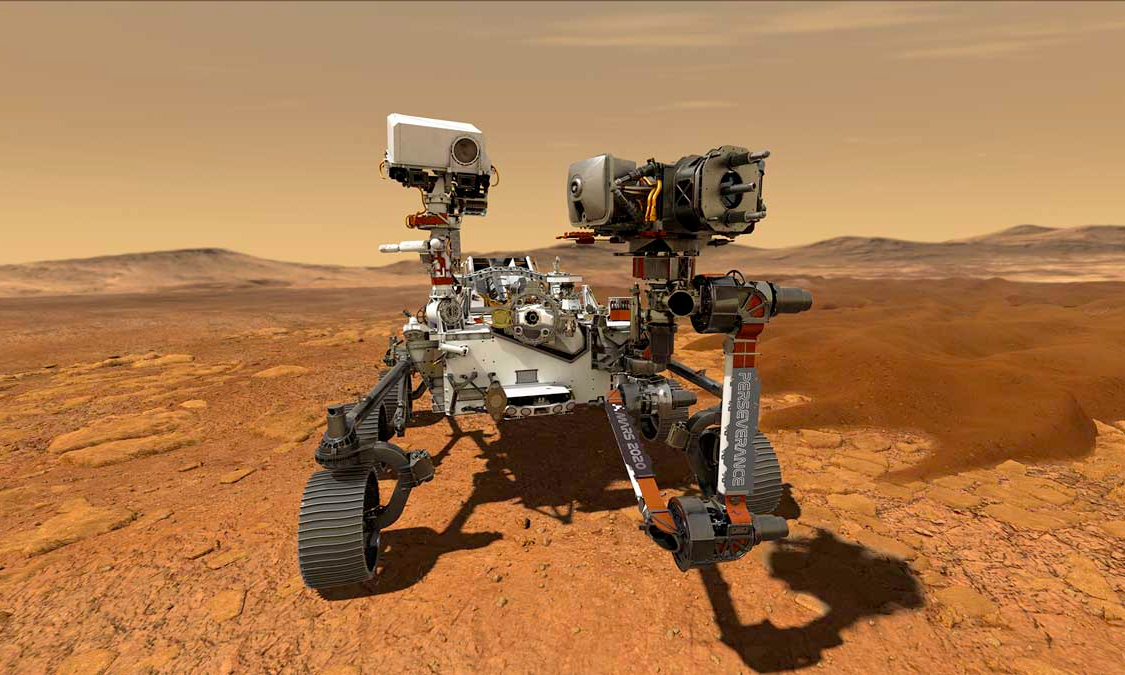
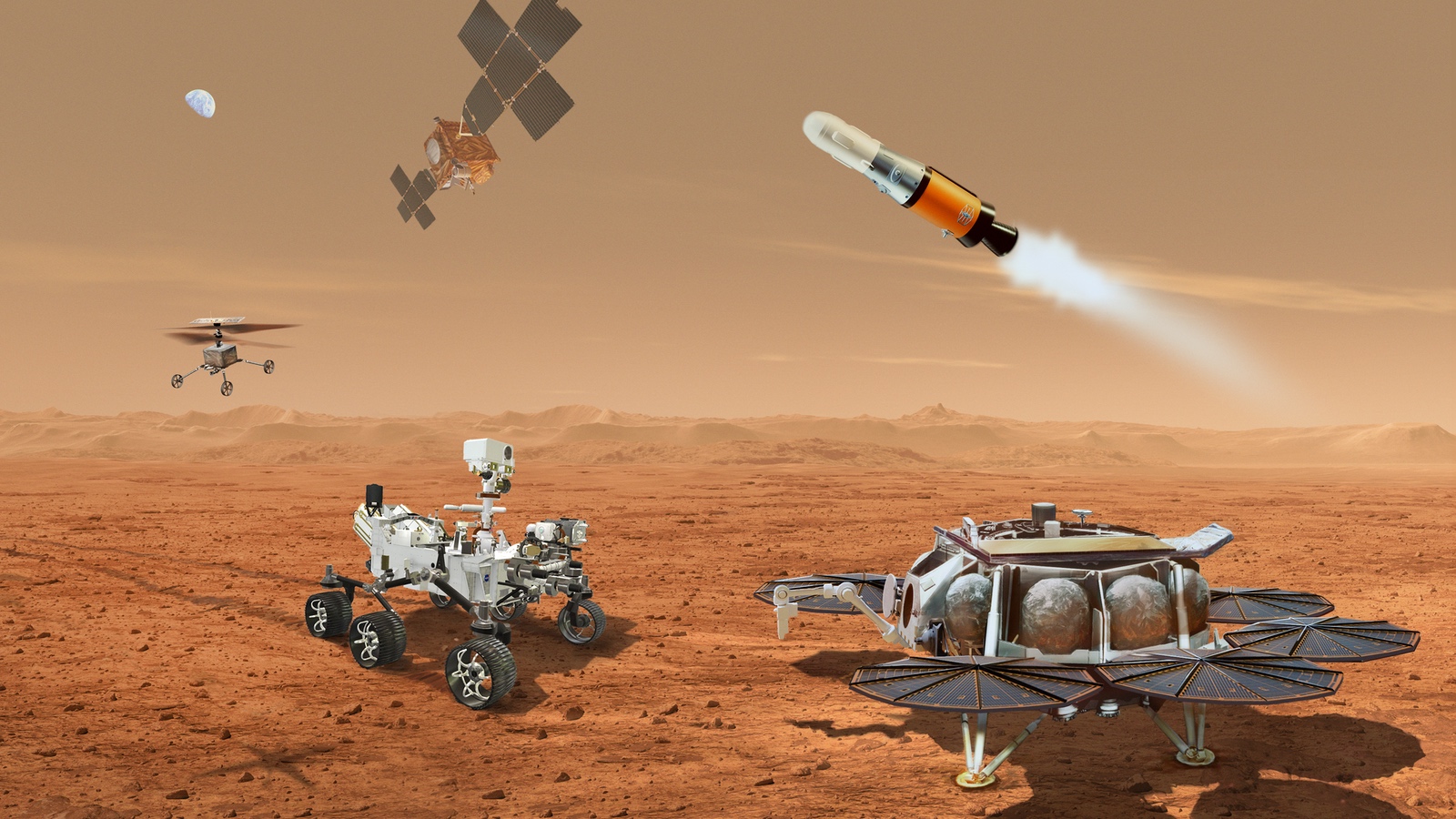
Efforts to collect Mars samples continue as the Perseverance rover has filled 26 of its 43 sample tubes, with plans to explore the crater rim for diverse rocks. NASA is finalizing a review of the Mars Sample Return (MSR) architecture amid budget uncertainty, with the MSR IRB Response Team expected to complete its assessment by the end of the month. The fiscal year 2025 budget proposal left MSR funding as TBD, reflecting uncertainty about the program's plans, while NASA must also develop an operating plan for fiscal year 2024 funding provided by an appropriations bill. Despite the uncertainty, NASA officials emphasize the scientific value of MSR and await the MIRT results to shape the future architecture and schedule.
NASA's Jet Propulsion Laboratory in California is laying off around 530 employees and 40 contractors, amounting to eight percent of the facility's workforce, due to budget uncertainty and the absence of an FY24 appropriation from Congress. The cuts are a result of the agency's need to adjust to a lower budget and protect against deeper cuts later. The uncertainty over the final budget allocation for the Mars Sample Return mission, which is expected to receive around $300 million, has played a major factor in the layoffs, despite the mission's success so far with the Perseverance rover uncovering soil samples containing evidence of organic matter on Mars.
NASA's Jet Propulsion Laboratory (JPL) is set to lay off 8% of its workforce, about 530 employees and 40 contractors, due to budget uncertainty for 2024, particularly affecting the Mars Sample Return program. The decision comes after NASA reduced spending on MSR, prompting strong opposition from California's congressional delegation. JPL's director, Laurie Leshin, cited the absence of a final 2024 appropriations bill as the reason for the layoffs, while NASA Administrator Bill Nelson defended the decision, emphasizing the need to operate within approved funding levels.
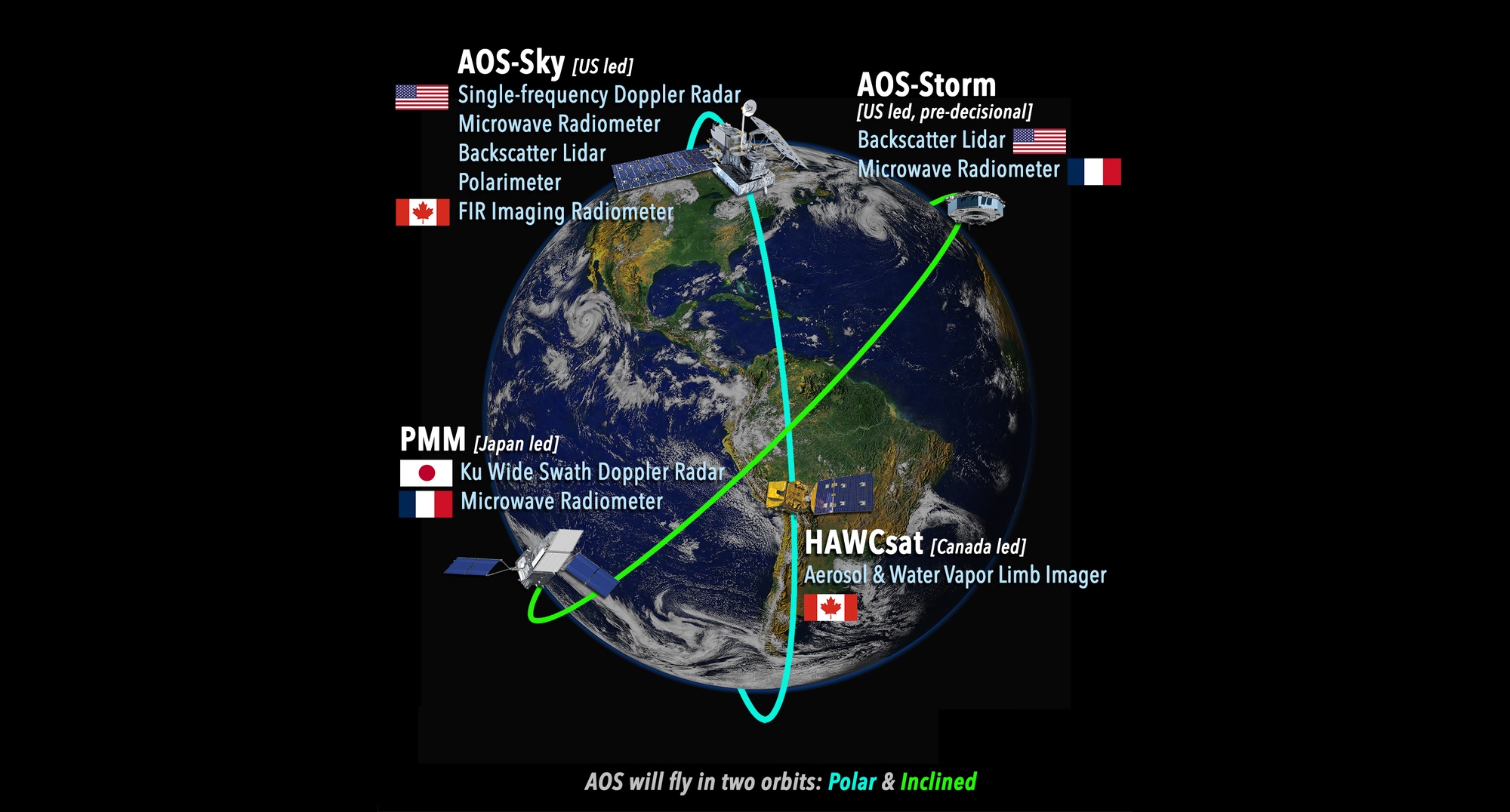
NASA is advancing its Earth System Observatory project, a series of Earth science missions aligned with recommendations from the 2018 decadal survey, despite facing budget uncertainties. The project, which includes missions like AOS-Storm, AOS-Sky, Surface Biology and Geology, Mass Change (GRACE-C), and Surface Deformation and Change, aims to enhance Earth science research and societal applications. With an estimated cost of $3.5 billion for the first four missions, NASA is relying on international partnerships to maximize scientific returns per dollar. The agency's Earth science budget request for fiscal year 2024 is $2.47 billion, an increase from 2023, but actual funding is uncertain due to a spending cap and a continuing resolution holding funding at 2023 levels. NASA officials are advocating for community unity in supporting Earth science budgets amidst these financial challenges.
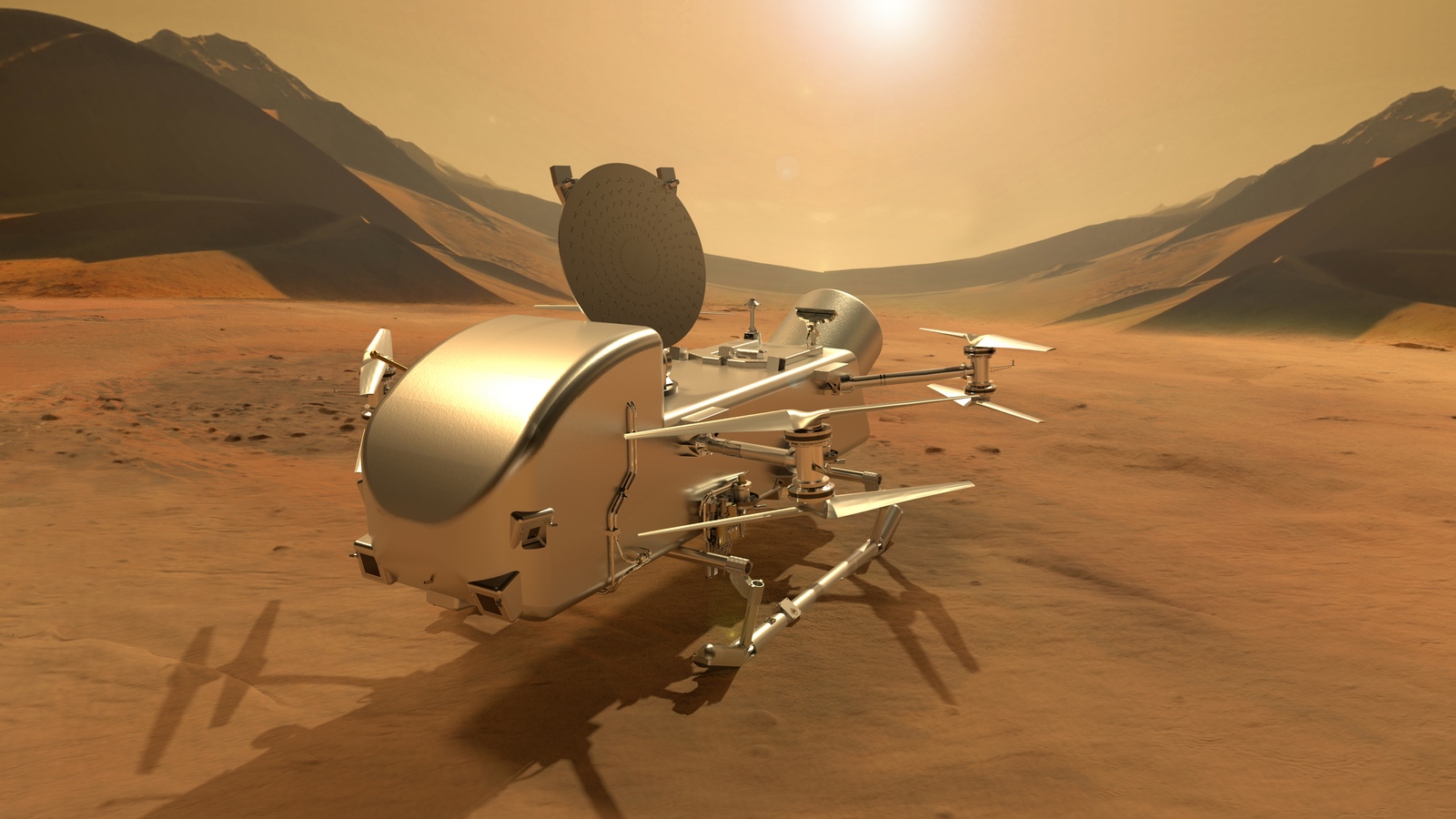
NASA has postponed the Dragonfly mission to Saturn's moon Titan by a year due to budget uncertainty. The formal confirmation of the mission, which sets the official cost and schedule, has been delayed until early 2024. Despite the funding challenges, NASA will allow some elements of the mission's design and fabrication to proceed. The Dragonfly mission aims to send a drone to Titan to explore regions that may have once supported life. The new launch readiness date is now set for July 2028.
NASA is slowing down work on the Mars Sample Return (MSR) program due to uncertainty surrounding its budget for next year and ongoing reviews of alternative architectures. The agency has directed three field centers to reduce activities related to MSR, driven by uncertainty over the funding it will receive from Congress. A House bill would provide the full requested amount of $949.3 million, while a Senate version would allocate only $300 million and potentially require descaling or cancellation if the total cost exceeds $5.3 billion. NASA is currently operating under a continuing resolution, and the reductions in MSR work are aimed at addressing a worst-case scenario. The decision coincides with an ongoing reassessment of the MSR architecture, with a clear and credible path expected to be determined by March 2022.