A woman in Long Island was diagnosed with chikungunya, a mosquito-borne tropical disease rarely seen in the U.S., after experiencing severe fever and joint pain, raising concerns about the virus's spread in new regions.
A new study suggests that loss of the sense of smell may be an early warning sign of Alzheimer's disease, linked to damage in the brainstem and immune response, although it is not currently used in diagnosis and could be confused with normal aging changes.
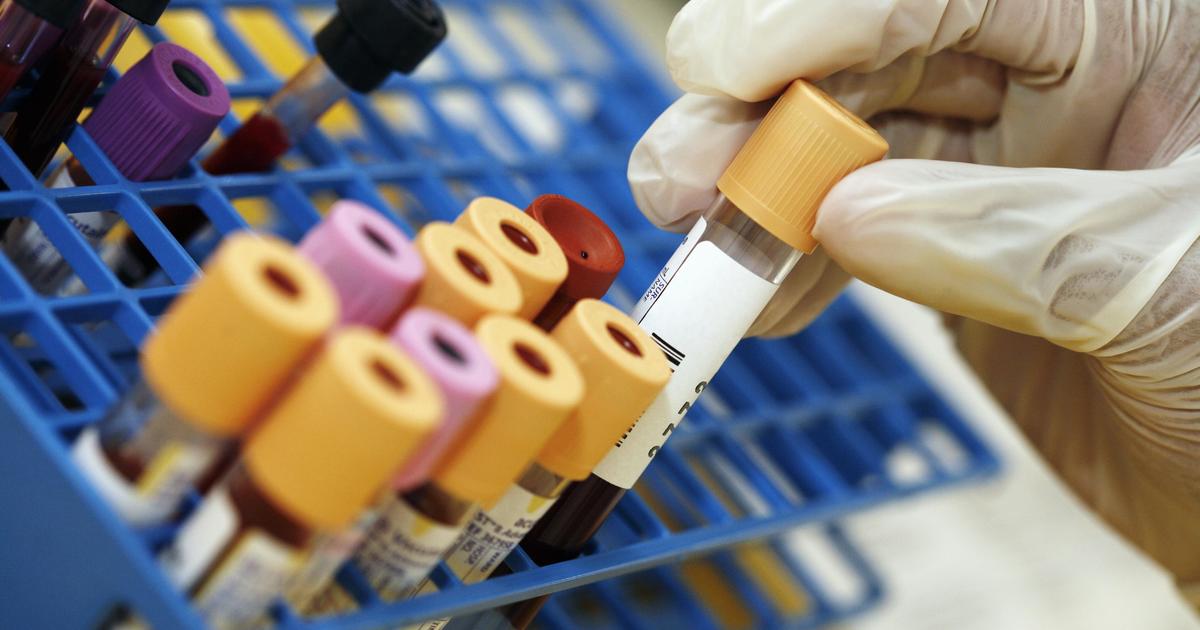
Blood tests provide valuable insights into various aspects of health by measuring biomarkers that indicate the body's biochemical state. Understanding the reference intervals for each test result is crucial, as these ranges vary based on factors such as age, sex, and ethnicity. Different panels, such as complete blood count and basic metabolic panel, help diagnose conditions like anemia, thyroid disorders, and diabetes. Interpreting blood test results in consultation with a healthcare provider can aid in understanding one's health status and potential underlying conditions.
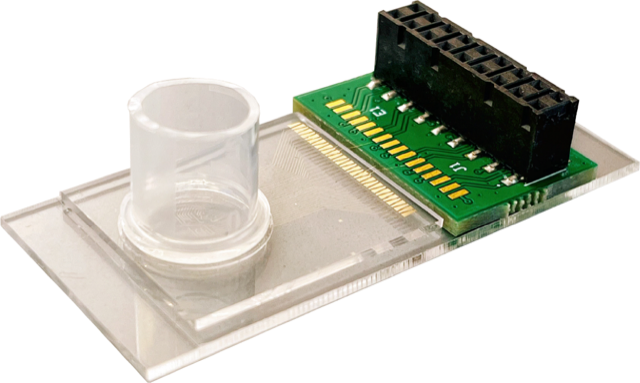
Researchers at UMass Amherst have developed a nano-mechanoelectrical approach that increases the sensitivity of DNA detection by 100 times. The method involves placing the test sample in an alternating electric field, allowing the DNA strands to oscillate at a specific frequency. This enables researchers to easily distinguish the target DNA from other molecules, even at low concentrations. The new method has significant implications for disease detection, as it allows for earlier diagnoses and faster results, making it suitable for point-of-care testing. The portable nature of the device also opens up possibilities for use in resource-limited settings.
Researchers at UMass Amherst have developed a new method for DNA detection that increases sensitivity by 100 times. The method utilizes an alternating electric field to make the DNA strands oscillate at a specific frequency, allowing for easy identification and distinction from other molecules. This breakthrough has significant implications for disease detection, enabling earlier diagnoses and faster treatment. The method is also portable and cost-effective, making it suitable for point-of-care testing in resource-limited areas.
Google DeepMind has developed an AI model called AlphaMissense, which has been trained to identify missense mutations, or genetic mutations that occur in a single letter of DNA code. The model has successfully identified 71 million missense mutations and classified 89% of them as either likely benign or likely pathogenic. These predictions have been compiled into an online database for medical professionals to aid in the diagnosis of various illnesses. While some experts see this as a significant advancement, others express concerns about the complexity of the model and the lack of understanding of how it works. Nonetheless, the AI model represents a step forward in genetic disease diagnosis.
Scientists at Google DeepMind have developed an AI program called AlphaMissense that can predict whether genetic mutations are harmless or likely to cause disease. The program focuses on missense mutations, where a single letter is misspelled in the DNA code, which can disrupt protein function and lead to various disorders. AlphaMissense outperforms existing prediction programs and provides a score indicating the riskiness of a mutation. The researchers have released a free online catalogue of predictions to aid geneticists and clinicians in studying mutations and diagnosing rare disorders. While the model shows promise, further verification and understanding of its complexity are needed before it can be widely used in clinical settings.
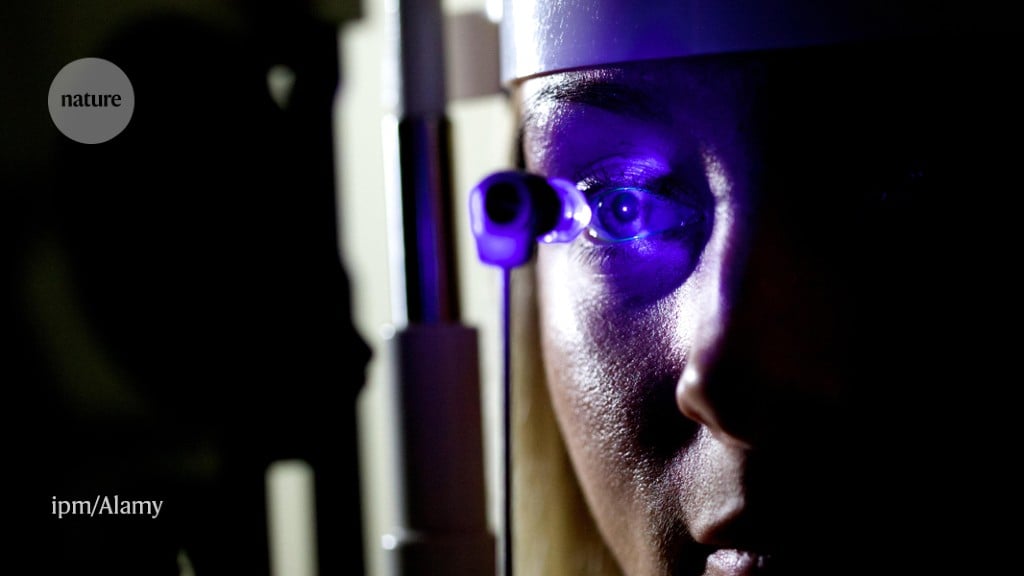
Scientists have developed an AI tool called RETFound that can diagnose and predict the risk of various health conditions, including ocular diseases, heart failure, and Parkinson's disease, based on retinal images. The tool was developed using self-supervised learning, similar to large-language models like ChatGPT. By training on unlabelled retinal images, RETFound can learn to predict missing portions of images and classify them for specific conditions. The model has shown promising results in detecting ocular diseases and outperforms other AI models in predicting the risk of systemic diseases. The researchers have made the model publicly available for adaptation and training in different medical settings, but caution is needed to ensure ethical and safe usage.
Dr. Eimear Kenny has contributed to the creation of a more inclusive human pangenome reference, which currently includes genomes of 47 people and aims to reach 350 by 2024. The reference seeks to represent human genetic diversity more accurately, aiding disease diagnosis and treatment, and minimizing health disparities. The Human Pangenome Reference Consortium, led by Dr. Kenny, used population genetics approaches, community engagement, and outreach to include genomes from diverse populations in the pangenome, addressing issues of underrepresentation and bias in genomics research.