
Tag

Dna Detection

All articles tagged with #dna detection

"Revolutionizing Nanomanipulation: CRISPR-Enabled Optothermal Nanotweezers"
science-and-technology2 years ago

"Revolutionizing Nanomanipulation: CRISPR-Enabled Optothermal Nanotweezers"

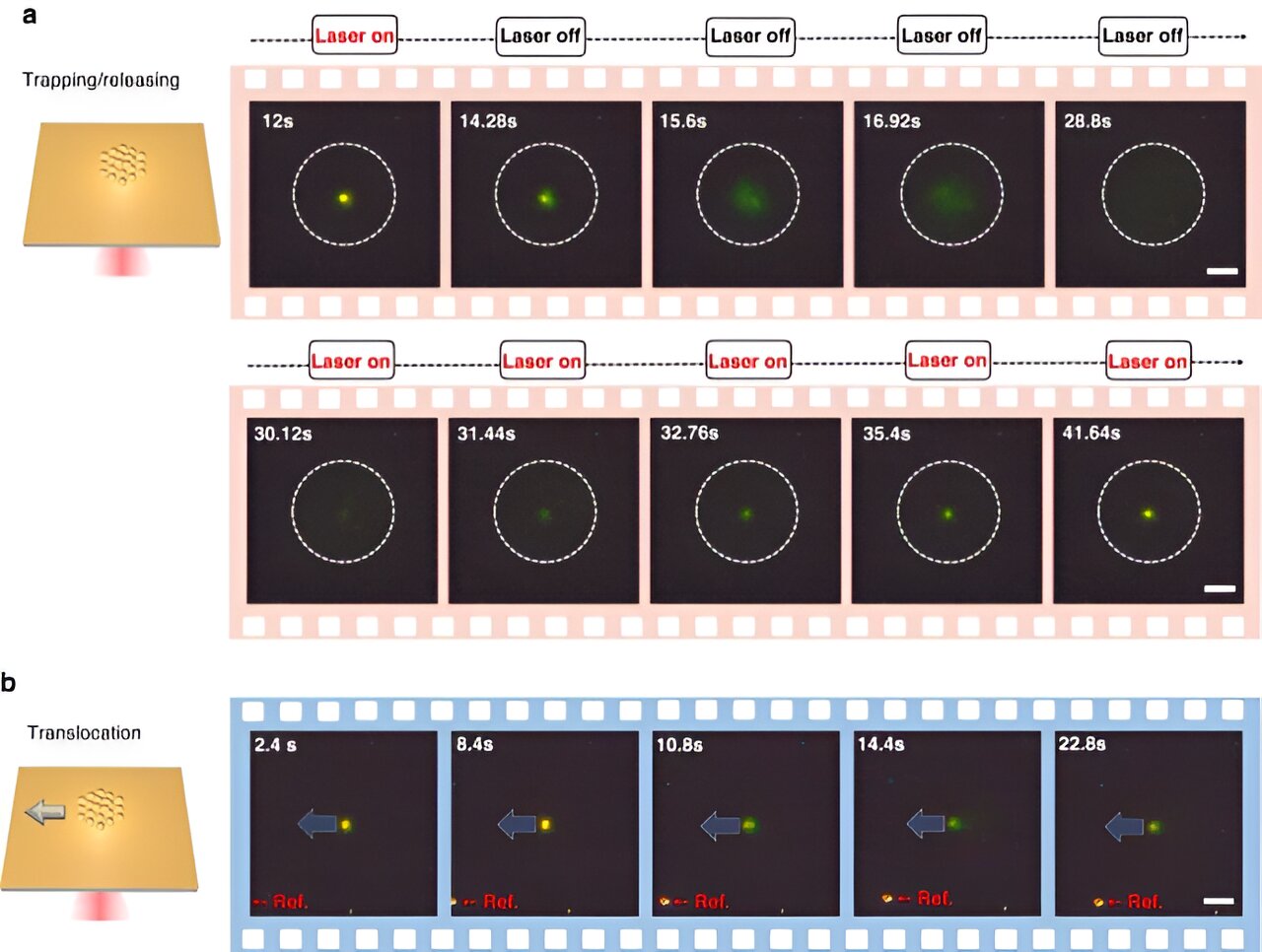
Researchers have developed a new method called CRISPR-powered optothermal nanotweezers (CRONT) that combines the CRISPR-Cas system with optothermal manipulation to identify bionanoparticles and detect DNA at ultralow concentrations. By harnessing diffusiophoresis and thermo-osmotic flows, the scientists successfully enriched DNA-functionalized gold nanoparticles, CRISPR-associated proteins, and DNA strands. The CRONT system demonstrated high sensitivity and specificity in identifying single nucleotide polymorphisms, making it a promising tool for point-of-care diagnostics, biophotonics, and bionanotechnology applications.
Revolutionary Nano-mechanoelectrical Breakthrough Amplifies DNA Detection Sensitivity by 100x
biomedical-engineering2 years ago

Revolutionary Nano-mechanoelectrical Breakthrough Amplifies DNA Detection Sensitivity by 100x

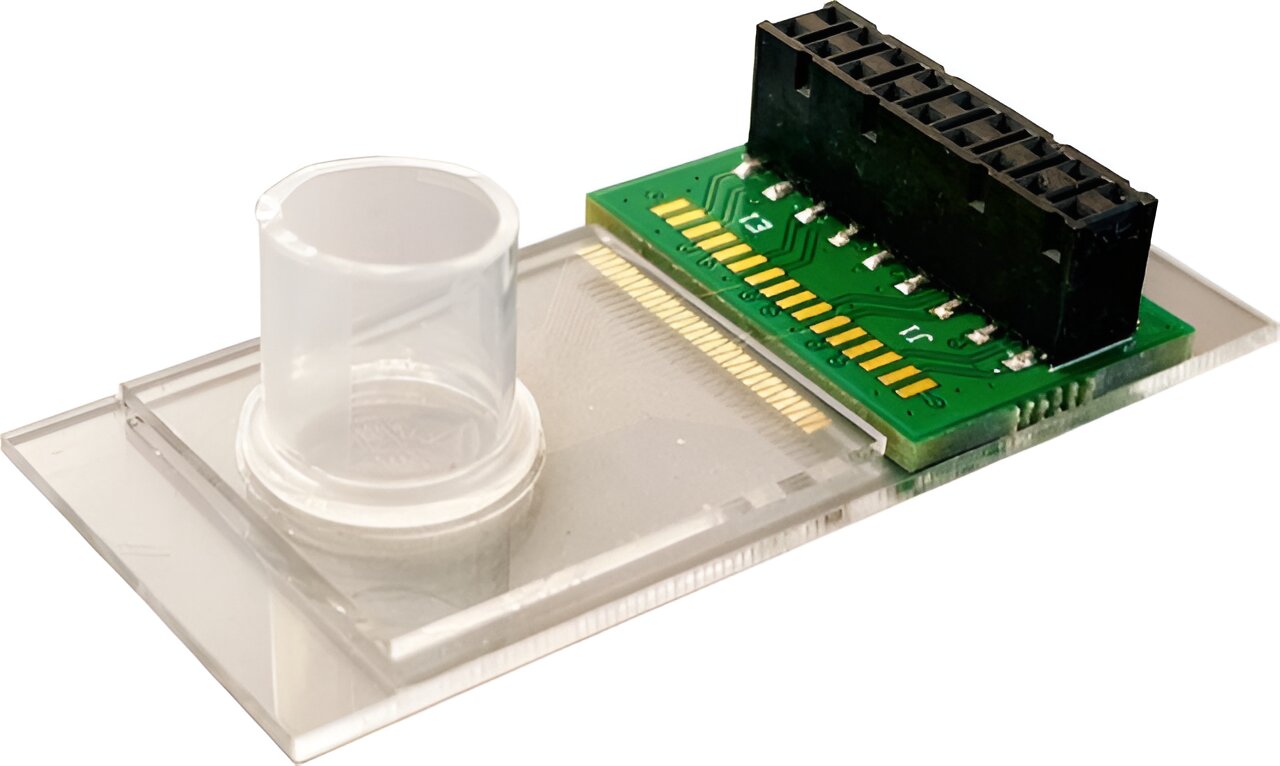
Researchers at UMass Amherst have developed a nano-mechanoelectrical approach that increases the sensitivity of DNA detection by 100 times. The method involves placing the test sample in an alternating electric field, allowing the DNA strands to oscillate at a specific frequency. This enables researchers to easily distinguish the target DNA from other molecules, even at low concentrations. The new method has significant implications for disease detection, as it allows for earlier diagnoses and faster results, making it suitable for point-of-care testing. The portable nature of the device also opens up possibilities for use in resource-limited settings.

"Revolutionary Bioengineering Technique Boosts DNA Detection Sensitivity 100-Fold"
science-and-technology2 years ago

"Revolutionary Bioengineering Technique Boosts DNA Detection Sensitivity 100-Fold"

Researchers at UMass Amherst have developed a new method for DNA detection that increases sensitivity by 100 times. The method utilizes an alternating electric field to make the DNA strands oscillate at a specific frequency, allowing for easy identification and distinction from other molecules. This breakthrough has significant implications for disease detection, enabling earlier diagnoses and faster treatment. The method is also portable and cost-effective, making it suitable for point-of-care testing in resource-limited areas.