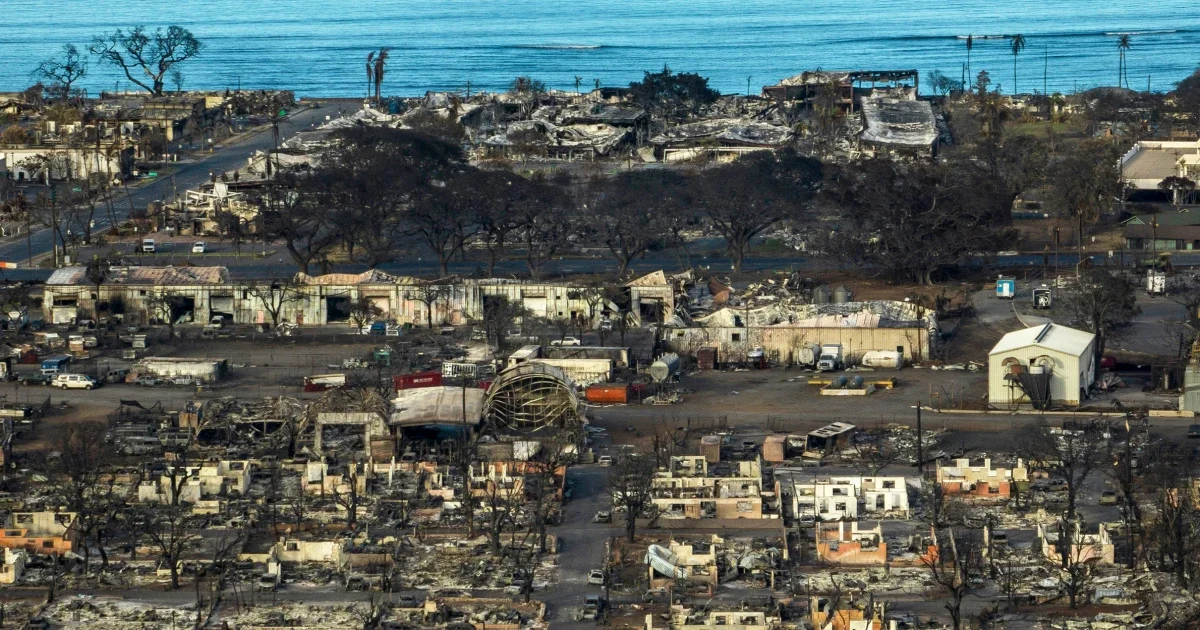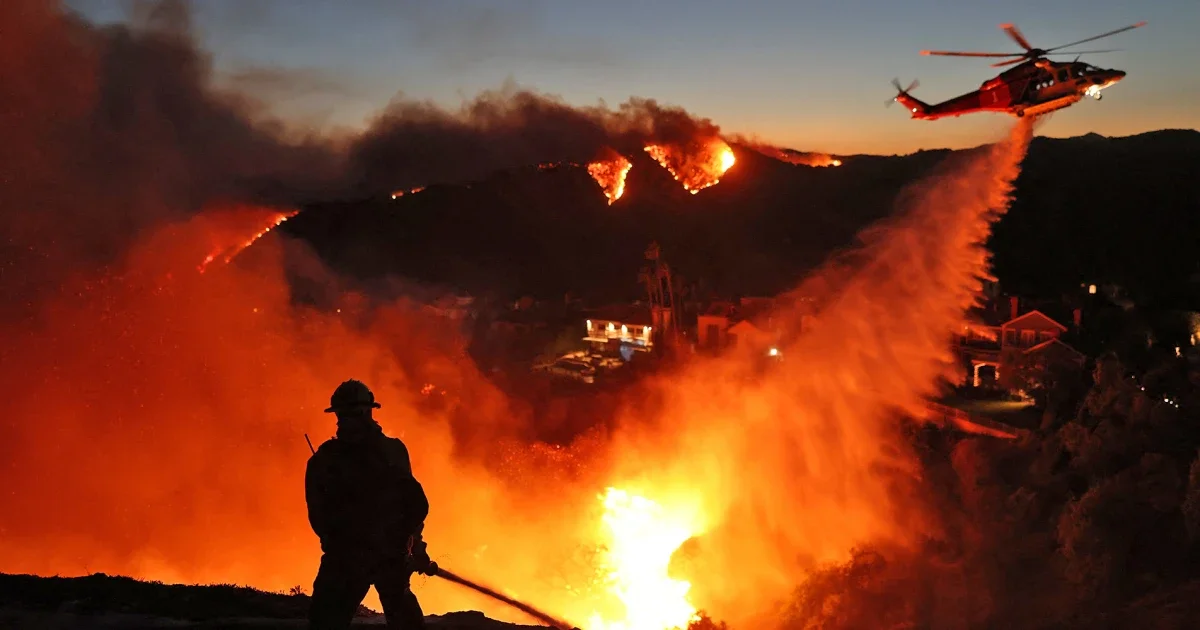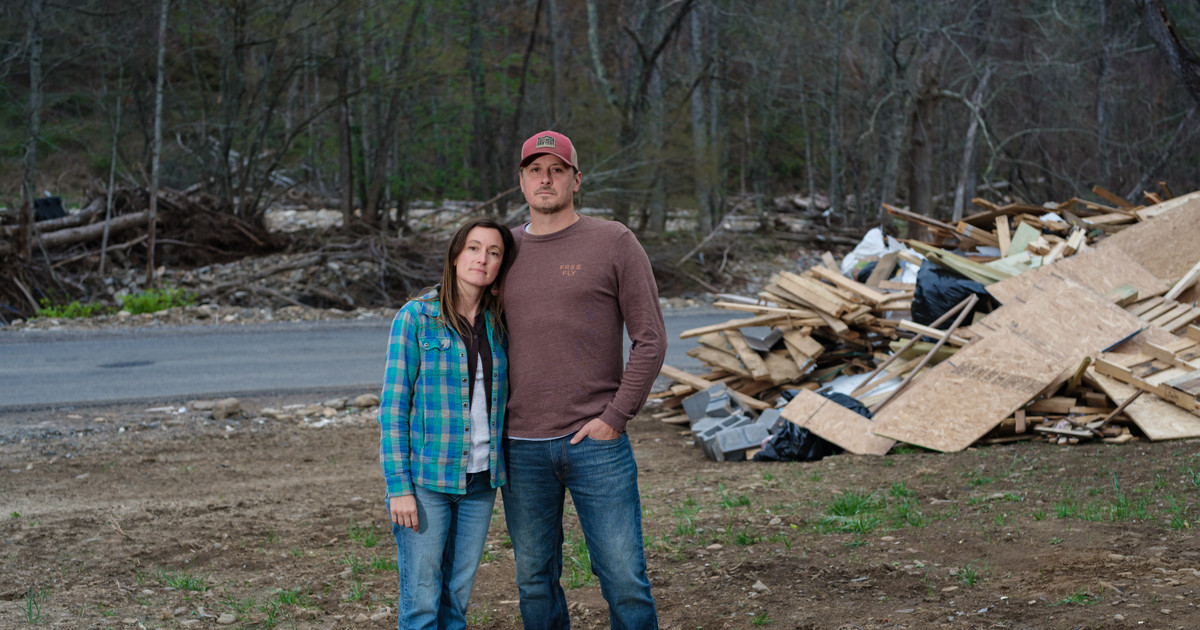
The Palisades Fire in California destroyed many homes and senior living facilities, but residents like Victoria Escalante and Alison Rockwell are determined to rebuild and return, despite slow progress and ongoing challenges from storm damage and mudslides.
Governor Gavin Newsom declared a state of emergency in California to aid recovery from six severe weather events in 2025, including windstorms, tsunamis, fires, monsoon storms, and mudslides across multiple counties, enabling access to state resources for affected communities.
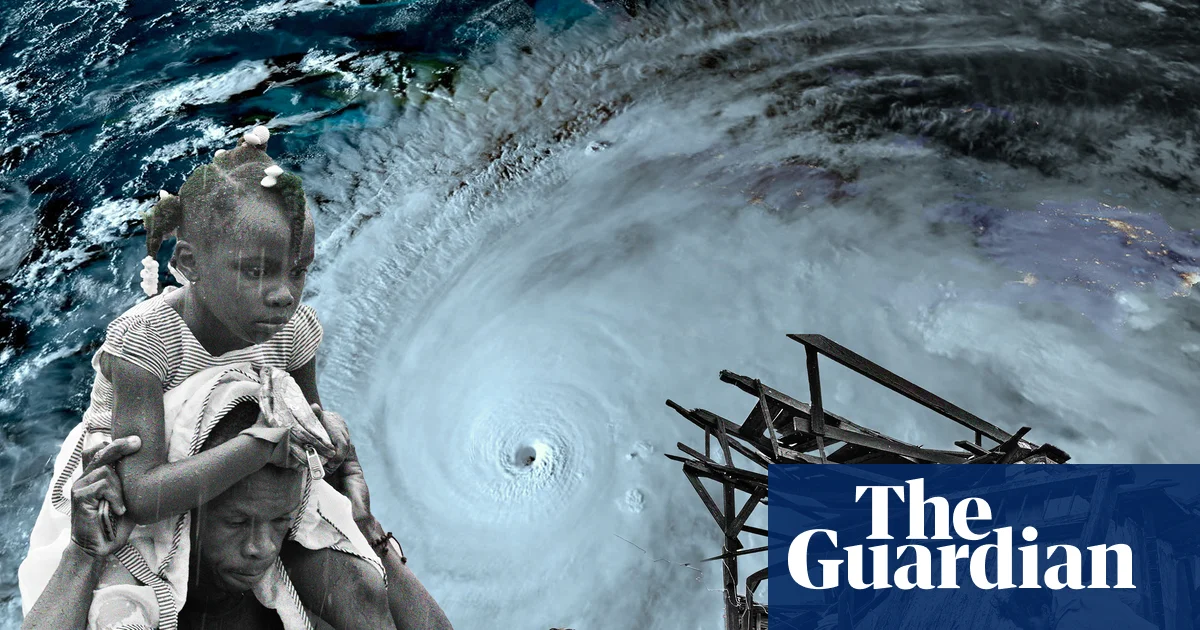
Hurricane Melissa caused unprecedented destruction in the Caribbean, especially Jamaica, highlighting the region's vulnerability to climate change, which is intensifying storms. The article discusses the impact on communities, the psychological toll, and the urgent need for climate justice, reparations, and future-proofing efforts, with regional and international calls for support and action.
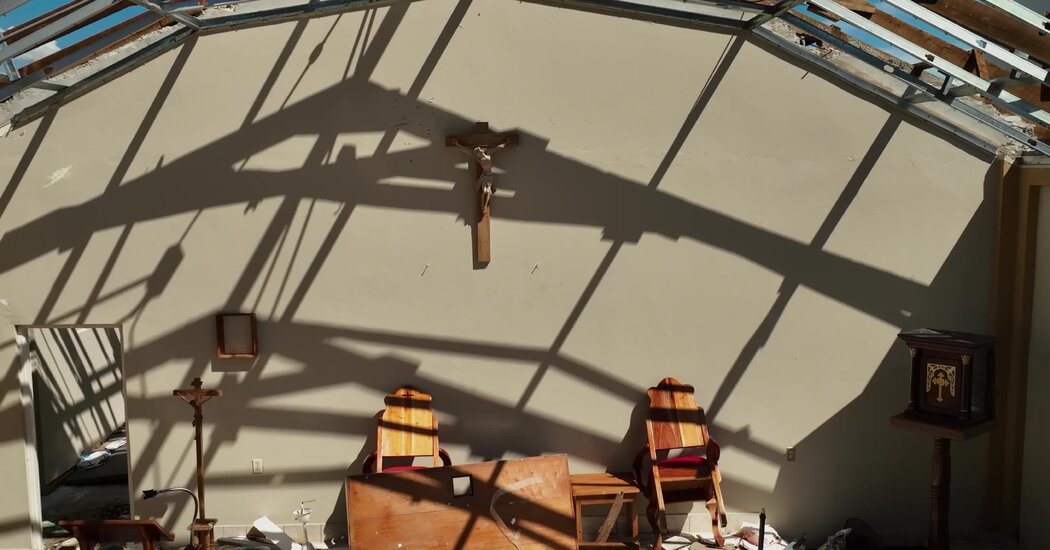
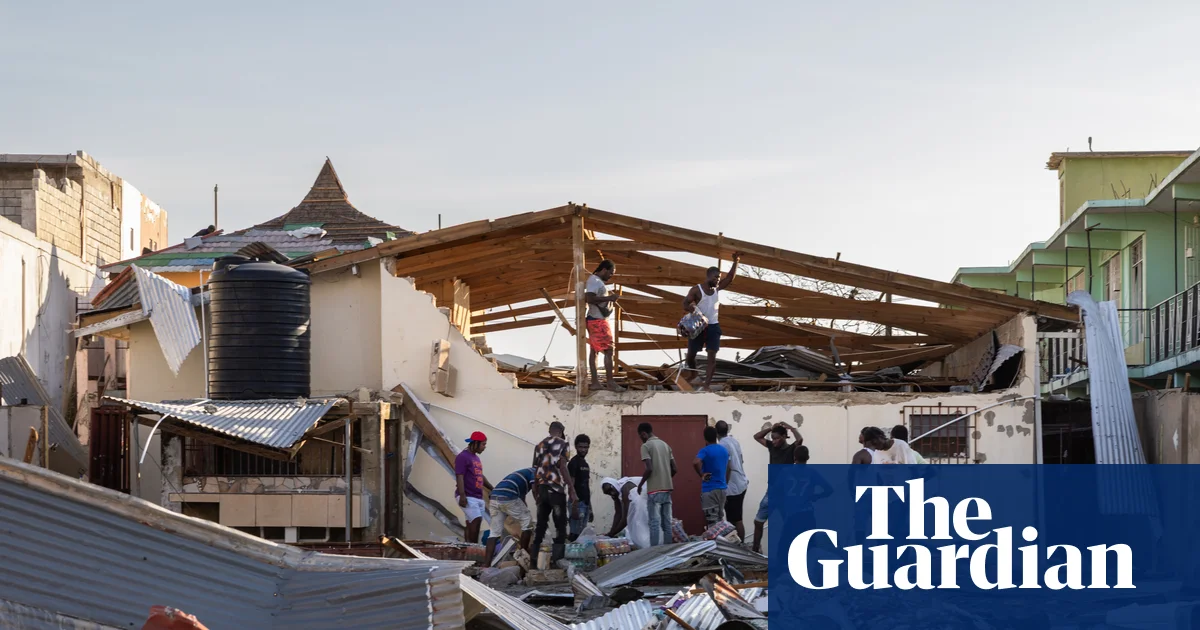
Hurricane Melissa, a Category 5 storm, caused catastrophic destruction in Black River, Jamaica, destroying 90% of homes and key infrastructure, highlighting the extensive rebuilding challenges faced by Jamaican communities affected by severe weather events.
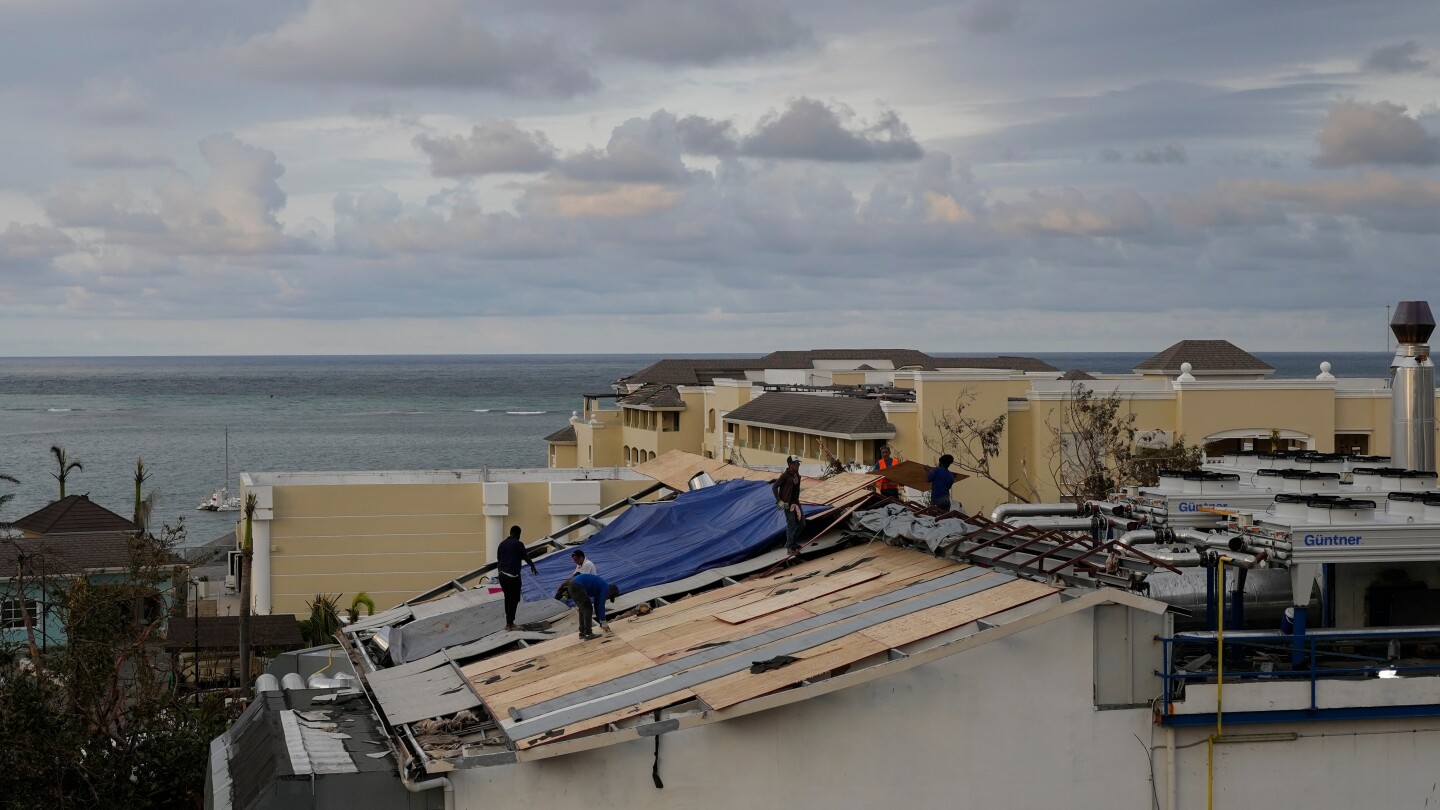
Jamaica is rushing to recover from Hurricane Melissa, which caused significant damage to its western region just before the peak tourism season, but efforts are underway to repair infrastructure and restore the sector, which is vital to the country's economy, despite ongoing challenges and a rising death toll.
Hurricane Melissa caused extensive destruction in Black River, Jamaica, with widespread damage to buildings, infrastructure, and communities, leading to a humanitarian crisis. The storm, one of the strongest on record, has prompted urgent calls for aid and highlighted the increasing severity of climate-related disasters in the Caribbean.
Jonathan Reckford, CEO of Habitat for Humanity, reflects on 20 years of leading the organization through global disasters and housing crises, emphasizing the importance of mitigation, innovative financing like the MicroBuild Fund, and the ongoing challenge of affordable housing, especially in the US post-2008 crisis and recent under-building trends.
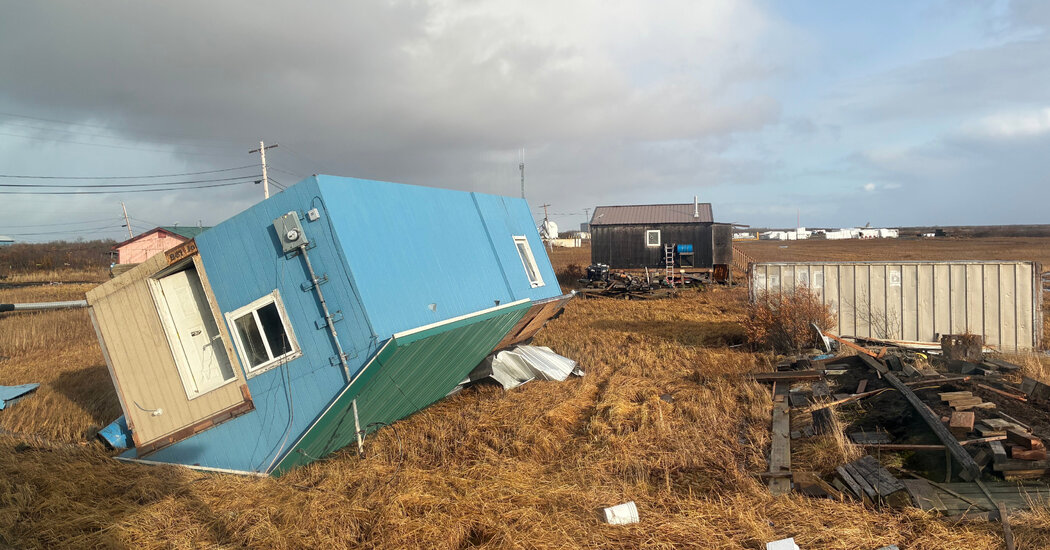
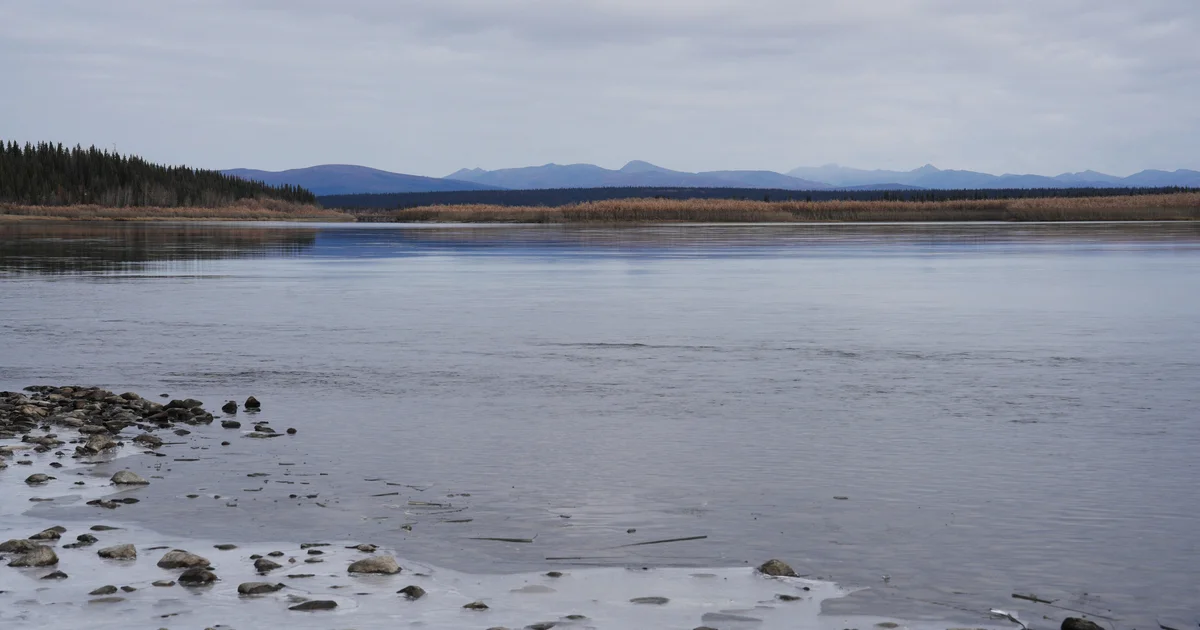
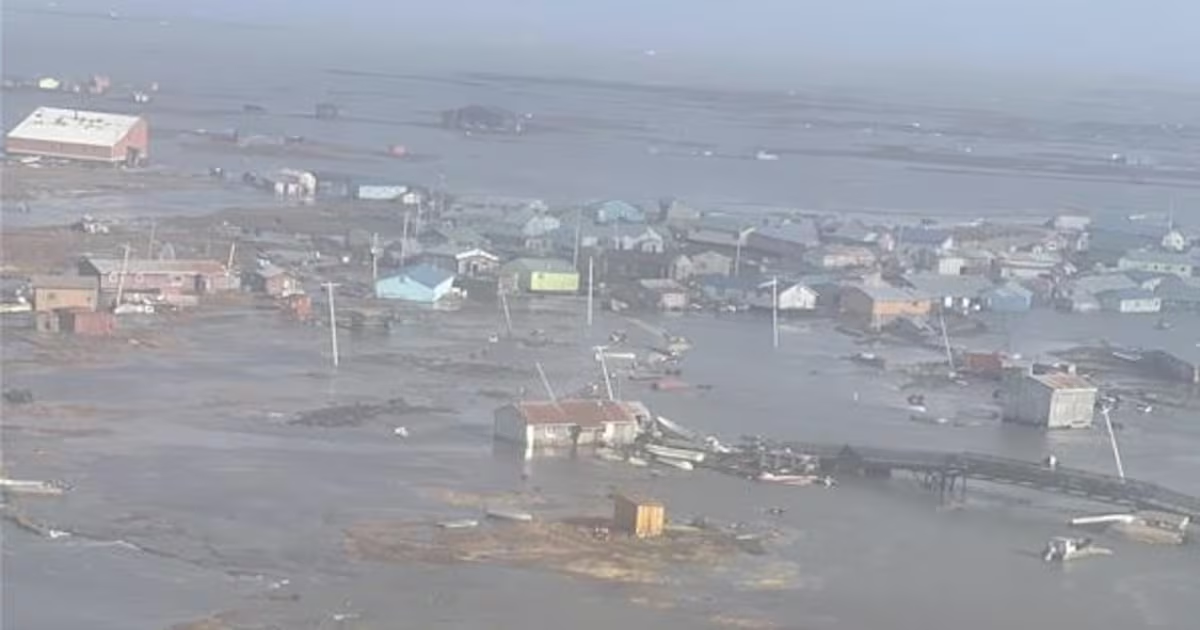
Alaska's governor requested federal assistance after Typhoon Halong caused severe flooding and evacuations in western Alaska, with recovery potentially taking up to 18 months due to the remoteness of affected villages and extensive damage.
Severe flooding in western Alaska caused by Typhoon Halong resulted in one death, two missing persons, and widespread devastation, highlighting the urgent need for climate resilience and infrastructure support in vulnerable communities facing increasing storm severity due to climate change.
A relief fund has been established to aid Western Alaska communities affected by a severe storm with hurricane-force winds and flooding, with donations supporting immediate needs and long-term recovery efforts, including community donations, events, and supplies for residents and pets.
A ProPublica investigation reveals disparities and challenges in FEMA aid distribution following Hurricane Helene in North Carolina, highlighting income-based inequalities, bureaucratic hurdles, and FEMA's staffing and system issues that hinder equitable disaster recovery.
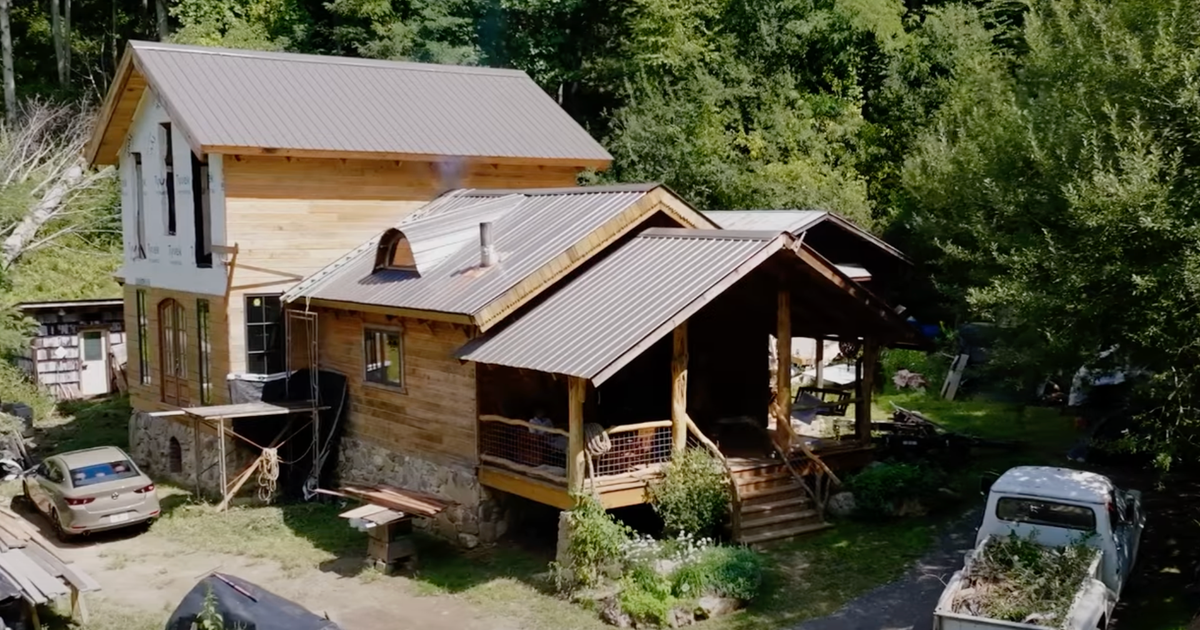
After Hurricane Helene caused extensive damage in the southeastern U.S., resident John Saunby salvaged debris from the storm to build a new home, incorporating unique materials like Black Locust bark siding and tree trunks, with help from his partner Jenny Kimmel, turning storm rubble into a symbol of resilience and creativity.
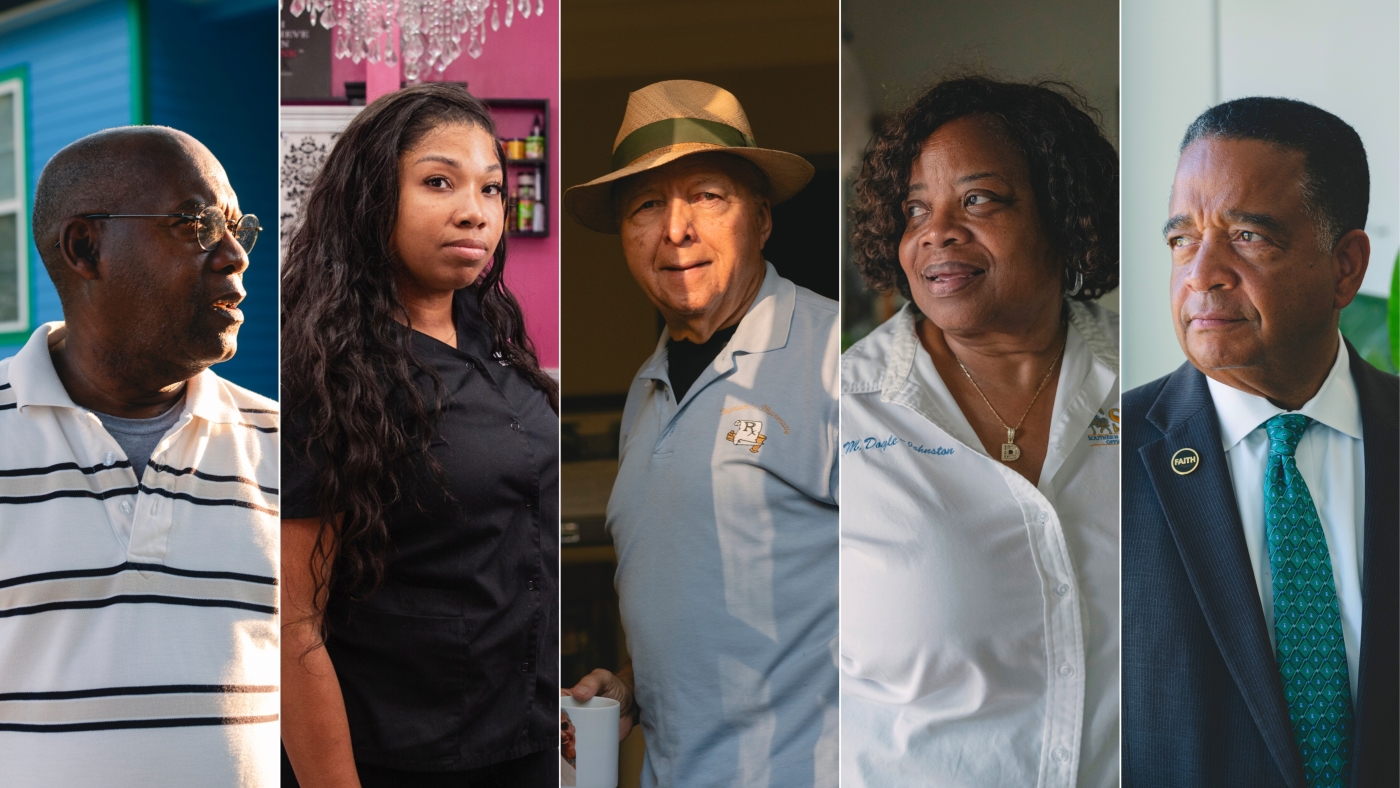
Twenty years after Hurricane Katrina devastated New Orleans, residents from the Ninth Ward share their enduring memories and ongoing struggles with recovery, highlighting personal stories of resilience, loss, and community rebuilding.
Twenty years after Hurricane Katrina, survivors, including a mother, a surgeon, and a police chief, reflect on the devastation and find hope in their resilience and community rebuilding efforts.
Twenty years after Hurricane Katrina, research shows that a significant portion of displaced New Orleans residents still live elsewhere in the U.S., with Texas cities like Houston and Dallas-Fort Worth attracting many, while Black residents faced greater challenges in returning due to damage and resource disparities.