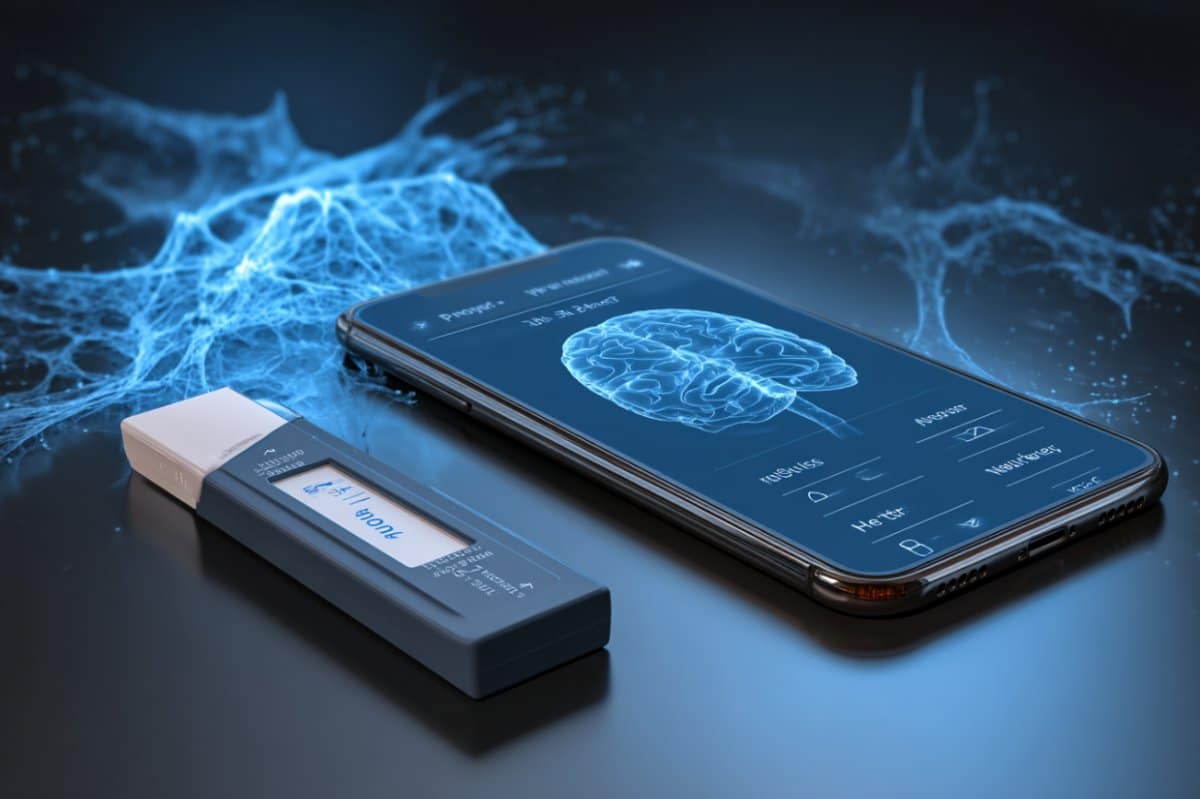
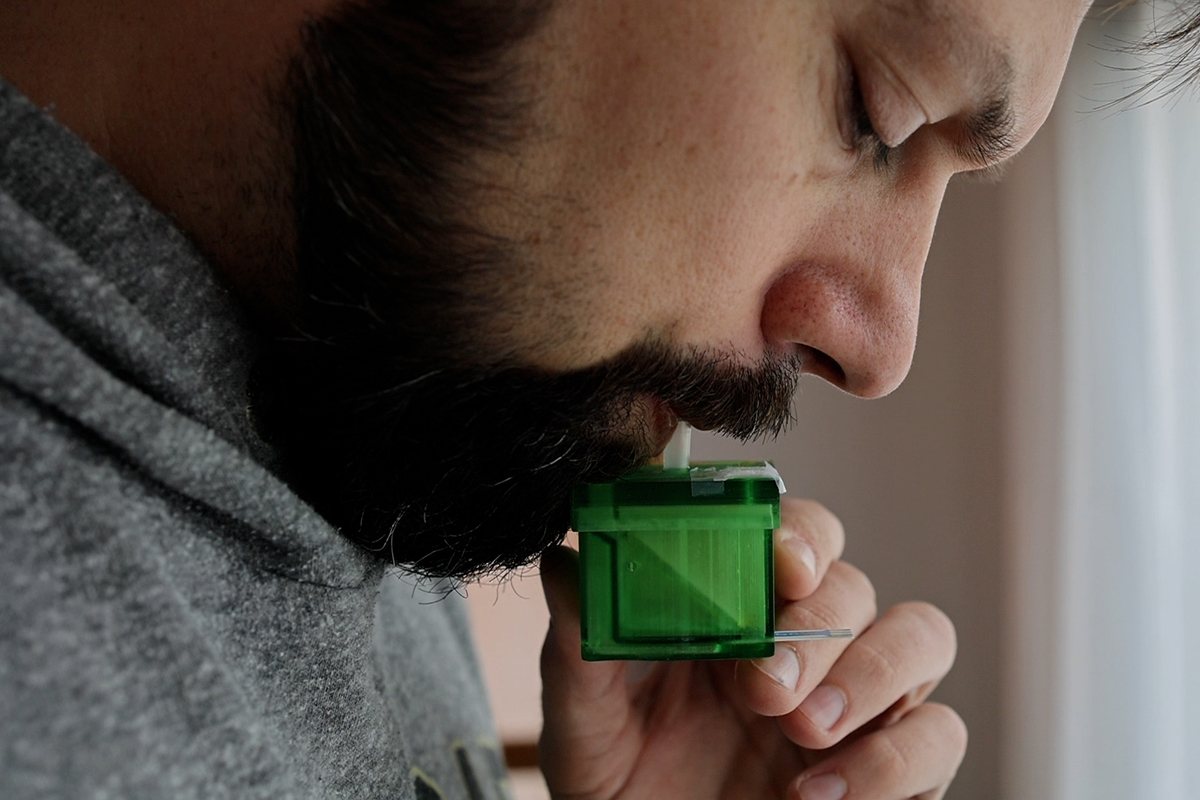
Scientists have developed a low-cost, portable saliva biosensor that can detect BDNF levels in under three minutes, potentially aiding early diagnosis and monitoring of mental health conditions like depression and schizophrenia, with each test costing around $2.19.
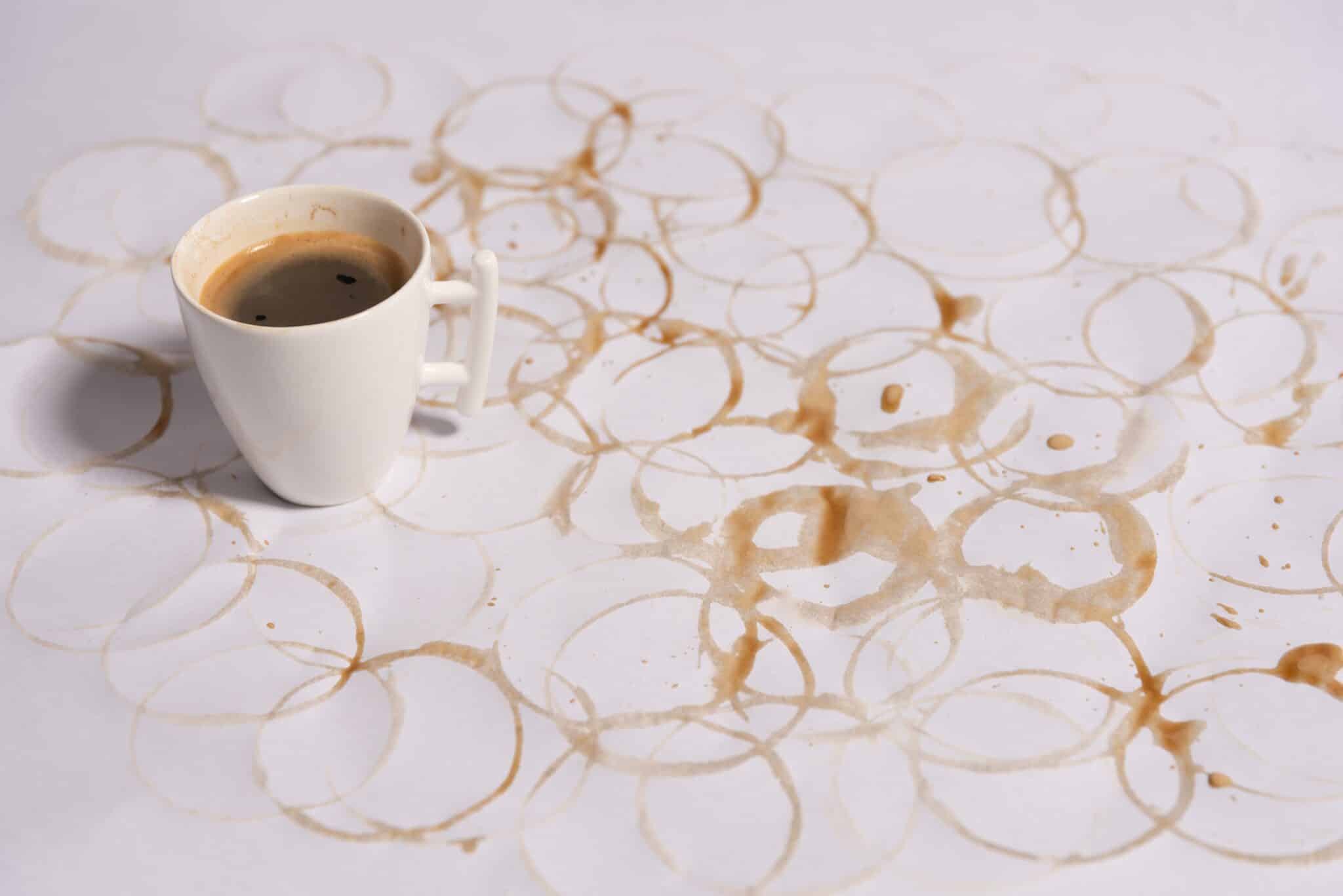
UC Berkeley researchers developed a highly sensitive, smartphone-based biosensor that uses the coffee-ring effect and AI to detect disease proteins in minutes, with potential for early diagnosis of conditions like COVID-19, sepsis, and cancer, though it currently remains in laboratory testing stages.
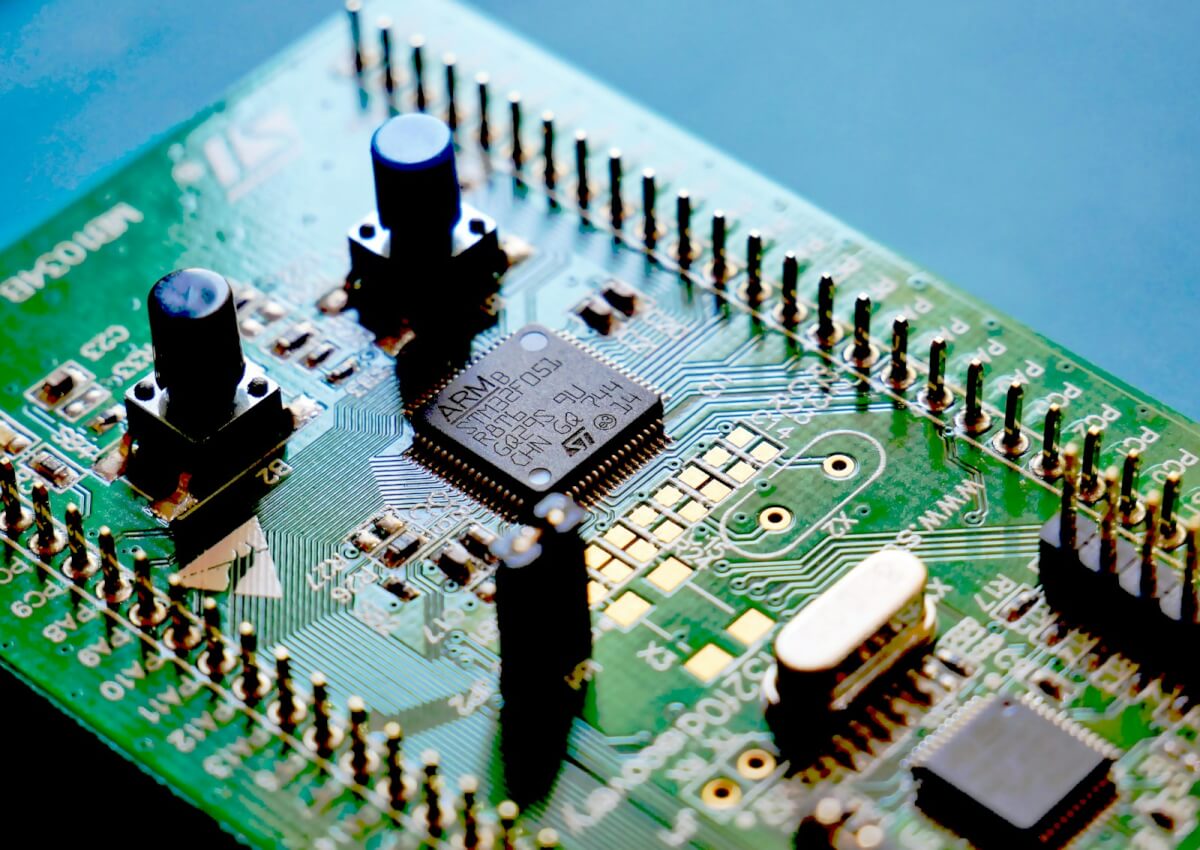
Scientists from the University of Florida and the National Yang-Ming Chiao Tung University in Taiwan have developed a portable biosensor that can detect breast cancer biomarkers from a small saliva sample, potentially revolutionizing breast cancer screening. The biosensor uses paper test strips treated with antibodies and an Arduino platform to provide quick, inexpensive, and accurate test results, with the ability to detect even minute concentrations of cancer biomarkers. This breakthrough could offer a more accessible and efficient alternative to traditional screening methods like mammograms and MRIs.
A new handheld biosensor device, costing only $5, is capable of accurately testing for breast cancer in less than five seconds using just a small sample of saliva. Developed by researchers at the University of Florida and National Yang Ming Chiao Tung University in Taiwan, the device uses common components such as glucose testing strips and an open-source Arduino platform. It provides highly efficient and cost-effective breast cancer screening, making it a revolutionary alternative to traditional methods like mammograms and MRIs, particularly in regions with limited access to advanced medical technologies. The device has the potential to enable early breast cancer detection worldwide and has been shown to provide accurate results even with very low biomarker concentrations.
Scientists at Washington University in St. Louis have developed a breath test that can quickly identify individuals infected with the COVID-19 virus. The device requires only one or two breaths and provides results in less than a minute. The test, which uses a biosensor, has the potential to be used in doctors' offices, public events, and settings with close quarters to prevent outbreaks. The researchers also believe the test can be modified to detect other viruses and emerging pathogens. Clinical studies are ongoing, and a New York-based company has an exclusive option to license the technology for possible commercialization in the future.
Researchers at Washington University have developed a device that can detect the presence of COVID-19 in the air within five minutes. The device, which is around the size of a football, uses a biosensor combined with an air sampler to quickly identify live viruses in the air. It has the potential to detect other respiratory viruses in the future. The device could be a game-changer for managing COVID-19, allowing for real-time monitoring of viral risk in indoor settings and aiding healthcare professionals in ensuring patient safety. While the prototype is not yet ready for widespread use, the team is working on commercializing the device and addressing issues such as noise.