Tag

Life Cycle

All articles tagged with #life cycle

science1 year ago

Comb Jellies Defy Aging with Reverse Time-Travel Ability

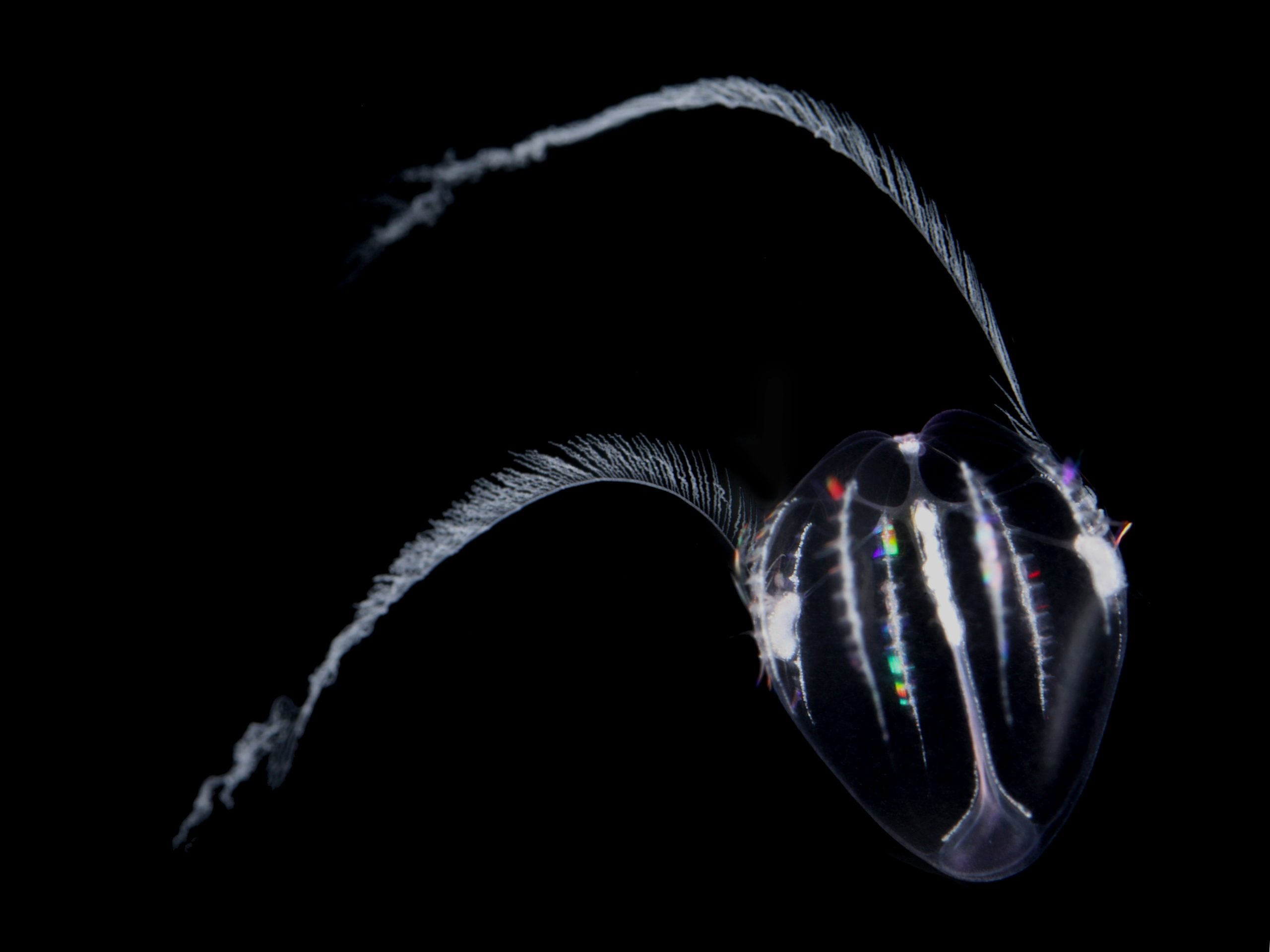
Scientists have discovered that the ctenophore Mnemiopsis leidyi, a type of comb jelly, can reverse its development from an adult to a larval stage under stress, challenging traditional views on animal life cycles. This ability, similar to the 'immortal jellyfish' Turritopsis dohrnii, suggests that life cycle flexibility may be more common in the animal kingdom than previously thought. The findings, published in PNAS, open new research avenues in developmental biology and aging, highlighting the potential ancient origins of this trait.
environment1 year ago

"Cicadageddon 2024: Tracing the Emergence of Brood XIX and Brood XIII Across States"

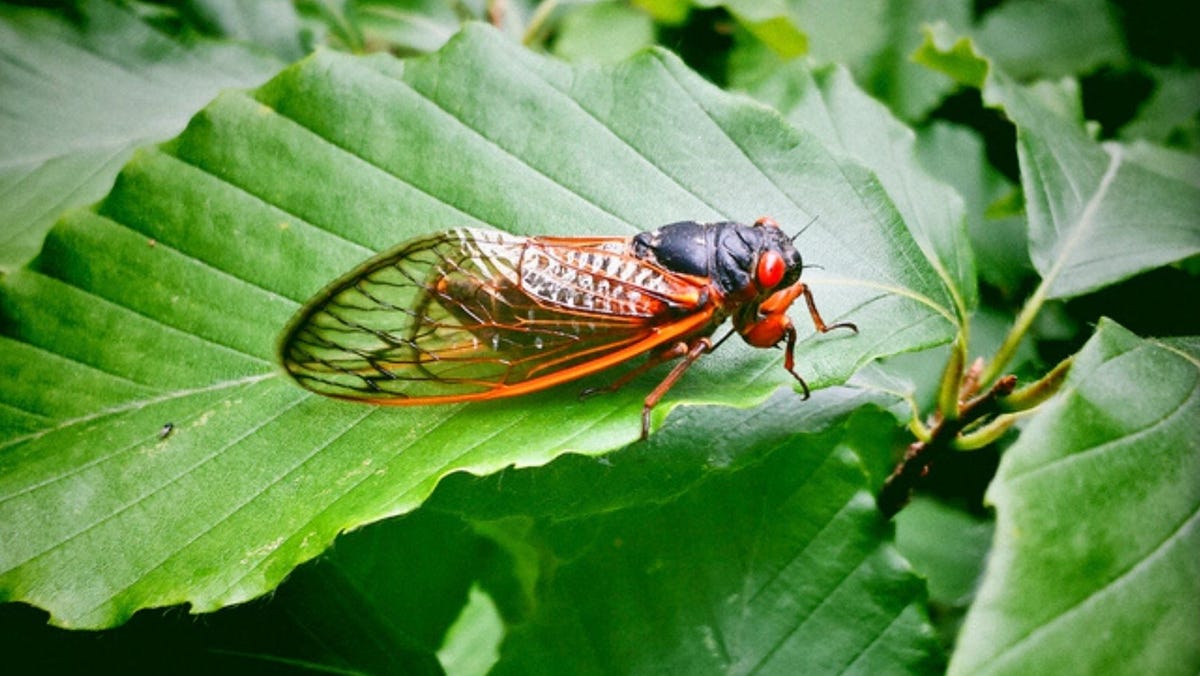
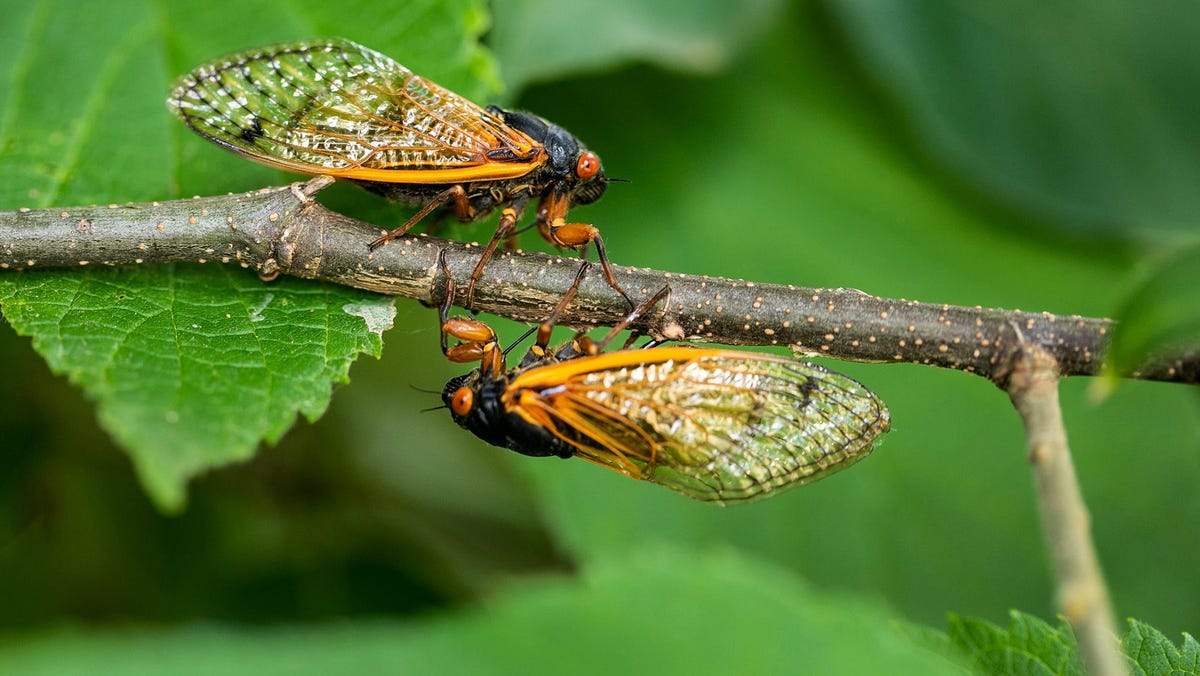
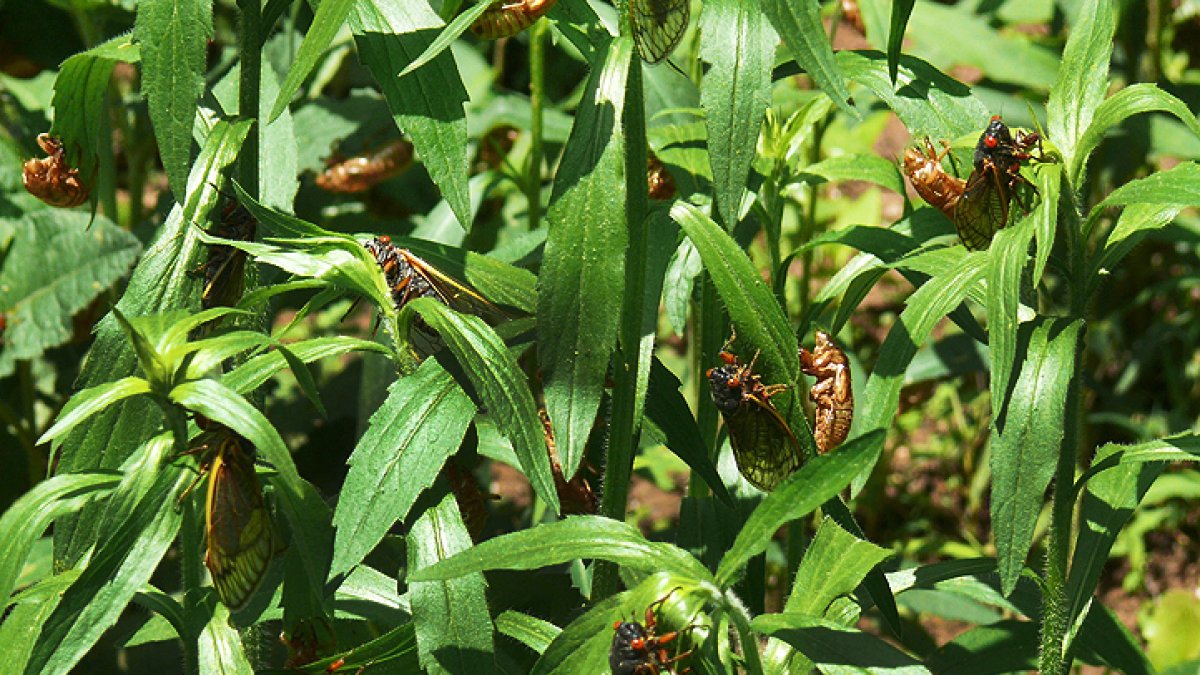
Trillions of cicadas will emerge in a rare, double-brood event across 17 states in the Southeastern and Midwestern U.S., with an overlap in Illinois and Iowa, beginning in mid-May and lasting through late June. These two broods, Brood XIX and Brood XIII, have the longest life cycle of any insect, waiting 13 or 17 years to emerge. Despite their overwhelming numbers, cicadas are not harmful to humans, pets, or crops, and can provide environmental benefits such as serving as a food source for predators and improving soil quality.

environment1 year ago

"Anticipating the Roar: Illinois Braces for Rare Double Brood Cicada Emergence"

Two cicada broods are set to emerge in Illinois this spring and summer, with densities of up to a million and a half per acre. The noise from these insects, which can reach decibels similar to a lawn mower or passing jet, is expected to be disruptive, but their life cycle is short, lasting just four to six weeks. The emergence is predicted to occur between mid-May and early June, with the Northern Illinois Brood's emergence typically lasting approximately four weeks. While the noise may be substantial, cicadas are harmless and can be appreciated by nature lovers, and they also provide benefits such as being a valuable food source for birds and improving water filtration into the ground.

nature2 years ago

"2024 Cicadapocalypse: Unprecedented Emergence of Broods Set to Impact Multiple States"

In 2024, two broods of cicadas, Brood XIX and Brood XIII, are set to emerge in multiple states across the Southeast and Midwest, with an overlap in Illinois and Indiana. Brood XIX has a 13-year life cycle and will emerge in 14 states, while Brood XIII, with a 17-year life cycle, will emerge in five Midwestern states. Once above ground, cicadas will mate, lay eggs, and die within about five weeks. These insects are not harmful to humans or pets and can provide environmental benefits, such as being a food source for predators and improving soil quality.

nature2 years ago

The Mystery of Mexican Jumping Beans Unveiled.

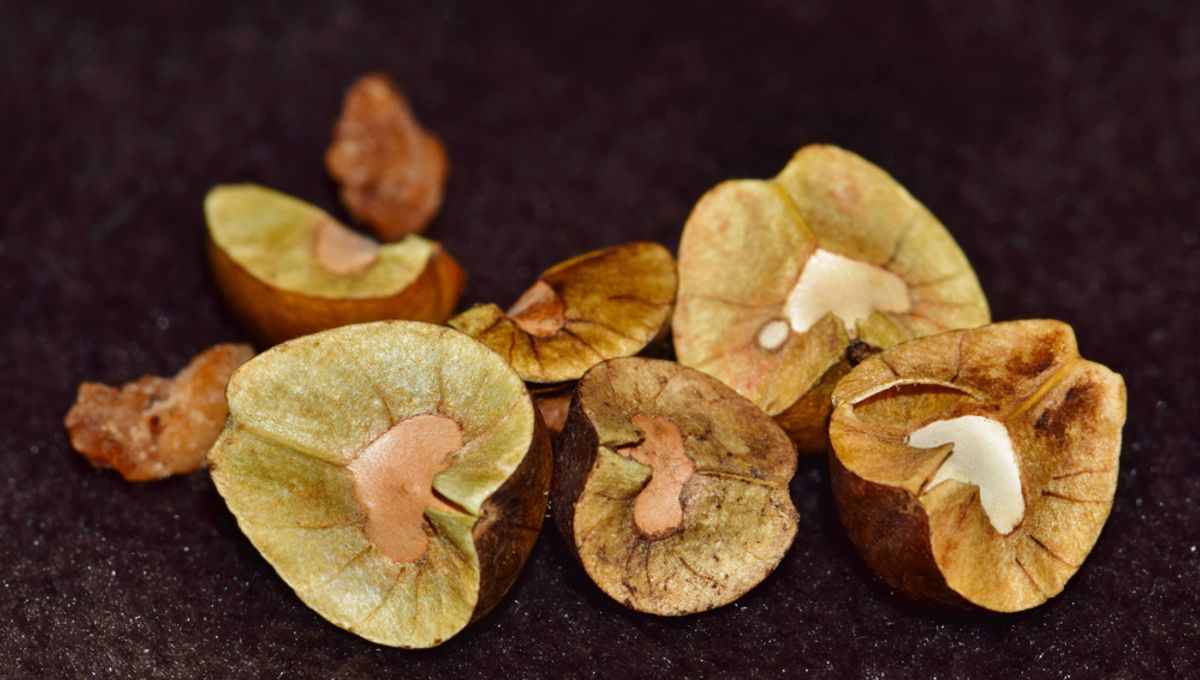
Mexican jumping beans are seed pods inhabited by the larvae of a small moth, which cause the seed to jump around due to their movement inside. This is a natural part of the bugs' life cycle and a survival strategy to find shade in the harsh environment of Mexico. The larva can wait for months inside the seed until conditions are right, then it enters a pupal stage and a silvery moth emerges. The moth only lives for a few days but hopefully reproduces and continues the life cycle.

nature2 years ago

The Truth About Eating Figs and Dead Wasps.

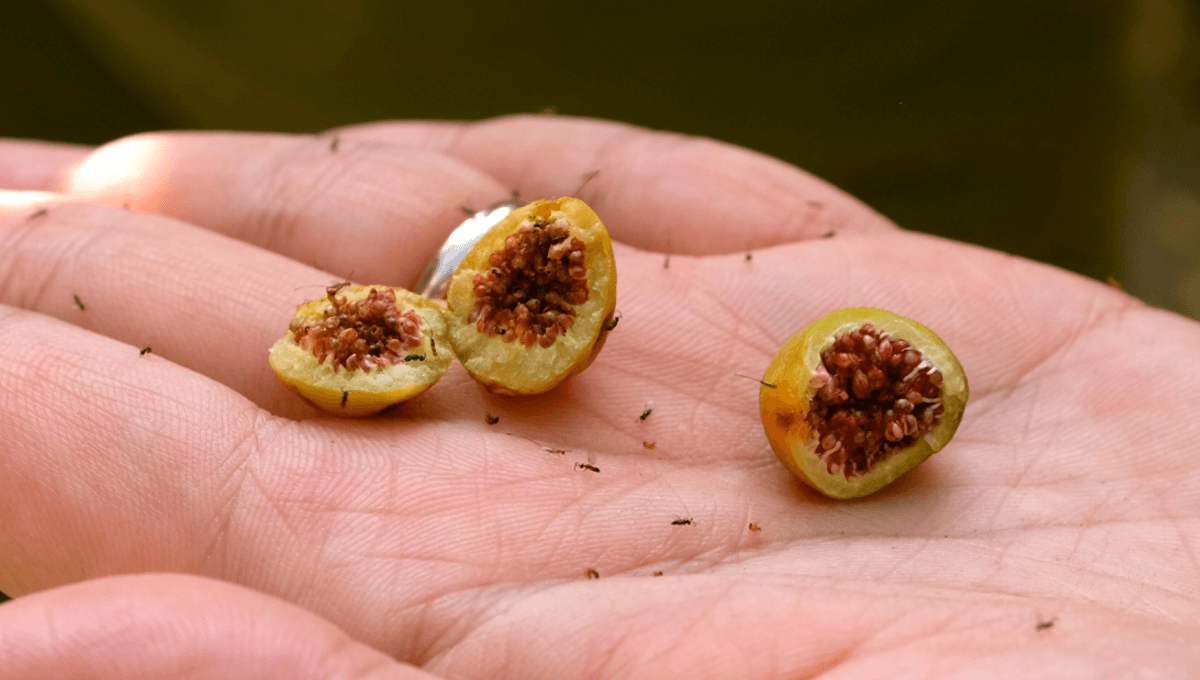
The relationship between figs and fig wasps is an example of obligate mutualism, as neither can complete their life cycle without the other. Female fig wasps crawl inside immature figs to lay their eggs and pollinate the flowers. Male fig wasps hatch inside the fruit and fertilize their sisters before dying and being absorbed by the fig. However, there are some fig varieties that don't require wasp-facilitated fertilization. While it's true that figs contain dead wasps, they are broken down by an enzyme and are not present in the ripe fruit.