Tag

Data Processing

All articles tagged with #data processing

science-and-technology1 year ago

NASA Solar Observatory Offline Until 2025 Due to Flood

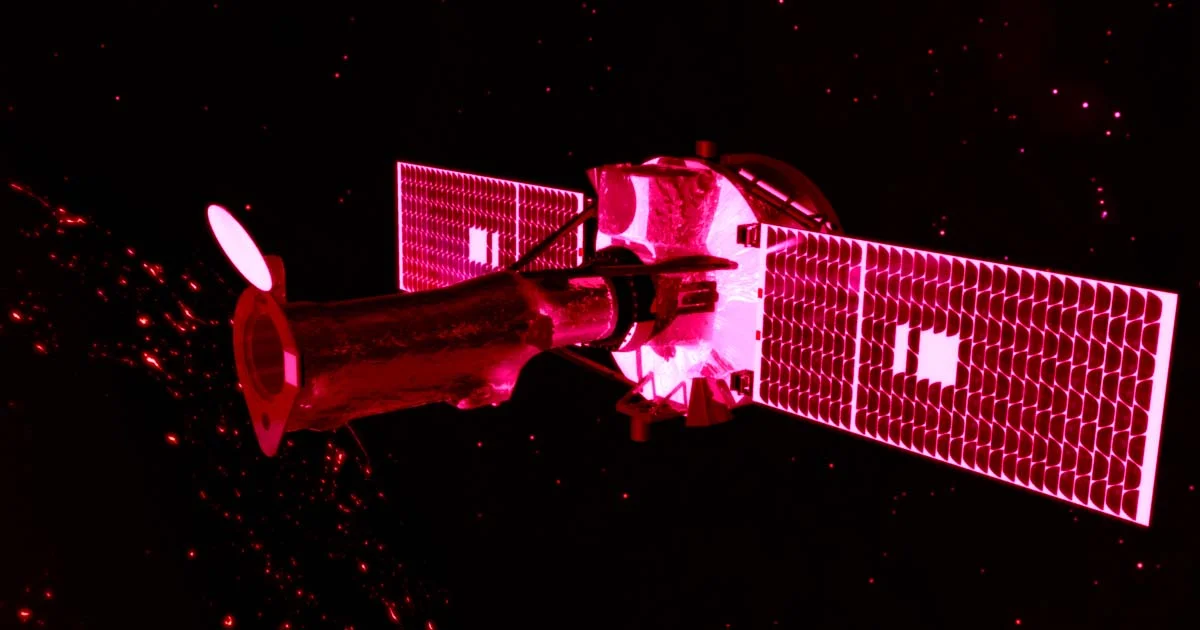
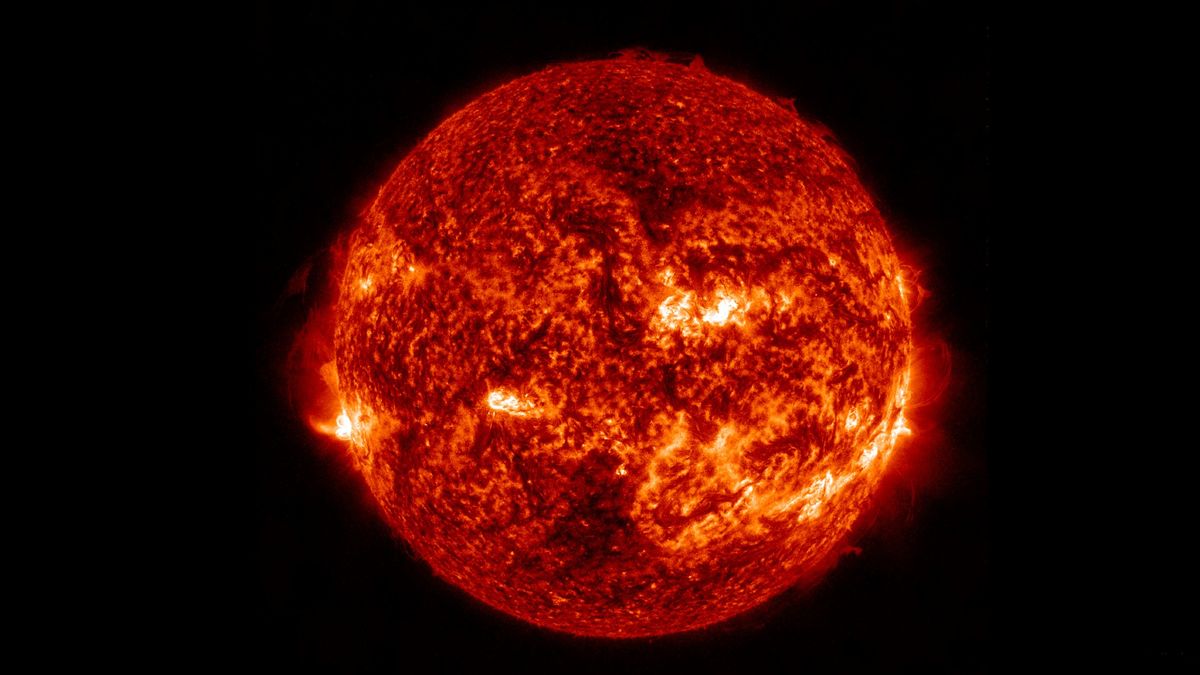
A burst water pipe at Stanford University's SDO Joint Science Operations Center has severely disrupted data processing for NASA's Solar Dynamics Observatory and Interface Region Imaging Spectrograph spacecraft. While the flood caused extensive damage and will delay data processing until 2025, no incoming data is expected to be lost as the data capture systems remain functional. The spacecraft continue to operate normally, sending data back to Earth.

science1 year ago

NASA Sun Probe Halted by Water Pipe Malfunction

A burst water pipe at Stanford University's server room has halted data processing for NASA's Solar Dynamics Observatory (SDO) and IRIS spacecraft. The flooding caused extensive damage to equipment used for processing data from SDO's Helioseismic and Magnetic Imager and Atmospheric Imaging Array instruments. While the spacecraft continue to operate normally, data processing is delayed until repairs are completed, expected in 2025. The Extreme Ultraviolet Variability Experiment instrument's data remains unaffected.

science-and-astronomy2 years ago

"Unveiling the Cosmic Mysteries: How AI Revolutionizes Astronomy"

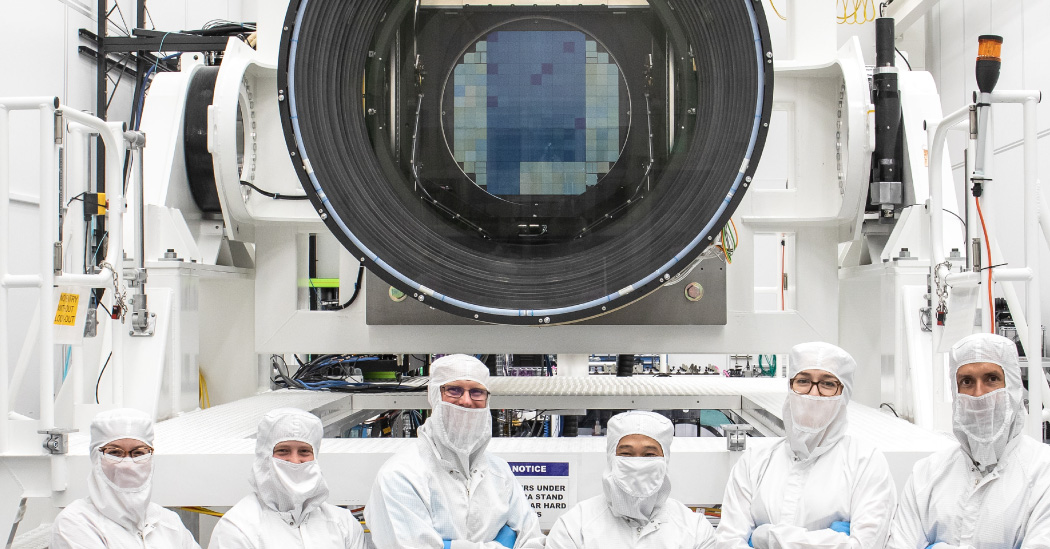
Artificial intelligence (AI) is revolutionizing the field of astronomy by helping astronomers make new discoveries. AI is being used to process and clean raw astronomical images, classify galaxies, remove optical interference from ground-based telescope images, and understand the fundamental nature of the cosmos. Neural networks are aiding cosmologists in unraveling the mysteries of dark matter and dark energy. With the increasing amount of data generated by modern observatories, AI is becoming essential in analyzing and identifying unexpected objects. The upcoming Vera C. Rubin Observatory will rely on AI to flag potentially interesting objects. AI is transforming the way astronomers interact with the universe and holds the potential for future groundbreaking discoveries.

technology2 years ago

"The Enduring Power of the IBM Mainframe: A Closer Look at its Operations and Resilience"

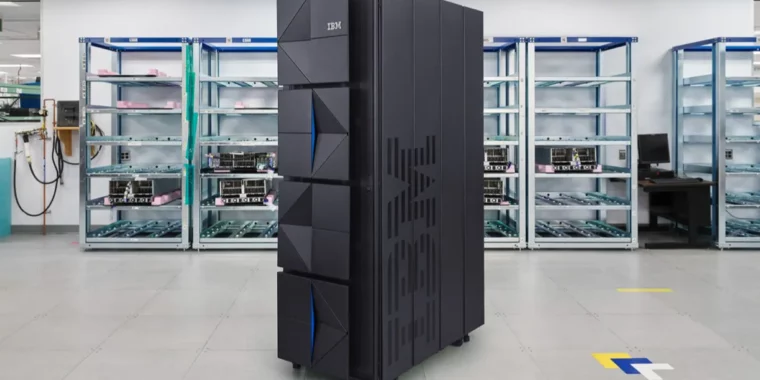
Mainframe computers, such as those manufactured by IBM, are still relevant today, with an estimated 10,000 in use by large companies worldwide. These purpose-built machines are designed to handle massive data workloads and provide high throughput and redundancy for critical operations like high-volume financial transactions. With up to 240 server-grade CPUs, large amounts of RAM, and petabytes of storage, mainframes ensure 99.999% uptime and rapid response times. While cloud and cluster platforms are competitors, they often lack the cost-effectiveness and reliability of mainframes.

technology2 years ago

The Rise of Google Analytics 4: Reactions and Replacements

Universal Analytics is being officially replaced by Google Analytics 4, with the shutdown being rolled out in stages. Marketers are now required to migrate to Google Analytics 4 to track website performance and campaigns. Google has been warning about this transition for over a year and has advised marketers to make the switch as soon as possible. The final phase of the shutdown is set for July 2023, after which all marketers will no longer have access to the Universal Analytics user interface and API.

science-and-technology2 years ago

Accelerating Astronomical Discoveries with AI.

Artificial intelligence (AI) is helping astronomers process massive data sets and make new discoveries about the universe. AI algorithms are being used to pick out patterns of galaxies, classify celestial objects, and search for exoplanets with 96% accuracy. AI is also being used to detect new exoplanets, learn about the ancestral stars that led to the formation and growth of the Milky Way, and predict the signatures of new types of gravitational waves. Generative AI and large language models are also being used to create sharper images of black holes and organize scientific papers on astronomy.

technology2 years ago

NRO's Innovative Electro-Optics to Track Moving Targets from Space

The National Reconnaissance Office (NRO) will release a request for proposals in the fall for innovative electro-optical capabilities for Earth observation. The NRO is looking for new sensors, innovative ways of processing data, and constellations. The agency wants to work with US and foreign-owned companies with US subsidiaries to determine if there is a mutual benefit. The NRO has previously issued Broad Agency Announcements for synthetic aperture radar, hyperspectral, and radio-frequency data. The agency also acquires electro-optical imagery for US intelligence, defense, and federal civil agencies through contracts awarded to BlackSky, Maxar Technologies, and Planet.

science-and-technology2 years ago

Revolutionary Gigapixel 3D Microscope Reveals Life in Unprecedented Detail.

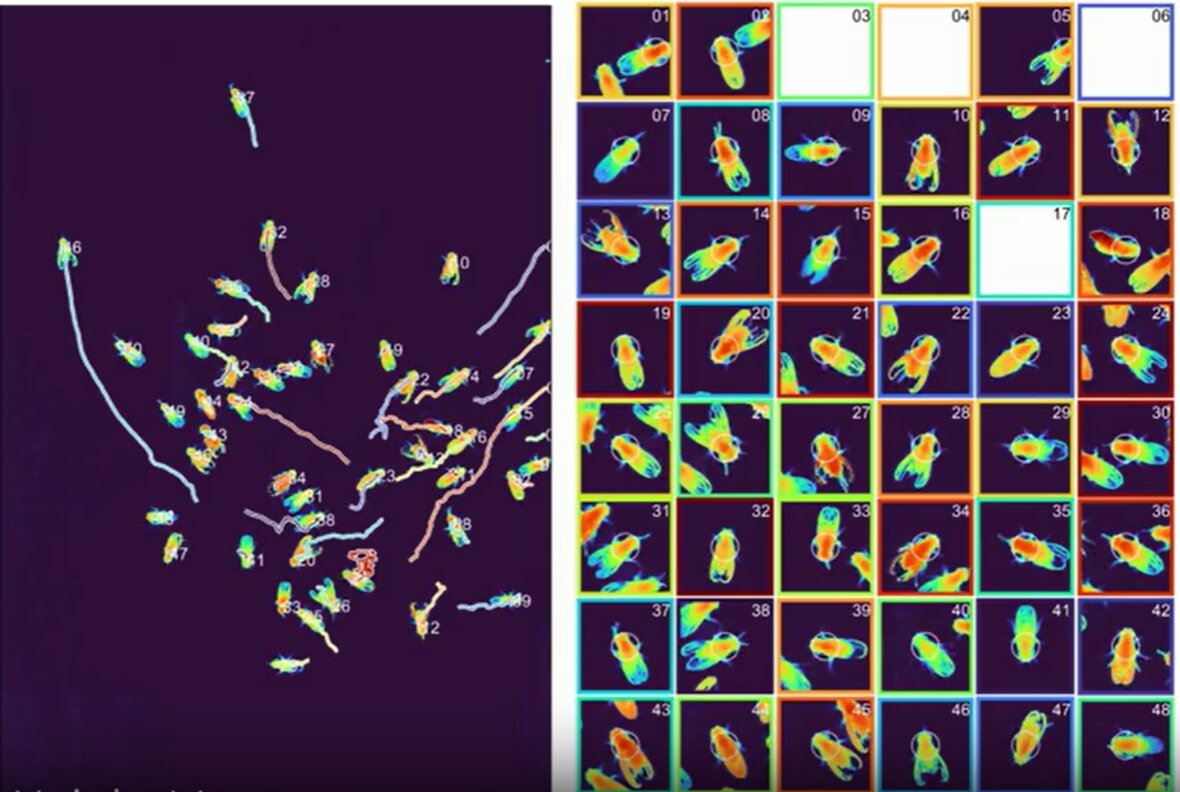
Researchers at Duke University have developed a high-speed, 3D, gigapixel microscope called a Multi Camera Array Microscope (MCAM) that stitches together videos from dozens of smaller cameras to provide 3D views of experiments. The MCAM can record 3D movies of the behavior of dozens of freely swimming zebrafish or the grooming activity of fruit flies at near cellular-level detail across a very wide field of view. The highly parallelized design of the MCAM creates its own data processing challenges, but the researchers have developed new algorithms that can efficiently handle these extremely large video datasets.