AOL is now part of the Yahoo family of brands, and the article discusses their use of cookies and personal data for various purposes including analytics, advertising, and content personalization, with options for users to manage their privacy settings.
Google's Danny Sullivan advises SEOs to focus on traditional SEO practices and content quality rather than dramatic changes for AI search, emphasizing that technical SEO has become less critical due to advanced CMSs, and that prioritizing AI-specific SEO efforts currently offers minimal returns.
Major streaming platforms like Netflix, Amazon, and Disney are increasingly using aggressive 'pause ads' that appear when viewers pause their content, with some taking up full screens and offering interactive features like shopping. These ads aim to monetize paused moments, boost engagement, and make advertising less intrusive, as media companies seek new revenue streams amid rising subscription prices and declining traditional TV viewership.
Apple is planning to introduce search advertising in Apple Maps starting in 2026, allowing businesses to pay for prominent placement in search results, similar to App Store ads, with AI to improve relevance. This move could face consumer backlash due to concerns over increased advertising on the iPhone, which already displays ads for Apple services. The feature is expected to launch possibly in spring 2026 with no specific date confirmed.
OpenAI's ChatGPT Atlas browser can mimic human clicks on ads, potentially draining ad budgets and corrupting analytics data, which poses risks for digital marketing and calls for new detection standards.
Some major brands like Heineken, Aerie, and Polaroid are adopting anti-AI advertising strategies to appeal to consumers' desire for authenticity and to counteract the perceived coldness and inauthenticity of AI-generated content, amid growing consumer skepticism and concerns about AI's societal impact.
Companies are exploring new strategies to increase user sessions as Google's AI-powered search tools lead to a decline in traditional web traffic, prompting a shift in digital marketing approaches.
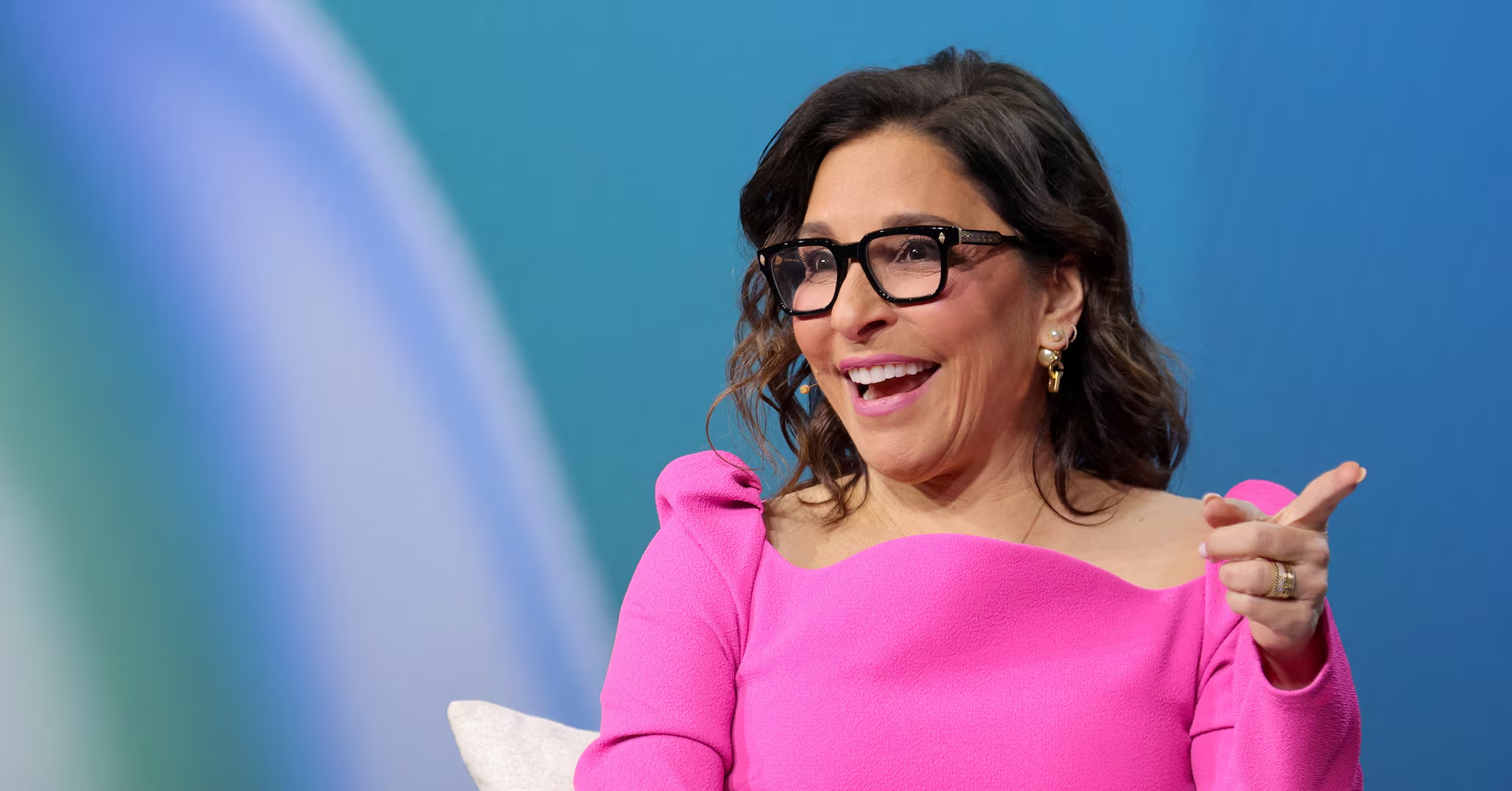
Linda Yaccarino, former CEO of X Corp., has taken the CEO position at eMed Population Health, a telehealth company specializing in GLP-1 weight loss drugs, after leaving X. Despite lacking health sector experience, she brings expertise in brand partnerships and digital revenue growth, aiming to transform the obesity and diabetes treatment market through innovative digital care solutions.
Google's AI Overviews, introduced in May 2024, are reducing clicks to small business websites by providing direct answers at the top of search results, which impacts traditional traffic and lead generation. While impressions may increase, actual visits decline, prompting businesses to adapt by improving their educational content, managing their online reputation, and exploring alternative traffic sources like video content. Acting now can help small businesses stay competitive in the evolving AI-driven search landscape.
The article discusses how the Dropout series' 'Game Changer' social videos successfully used gamification techniques to boost engagement and virality, highlighting the rapid impact of their marketing strategy.
A study analyzing 10,000 keywords found that Google's AI Mode produces highly inconsistent results, with only 9.2% URL overlap across repeated searches and minimal overlap with organic search results, highlighting the volatility and potential opportunities for content visibility in AI-driven search environments.
The article discusses how to strategically use AI, particularly ChatGPT, to generate income online in 2025 by enhancing services like copywriting, graphic design, video editing, and content creation, while warning against common pitfalls such as over-reliance on AI without personalization. It emphasizes the importance of combining AI tools with expertise and consistent marketing to succeed.
Amazon Ads and Roku have formed a landmark partnership to give brands access to over 80% of U.S. connected-TV households, using Amazon's DSP to place ads across Roku and Prime Video platforms, with the market launch expected by late 2025. Early trials show increased reach and efficiency, marking a significant advancement in targeted digital advertising.,
The article discusses the potential decline of Google's dominance in search due to AI advancements and legal challenges, emphasizing the importance for businesses to adapt by building direct relationships with their audience through personal branding and alternative channels to maintain visibility and control over their traffic and data.
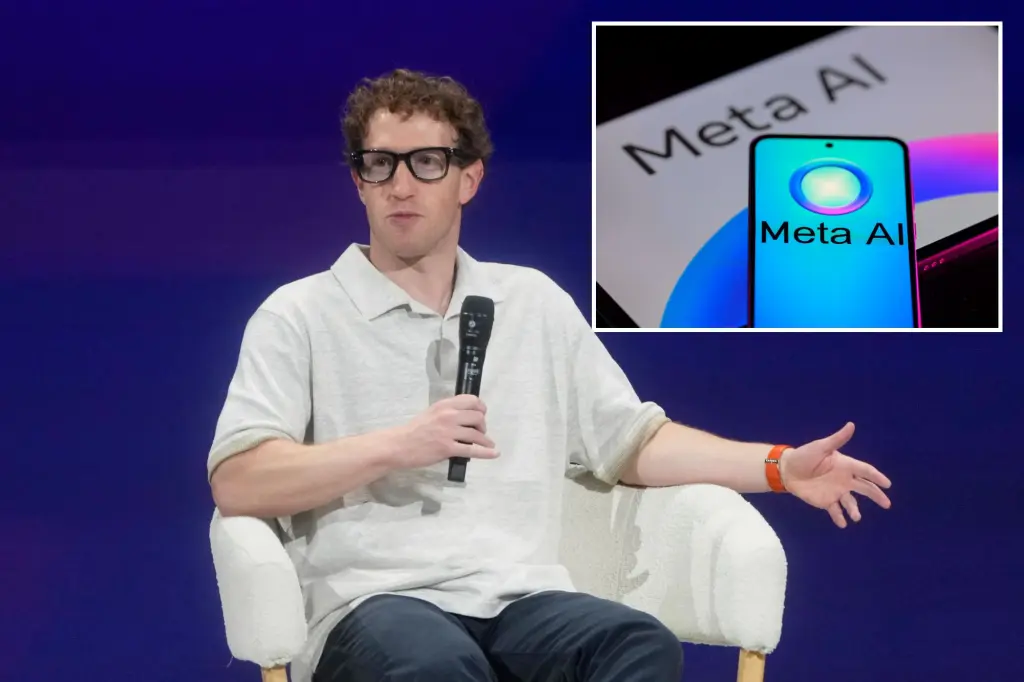
Meta aims to fully automate advertising creation and targeting using AI by 2026, enabling brands to generate personalized ads and optimize targeting across Facebook and Instagram, as part of its broader strategy to build an AI-driven marketing platform. The move is part of a competitive landscape where social media and tech giants are investing heavily in AI tools for advertising, despite concerns over brand safety and creative control.