NASA has installed advanced electric thrusters as part of the AEPS system on the Gateway station, enhancing propulsion efficiency for lunar and deep space missions, supporting NASA's Artemis program and future exploration endeavors.
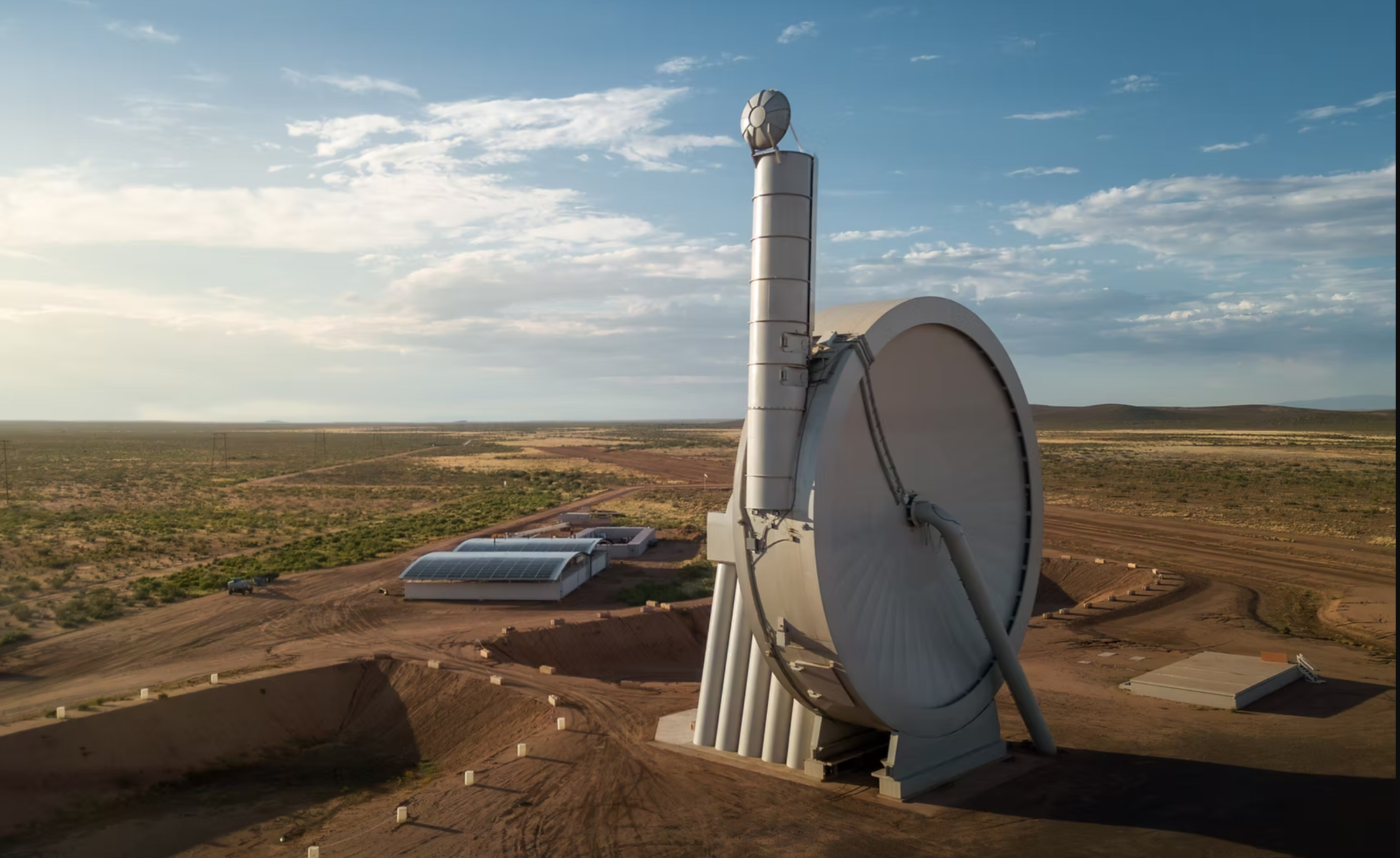
SpinLaunch, a California startup, has developed a revolutionary electric-powered system that uses a giant slingshot mechanism to launch satellites into orbit, aiming to reduce costs and environmental impact compared to traditional rocket launches. The system relies on a rotating arm inside a vacuum chamber to fling small satellites into low Earth orbit, with successful tests already conducted and plans for a full-scale launch site underway. This innovative approach draws on ancient physics and modern materials, representing a significant shift in space launch technology.
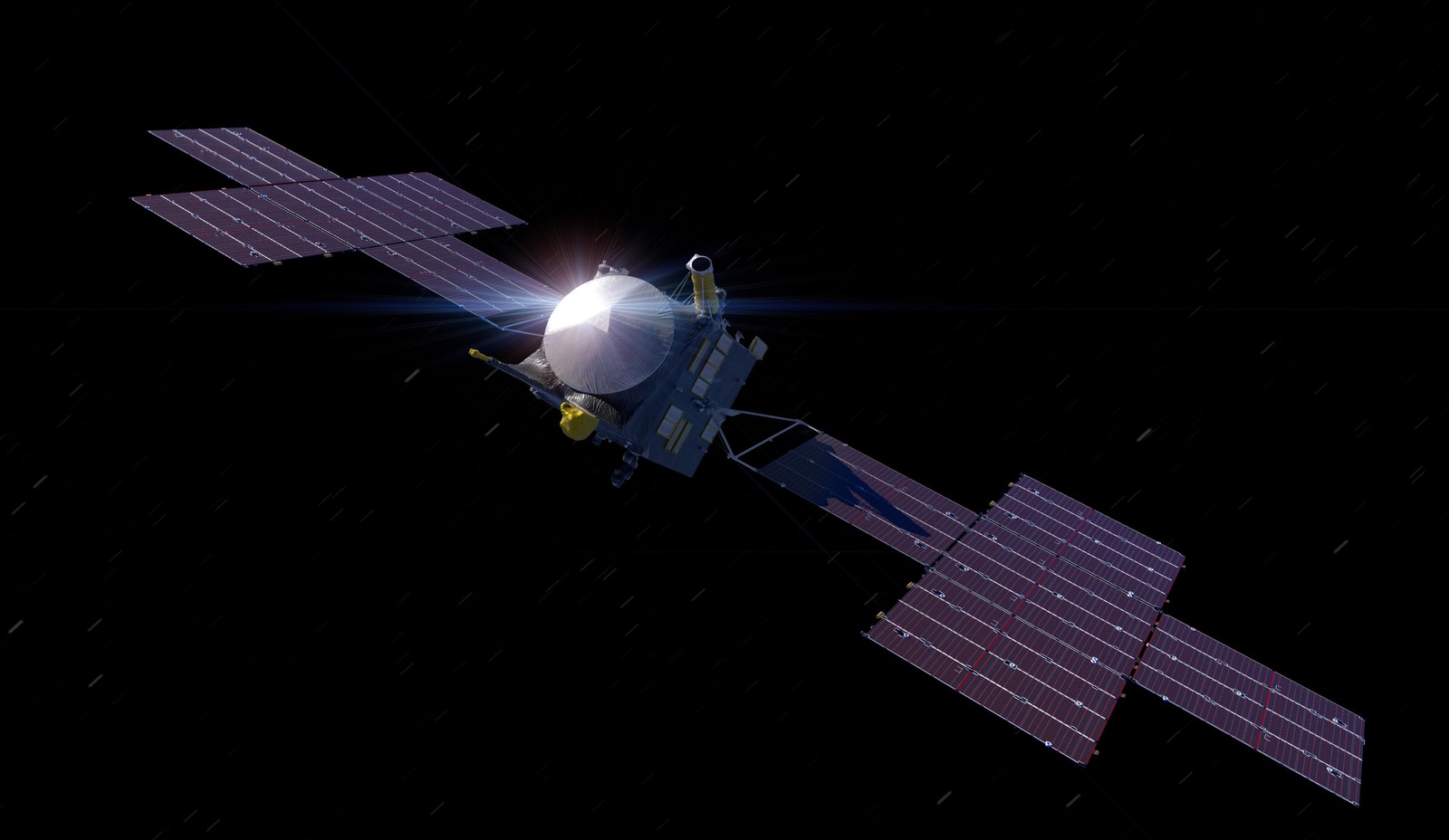
NASA's Psyche spacecraft has switched to a backup propellant line after a valve malfunction caused a pressure drop in its xenon thrusters. The agency plans to restart the thrusters by mid-June, ensuring the mission's continuation to study the metallic asteroid Psyche in 2029, despite previous development delays and cost increases.
Benchmark Space Systems has successfully flown its first electric thruster, the Xantus, on the Electro-Optical/Infrared (EO/IR) Weather Systems (EWS) demonstration cubesat. The thruster, acquired through the company's acquisition of Alameda Applied Science Corporation, uses molybdenum as propellant and is expected to be used for end-to-end spacecraft operations, including deorbiting. Benchmark plans to produce more than 50 units this year, with a focus on serving the microsat and ESPA-class spacecraft market.
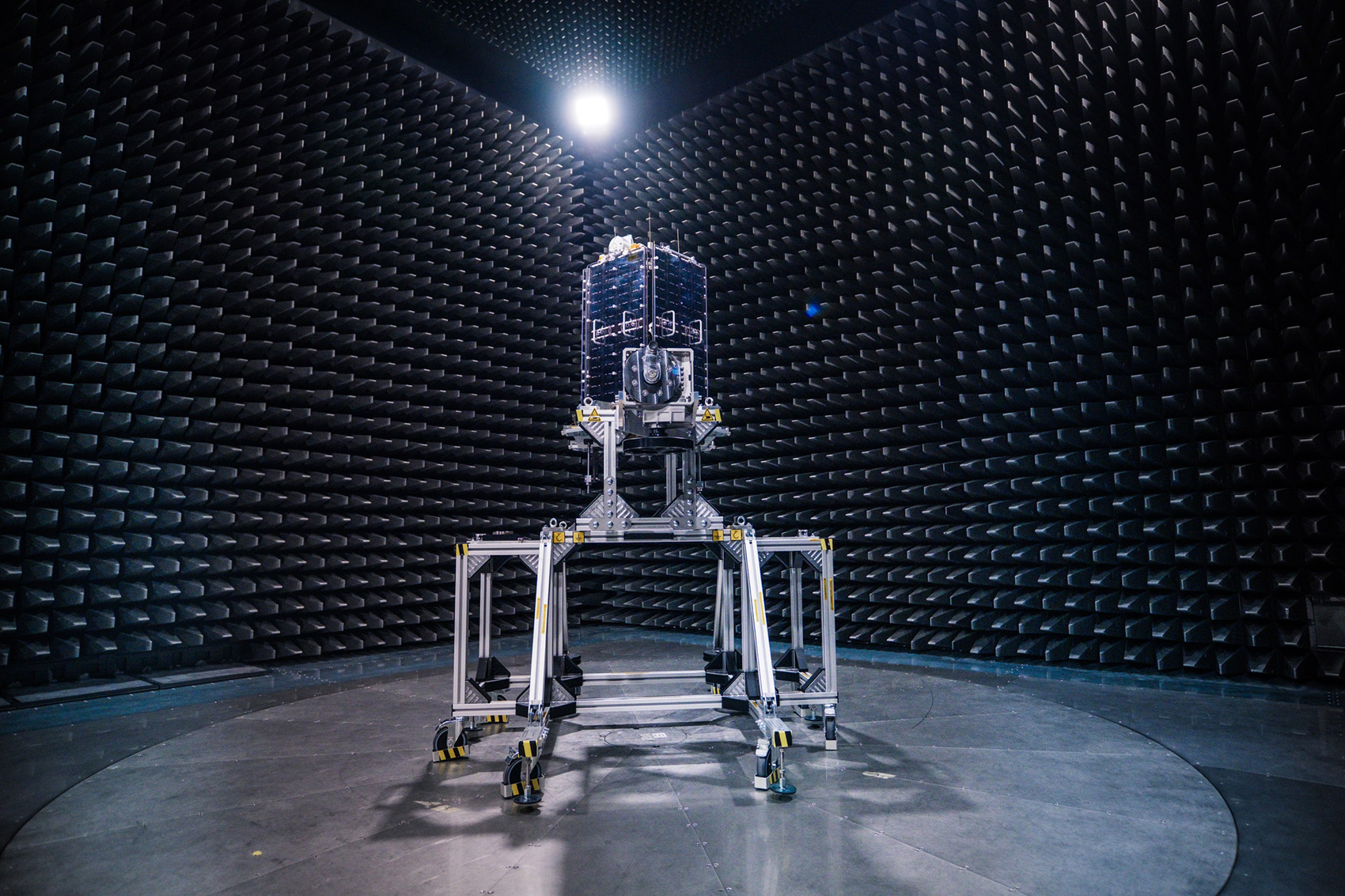
Italy's SITAEL, a private space company, has achieved a major milestone with the successful launch and operation of the first Italian all-electric satellite, "MicroHETSat", designed and built for the European Space Agency. The satellite, equipped with electric propulsion thrusters, was launched aboard a SpaceX Falcon-9 mission and is now in full operation. SITAEL's Managing Director, Marco Molina, highlights the company's growth and collaboration with Italian and European space agencies, as well as its plans to expand production capabilities and provide turnkey solutions for satellite missions.
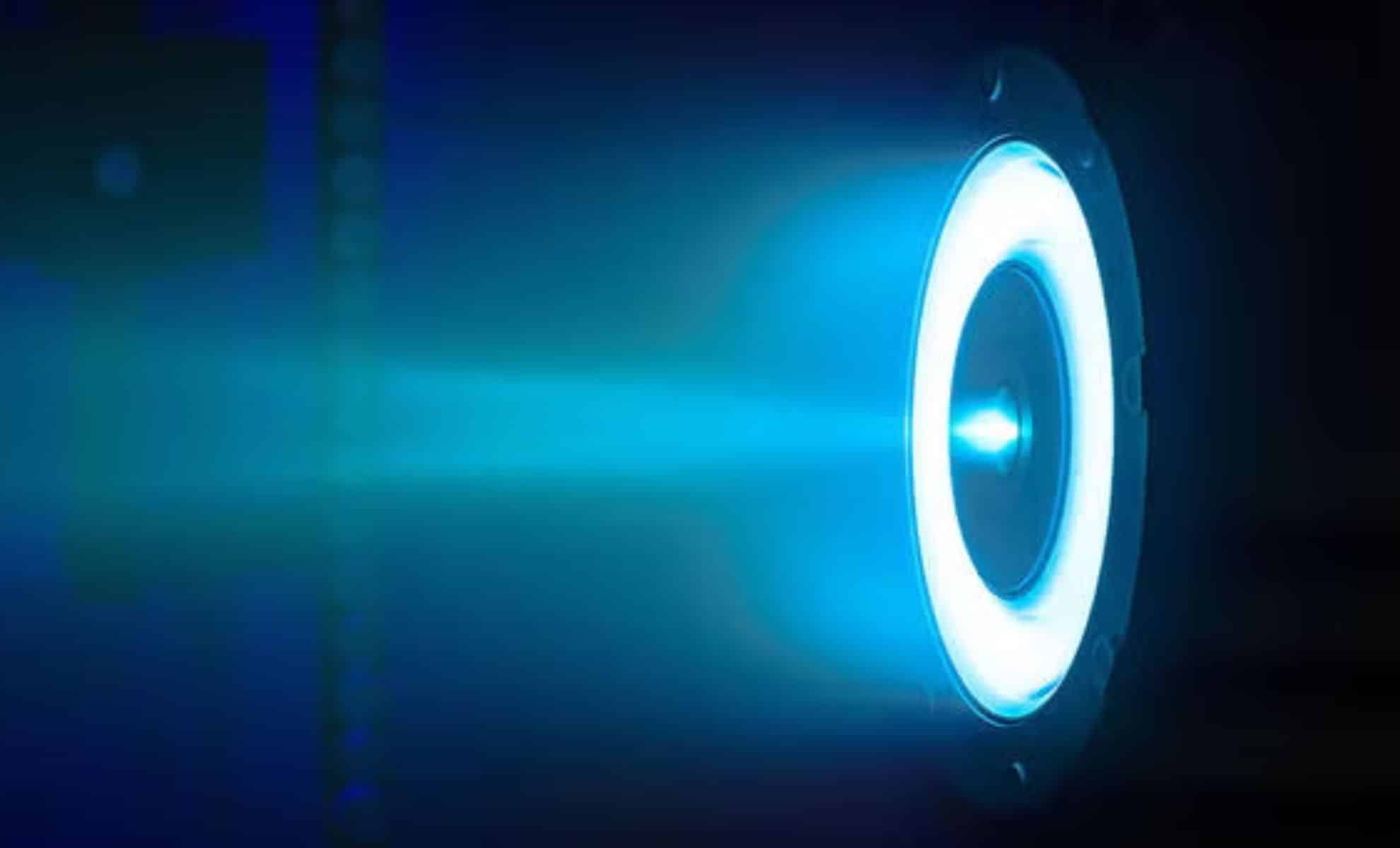
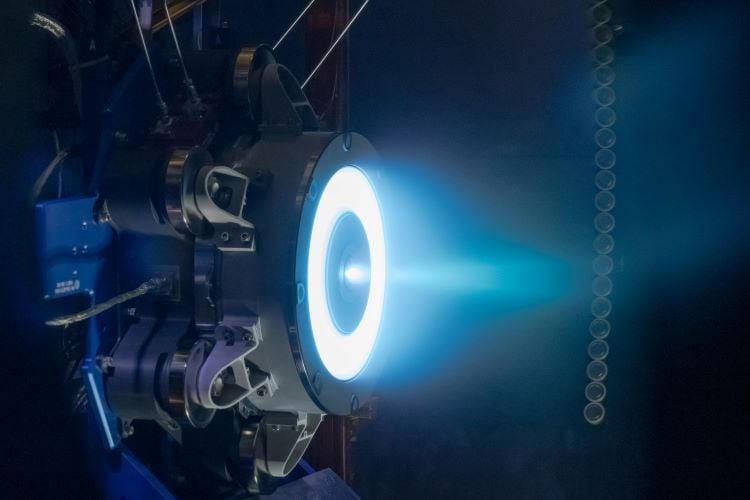
NASA and Aerojet Rocketdyne have successfully completed qualification testing of the Advanced Electric Propulsion System (AEPS), the most powerful electric propulsion thruster currently being manufactured. AEPS, a 12-kilowatt solar electric propulsion engine, uses ionized xenon gas to produce a longer duration and more efficient thrust compared to traditional chemical propulsion. The goal is to use AEPS on NASA's Gateway space station, providing power, propulsion, and communication capabilities. AEPS could also be used for deep space missions in the future.
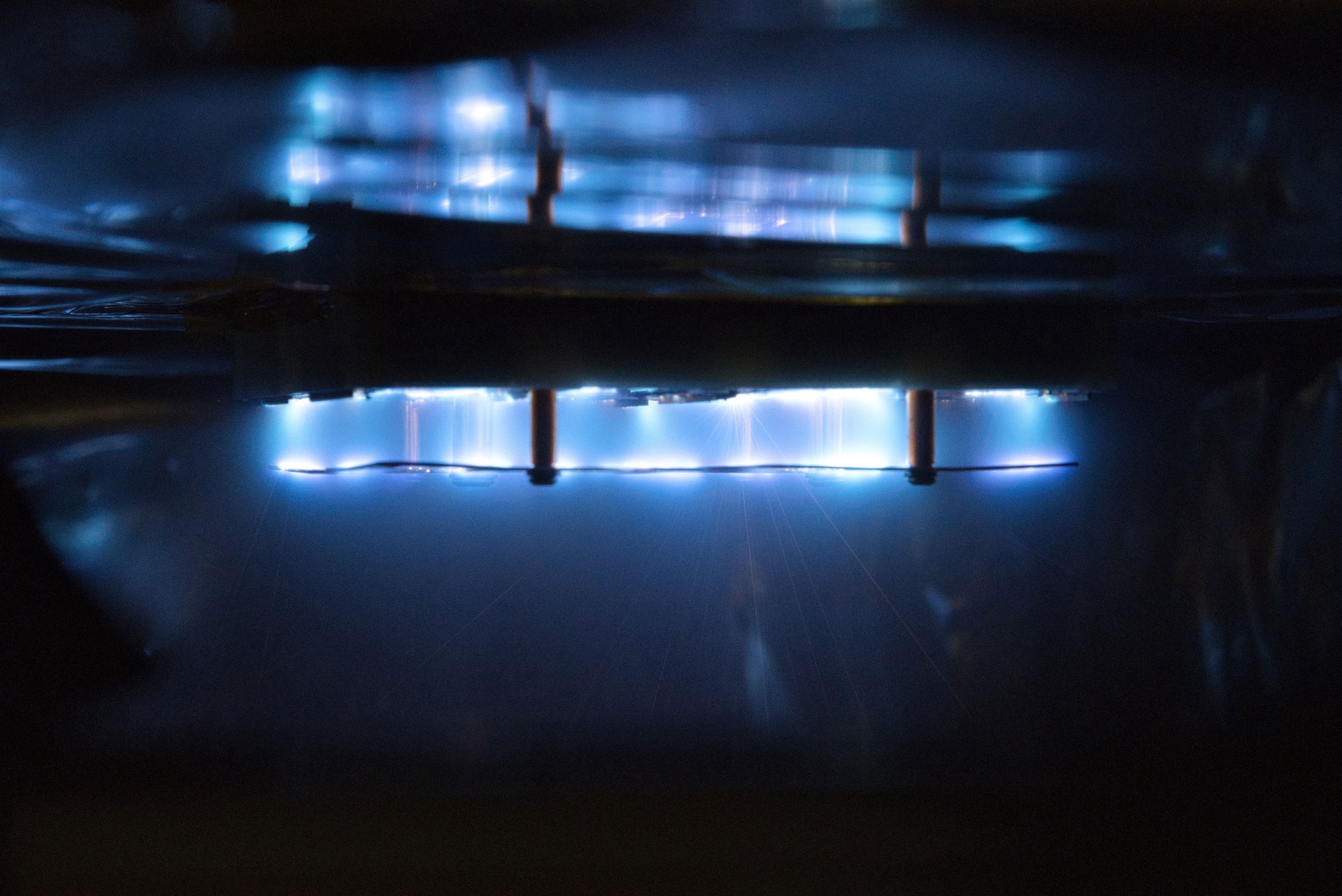
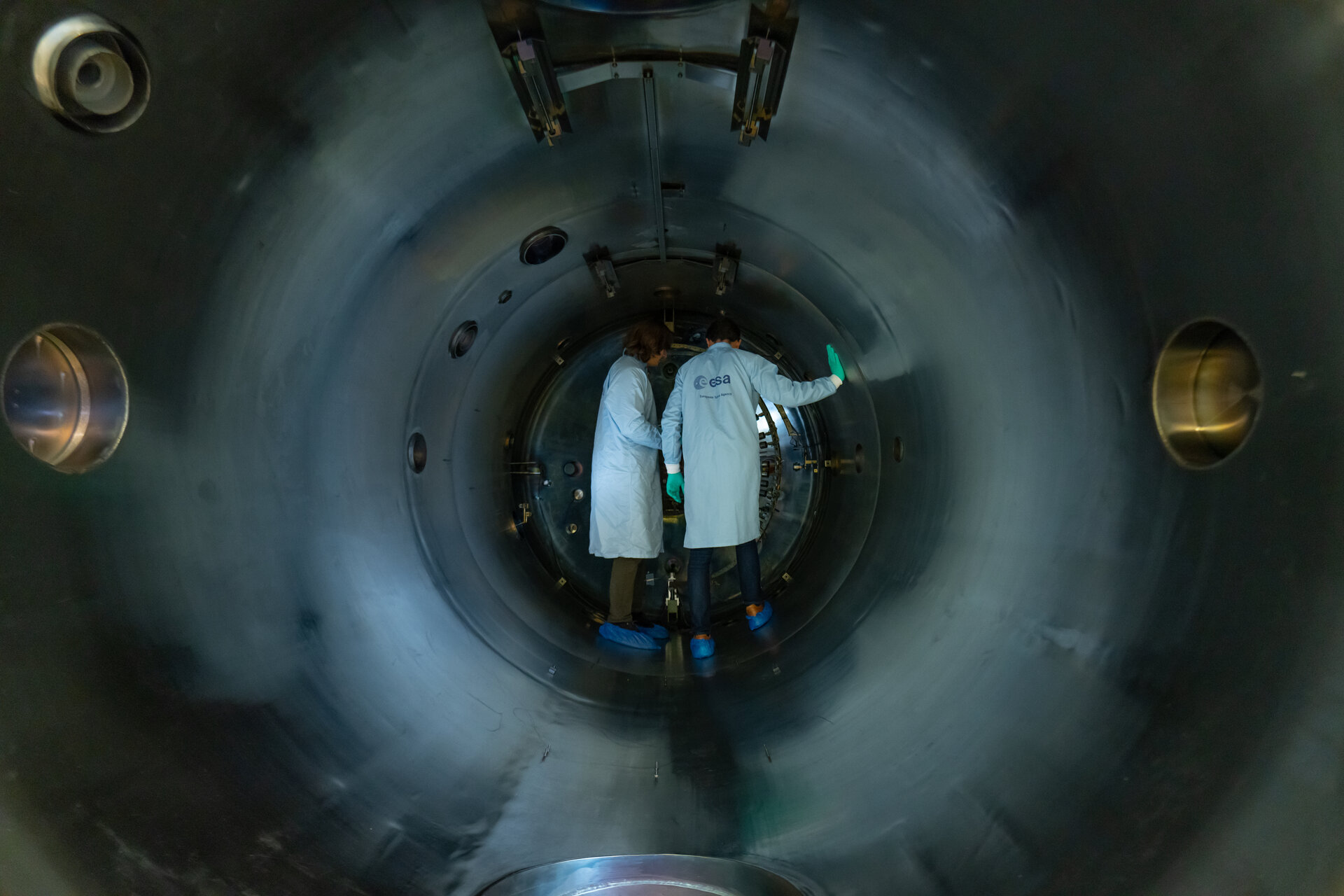
Engineers at the ESA Propulsion Laboratory are using the CORONA test facility, the largest vacuum chamber, to evaluate a compact electric propulsion design for microsatellites and CubeSats. Electric propulsion, which achieves high efficiency by accelerating propellant through electrical or magnetic methods, requires vacuum conditions for operation. The test chambers are equipped with pumps and coolers to create a vacuum environment. The lab also conducts testing for cold gas thrusters and liquid flow, and aims to accelerate the development of propulsion systems, simulation tools, and training for the next generation of engineers.
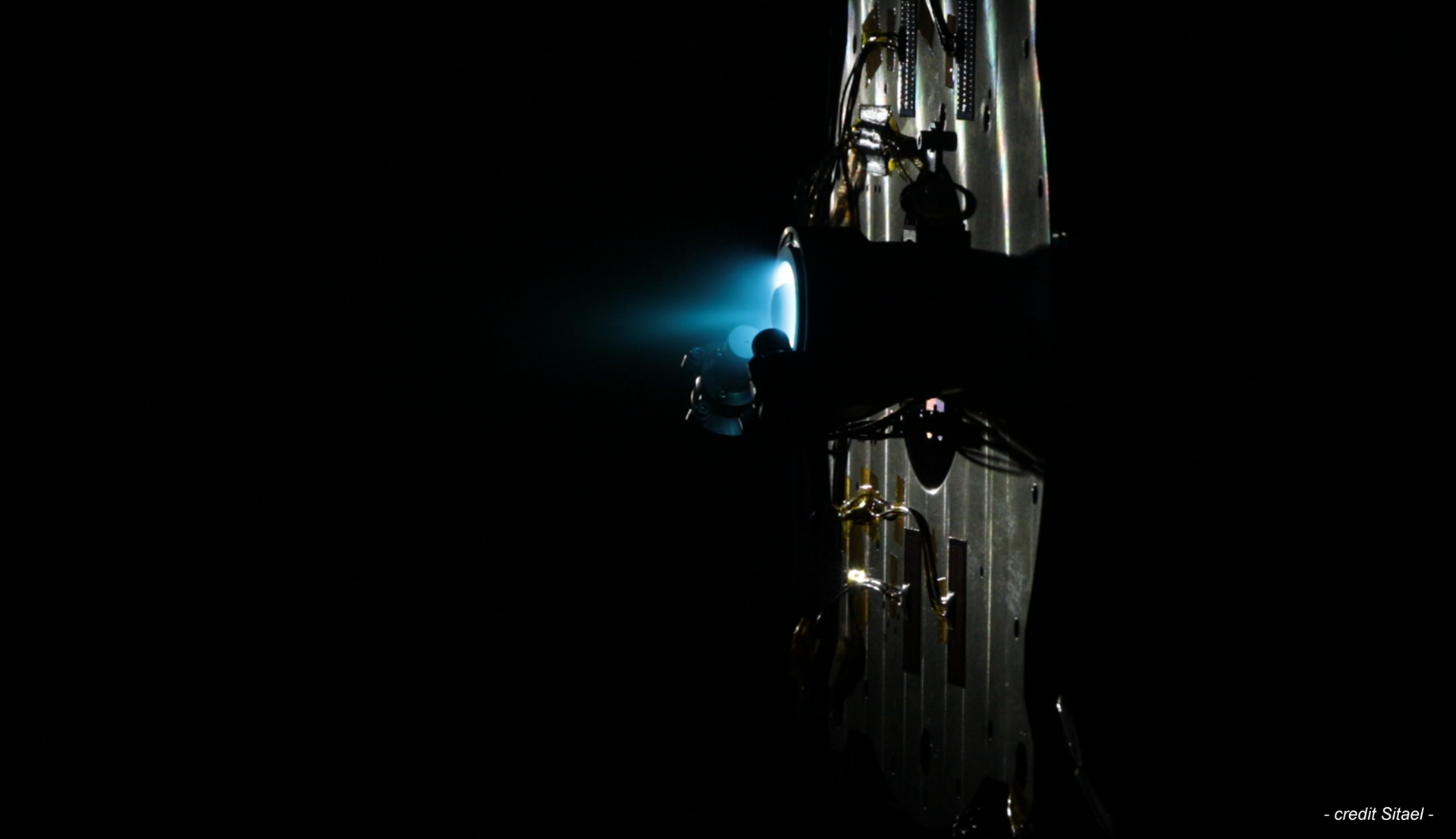
Sitael's compact electric propulsion system, the HT100, has successfully completed its qualification firing test campaign in space-representative conditions. The system, centered on a low power Hall Effect Thruster, is ready to be deployed on the µHETSat microsatellite mission. The thruster, which uses xenon propellant, will be tested in orbit to raise and lower the satellite's orbit over a two-year lifespan. The mission is supported by ESA's General Support Technology Programme.
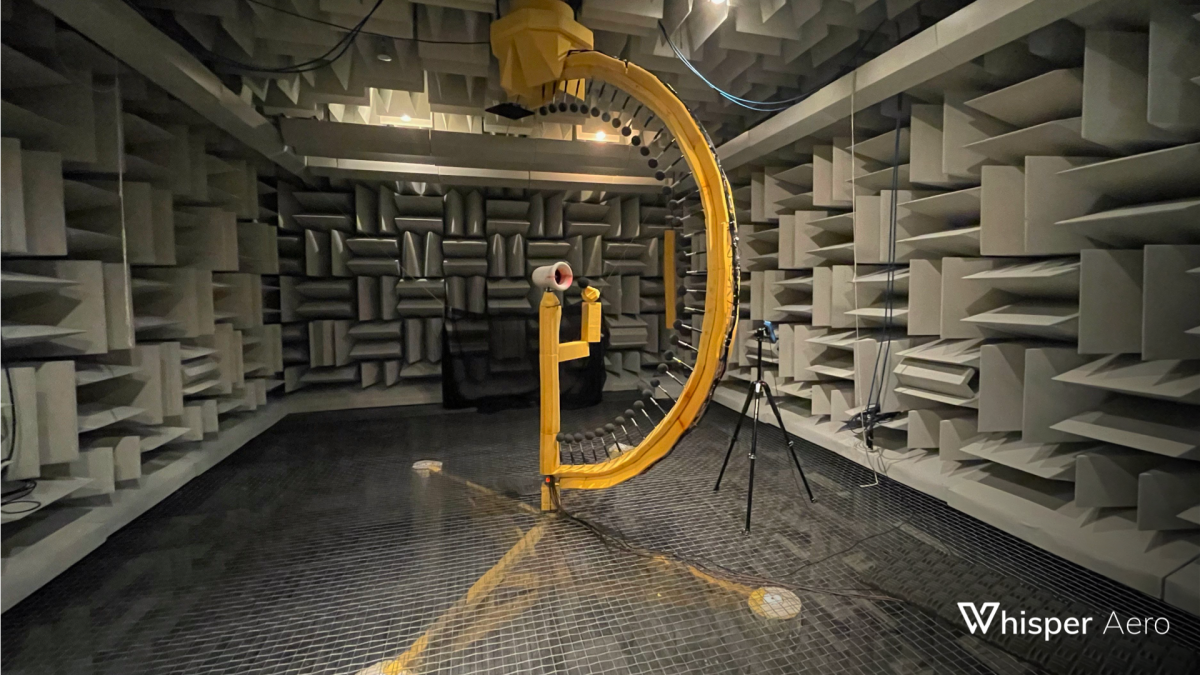
Whisper Aero, a Tennessee-based startup, has developed an electric ducted fan that reduces noise and increases efficiency for various applications, including eVTOL aircraft and drones. The company has raised $32 million in a Series A funding round led by Menlo Ventures, EVE Atlas, Capricorn Investment Group, and Connor Capital. Whisper Aero has already secured contracts with the U.S. Department of Defense to validate its propulsor, which can make drones undetectable by noise at an altitude of 200 feet. The company plans to expand into commercial aviation, industrial, and consumer markets in the future.