Tag

Molecular Structure

All articles tagged with #molecular structure

Innovative Lightweight Polymer Films for Enhanced Corrosion Protection

Originally Published 2 months ago — by Nature

Featured image for Innovative Lightweight Polymer Films for Enhanced Corrosion Protection
Source: Nature

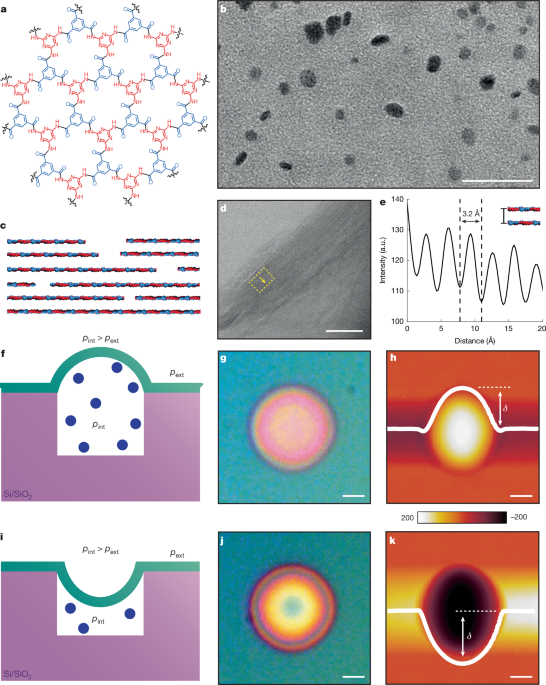
Researchers developed a highly impermeable, molecularly stable polymer from two-dimensional polyaramids, characterized by advanced microscopy, spectroscopy, and gas adsorption techniques, demonstrating its potential for barrier applications due to its robust amide bonds and ordered structure.

"Guinness Record: Scientists Create World's Tiniest Knot with 54 Atoms"

Originally Published 1 year ago — by Livescience.com

Featured image for "Guinness Record: Scientists Create World's Tiniest Knot with 54 Atoms"
Source: Livescience.com

Scientists accidentally created the world's smallest and tightest knot, consisting of just 54 atoms and resembling a trefoil with three interlaced crossings and no loose ends. The "metallaknot" contains gold and self-assembles, breaking the previous record for tightest knot with a backbone-to-crossing ratio of 23. This discovery could have implications for understanding molecular structures in DNA, RNA, and proteins, as well as potential applications in materials science and medicine.

"Nano-sized Copy Machine Uncovered in Origin of Life Study Using Cryo-microscopy"

Originally Published 2 years ago — by Phys.org

Featured image for "Nano-sized Copy Machine Uncovered in Origin of Life Study Using Cryo-microscopy"
Source: Phys.org

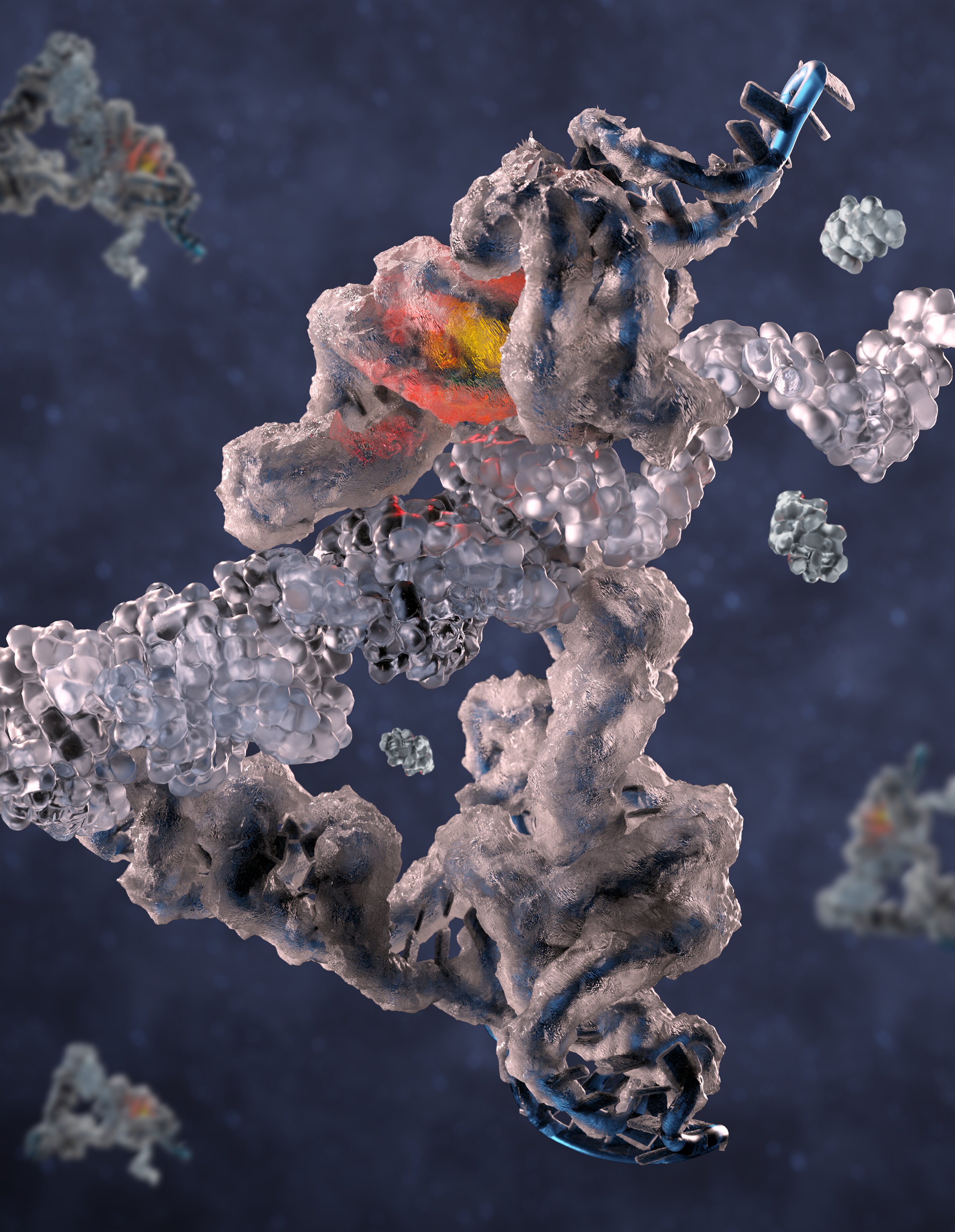
Cryogenic electron microscopy (cryo-EM) has revealed the first atomic structure of an RNA replicase, a nano-sized copy machine implicated in the origin of life. The RNA replicase, developed to be efficient at copying long templates using nucleotide triplets in eutectic ice phase, shows similarities to protein-based polymerases. Researchers conducted a comprehensive mutational study to understand its crucial elements and built a model for RNA-based RNA copying consistent with experimental data. The study provides insight into designing more efficient replication mechanisms and may lead to advancements in RNA nanotechnology and medicine.

Decoding the Intricate Molecular Structure of a Powerful Bacteriophage

Originally Published 2 years ago — by Phys.org

Featured image for Decoding the Intricate Molecular Structure of a Powerful Bacteriophage
Source: Phys.org

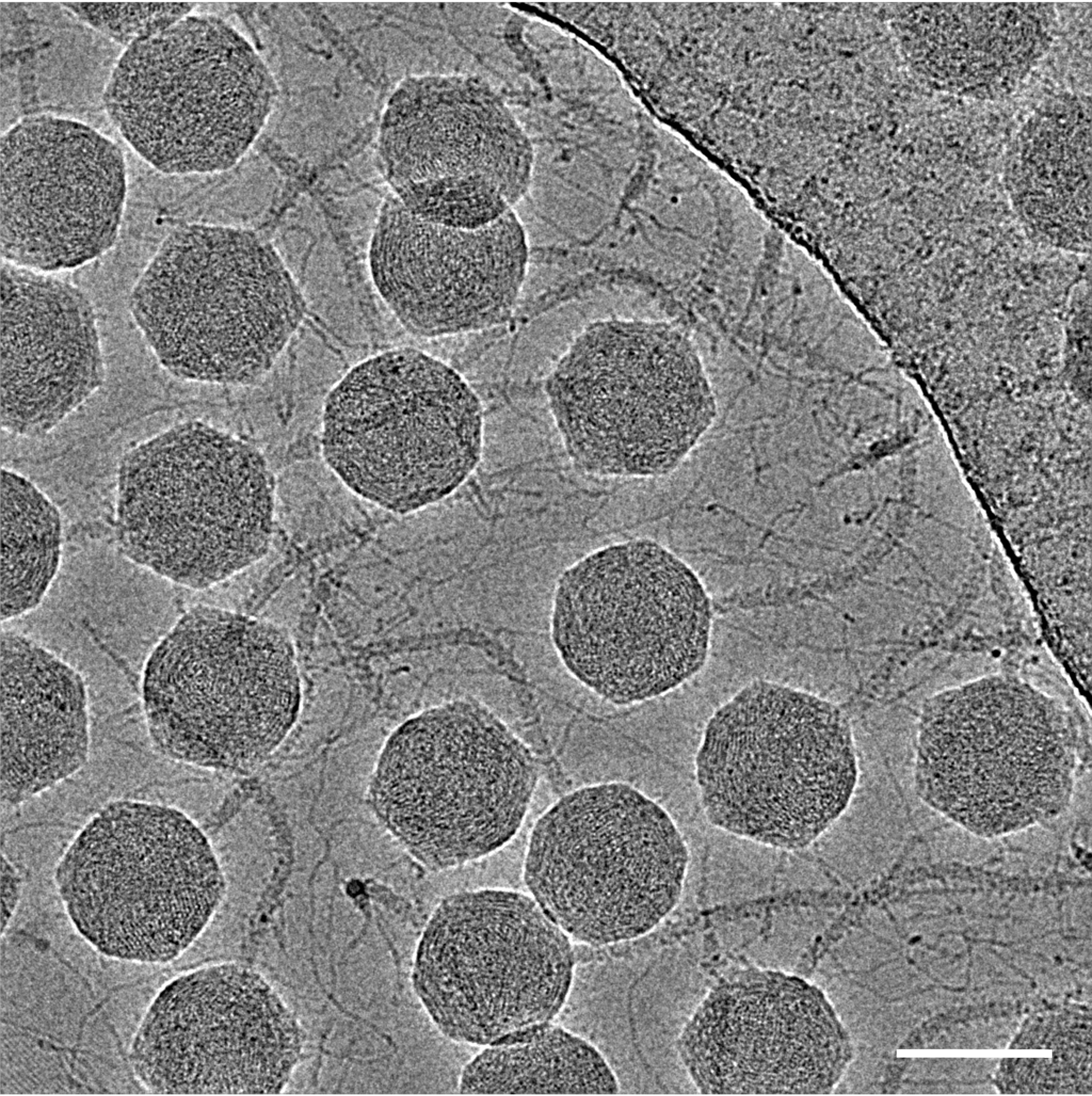
Scientists at the Okinawa Institute of Science and Technology have revealed the molecular structure of the tequintavirus, a type of bacteriophage that infects bacteria. Using cryo-electron microscopy, they obtained atomic models for all structural components of the virus, providing a detailed understanding of its organization at the atomic level. This research has implications for phage therapy, gene therapy, and the engineering of bacteriophages for specific purposes. The study also developed new methods for visualizing complex viruses, which could be applied to other viruses with similar shapes.

Unveiling the Molecular Structure of Nuclear Ground State: Physicists Crack Atom's Secrets

Originally Published 2 years ago — by SciTechDaily

Featured image for Unveiling the Molecular Structure of Nuclear Ground State: Physicists Crack Atom's Secrets
Source: SciTechDaily

Scientists at the Institute of Modern Physics have discovered molecular-type structures in the ground state of atomic nuclei, providing experimental evidence for a long-standing hypothesis. Using a novel experimental method, they validated the presence of a molecular-type structure in the ground state of beryllium-10, a neutron-rich nucleus. This groundbreaking research opens new paths in nuclear physics research and paves the way for further exploration of cluster structures in neutron-rich nuclear ground states.

"Kentucky researcher unravels 60-year heart mystery with 3D heart filaments"

Originally Published 2 years ago — by Daily Mail

Featured image for "Kentucky researcher unravels 60-year heart mystery with 3D heart filaments"
Source: Daily Mail

A Kentucky researcher, in collaboration with the University of Massachusetts, has solved a 60-year mystery of how the heart functions by determining the molecular structure of cardiac thick filaments. Using 3D pictures generated from donated heart samples, the team discovered the intricate arrangement of approximately 2,000 molecules within each filament. This breakthrough provides new insights into controlling the heart muscle and designing better therapies for heart disease, which is a significant concern in Kentucky, one of the states with the highest death rates from the disease. The research was published in Nature.

"Revolutionizing Photosynthesis: Quantum Physics Visualization Technique Unveiled"

Originally Published 2 years ago — by SciTechDaily

Featured image for "Revolutionizing Photosynthesis: Quantum Physics Visualization Technique Unveiled"
Source: SciTechDaily

Scientists have developed a new visualization technique called coherence maps to understand the quantum mechanics underlying photosynthesis. The technique portrays a system's quantum behavior and enabled the team to study the molecular structure responsible for harvesting sunlight and the transfer of this energy to the site of a chemical reaction. Coherence maps not only clearly displayed how energy was transferred to the reaction site, but they gave a clear quantum explanation for the transfer.

"Revolutionary Discovery Unlocks Potential for Obesity Treatment"

Originally Published 2 years ago — by SciTechDaily

Featured image for "Revolutionary Discovery Unlocks Potential for Obesity Treatment"
Source: SciTechDaily

Researchers have discovered the molecular structure of Uncoupling protein 1 (UCP1), a protein instrumental in the burning of calories in brown fat tissue, often referred to as ‘good fat’. The essential molecular details discovered could aid in the development of therapeutics to activate UCP1 artificially, thus enabling the burning of excess calories and potentially combating obesity and diabetes.

"Promising Discoveries in the Fight Against Obesity and Diabetes"

Originally Published 2 years ago — by Medical Xpress

Featured image for "Promising Discoveries in the Fight Against Obesity and Diabetes"
Source: Medical Xpress

Researchers from the University of East Anglia and the University of Cambridge have discovered the molecular structure of a protein called "Uncoupling protein 1" (UCP1), which allows brown fat tissue to burn off calories as heat. The findings could lead to the development of therapeutics that activate UCP1 artificially to burn off excess calories from fat and sugar, potentially combating obesity and related diseases such as diabetes. The research is the first to reveal the molecular structure of UCP1, which has been a focus of research for over 40 years.