Recent discoveries include evidence of early human migration routes in Turkey, 112-million-year-old amber fossils from South America, a study on playing badminton in space for astronaut well-being, a breakthrough in quantum squeezing with nanoparticles, and wild chimpanzees consuming alcohol, suggesting deep evolutionary roots for alcohol attraction.
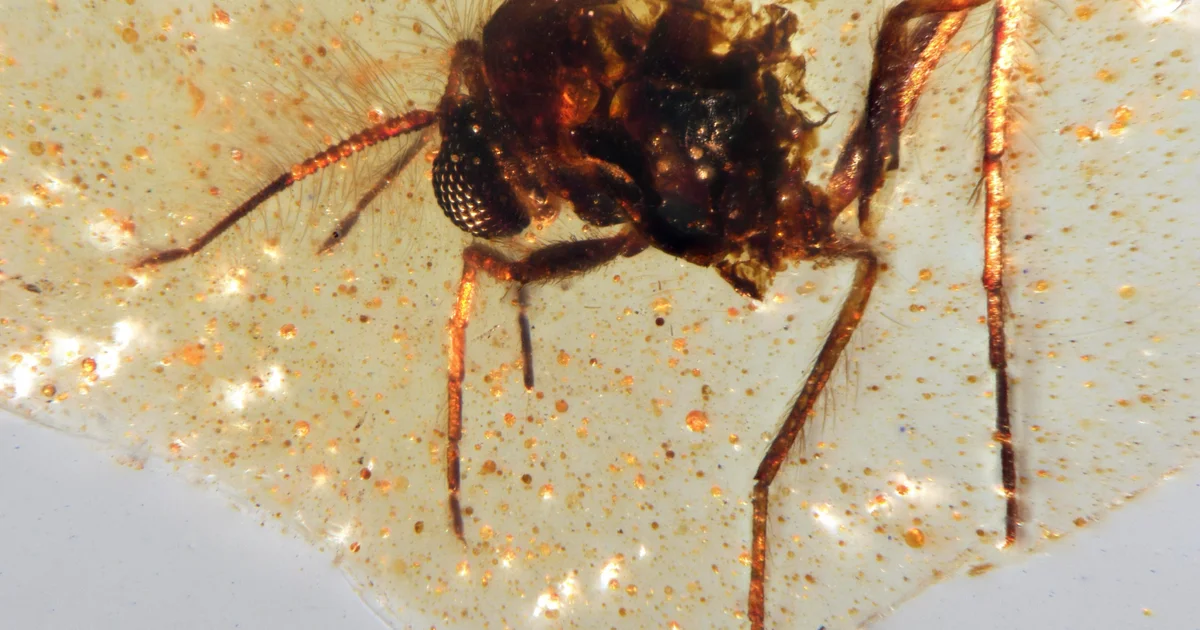
Scientists discovered 112-million-year-old prehistoric insects preserved in amber in Ecuador, providing new insights into ancient ecosystems and the early interactions between flowering plants and insects during the age of the dinosaurs.
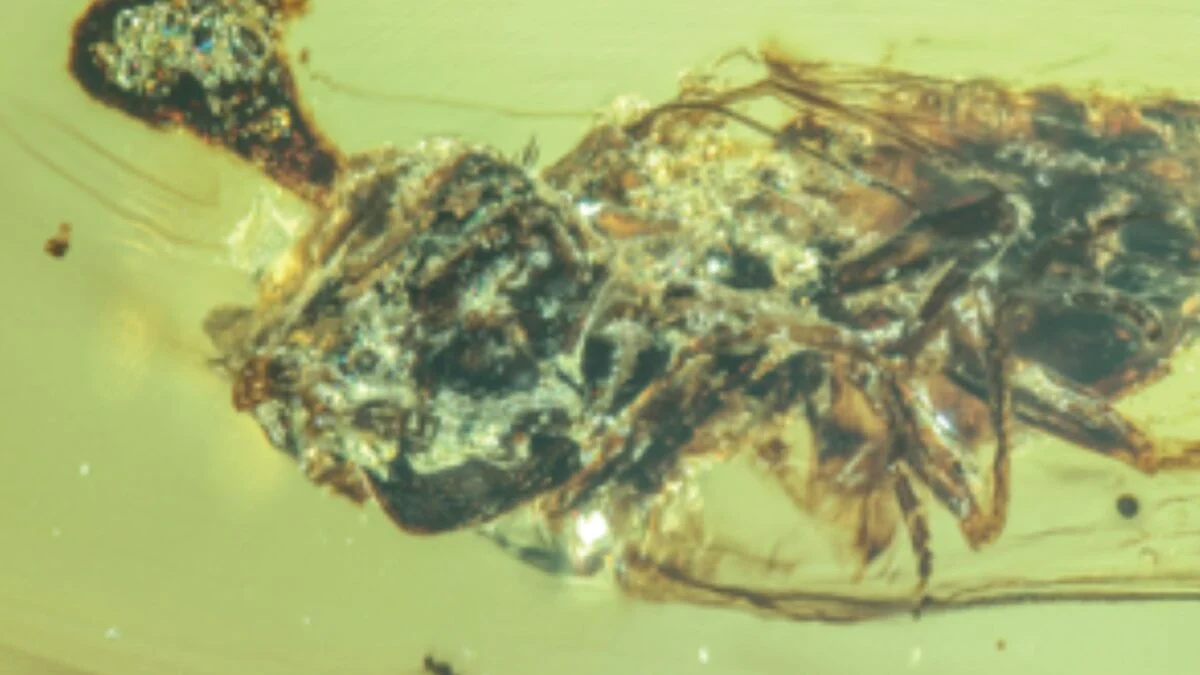
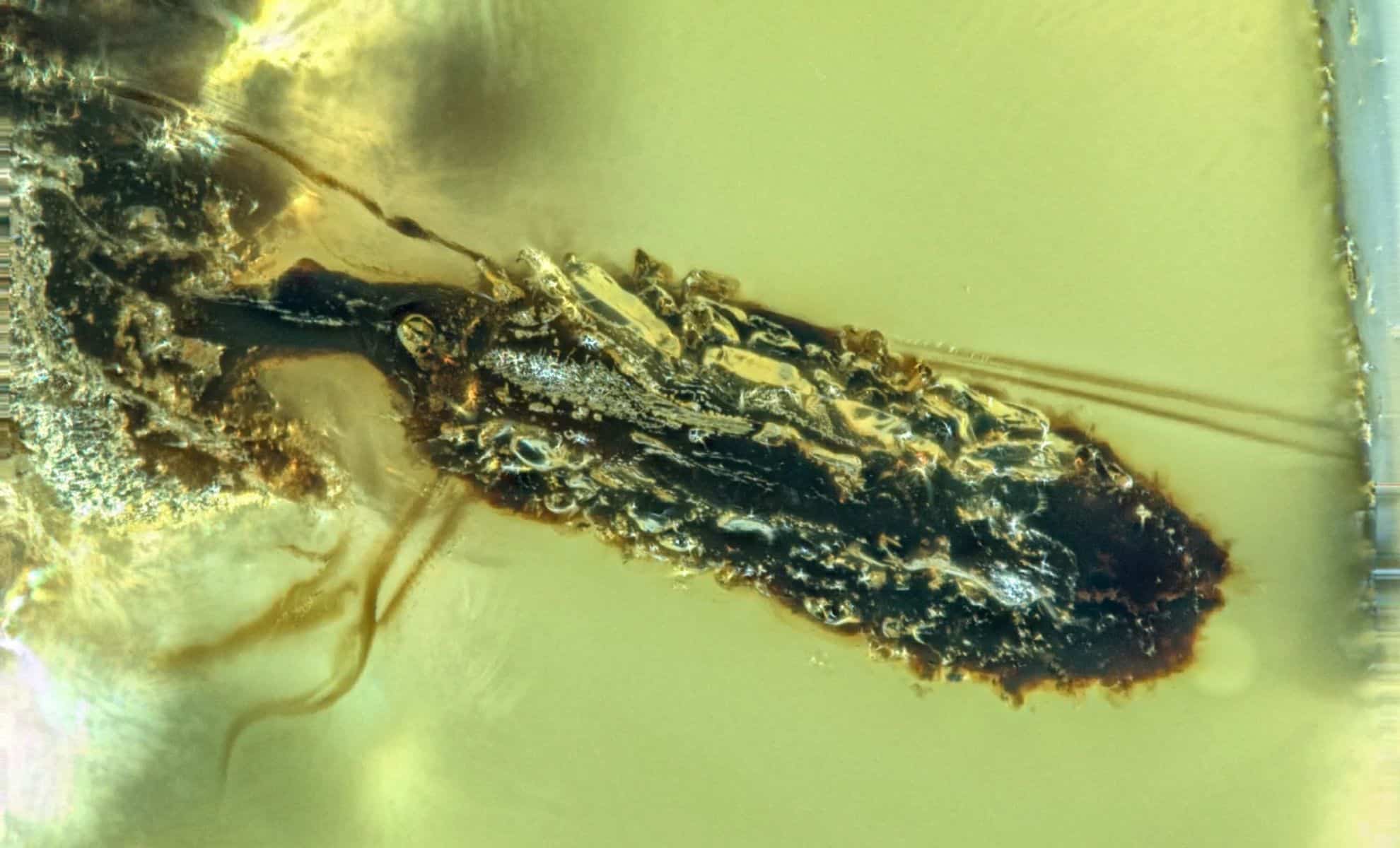
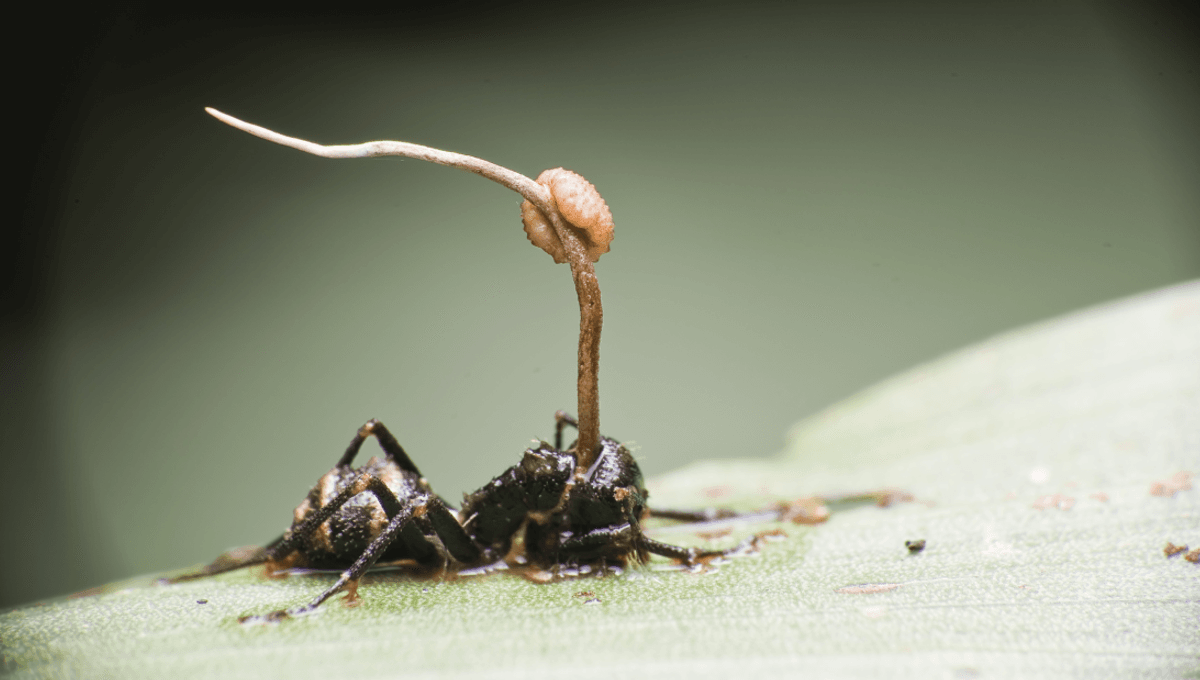
Scientists discovered 99-million-year-old amber fossils of insects infected with new species of parasitic fungi related to cordyceps, revealing that such zombie-like fungi existed during the age of dinosaurs and have a complex evolutionary history.
Scientists discovered 99-million-year-old amber fossils showing parasitic fungi similar to modern Ophiocordyceps infecting insects like ants and flies, revealing complex ecological relationships and the role of fungi in controlling insect populations during the Cretaceous period.
Scientists have discovered 99-million-year-old amber fossils that provide the oldest evidence of parasitic 'zombie' fungi infecting insects, revealing that such parasitic relationships existed during the age of dinosaurs and played a role in controlling insect populations.
Amber fossils found in Lebanon suggest that male mosquitoes may have once fed on blood, challenging the notion that only female mosquitoes are bloodsuckers. The fossils, dating back around 125 million years to the early Cretaceous period, were found to have mouth parts capable of piercing skin, a characteristic typically found only in female mosquitoes. The discovery provides insights into the evolution of flowering plants and pollinator insects during that time period.