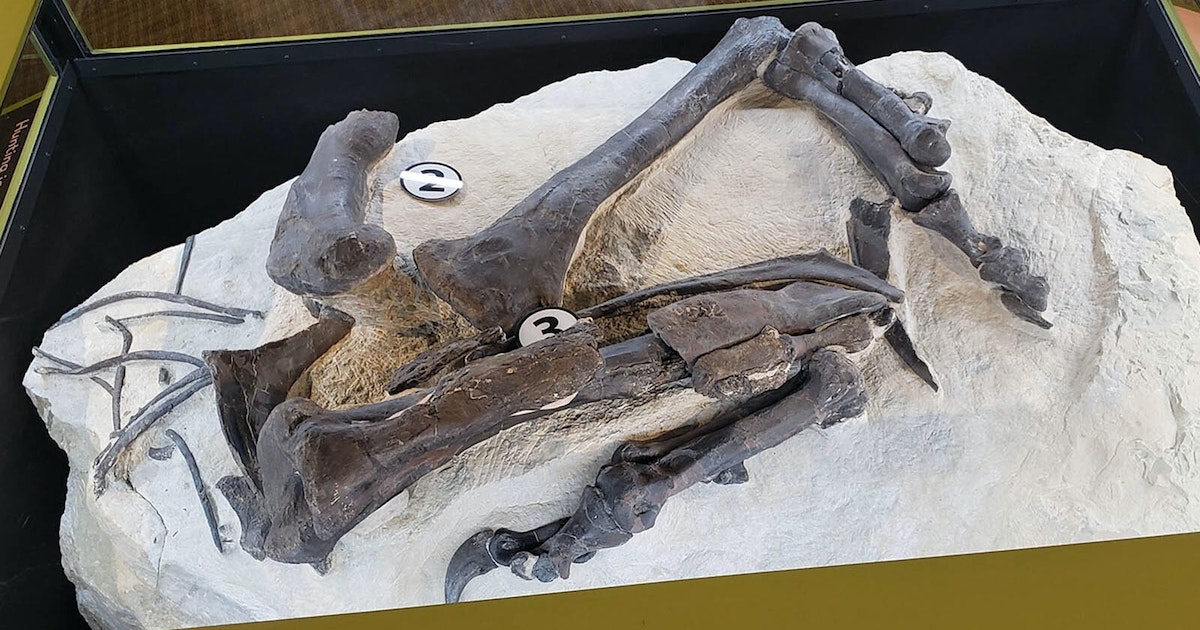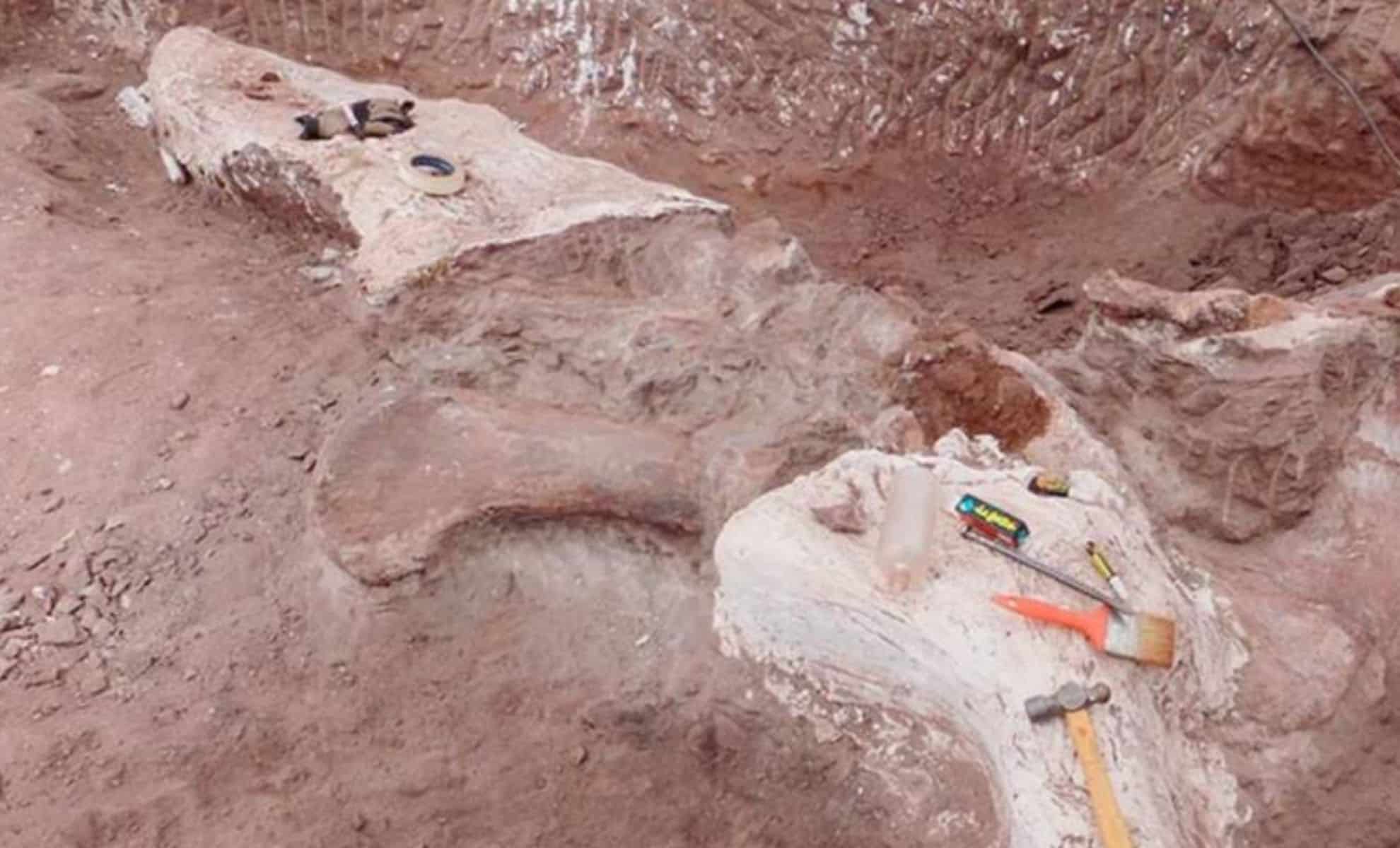
Researchers in Argentina have discovered a new 95-million-year-old plant-eating dinosaur, Astigmasaura genuflexa, providing valuable insights into the anatomy and diversity of the Rebbachisauridae family during the late Cretaceous period, with the fossil representing the first hindquarters of a rebbachisaurid ever found.
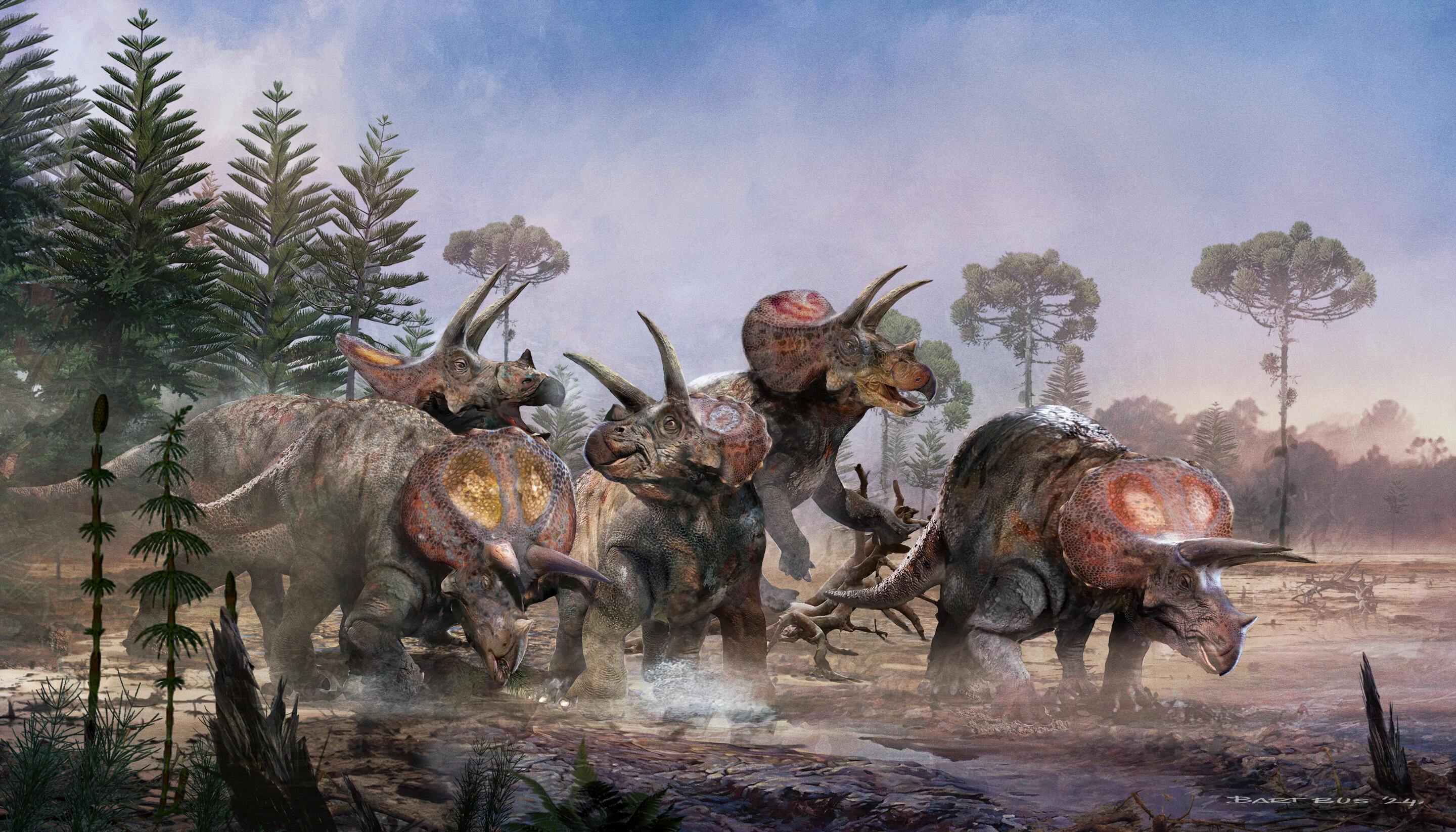
A team from the Naturalis Biodiversity Center in the Netherlands discovered a significant find of Triceratops fossils in Wyoming, with over 1,200 bones and bone fragments from at least five individuals. Research into the fossils revealed that these dinosaurs grew slowly and lived a migratory existence, suggesting complex social behavior. The details of the bonebed indicate that the five dinosaurs died together, possibly mired in a swamp. This discovery has led to new questions about the social behavior of these dinosaurs, and the findings will be showcased in an exhibition at the Naturalis museum.
Paleontologists at the Children’s Museum of Indianapolis have unearthed an articulated Allosaurus skeleton at Wyoming’s Jurassic Mile, with well-preserved legs, tail, ribs, and belly ribs, along with skin impressions. The discovery, ongoing since 2017, also includes pathologies revealing the dinosaur's life history. The museum's fossil preparation lab is currently working on the skeleton, with plans to reunite the snout with the rest of the skull this summer. Additionally, smaller fossils from the site could lead to significant discoveries, making the Jurassic Mile an active research site with more to come.