Tag

Flyby

All articles tagged with #flyby

astronomy1 year ago

"Massive Asteroid Safely Passes Close to Earth, NASA Reports"

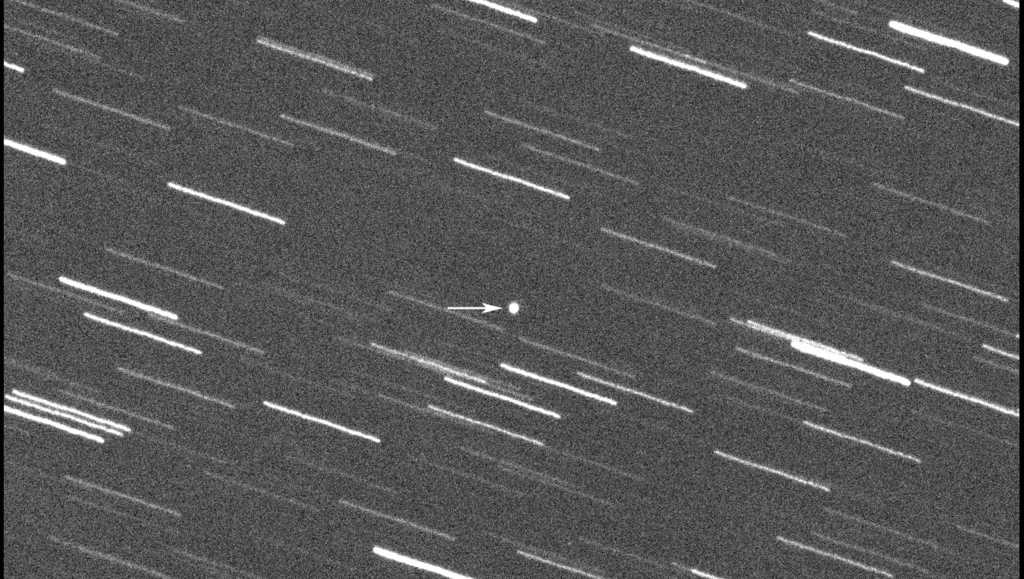
A skyscraper-sized asteroid, designated as 2008 OS7, will safely pass within 1.7 million miles of Earth on Friday, with no chance of impact. Discovered in 2008, it won't return until 2032, when it will be much more distant. NASA estimates its size to be between 690 feet and 1,575 feet across, similar to the Empire State Building or Willis Tower. This harmless flyby is part of several asteroid encounters this week, including three smaller ones on Friday and two on Saturday, followed by a larger one on Sunday.

science-and-astronomy1 year ago

"Skyscraper-Size Asteroid Safely Passes Earth Within 1.7 Million Miles"

A skyscraper-sized asteroid will safely pass within 1.7 million miles of Earth on Friday, with no chance of impact. Estimated to be between 690 and 1,575 feet across, the asteroid, designated as 2008 OS7, was discovered in 2008 and won't return until 2032, when it will be much more distant. This flyby is part of several asteroid encounters this week, including three smaller ones on Friday and two on Saturday, with another larger asteroid passing by on Sunday.

science1 year ago

"Multiple Large Asteroids Set to Pass Close to Earth, NASA Issues Warning"

NASA reports that a large asteroid, 2008 OS7, roughly the size of the Empire State Building, will make a close flyby of Earth on Friday, passing at a distance of about 1.77 million miles. Classified as a "potentially hazardous asteroid," it poses no threat to Earth. This event serves as a reminder of the numerous asteroids in our solar system, with around 2,350 being classified as potentially hazardous. Despite its size, the asteroid will be difficult to spot and won't enter Earth's atmosphere.

astronomy1 year ago

"Gigantic Asteroid to Safely Whiz by Earth, Says NASA"

NASA predicts that an asteroid the size of 64 Canadian geese, named 2007 EG, will pass over Earth on January 30, but it won't come close, flying at a distance of over 4.8 million kilometers. Despite recent asteroid impacts, such as 2024 BX1 over Germany, scientists are working on planetary defense measures, with kinetic deflection showing promise, as demonstrated by NASA's DART Mission.

space-exploration2 years ago

NASA's Lucy Mission Discovers Second Asteroid and Moon During Dinkinesh Flyby

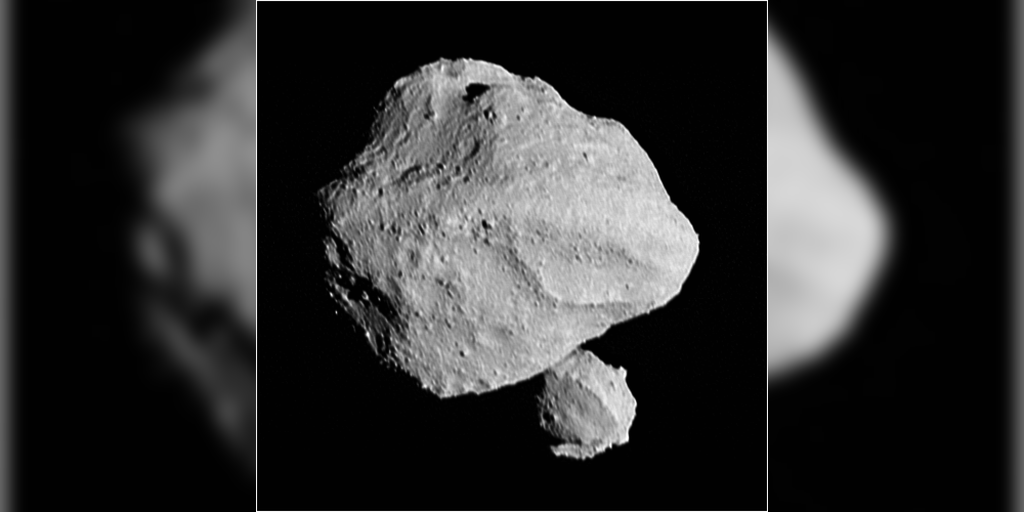
NASA's Lucy spacecraft, on its mission to explore the Trojan asteroids associated with Jupiter, made a surprising discovery during its flyby of the asteroid Dinkinesh. The spacecraft's cameras revealed another small asteroid orbiting Dinkinesh, making it a binary asteroid system. This unexpected finding brings the total number of asteroids Lucy will fly by to 11, exceeding the original plan of seven. The images captured during the flyby provide detailed views of the asteroid pair, and further analysis of the data will be conducted to investigate the similarities and differences with other binary asteroid systems.

space2 years ago

"NASA's Lucy Probe Set for Historic Flyby of 'Dinky' Asteroid"

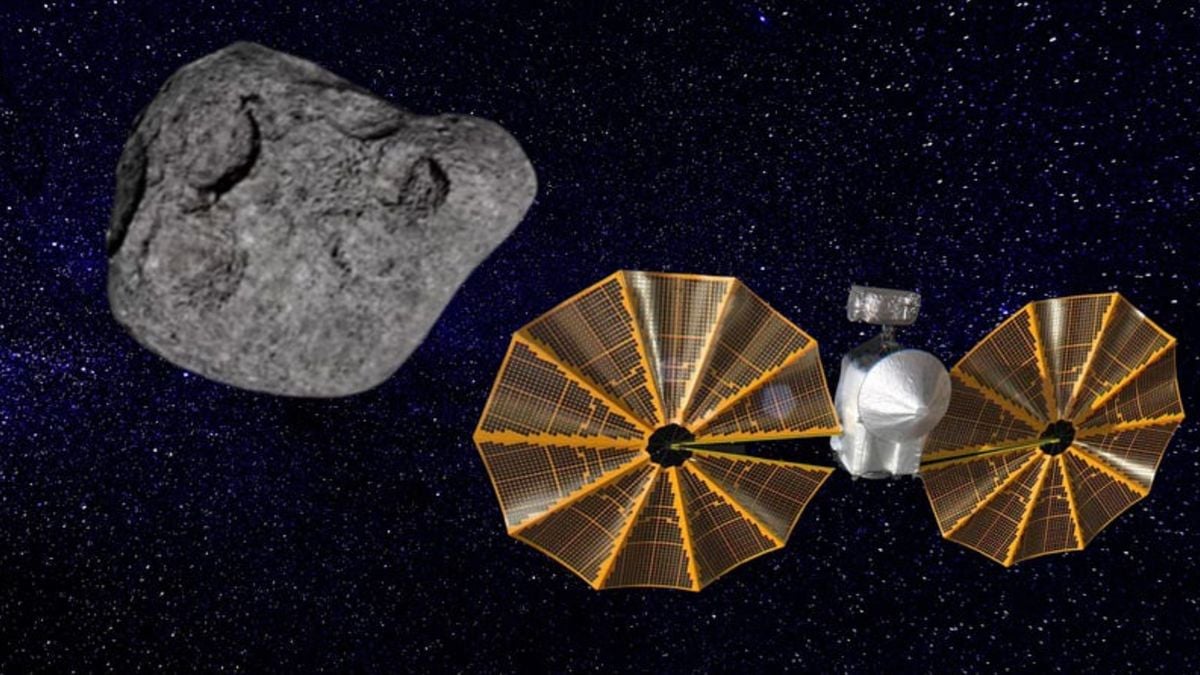
NASA's Lucy probe is set to fly by the asteroid Dinkinesh on November 1st, marking the first stop on its record-breaking tour of ten space rocks. The encounter with Dinkinesh will serve as a test for Lucy's Terminal Tracking System, which keeps its instruments pointed at asteroids during flybys. This will be a challenging test as Dinkinesh is smaller than the other targets. Following the flyby, Lucy will head back to Earth for a gravity assist before continuing its mission to visit Trojan asteroids in 2027.

space2 years ago

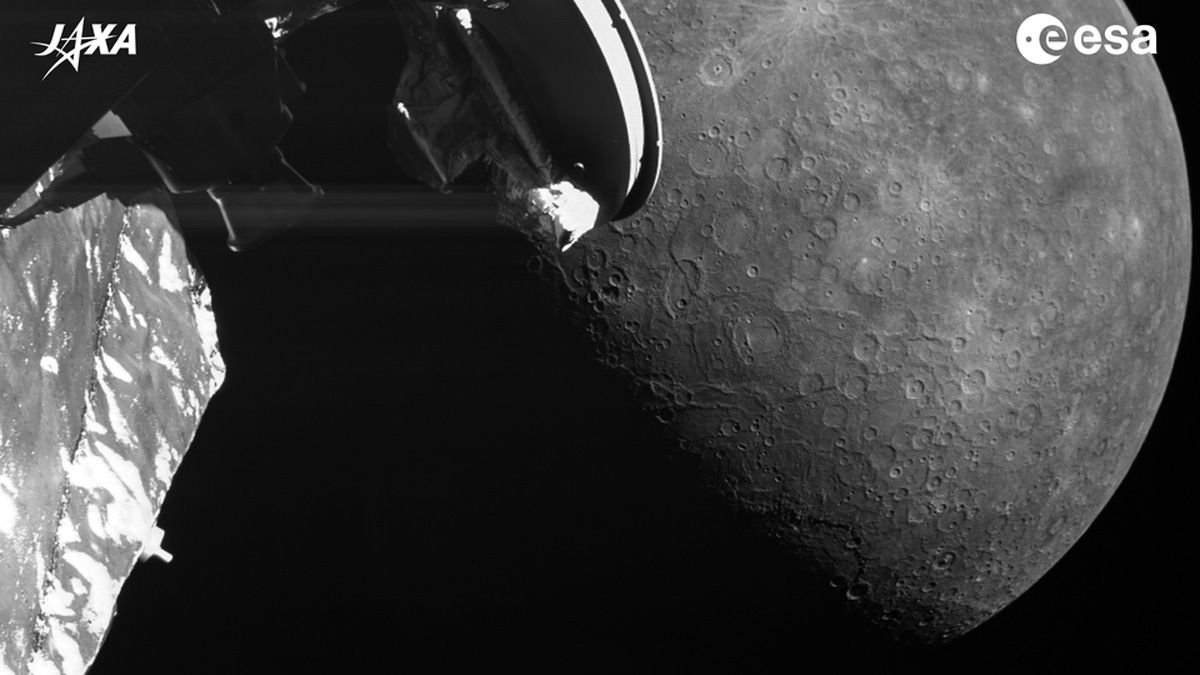
BepiColombo's Third Flyby Captures Stunning Footage of Mercury.

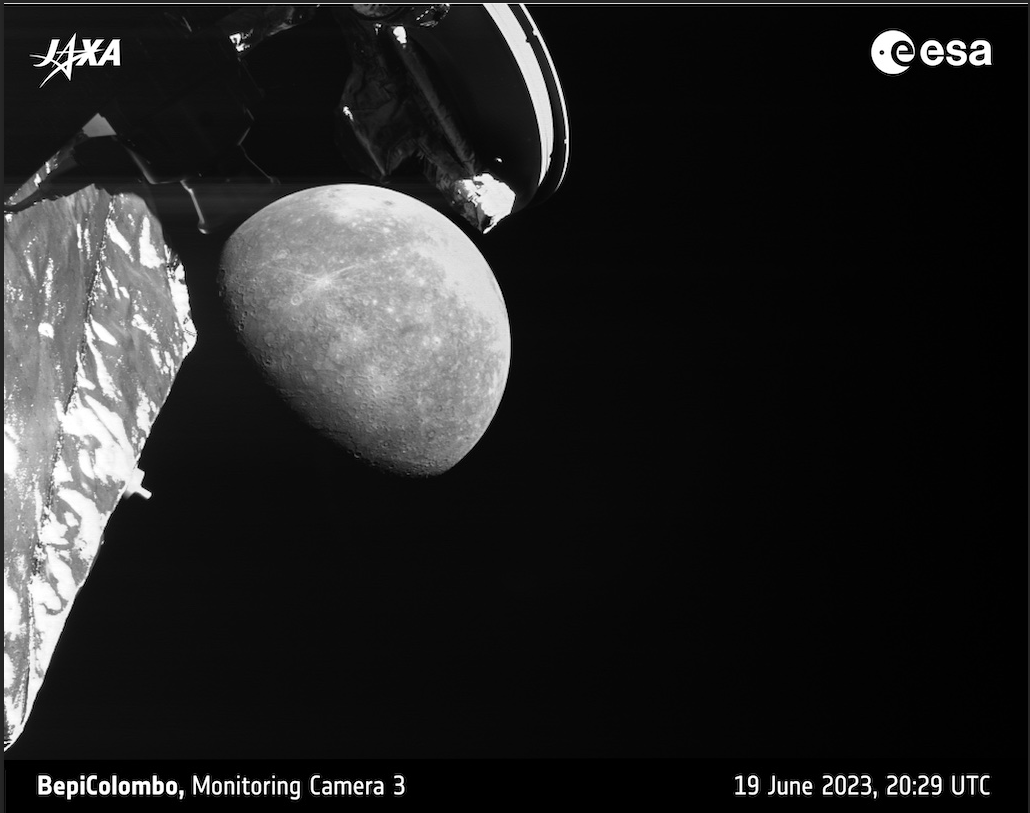
The European Space Agency's BepiColombo spacecraft has completed its third flyby of Mercury, passing 236 kilometers over the night side of the planet. During the flyby, most of BepiColombo's science instruments were active, collecting magnetic, plasma, and particle monitoring data. The flyby was another opportunity for the BepiColombo team to check instrument function and to gather useful science prior to the spacecraft's orbital mission, which starts in late 2025.

science-and-astronomy2 years ago

BepiColombo probe captures stunning up-close views of Mercury's landscape during third flyby.

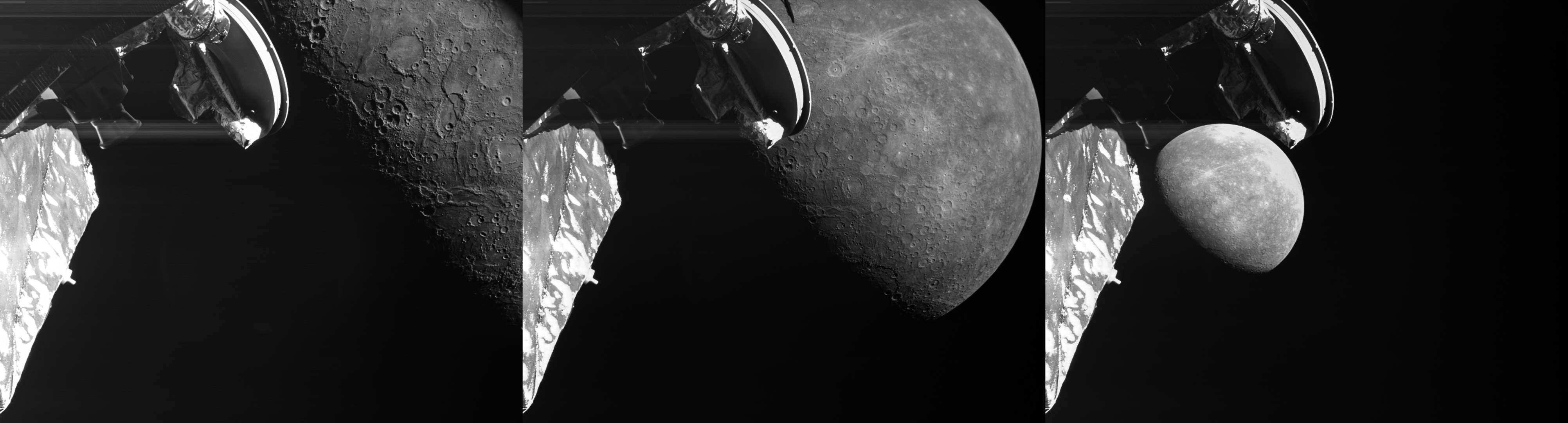
The European-Japanese BepiColombo spacecraft captured a stunning sequence of 217 images of Mercury during a gravity assist flyby on June 19. The video shows the planet rolling by below as the spacecraft retreated from it. The cameras couldn't capture BepiColombo's closest approach, which occurred while the spacecraft was on the planet's night side. BepiColombo has already conducted two Mercury flybys in 2021 and 2022 and will perform three more before it finally sheds enough energy to enter its orbit.

space2 years ago

BepiColombo's Mercury Flyby Reveals Stunning Landscape Images.

The BepiColombo mission has completed its third flyby of Mercury, capturing images of geological features including the newly named Manley Crater. The spacecraft is gradually adjusting its trajectory for entering Mercury’s orbit in 2025. The mission’s main science phase will begin in early 2026 following several more adjustments and another flyby in 2024. The flyby images show a bounty of geological features, including a newly named crater, and one of the most spectacular geological thrust systems on the planet.

science-and-technology2 years ago

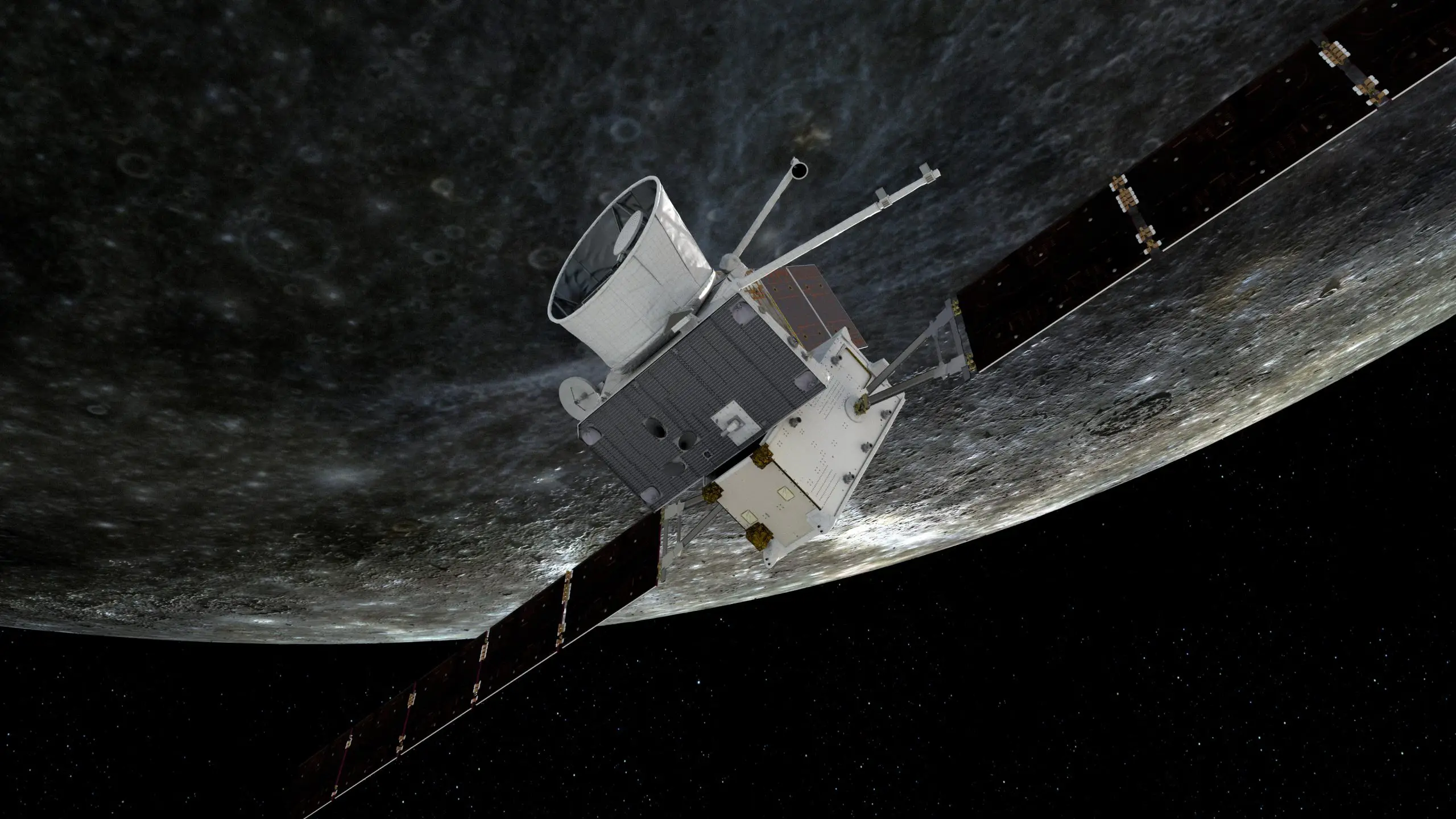
BepiColombo spacecraft captures stunning close-up images of Mercury's surface.

The BepiColombo spacecraft, a cooperative mission of the European and Japanese space agencies, completed its third of six planned flybys on June 19, 2023, and beamed back rare close-up images of Mercury. The crewless spacecraft grazed less than 150 miles above the surface as it harnessed the planet's gravity. BepiColombo seeks to study the polar craters filled with ice, the planet's magnetic field, and the enigmatic "hollows" on the surface. The mission will begin in earnest in 2025, after another scheduled flyby in September 2024.

science-and-astronomy2 years ago

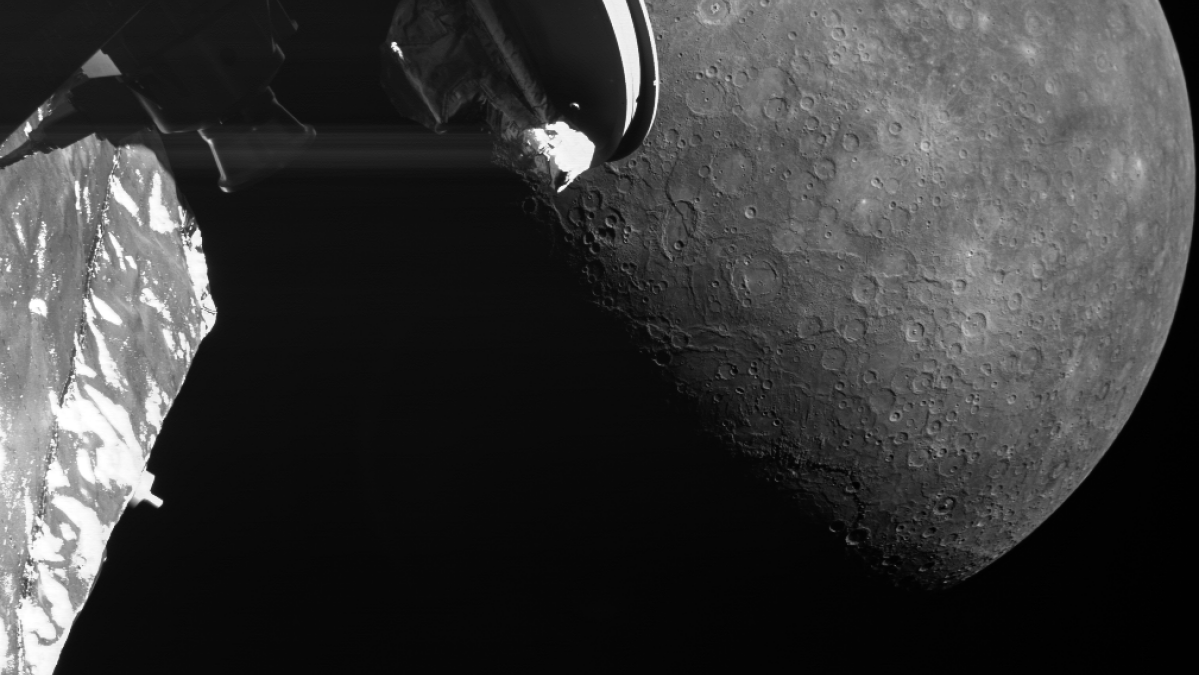
BepiColombo's Mercury flyby captures stunning new images.

The European Space Agency's BepiColombo probe made its third close flyby of Mercury, capturing images of the planet's surface riddled with craters, ancient volcanic ridges, and lava flows. The images also revealed a variety of ancient impact basins flooded with volcanic lavas during the first billion years of the planet's life. The spacecraft unfortunately couldn't take images during its closest approach, as it arrived at the planet from the night side. The BepiColombo mission comprises two orbiters that cruise through space stacked on top of each other, which means that some of the probes' instruments are hidden at the moment.

science-and-exploration2 years ago

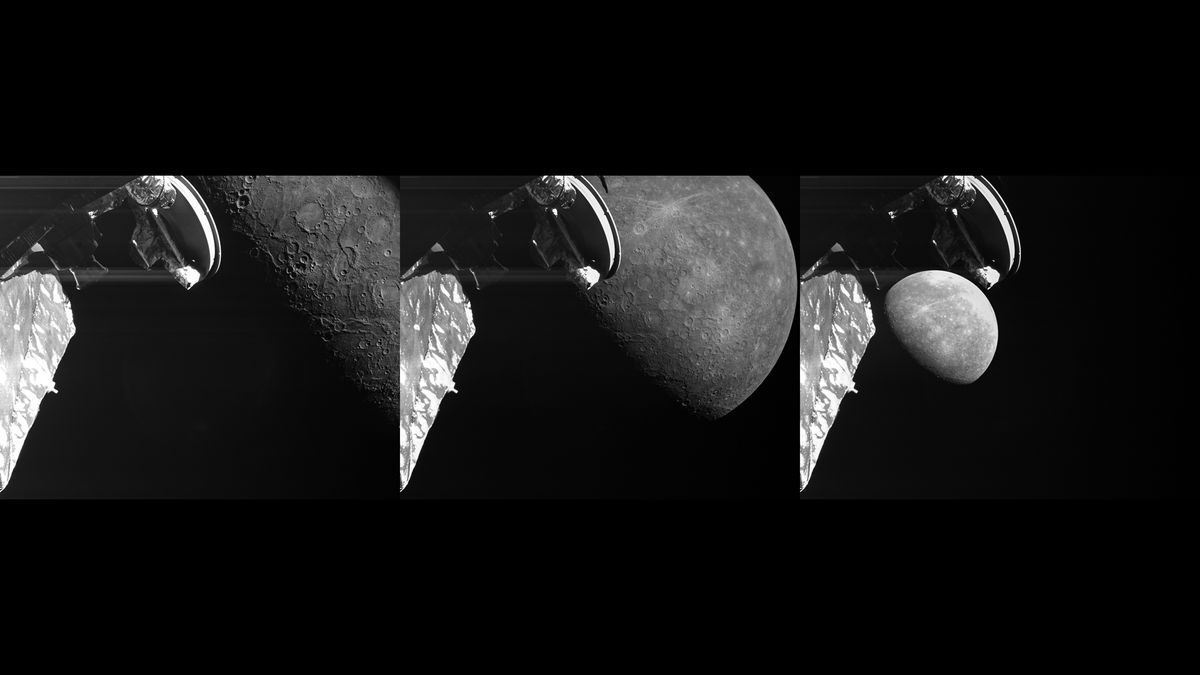
BepiColombo's Close Flyby of Mercury Captured in Trio of Images.

The BepiColombo mission has completed its third flyby of Mercury, capturing images of a newly named impact crater, tectonic and volcanic features. The spacecraft is adjusting its trajectory for entering Mercury orbit in 2025. The next flyby is scheduled for September 2024. The mission will soon enter a challenging phase, gradually increasing the use of solar electric propulsion to brake against the enormous gravitational pull of the Sun. The spacecraft will complete over 15,000 hours of solar electric propulsion operations over its lifetime, guiding it towards Mercury orbit.

science-and-astronomy2 years ago

BepiColombo spacecraft completes close flyby of Mercury.

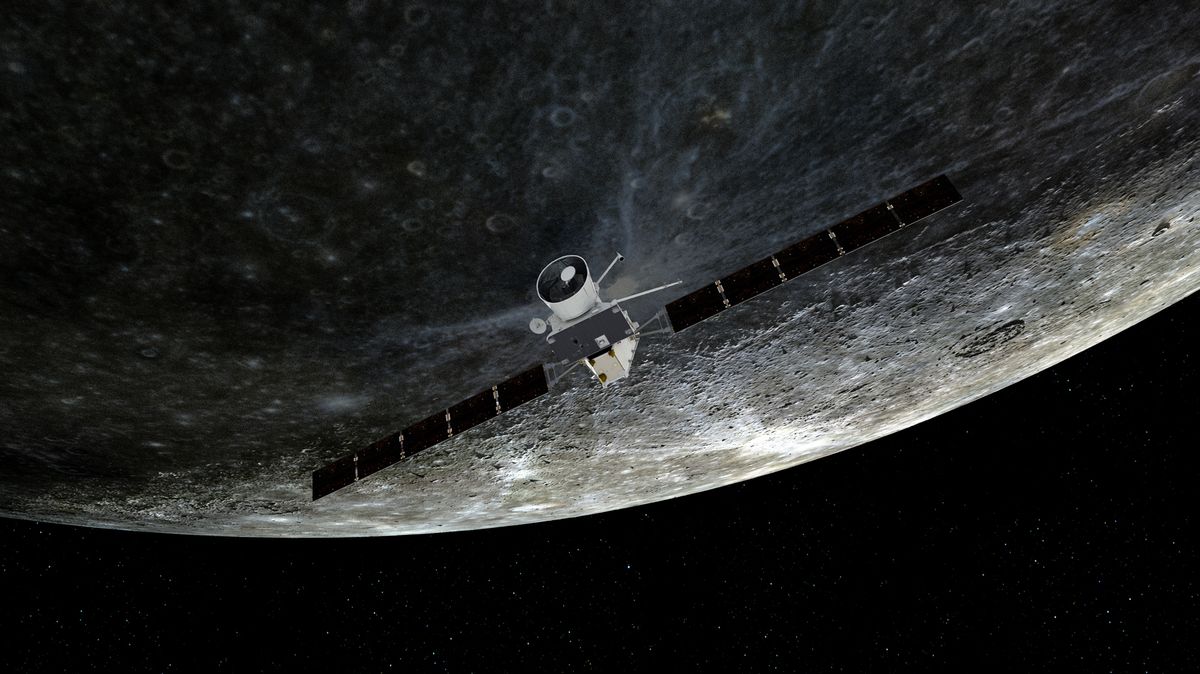
The European/Japanese BepiColombo spacecraft will make its third flyby of Mercury, passing the planet at a distance of just 147 miles to slow down and enter its orbit in 2025. The spacecraft will use Mercury's gravity to reduce its velocity magnitude and change its direction. BepiColombo carries three low-resolution monitoring cameras that will capture black-and-white images of the planet during the flyby. The spacecraft consists of two orbiters, and some of its instruments will collect data for the first time during the flyby. Mercury is notoriously difficult to study, and BepiColombo is only the third spacecraft to visit the planet.

space2 years ago

BepiColombo spacecraft completes close flyby of Mercury.

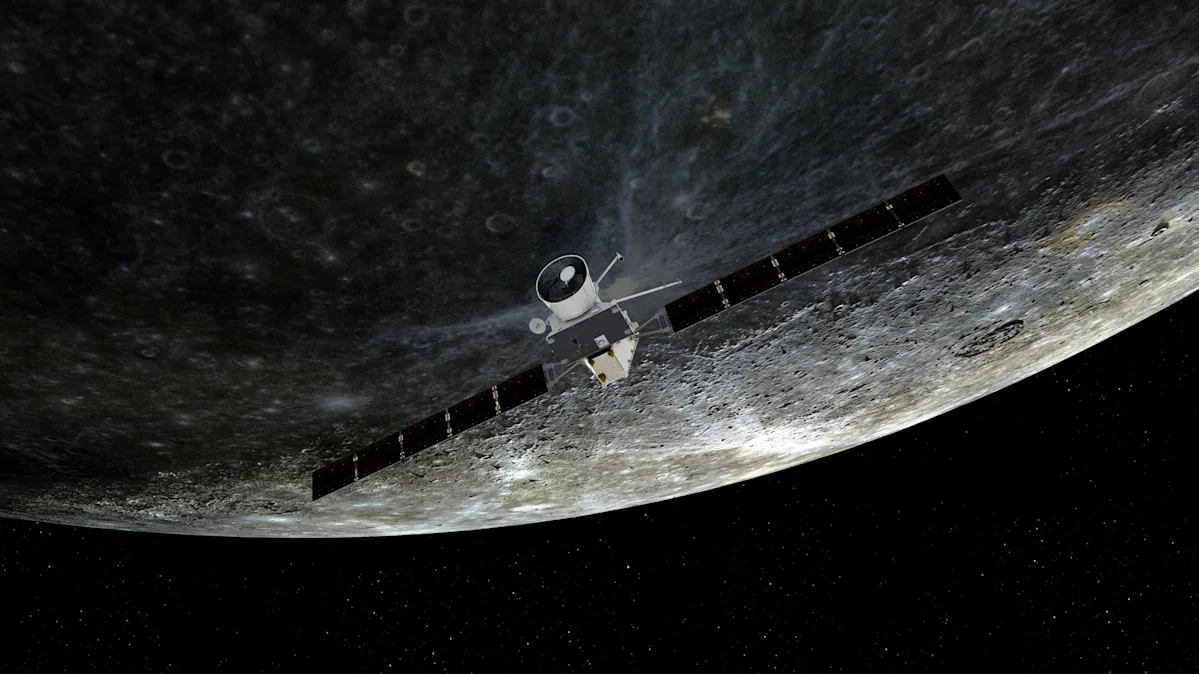
Europe's BepiColombo spacecraft will make its third flyby of Mercury, passing just 147 miles from the planet's surface. The flyby will use Mercury's gravity to slow the spacecraft down so that it can enter the planet's orbit in 2025. BepiColombo is a joint project by the European Space Agency and the Japan Aerospace Exploration Agency and is only the third spacecraft in history to study Mercury. The spacecraft has previously flown past Mercury twice, in October 2021 and July 2022, and will make three more flybys before being captured by the planet.