European countries are reconsidering their F-35 fighter jet purchases due to issues like high costs, operational limitations, and concerns over U.S. control of software and mission data, with some nations like Spain and Portugal exploring European-built alternatives to ensure strategic autonomy and sovereignty.
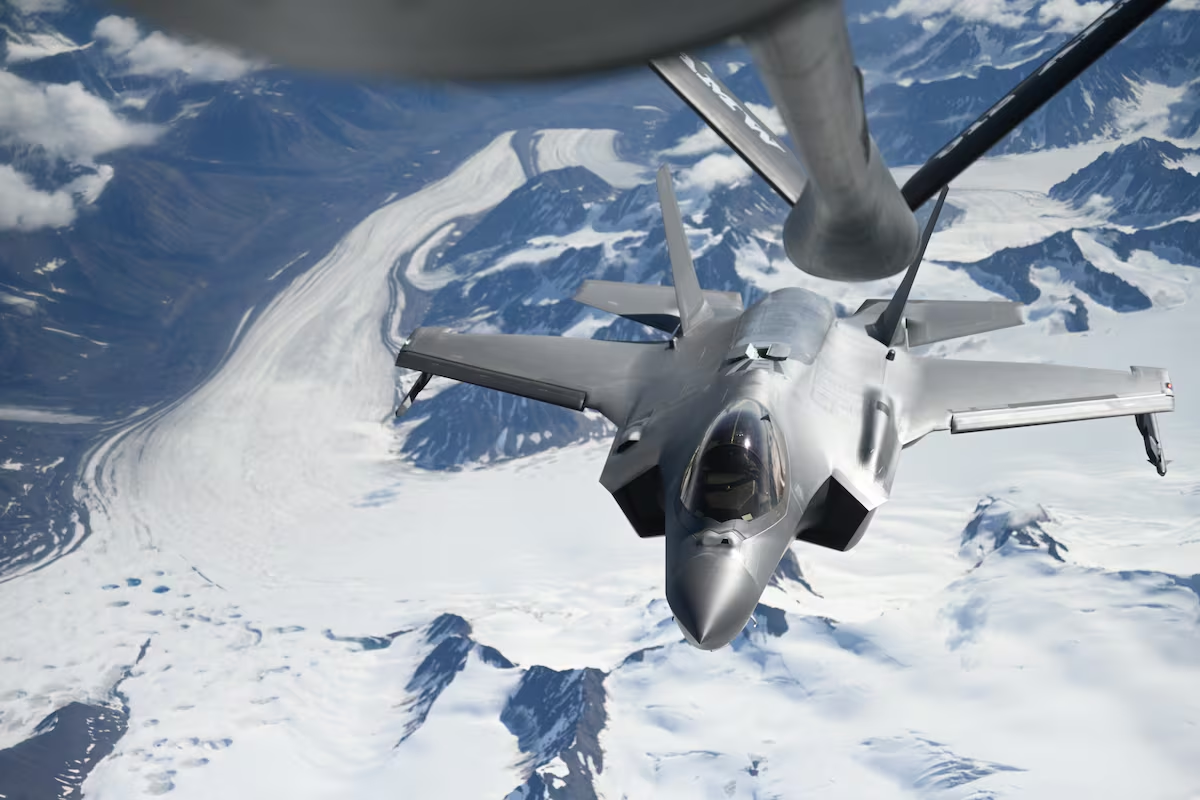
The F-35 program is scaling back its planned Block 4 upgrades due to production delays, cost overruns, and supply chain issues, with the schedule now pushed to the mid-2030s and costs exceeding $16.5 billion. Despite challenges, Lockheed Martin remains committed to delivering capabilities and aircraft, while the GAO highlights ongoing concerns about costs, delays, and supply chain problems affecting the program's progress.
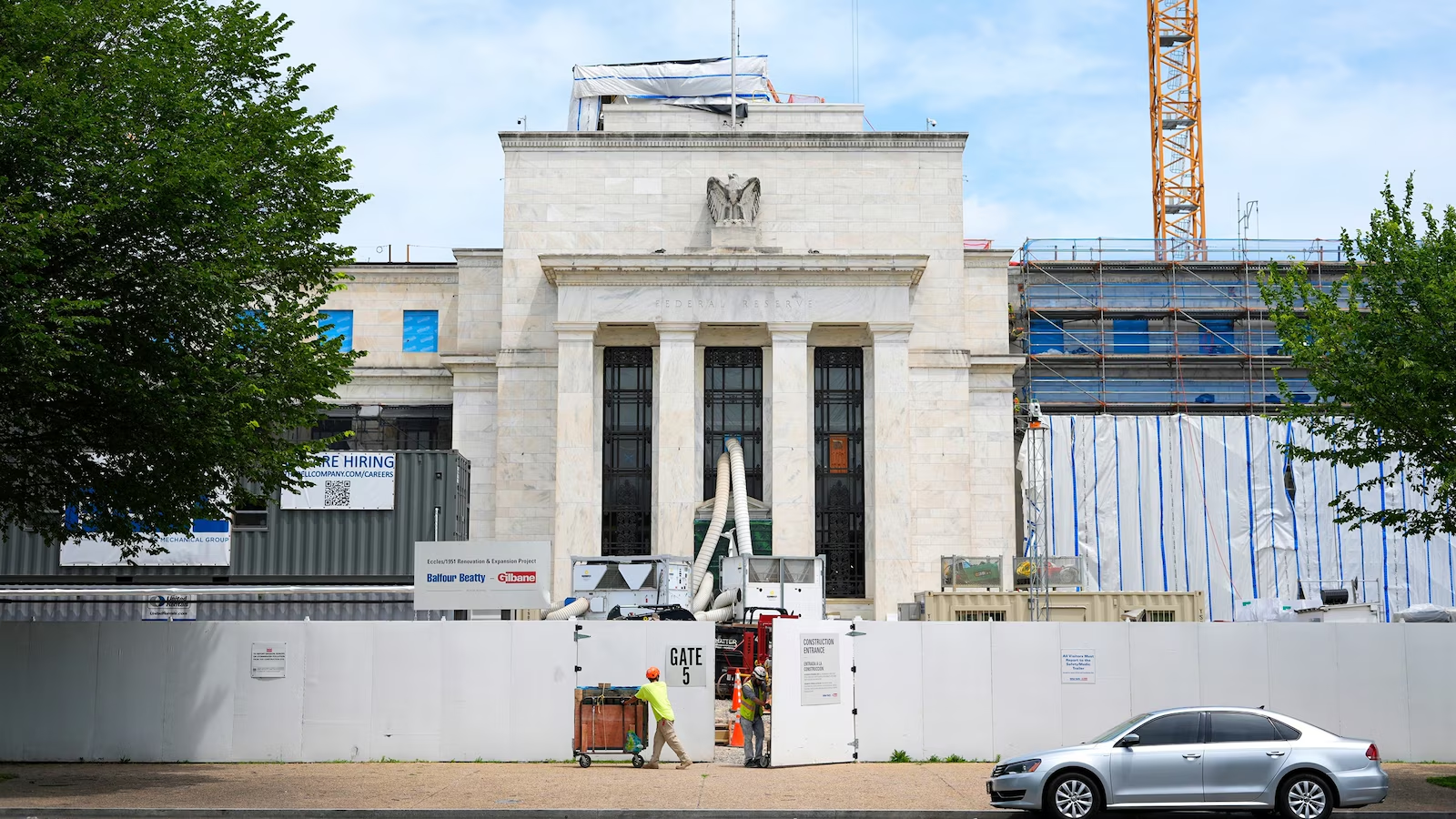
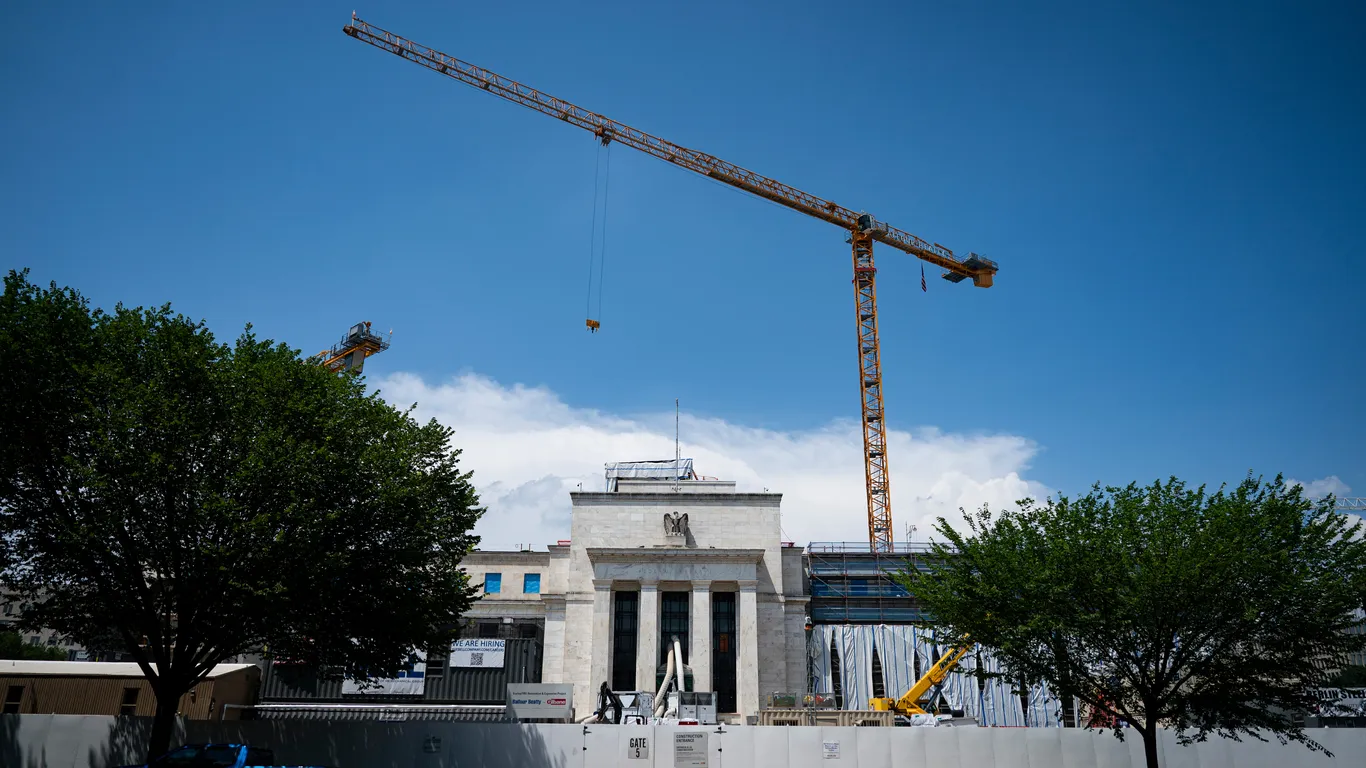
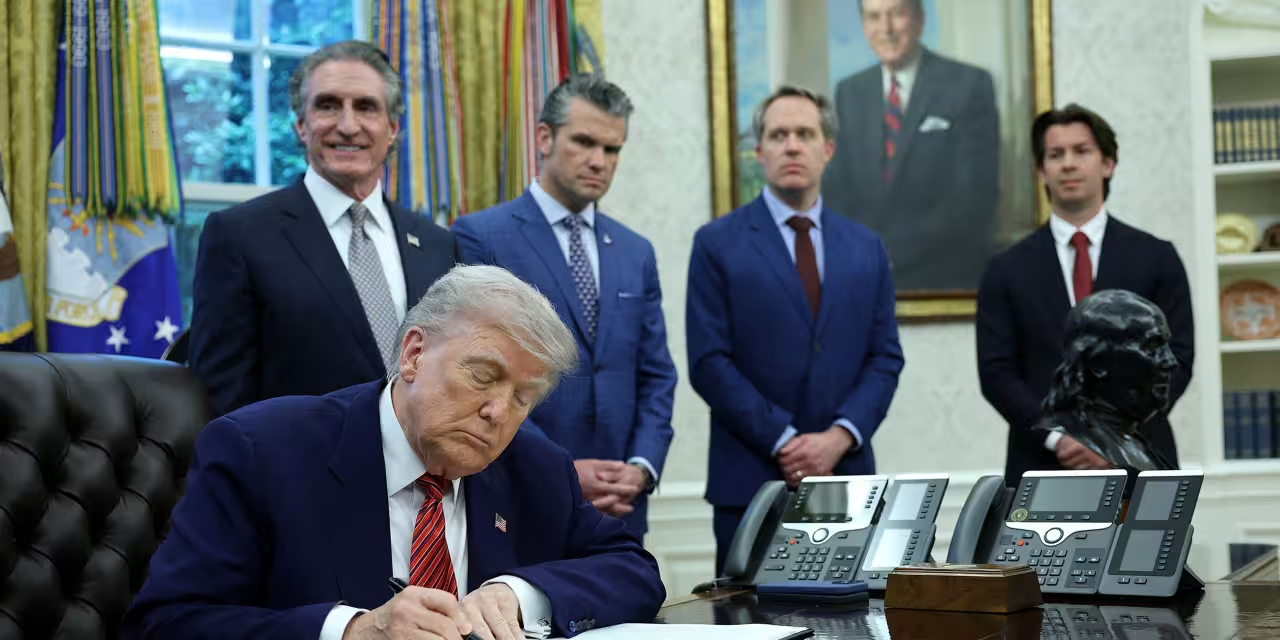
Donald Trump publicly clashed with Federal Reserve Chair Jay Powell during a visit to the Fed's headquarters, criticizing the cost of the renovation project and accusing Powell of keeping interest rates too high, marking a rare and tense confrontation between a US president and the central bank chief.
Insiders argue that HS2 was doomed from the start due to inherent issues in the UK's geography and political system, leading to massive cost overruns, delays, and mismanagement, with some suggesting fundamental reforms are needed for future projects.
The White House is criticizing Fed Chair Jerome Powell over a costly renovation of the Fed's historic headquarters, suggesting mismanagement and using it as a pretext to potentially fire him, amid ongoing policy disputes and Trump's frustrations with interest rate decisions.
Federal Reserve Chair Jerome Powell has requested an inspector general review of the costs associated with renovating the Fed's historic headquarters amid criticism from Trump officials over budget overruns and political tensions surrounding monetary policy decisions.
The Federal Reserve has detailed its $2.5 billion headquarters renovation project, which the Trump administration is scrutinizing as a potential reason to dismiss Fed Chair Jerome Powell, amid political pressure and concerns over costs and project changes. The Fed defends the project as necessary for modernization and asserts it is not subject to external planning authority, despite political and legal challenges.
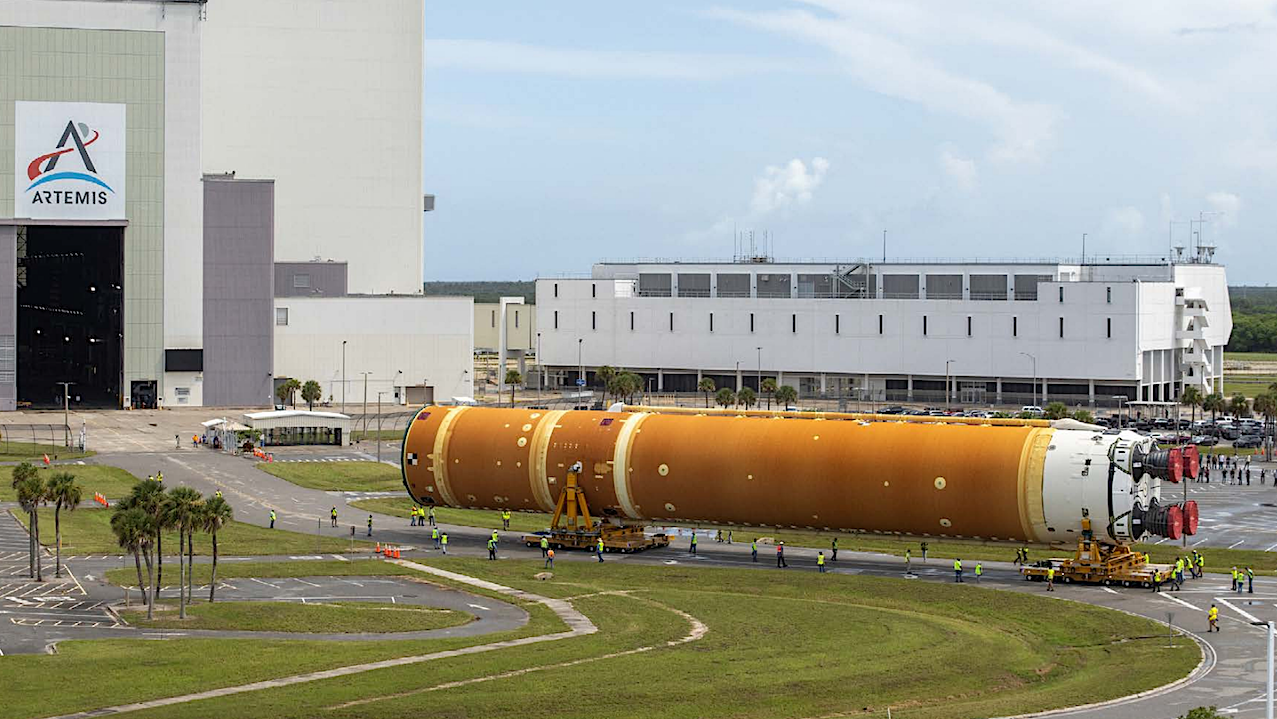
GAO reports that while most NASA projects avoid significant cost overruns, Artemis and related projects account for nearly half of the total overruns, with three Artemis projects alone contributing nearly $7 billion to the overall costs.
Federal Reserve Chair Jerome Powell defended the nearly $2.4 billion renovations of the Fed's historic headquarters, stating they were necessary for safety and modernization, despite criticism over cost overruns and luxury upgrades, with some lawmakers comparing the spending to palace-like extravagance.
The US aims to boost nuclear energy through executive orders and regulatory reforms, but faces a major hurdle in securing sufficient funding, as private investment remains hesitant due to high costs and past overruns. Experts suggest a government-led 'Operation Warp Speed' for nuclear development, similar to COVID-19 vaccine efforts, but current political and financial uncertainties threaten to impede this push, risking a slowdown in America's nuclear renaissance.
A report by U.S. Transportation Secretary Sean P. Duffy exposes significant mismanagement, delays, and financial shortfalls in California's high-speed rail project, indicating it is in default of federal grants and unlikely to be completed on time or within budget, raising questions about continued federal investment.
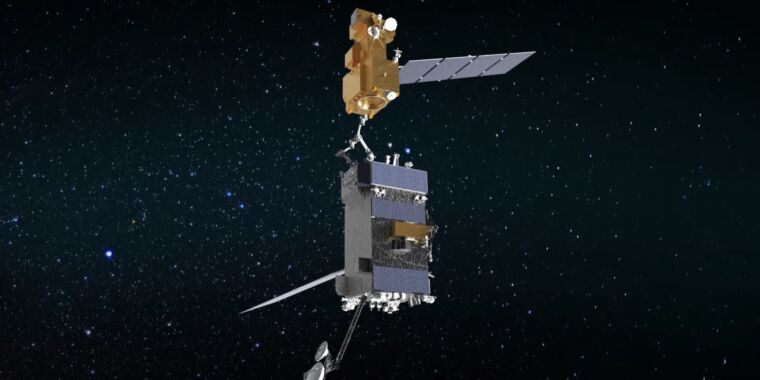
NASA cancels the OSAM-1 mission, a multibillion-dollar project aimed at demonstrating robotic satellite servicing technology, due to continued technical, cost, and schedule challenges. The mission's cost has ballooned to $1.5 billion, with projections of nearly $1 billion more needed for launch. Originally planned for a 2020 launch, the mission faced delays and cost increases, and the addition of the Space Infrastructure Dexterous Robot (SPIDER) further complicated matters. The realities of the satellite servicing market have also shifted, with commercial companies focusing on alternative methods for extending satellite life, leading to NASA's decision to cancel the project.
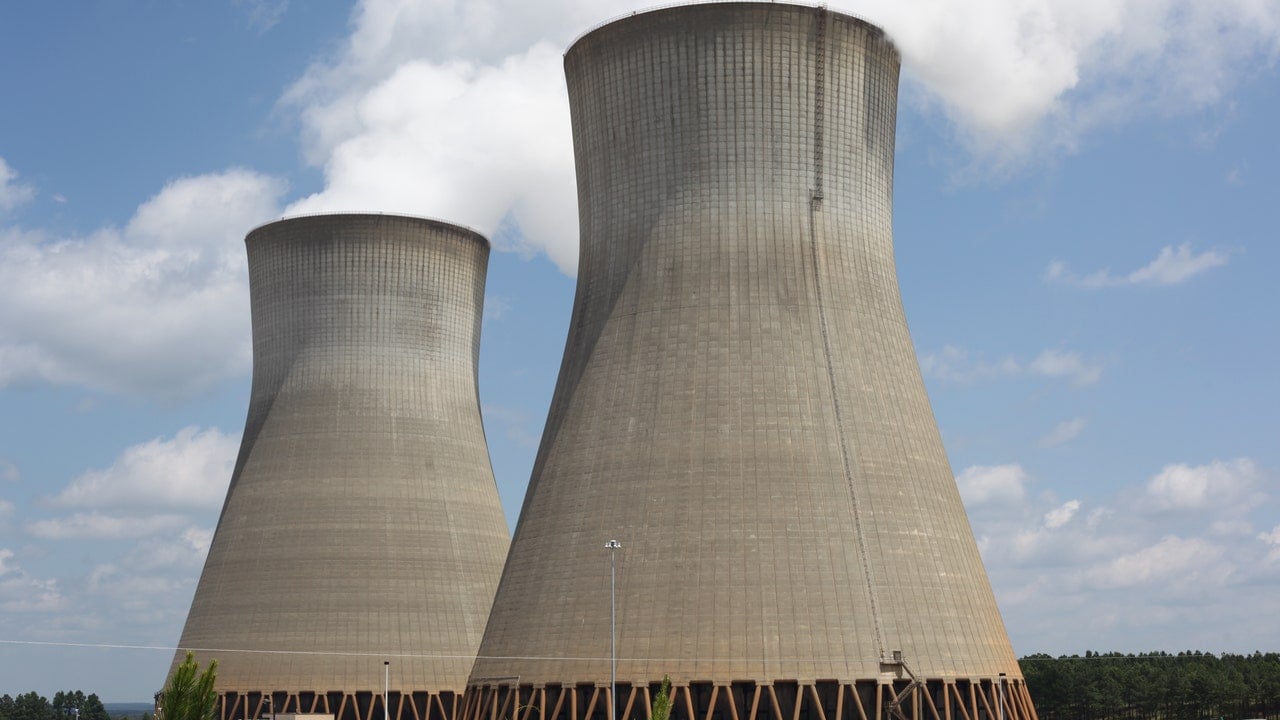
Georgia Power customers will see their energy bills increase again as the utility company brings two new nuclear reactors online. State regulators have approved a plan allowing Georgia Power to pass the $10 billion cost overrun for the reactors at Plant Vogtle onto consumers. This comes on top of rate hikes implemented earlier this year, with customers now shouldering $8 billion of the total cost. Starting next spring, the average customer's energy bill will increase by 5%, reaching approximately $8.95 per month. Critics argue that these continuous price hikes are unreasonable and will burden many Georgians already struggling with rising costs.
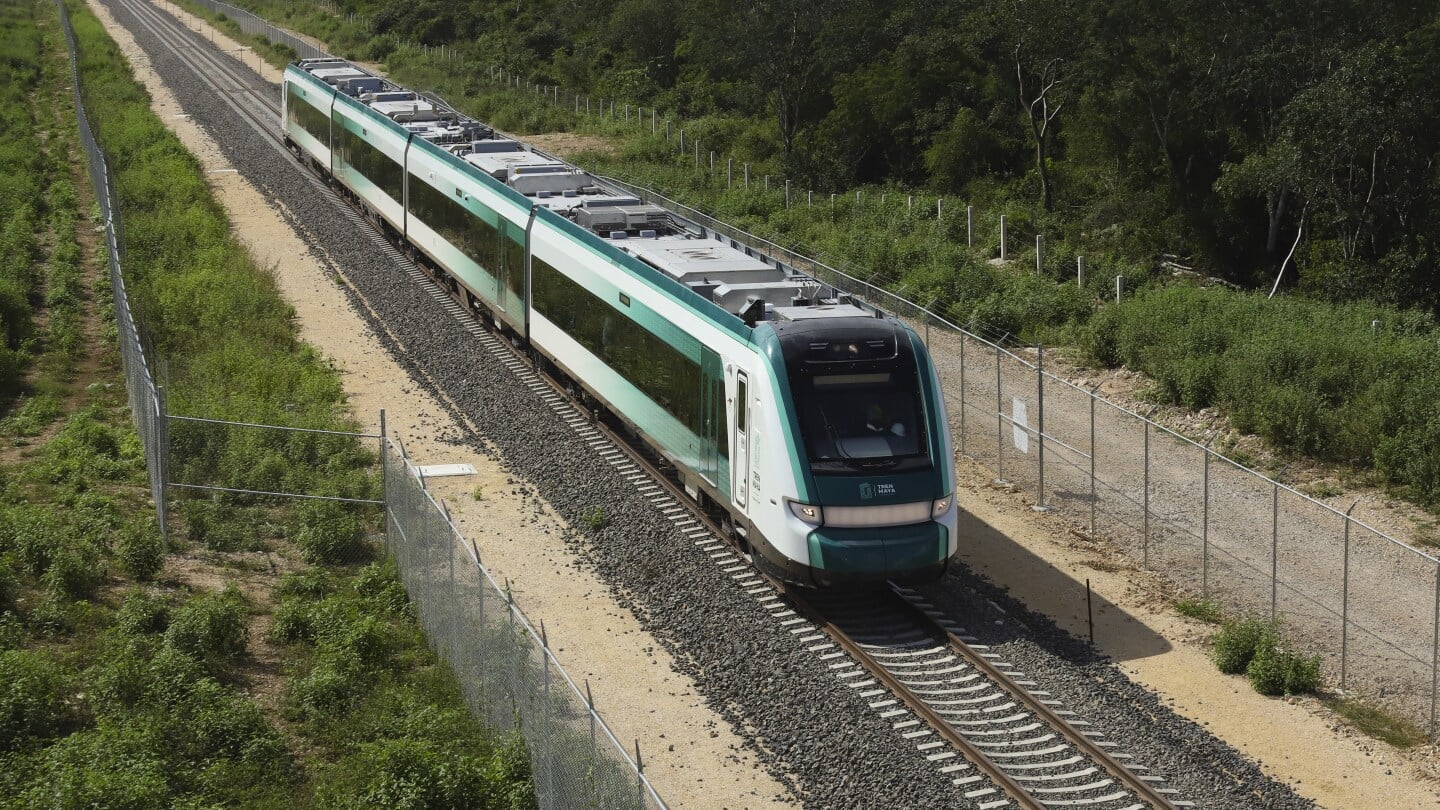
Mexico's Maya Train rail project has opened partially to the public, but it is facing significant delays and cost overruns. Passengers experienced hours-long delays, and only one side of the planned double rail line is finished, causing further delays. The project's cost has soared from $8.5 billion to as much as $28 billion. The Maya Train is meant to connect beach resorts and archaeological sites, but only about one-third of the 950-mile line has been partly finished. Questions have been raised about the train's operating costs and feasibility as a tourist attraction. The project has faced objections from environmentalists due to its impact on sensitive areas. President Andrés Manuel López Obrador aims to complete the project before leaving office in September.
The development of the European Space Agency's Ariane 6 rocket is running years behind schedule and is unlikely to fly before mid-2024. In addition to the delays, there are concerns that the rocket will not meet its price targets, with projected costs per launch higher than initially predicted. ArianeGroup, the company responsible for manufacturing the rocket, is reportedly seeking a substantial increase in subsidies from the European Space Agency to support the operation of the Ariane 6. This could potentially eliminate any cost savings compared to its predecessor, the Ariane 5.