Britain's Alcohol Consumption Reaches Historic Low
Originally Published 22 days ago — by Financial Times

Alcohol consumption in Britain has reached a record low, reflecting changing social and health trends.
All articles tagged with #consumption
Originally Published 22 days ago — by Financial Times

Alcohol consumption in Britain has reached a record low, reflecting changing social and health trends.
Originally Published 2 months ago — by Reuters
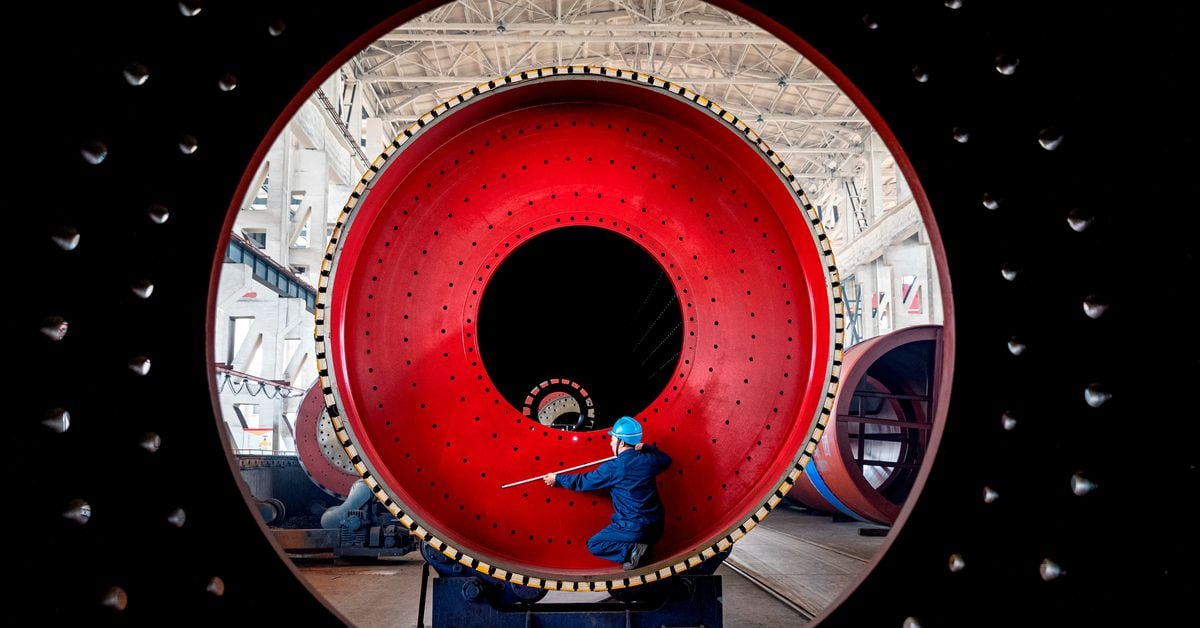
China is shifting its economic focus from investment and exports to boosting domestic consumption over the next five years, aiming to increase consumption's share in GDP and address structural imbalances, though results may take time due to existing challenges like low consumer confidence and a property crisis.
Originally Published 2 months ago — by Reuters

China's upcoming five-year plan will continue to prioritize high-tech manufacturing and supply-side growth, despite domestic consumption challenges and escalating US-China tensions, reflecting a commitment to its traditional 'all about production' economic approach amid geopolitical competition.
Originally Published 1 year ago — by Financial Times

China's Communist Party, led by Xi Jinping, is shifting its economic focus from technology and industry investment to boosting domestic consumption amid concerns over economic growth. The recent Central Economic Work Conference emphasized the need for "vigorous" efforts to enhance domestic demand, with plans to expand the budget deficit to fund these initiatives. While details are sparse, potential measures include increased health insurance coverage and education funding. Economists suggest that fiscal policy will play a significant role in stabilizing growth, though challenges like the housing market crisis remain unaddressed.
Originally Published 1 year ago — by The Washington Post

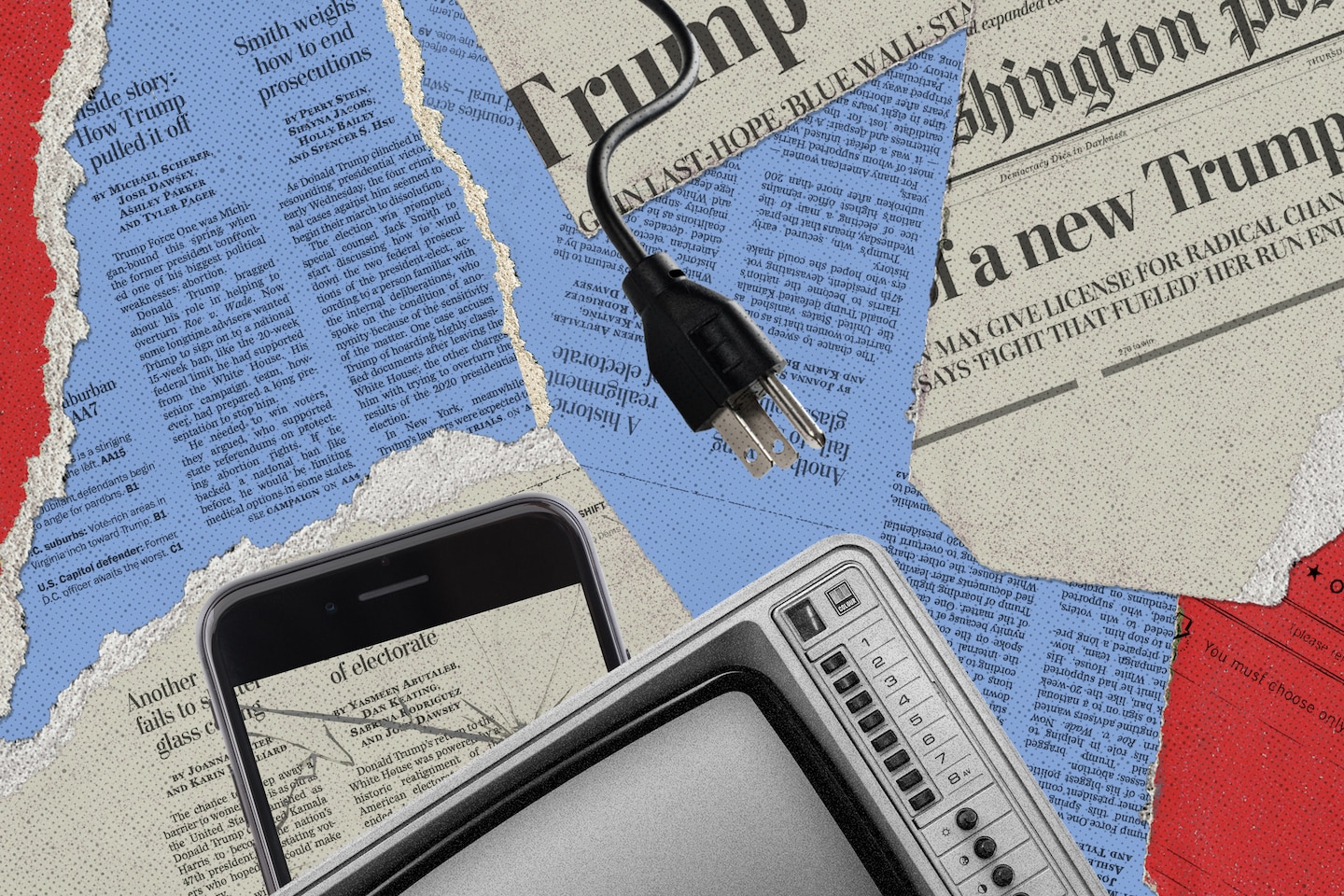
Following the election on November 6, individuals like Andrew DelPonte, Brandon Wilson, and Michelle Mullins have become disenchanted with consuming news, indicating a broader trend of news fatigue among the public.
Originally Published 1 year ago — by EatingWell
Regular alcohol consumption can have both potential benefits and significant risks. While moderate drinking, particularly of red wine, may offer some cardiovascular benefits, excessive alcohol intake poses serious health risks, including liver damage, increased cancer risk, and mental health issues. The National Institutes of Health recommends moderation, with no more than one drink per day for women and two for men, and advises certain groups to abstain entirely. Ultimately, the risks of alcohol consumption may outweigh the benefits, and alternatives like red grape juice or green tea can offer similar heart-healthy compounds.
Originally Published 1 year ago — by The Takeout

A nutrition expert suggests that for most people, consuming about 100 mg of caffeine per serving is generally fine, as our bodies have a natural ability to signal when we've had enough. While healthy adults can typically handle around 400 mg of caffeine daily, some individuals may tolerate more. However, highly caffeinated products like Panera's Charged Lemonade can pose dangers due to their unexpected caffeine content and the potential for rapid consumption. Caffeine overdose is rare but can be fatal, so clear labeling and mindful consumption are crucial.
Originally Published 1 year ago — by CNBC

China's Lunar New Year holiday saw a surge in travel activity and spending, with 474 million domestic trips and 632.7 billion yuan ($87.95 billion) spent, surpassing pre-pandemic levels. This signals a potential revival in consumption in the world's second-largest economy. However, analysts caution that the strong data may reflect pent-up demand and a low base from the previous year, and the sustainability of the travel bump remains uncertain. Policymakers in China have been working to boost domestic consumption amid deflationary pressures, and market participants are watching for potential stimulus measures to support the economy and spending.
Originally Published 1 year ago — by OilPrice.com

The Energy Information Administration reported that the United States set a new record for natural gas consumption on January 16, 2024, with 141.5 billion cubic feet consumed in the Lower 48 states. Extreme weather conditions drove up demand, with residential and commercial users accounting for nearly half of the consumption. This surge in consumption also led to near-record levels of natural gas being withdrawn from underground storage. The International Energy Agency forecasts a 2.5% growth in global natural gas consumption for 2024, following a 0.5% growth in 2023.
Originally Published 2 years ago — by Reuters

China's post-COVID recovery has been disappointing, raising doubts about its growth model and presenting Beijing with a choice between taking on more debt or accepting slower growth. The country's reliance on investment, rather than consumption, has left many Chinese feeling the effects of growth less. The economy's heavy debt burden and dependence on the property market pose challenges for policymakers. China's ageing population and difficult geopolitical environment further complicate the situation. Tough choices lie ahead for China, with potential implications for global industries and economies that rely on China as a supplier and market.
Originally Published 2 years ago — by Reuters

Japan's Q3 GDP has been revised to an annualized -2.9%, worse than the initial estimate of -2.1%, as consumption and capital expenditure both declined. Real wages and household spending also continued to fall in October, contributing to the sluggish consumption. The Bank of Japan's efforts to phase out its accommodative monetary policy are complicated by these economic challenges, and weak personal consumption is expected to persist due to declining real disposable income.
Originally Published 2 years ago — by Billboard

Taylor Swift's re-recorded version of her album "1989" (Taylor's Version) is expected to overshadow the original version in terms of market share, following the pattern set by her previous re-recorded albums. The original version of "1989" is likely to experience a significant drop in weekly consumption, similar to what happened with her albums "Fearless," "Red," and "Speak Now." The re-recorded versions have consistently outperformed the originals, leading to potential losses in sales and streams for the original versions.
Originally Published 2 years ago — by The New York Times

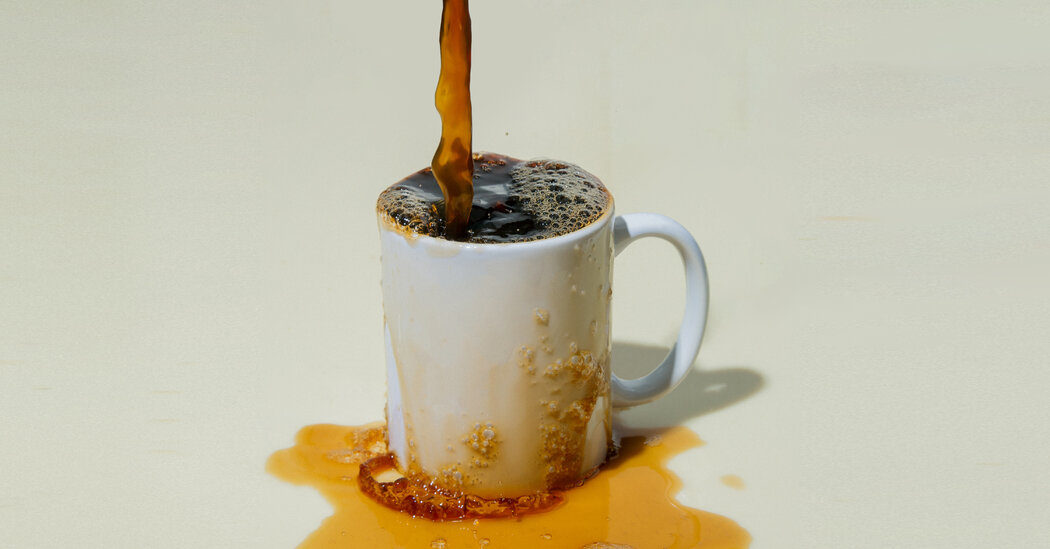
Coffee consumption is generally associated with more health benefits than risks, but most of the risks come from the caffeine content. While it's rare to experience dangerous side effects from drinking coffee, having too much caffeine can cause symptoms such as a racing heart, jitteriness, anxiousness, nausea, trouble sleeping, headaches, acid reflux, and even tremors or vomiting at high doses. Most adults can safely consume up to 400 milligrams of caffeine per day, while pregnant women should limit their intake to 200 milligrams. It's important to know your own tolerance and listen to your body's response to caffeine, adjusting your consumption accordingly.
Originally Published 2 years ago — by OilPrice.com

The article argues that while many proposed solutions to global crises focus on addressing specific issues such as carbon-free energy or renewable resources, they fail to address the underlying problem of ever-rising consumption. The author suggests that reducing consumption, also known as "degrowth," is necessary to achieve a steady-state economy and avoid potential collapse. However, this approach is often overlooked in favor of technological solutions that require ongoing access to capital, geopolitical stability, and plentiful resources. The article emphasizes the need to confront the root cause of the problem and consider the implications of continuous consumption on energy, resources, and the environment.
Originally Published 2 years ago — by Reuters

China's State Council has issued measures to boost consumption in sectors such as automobiles, real estate, and services, recognizing the crucial role of consumption in economic development. The government plans to improve charging infrastructure for new energy vehicles, expand affordable rental housing to support housing demand, and encourage tourism by reducing or eliminating admission fees at scenic areas during low periods. These measures come as policymakers aim to stimulate domestic demand and support the post-COVID economic recovery.