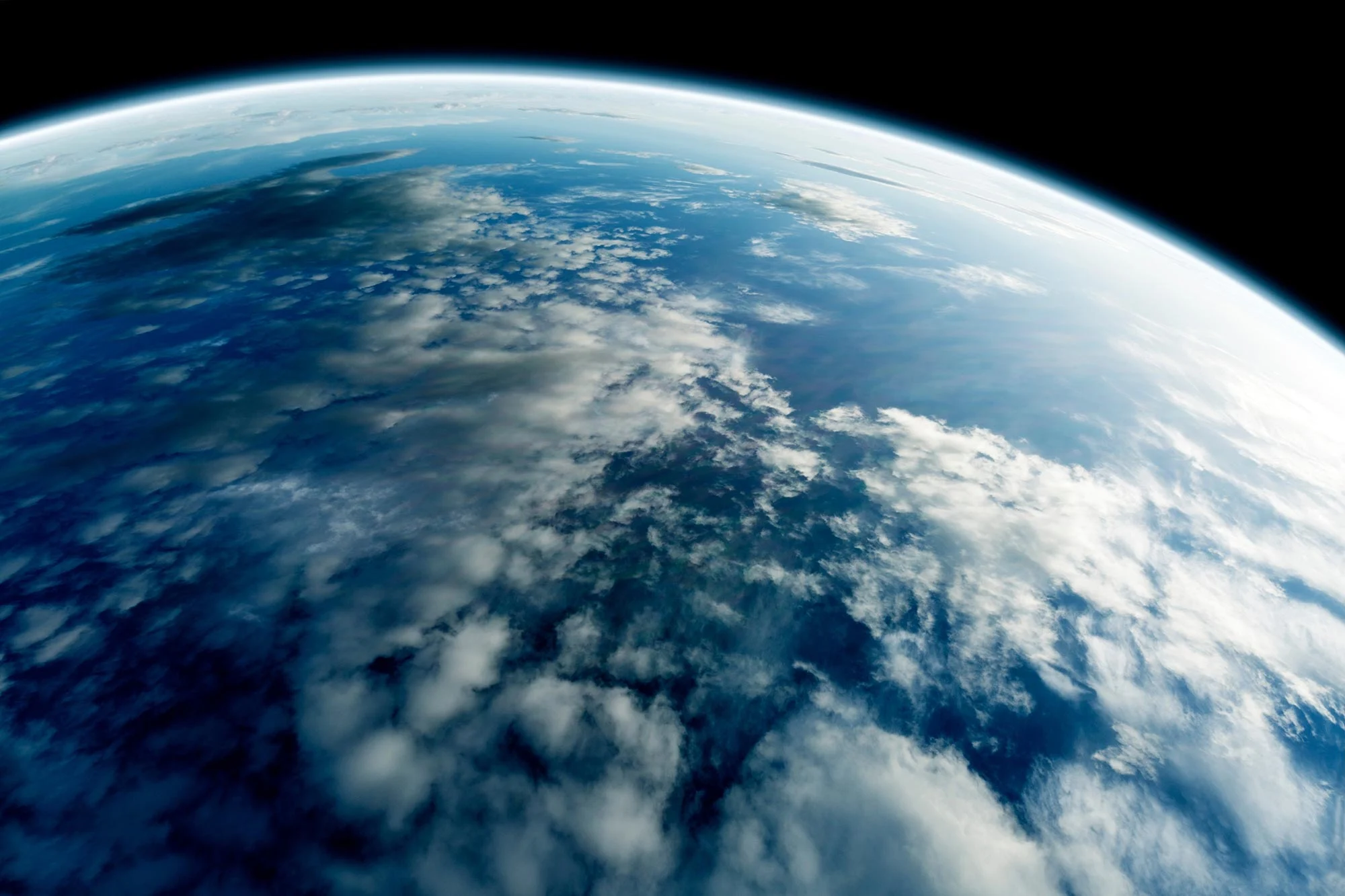
Satellites have revealed that volcanic ash can trigger the formation of high-altitude cirrus clouds by acting as nuclei for ice crystals, a discovery that enhances understanding of how eruptions influence Earth's climate and cloud dynamics.
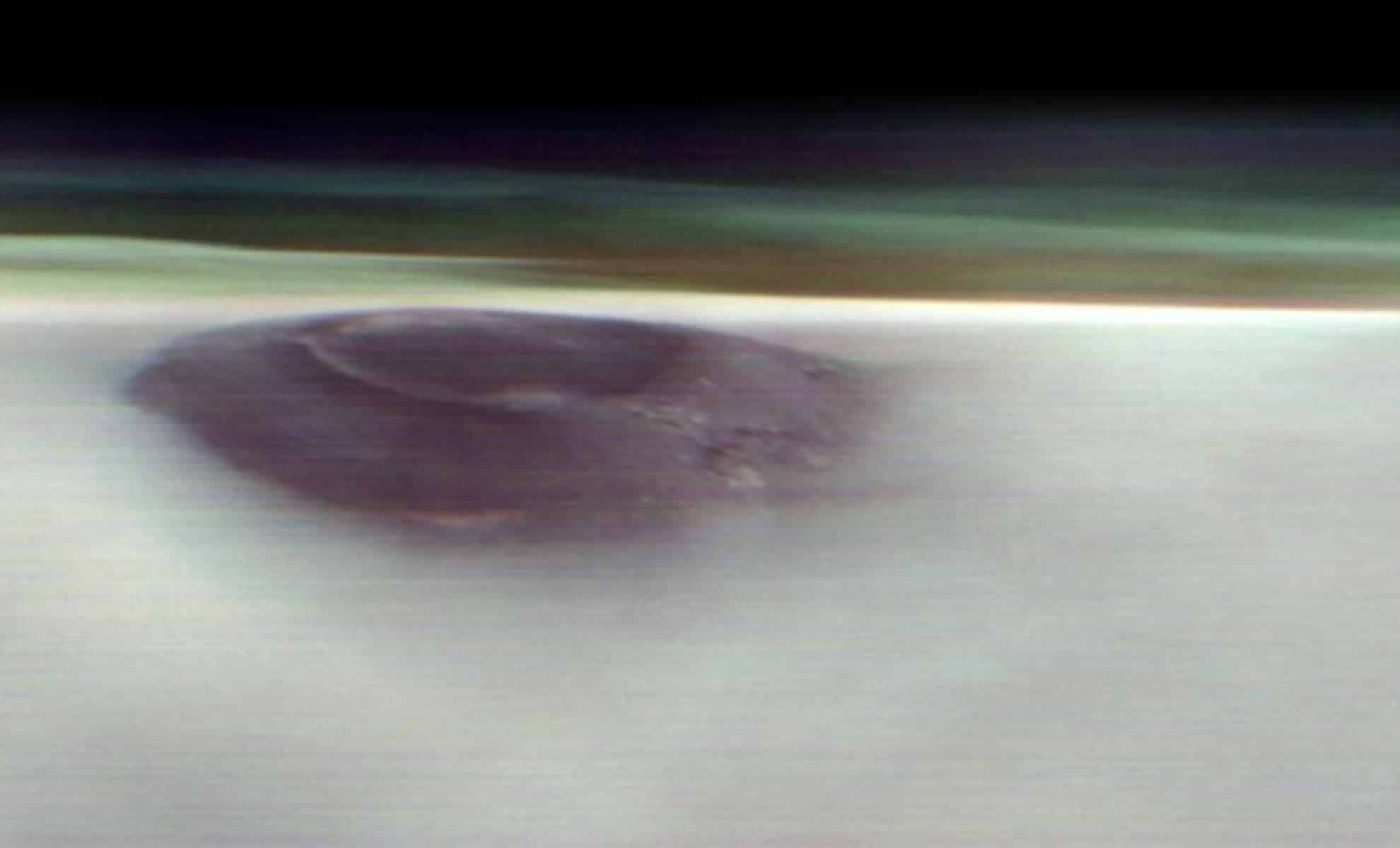
NASA's Mars Odyssey orbiter captured an unprecedented image of a towering formation emerging from the Martian clouds in the Tharsis region, providing new insights into Mars' atmospheric dynamics and seasonal changes, with the spacecraft's THEMIS instrument playing a key role in atmospheric studies.
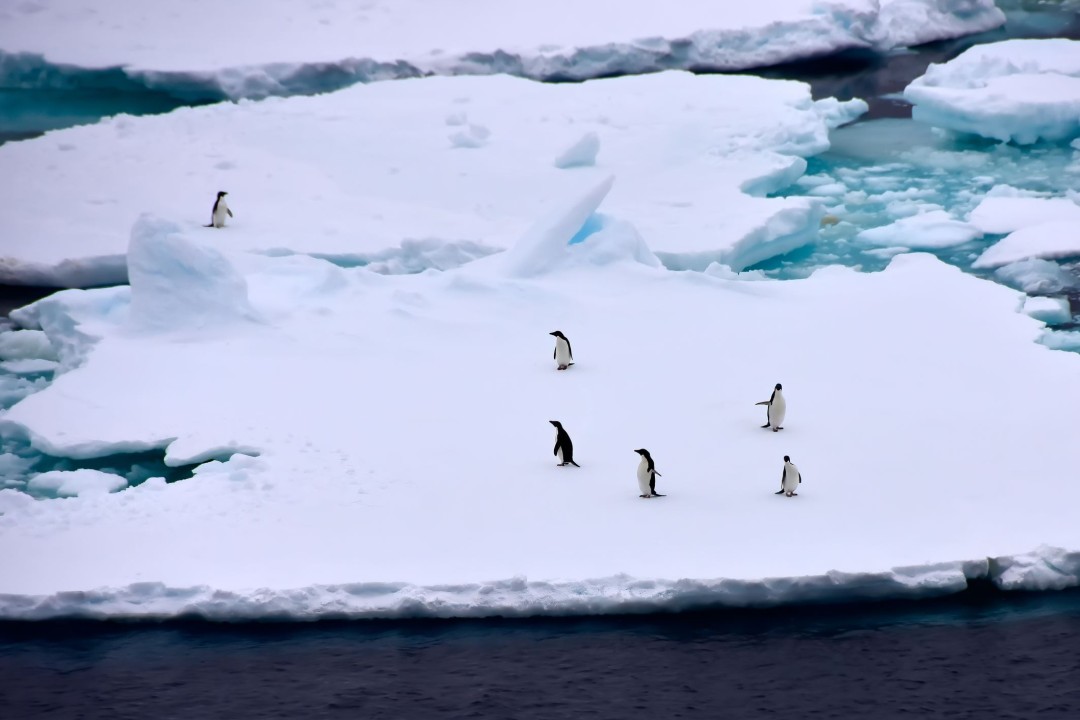
Researchers have discovered that penguin guano releases ammonia that contributes to cloud formation over Antarctica, potentially creating a cooling effect that might help mitigate regional warming, highlighting a complex biological-climatic feedback system.
Research suggests that penguin guano releases ammonia that promotes cloud formation, which could help cool Antarctica and counteract climate change effects, highlighting a surprising natural climate regulation mechanism.
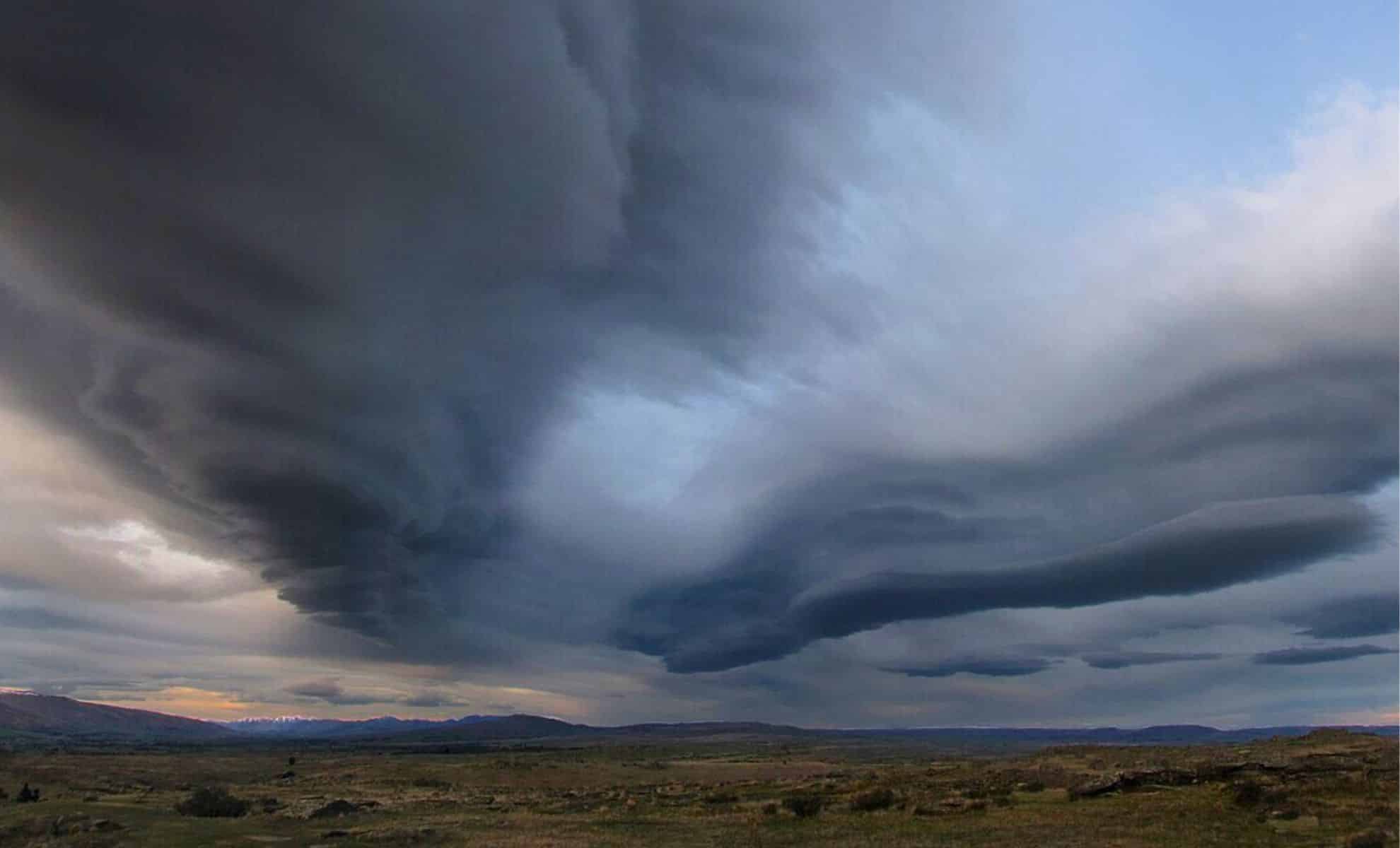
A rare lenticular cloud formation, known as the "Taieri Pet," was recently captured by NASA's Landsat 8 satellite over New Zealand's Otago region. This unique cloud, shaped by specific atmospheric conditions over the Rock and Pillar Range, is often mistaken for UFOs due to its distinct, stationary appearance. Locals have long regarded it as a storm predictor, adding to its mystique. The satellite's high-resolution imagery highlights the cloud's intricate structure, showcasing Earth's natural wonders from space.
New research from Penn State suggests that microplastics in the atmosphere may influence weather and climate by acting as ice nucleating particles in clouds. These particles can alter precipitation patterns and cloud formation, potentially impacting climate models and aviation safety. The study found that microplastics can cause water droplets to freeze at warmer temperatures, affecting cloud dynamics and possibly contributing to climate change. The full extent of their impact remains uncertain, but the findings highlight the need for further investigation into how microplastics interact with the climate system.
A study by Penn State researchers suggests that microplastics in the atmosphere may influence weather patterns by affecting cloud formation and rainfall. The presence of microplastics can lead to the formation of ice crystals at warmer temperatures, potentially altering rain patterns by causing less frequent but heavier rainfall. This research highlights the pervasive nature of microplastics and their potential impact on the climate system.
A recent study suggests that microplastics in the atmosphere can influence cloud formation by acting as nuclei for ice crystals, potentially affecting weather and climate. These particles can cause ice to form at warmer temperatures than usual, which may increase precipitation. The study highlights the need for further research to understand the concentration and impact of microplastics compared to other particles like mineral dust and biological materials in cloud formation.
A recent study reveals that microplastics can promote cloud formation by acting as nuclei for ice crystals at warmer temperatures than usual, potentially affecting weather and climate. These particles, found globally, could increase precipitation and alter clouds' impact on Earth's energy balance. The study tested common microplastics, finding that their ice nucleation ability is sensitive to surface chemical changes. Further research is needed to understand microplastics' concentrations in the atmosphere and their comparative impact on cloud formation.
New research from the Vienna University of Technology has uncovered the mystery of how feldspar, a common rock mineral, influences cloud formation. Using an atomic force microscope, scientists discovered that the peculiar geometry of feldspar's surface is caused by tiny pockets of water called inclusions, which release water vapor when the rock is split. This process creates hydroxyl groups that serve as perfect anchor points for water molecules to attach themselves to, explaining why feldspar is such an effective nucleation seed for cloud formation. Understanding feldspar's interaction with other elements will provide insights into Earth's carbon, potassium, and water cycles, as well as help in predicting how climate change will affect the atmosphere and cloud formation.
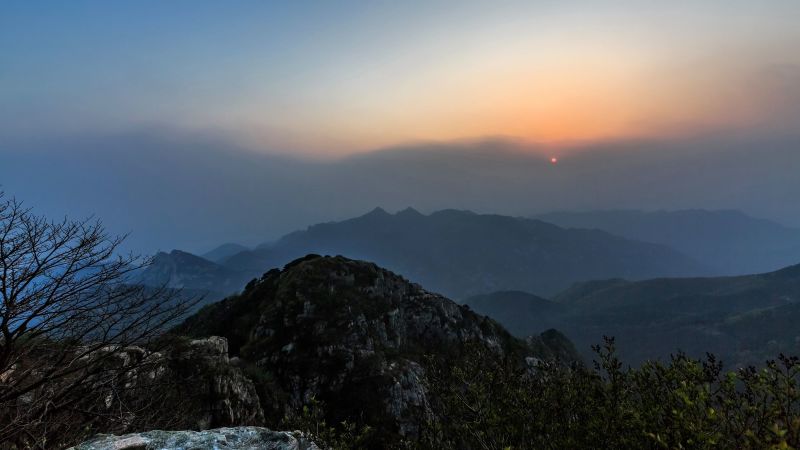
Microplastics have been detected in cloud samples taken from a mountaintop in China, suggesting that these tiny particles could influence weather patterns. Microplastics, which are tiny pieces of plastic no larger than five millimeters, are found in the air, water, and even in our bodies. The study found that microplastics can affect cloud formation by attracting water droplets, which are essential for cloud formation. However, further research is needed to understand the full extent of microplastics' impact on cloud formation and weather patterns. The study also revealed that microplastics are being carried long distances by the wind, with highly populated areas serving as major sources of these particles.
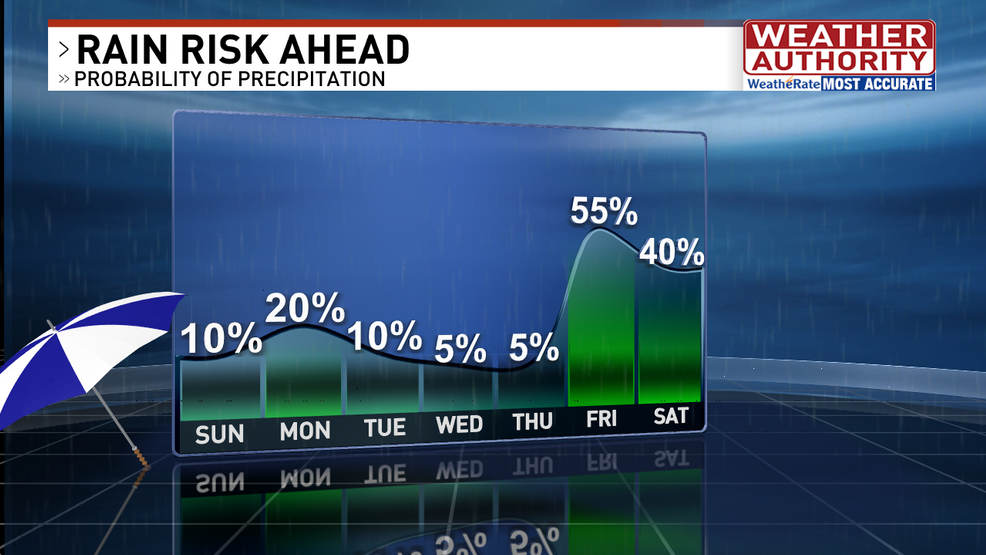
A dry stretch of weather is expected in Rochester, NY, as several areas of high pressure move into the region, inhibiting cloud formation and bringing some sunshine. Although temperatures will remain chilly, there is no snow in the forecast for the upcoming week.
A study conducted at CERN's Cosmics Leaving Outdoor Droplets (CLOUD) chamber has revealed that sesquiterpenes, a family of organic compounds released by trees, have a significant role in cloud formation. These compounds, known as ultra-low-volatility organic compounds (ULVOCs), can grow large enough for water droplets to condense on their surfaces, thus encouraging cloud formation. While the influence of isoprene and monoterpene on cloud formation is well understood, the role of sesquiterpenes has been harder to determine due to their lower emission and quick reaction with ozone. However, the study found that even at low concentrations, sesquiterpenes doubled the rate of cloud formation. Understanding the impact of sesquiterpenes on cloud formation is crucial for improving climate models and predicting the future of Earth's climate.
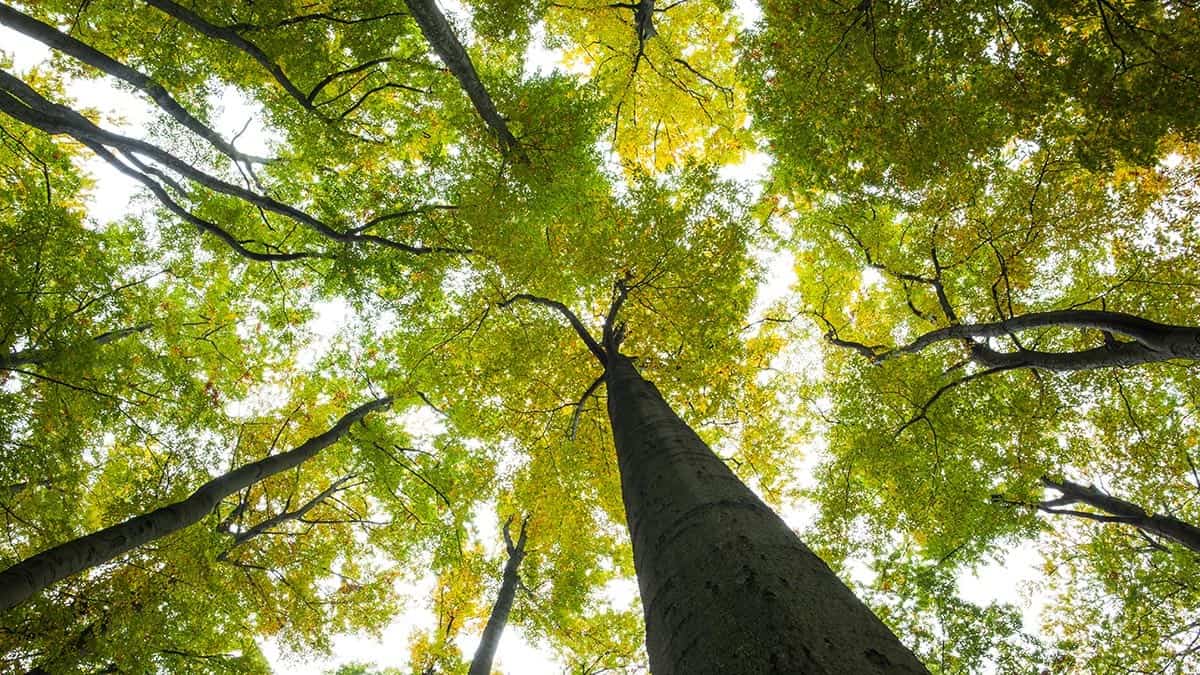
Scientists at CERN have discovered that trees release a type of chemical called sesquiterpenes, which are more effective than expected in seeding clouds. This finding suggests that trees play a significant role in cloud formation and could help refine estimates of the atmosphere before industrialization. The research highlights the need to better understand the composition of a "pristine" atmosphere and may require adjustments to climate models.
Scientists at CERN have discovered that trees release a type of chemical called sesquiterpenes, which are more effective than expected in seeding clouds. This finding suggests that trees play a significant role in cloud formation and could help refine estimates of the atmosphere before industrialization. The research highlights the need to better understand the composition of a "pristine" atmosphere and may require adjustments to climate models.