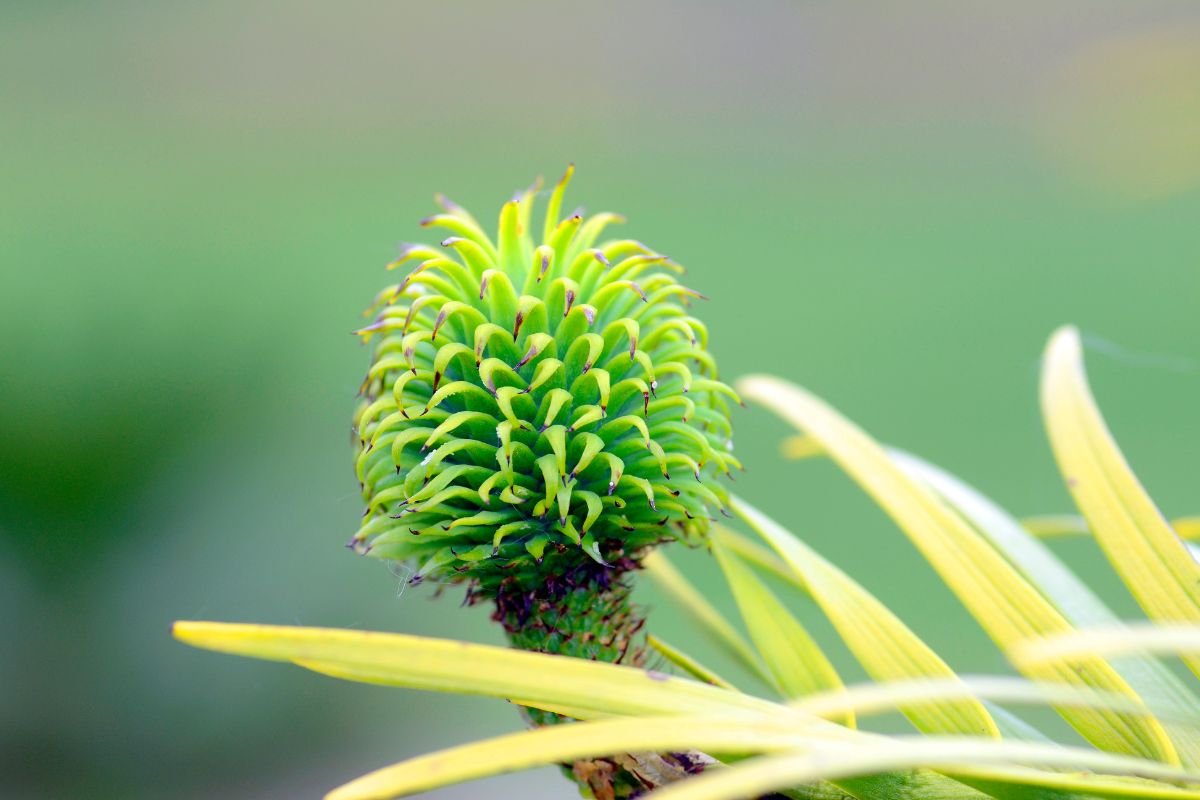
Retired gardeners in England successfully cultivated their Wollemi pine, a species that dates back to the age of dinosaurs, and it has produced fertile cones for the first time, marking a significant breakthrough in conservation and genetic diversity for this critically endangered living fossil.
An ancient tree has revealed evidence of a catastrophic solar storm that occurred thousands of years ago, providing new insights into historical solar activity and its potential impact on Earth.
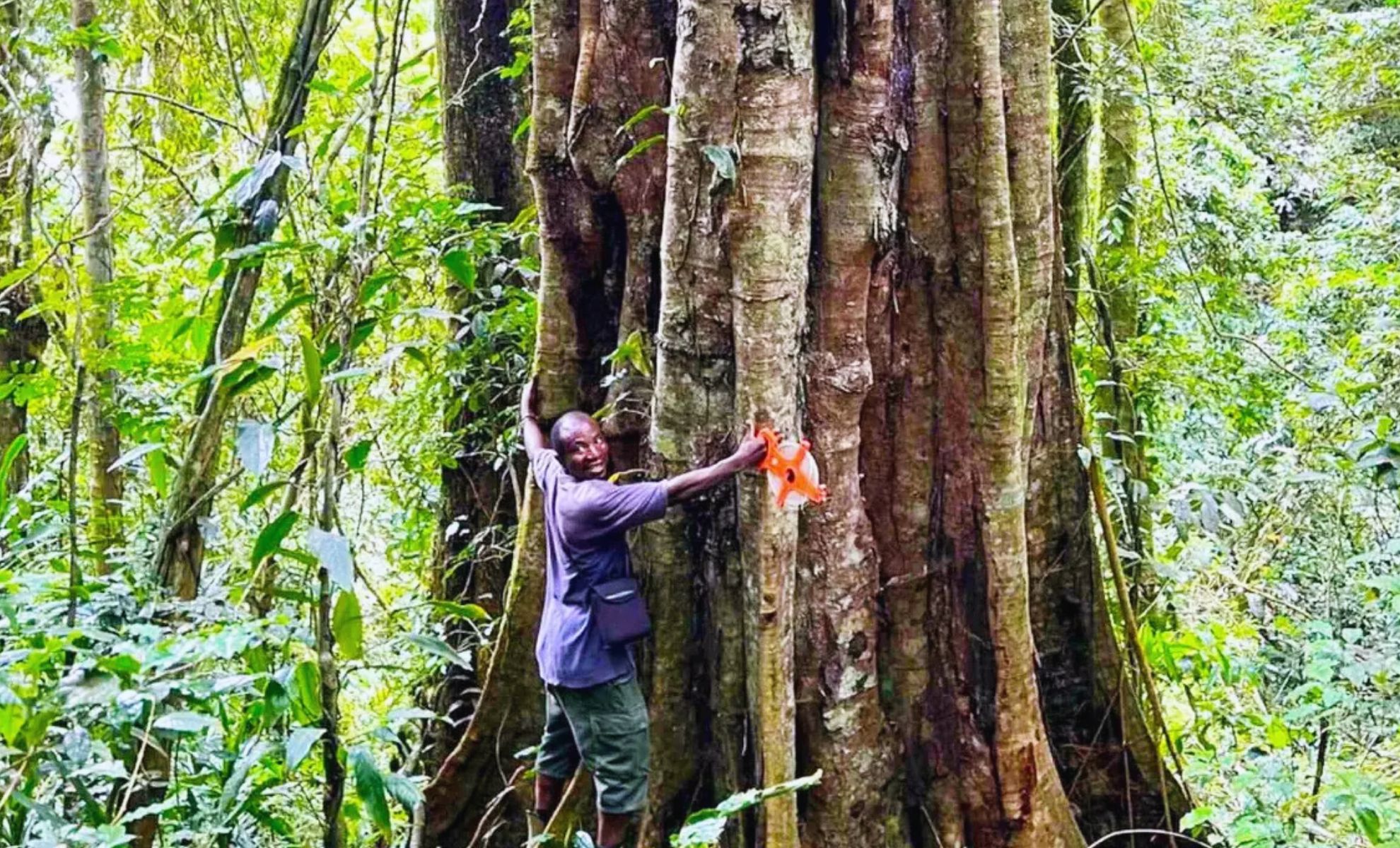
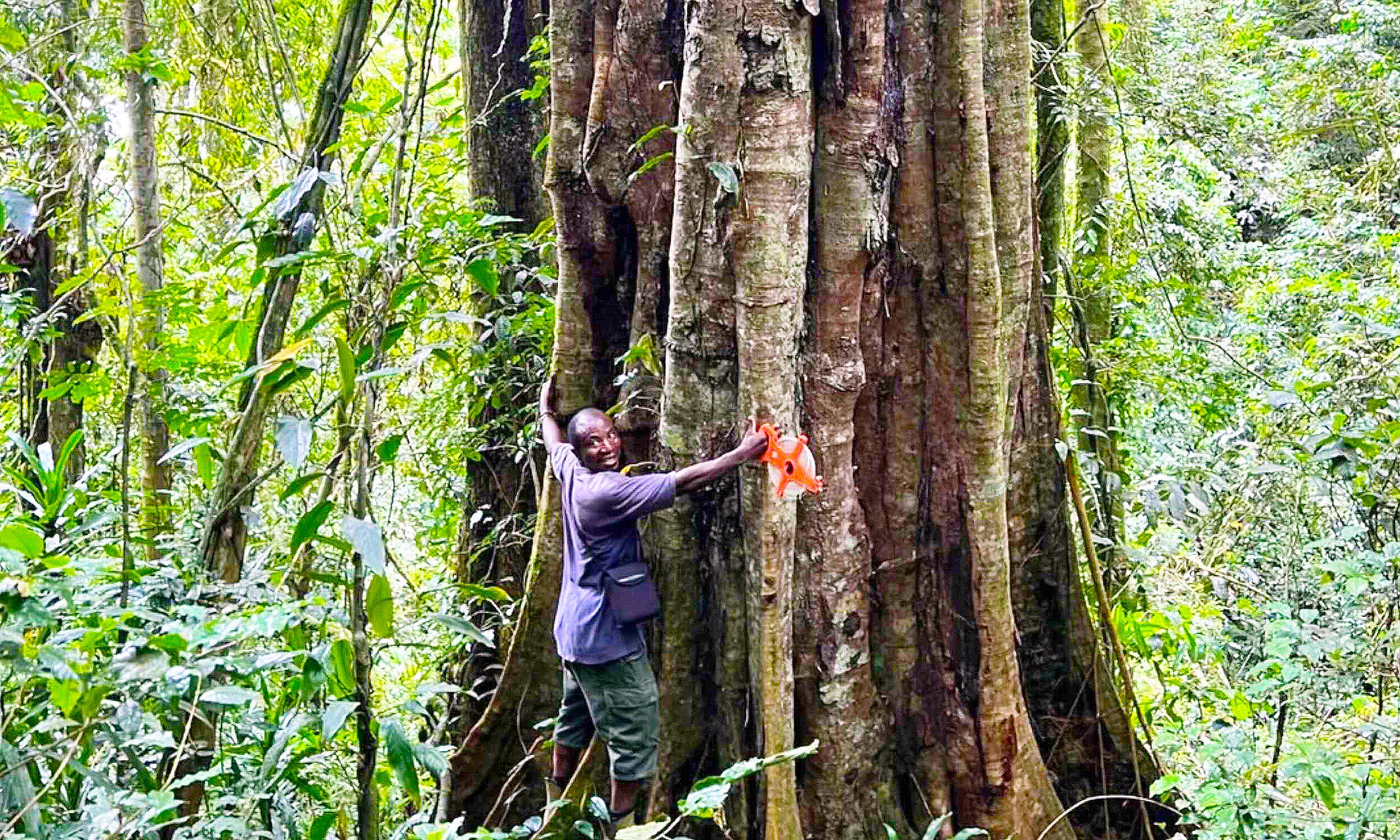
Scientists in Tanzania have discovered a new species of giant, ancient trees called Tessmannia princeps in the Udzungwa Mountains, which are between 2,000 and 3,000 years old and can reach heights of 131 feet. These trees are vital to their ecosystem, but are classified as vulnerable due to their limited range and threats from human activities.
Scientists in Tanzania have discovered a new species of giant, ancient tree called Tessmannia princeps, which is estimated to be 2,000-3,000 years old, with some individuals reaching over 130 feet tall and possessing trunks nearly nine feet across. The tree's longevity and unique habitat highlight its ecological importance and vulnerability, leading to its classification as 'Vulnerable' by the IUCN. This discovery underscores the significance of rainforest conservation and the potential for uncovering more hidden biodiversity.
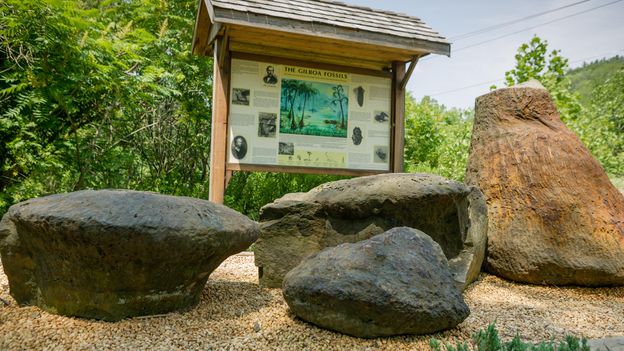
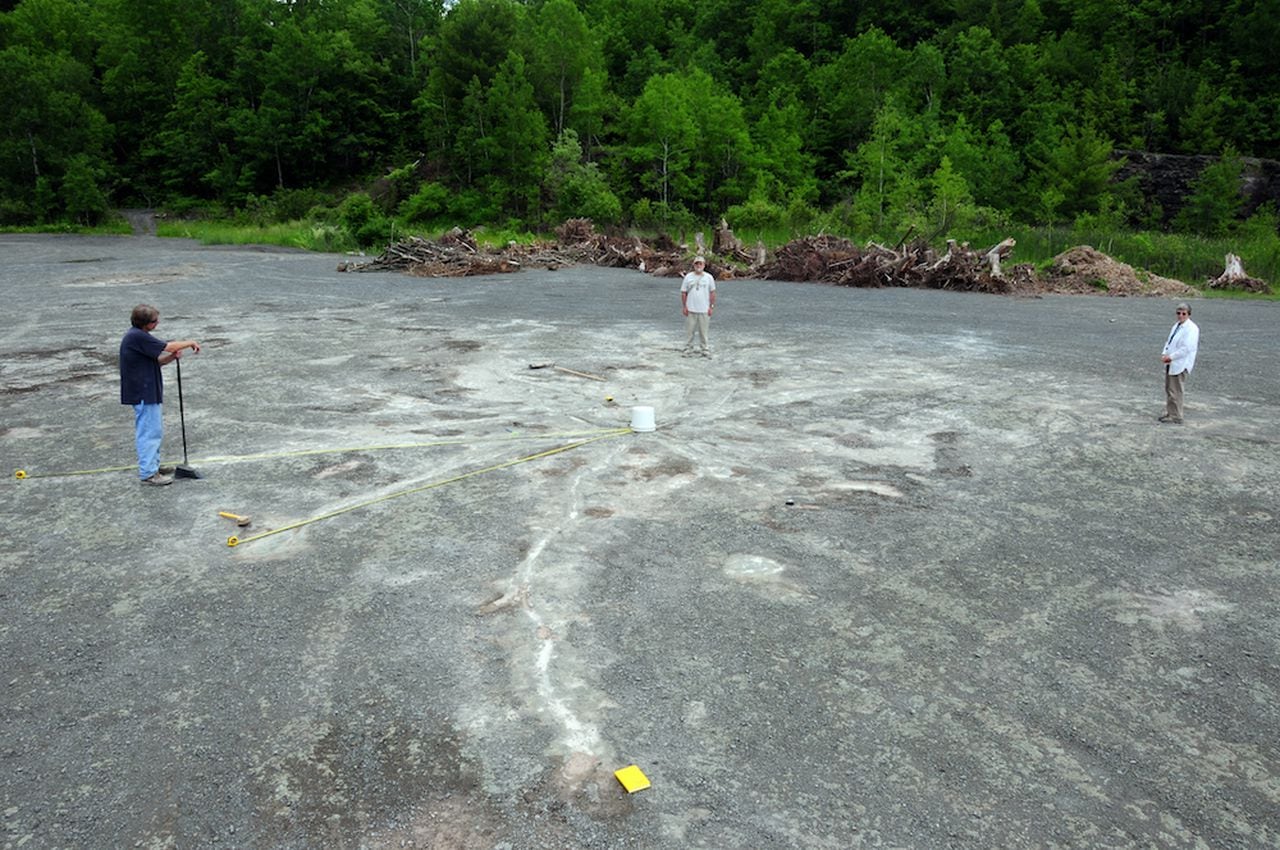
The discovery of a 385-million-year-old forest in Cairo, New York, has amazed the world, revealing evidence of a forest that is two to three million years older than the previously recognized oldest forest in nearby Gilboa. The region, including the Catskills and counties north of them, is a treasure trove for hikers and rockhounds, with thousands of fossil forests likely preserved under modern forests and soils. These ancient trees hold clues to the evolution of ancient forest ecosystems and climate changes, shedding light on the global cooling process in the Paleozoic era and the subsequent evolution of land-dwelling vertebrates. The region is now receiving funding to protect and preserve these ancient sites for educational and scientific purposes.
Researchers have declared an ancient forest in Upstate New York as the "world's oldest forest," dating back 387 million years. Located in Cairo, New York, the forest contains traces of roots belonging to the oldest trees in the world, predating the Gilboa fossil forest. The site provides valuable insights into the evolution of early trees, forest ecosystems, past climates, and possibly the earliest land animals. The discovery also sheds light on the role of ancient forests in facilitating the transition of fish into tetrapods and eventually dinosaurs. The area is currently closed to the public but may become an educational center in the future.
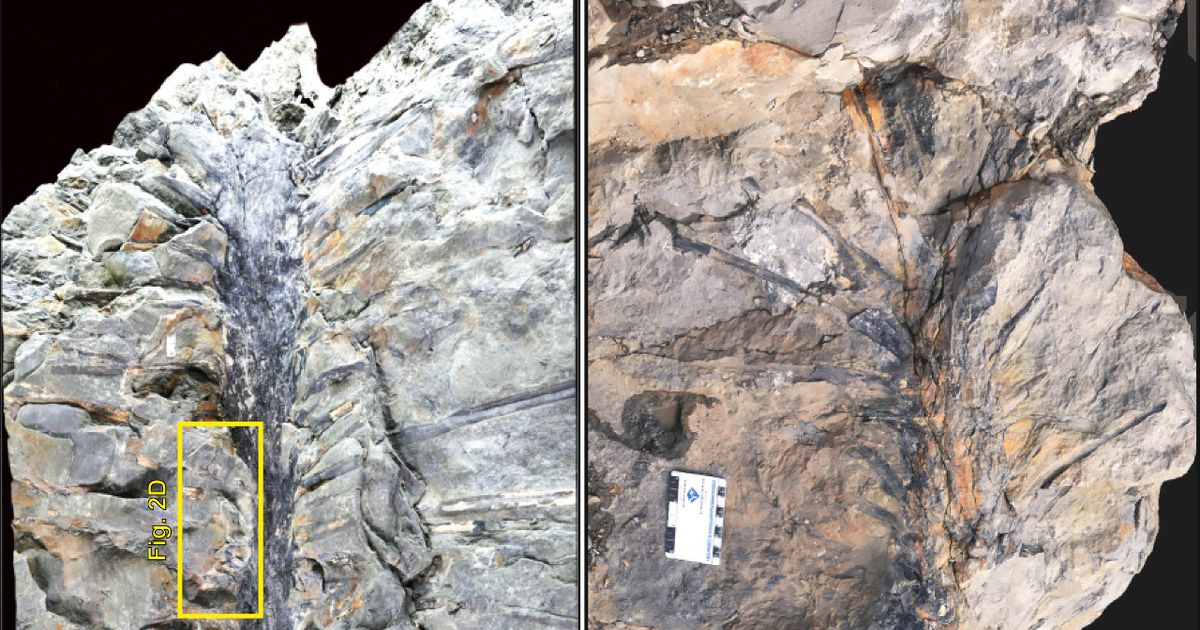
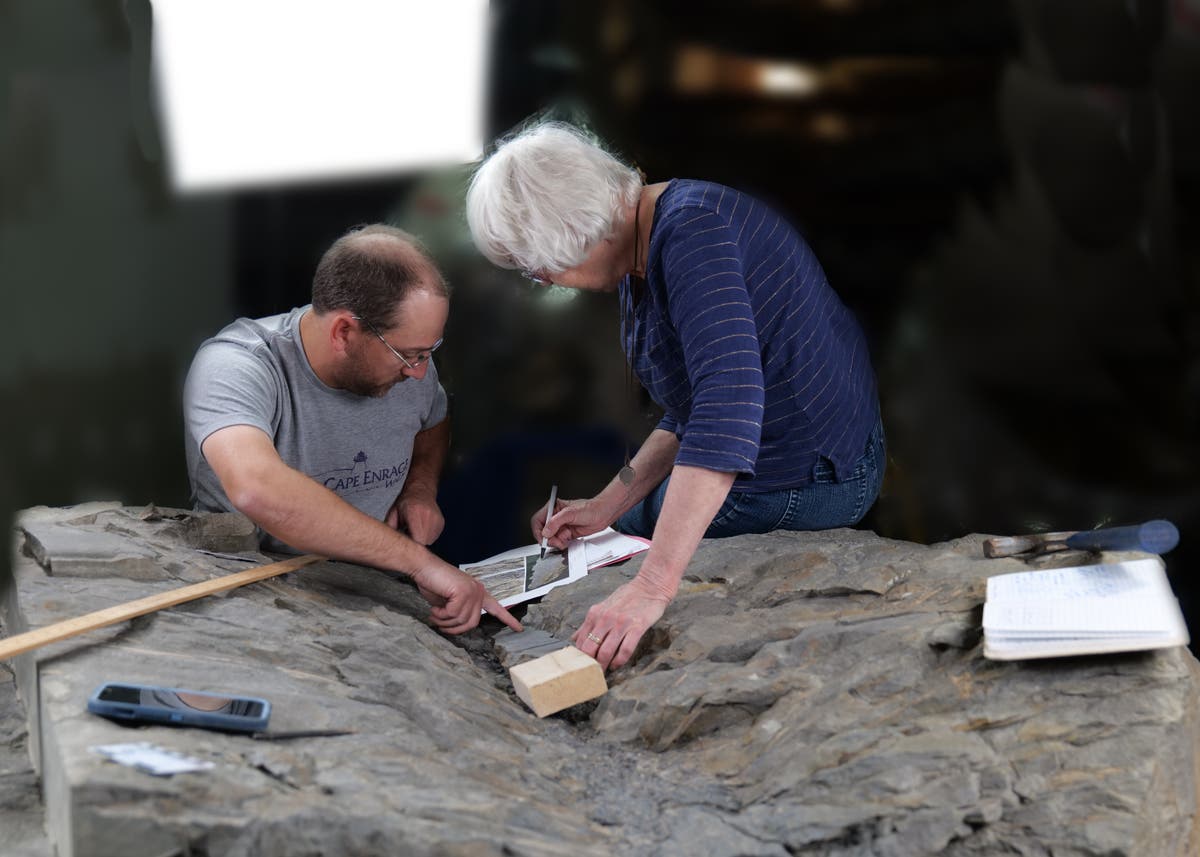
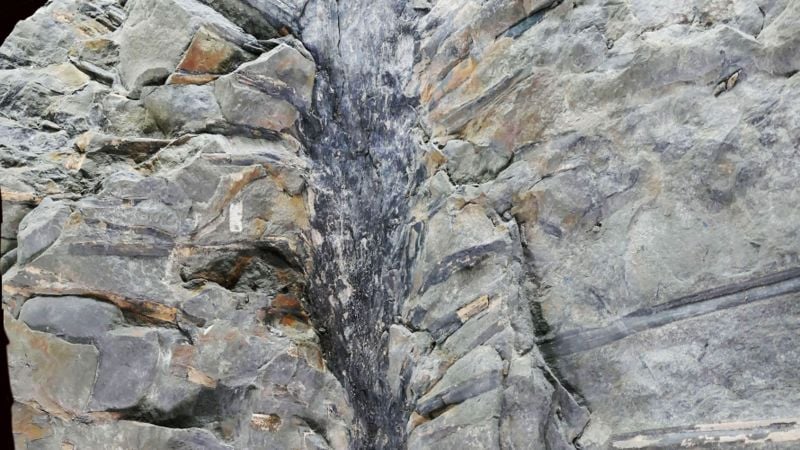
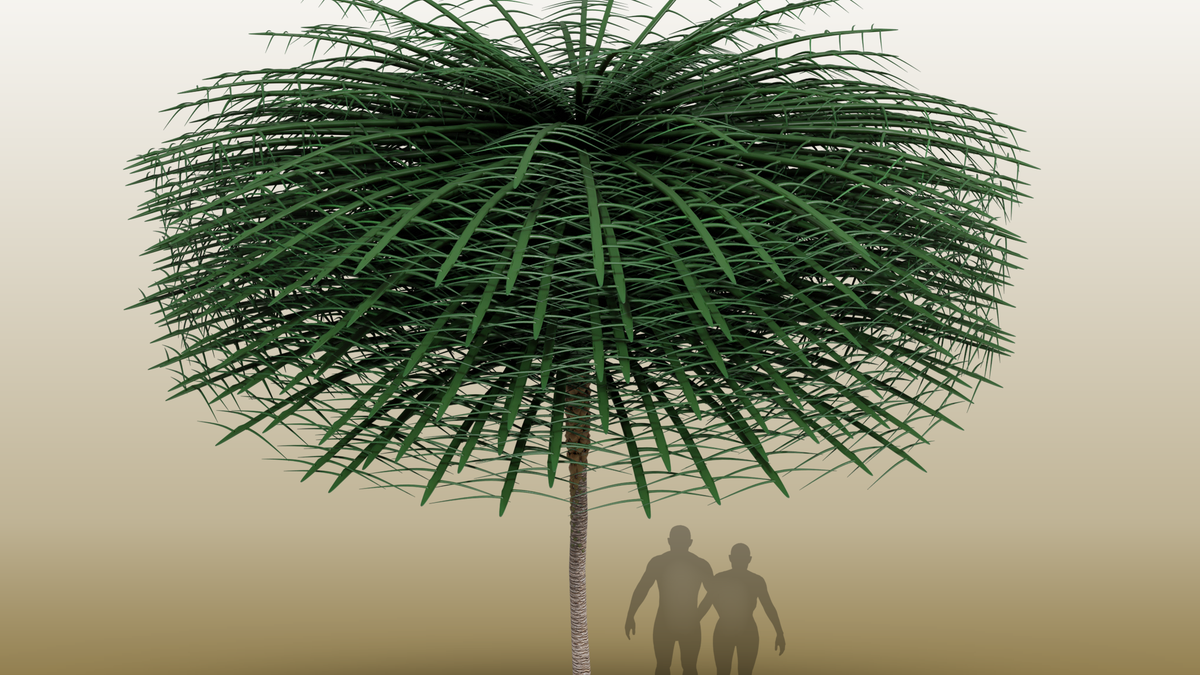
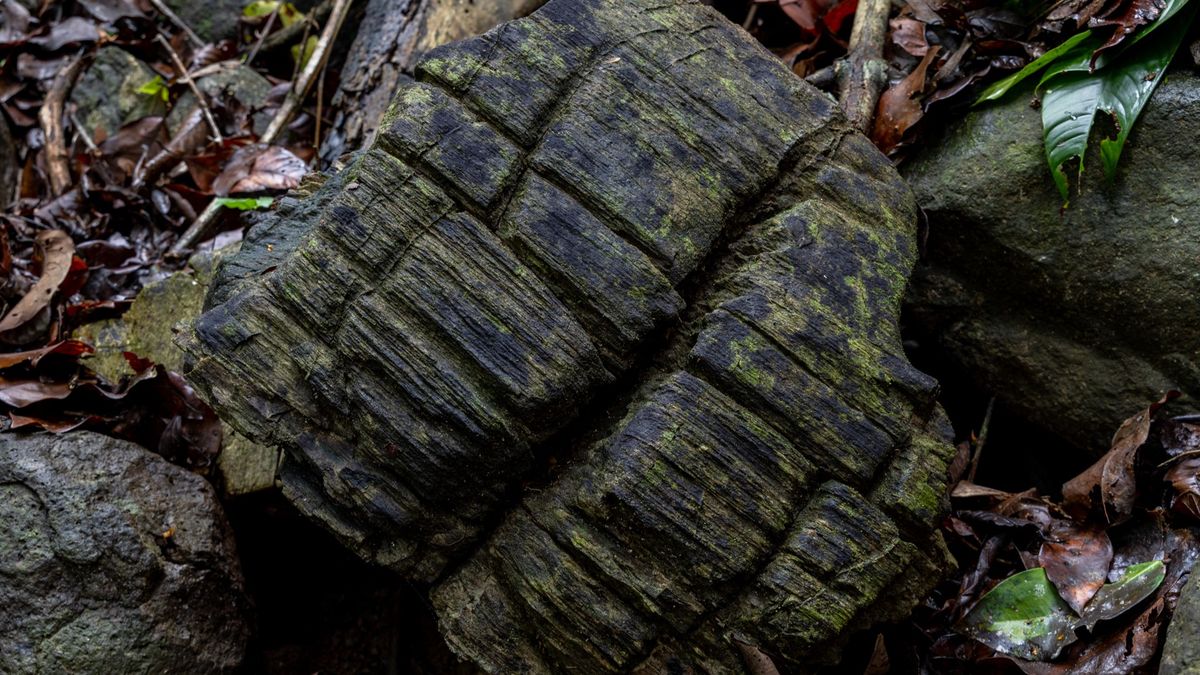
Rare 3D fossils of ancient "Dr. Seuss trees" have left scientists amazed, providing a snapshot of the world from 350 million years ago when the planet's early forests were evolving. The fossils, found in a Canadian quarry, are incredibly rare and well-preserved, shedding light on secrets from the Paleozoic era. Named "Sanfordiacaulis," the trees were likely fossilized due to a catastrophic landslide caused by an earthquake, and their discovery has provided valuable insights into early forest ecosystems, despite the plant's short-lived existence in the fossil record.
A research team believes it has found Amelia Earhart’s twin-engine plane deep beneath the Pacific Ocean using sonar imaging, potentially adding a new chapter to her mysterious disappearance. Meanwhile, the moon is experiencing shrinking and moonquakes, making the lunar south pole a risky place for astronauts, and new drone footage may have revealed the first newborn great white shark in the wild. Additionally, complete tree fossils resembling palms were discovered in Canada, and the James Webb Space Telescope captured stunning images of 19 galaxies, providing new insights into star formation and galactic evolution.
Scientists have discovered fossilized trees from 350 million years ago in New Brunswick, Canada, with a unique three-dimensional crown shape, resembling something from Dr. Seuss's imagination. These ancient trees, called Sanfordiacaulis, had long leaves around their spindly trunks, unlike any modern trees, and are a rare find in the fossil record. The discovery suggests that plant life in the Early Carboniferous period was more complex than previously thought, with trees experimenting with different forms and architectures to maximize light capture and reduce competition.
A study published in Current Biology details the discovery of uniquely 3D tree fossils in a Canadian quarry, dating back 350 million years and resembling Dr. Seuss illustrations. Named "Sanfordiacaulis," these fossils provide insight into early forest evolution, with one specimen preserving over 250 leaves around its trunk. The trees were likely buried alive by an earthquake, offering a rare glimpse into a period with limited fossil records. This discovery sheds light on experimental plant evolution and ecological niches, providing valuable clues about Earth's ancient ecosystems and potential future directions for life on the planet.
Researchers have discovered 350-million-year-old fossilized trees in northeastern Canada that resemble something out of Dr. Seuss, with a species called Sanfordiacaulis densifolia. These ancient trees, some of the oldest-known, were found in what was once an ancient lake and had a dense canopy of leaves that extended at least 18 feet around a non-woody trunk. The fossils, preserved in sandstone and siltstone, reveal a tree unlike any living today, shedding light on the diverse evolutionary mechanisms that shaped life on Earth.
A 23 million-year-old petrified mangrove forest has been discovered on Barro Colorado Island in Panama, preserved by a volcanic mudflow. The fossils, including a previously unknown species named Sonneratioxylon barrocoloradoensis, reveal that the ancient mangrove trees grew up to 130 feet tall, much taller than modern mangroves. The forest likely existed before the Isthmus of Panama formed and was wiped out by a single volcanic eruption. The stunningly preserved wood samples offer researchers a rare opportunity to study the past.