Germany has launched a 30 billion euro fund, Deutschlandfonds, to attract around 130 billion euros in private investment for energy, industrial, and tech sectors, using guarantees and loans to de-risk investments and support economic transformation.
Robinhood has filed to launch a publicly traded fund called 'Robinhood Ventures Fund I' aimed at giving retail investors access to startup investments, particularly in sectors like AI, fintech, and aerospace, though details are still pending.
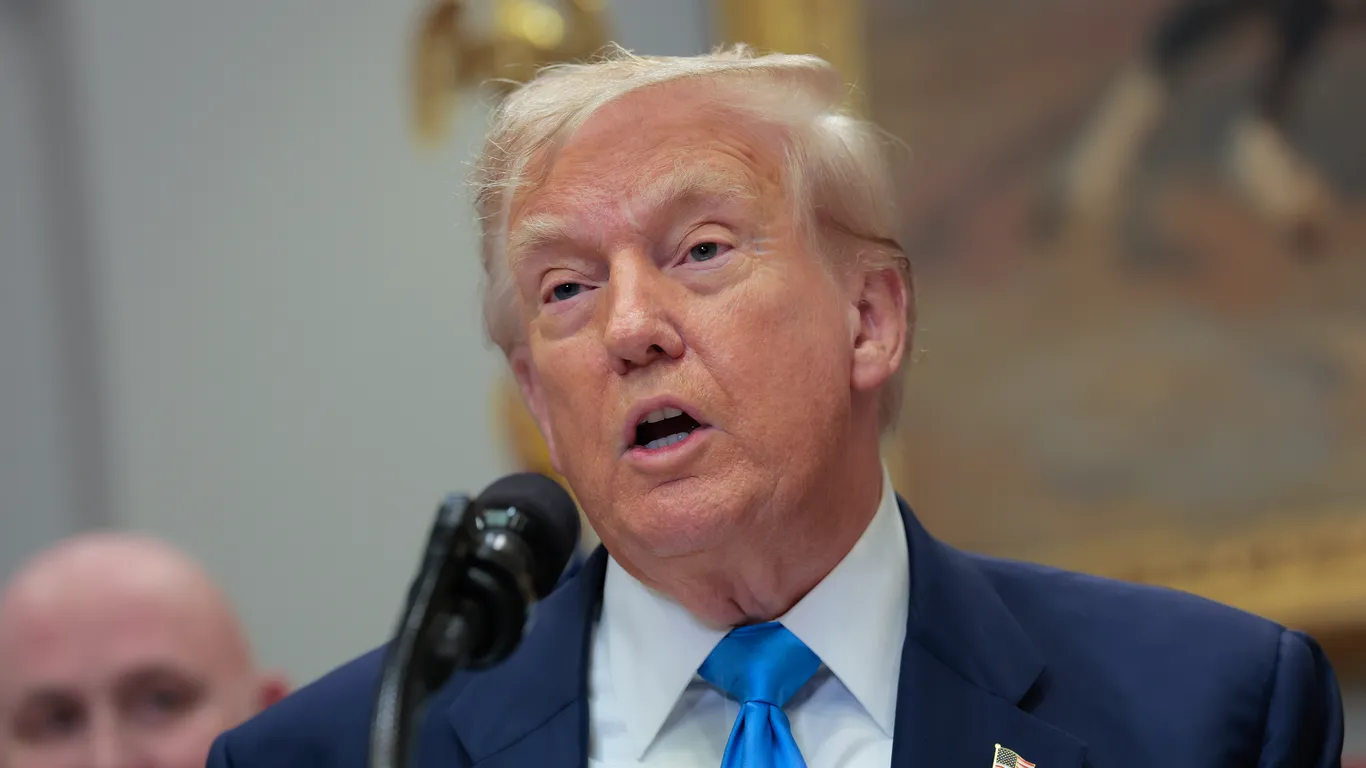
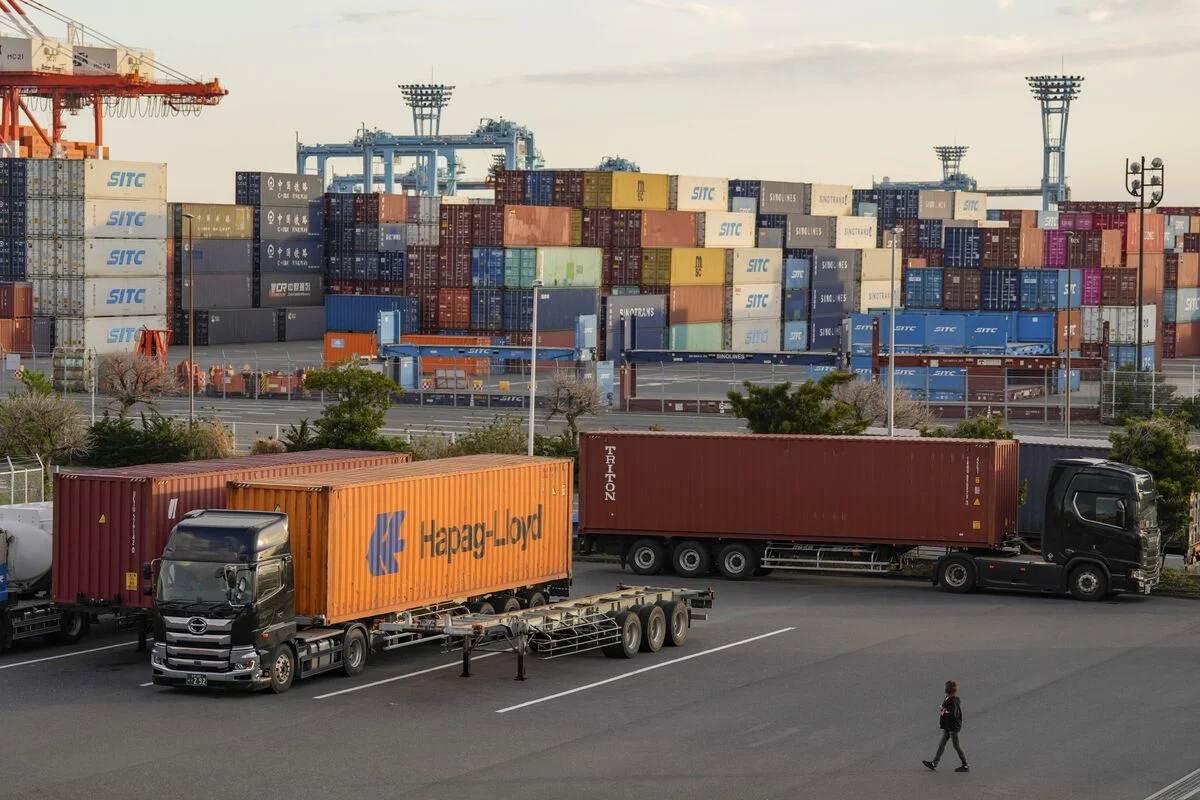
President Trump signed an executive order formalizing a trade deal with Japan that includes a 15% tariff on most products, a $550 billion US investment fund, and reduced auto tariffs, aiming to strengthen economic ties and investment between the two countries.
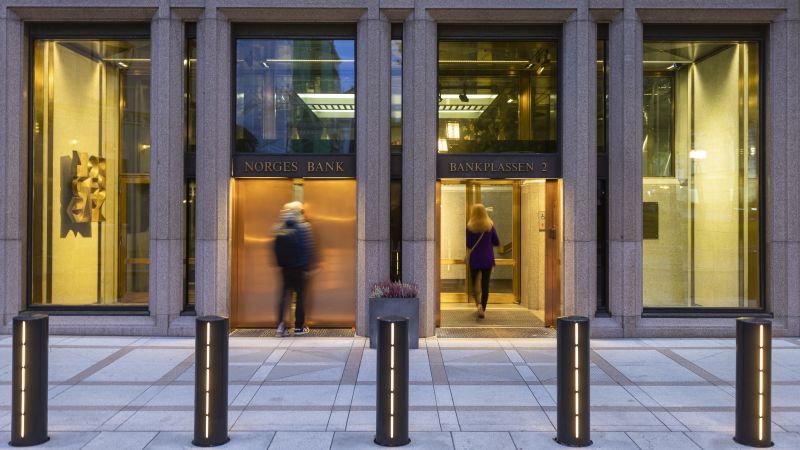
Norway’s $2 trillion sovereign wealth fund is planning to sell more Israeli stocks due to concerns over the Gaza and West Bank situation, having already divested from some companies including Bet Shemesh Engines, and plans to review and potentially exit more investments in Israel.
President Trump announced a new trade deal with South Korea, including a 15% tariff on imports and a $350 billion investment fund, aiming to clarify trade relations and benefit key industries, though details on investment deployment remain unclear.
The US and Japan announced a historic trade deal centered around a $550 billion investment fund, but key details about the fund's funding sources, implementation, and specific commitments remain unclear, raising questions about the deal's viability and transparency.
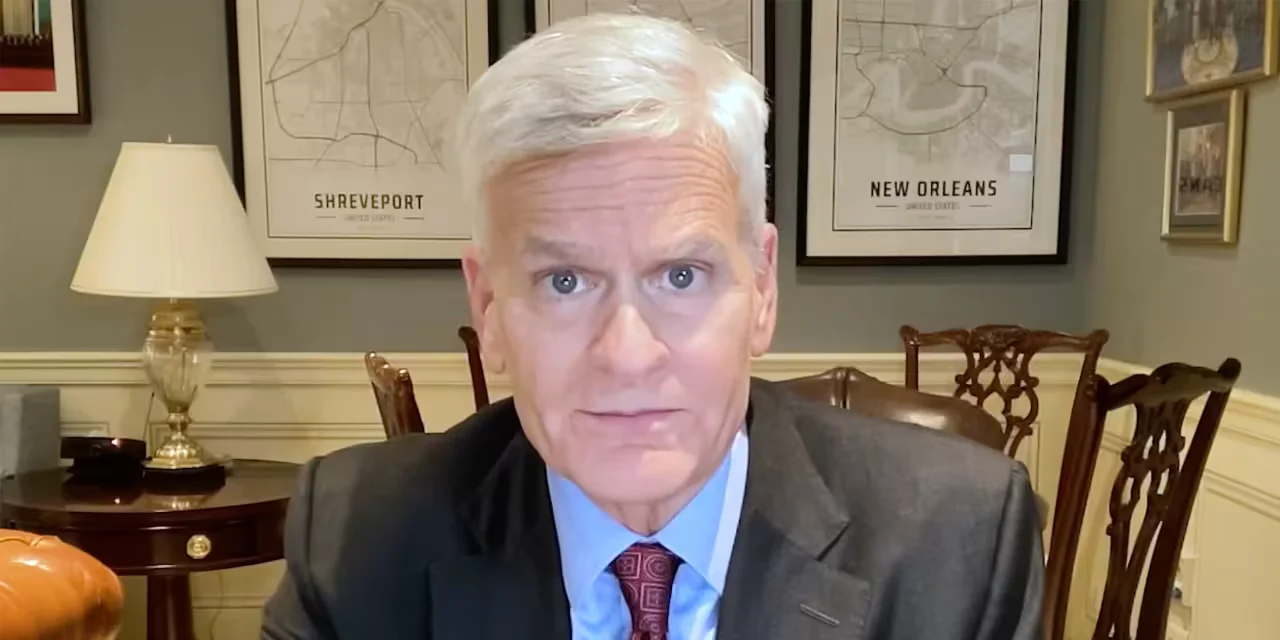
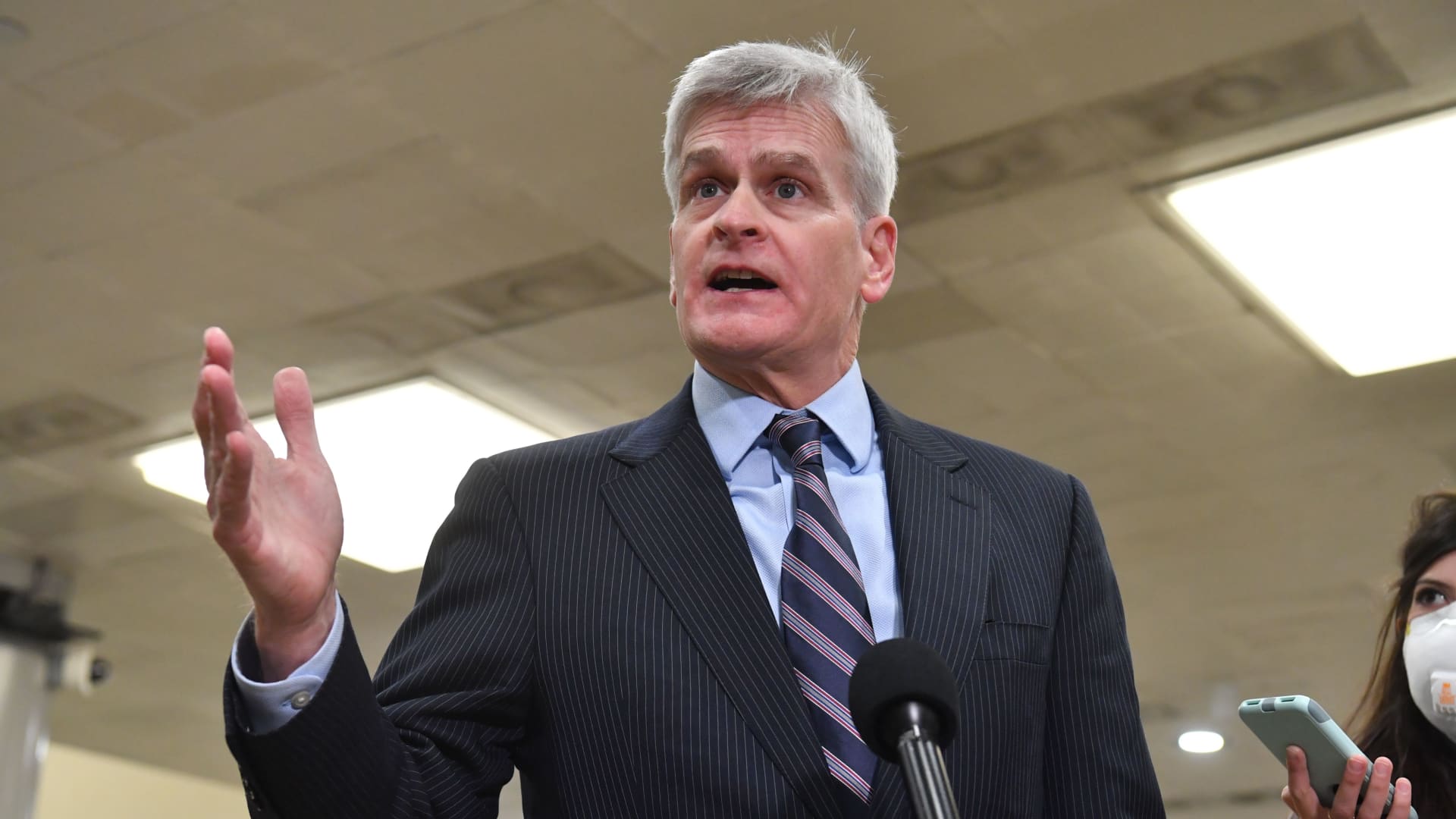
Senator Bill Cassidy proposes a bipartisan plan to strengthen Social Security by creating a separate investment fund to help bail out the program, aiming to extend its viability for 300 years, and discusses recent healthcare reforms and vaccine policies.
Mars has launched a $250 million Sustainability Investment Fund to support innovative solutions in agriculture, ingredients, and packaging, aiming to reduce its environmental impact and achieve a 50% reduction in carbon emissions by 2030, while integrating climate goals into its business strategy and governance.
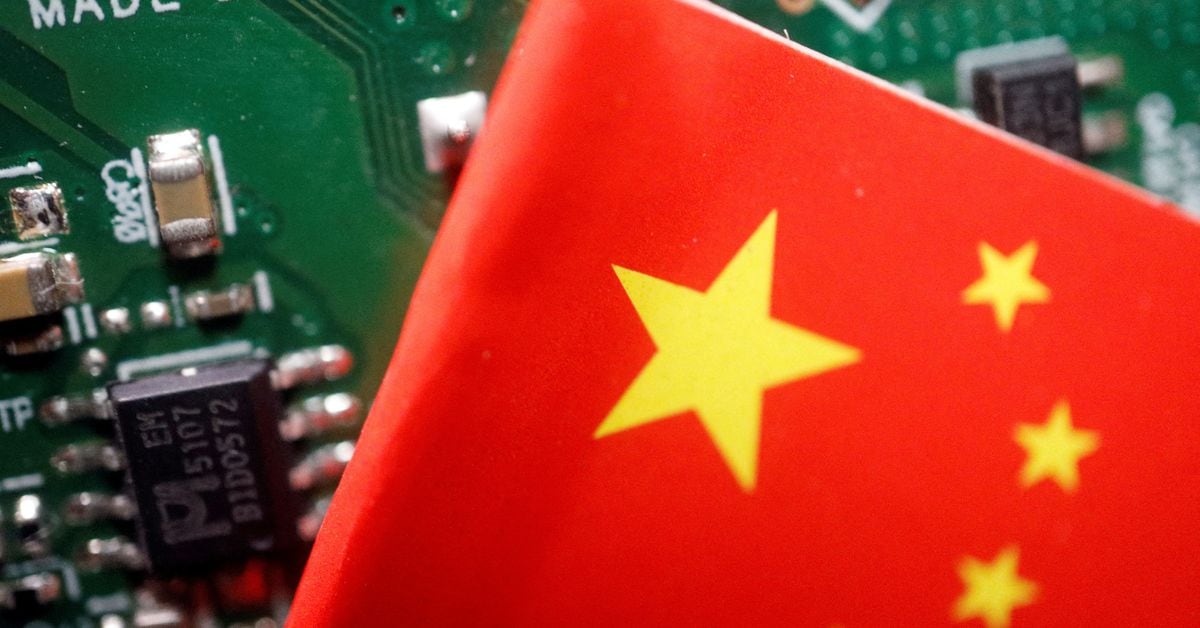
China has established its largest-ever semiconductor investment fund, Big Fund III, with 344 billion yuan ($48 billion) to bolster its domestic chip industry amid U.S. restrictions. This move aims to reduce reliance on U.S. chipmakers like Nvidia and AMD, which are facing revenue declines in China. The fund, supported by the Chinese central government and state-owned entities, seeks to advance China's semiconductor capabilities and counteract the U.S. chip ban.
China has established its largest-ever semiconductor investment fund, totaling $47.5 billion, to boost its domestic chip industry amid escalating tensions with the US. The fund, known as Big Fund III, aims to achieve self-sufficiency in semiconductor production as the US imposes restrictions on China's access to advanced chips and equipment. The initiative is part of China's broader strategy to counter US technological dominance and support local chipmakers like SMIC and Huawei.
China has established its third state-backed investment fund with a capital of $47.5 billion to boost its semiconductor industry, aiming for self-sufficiency amid US export controls. The fund, the largest of the three phases of the China Integrated Circuit Industry Investment Fund, will focus on chip manufacturing equipment and has major Chinese banks and the finance ministry as key investors.
Saudi Arabia's government plans to establish a $40 billion fund to invest in artificial intelligence, with discussions of a potential partnership with U.S. venture capital firm Andreessen Horowitz and other financiers. The fund, expected to launch in the second half of 2024, aims to support various tech start-ups associated with AI, including chip makers and large-scale data centers. PIF's Al-Rumayyan has highlighted the kingdom as a potential hub for AI activity outside the U.S., citing its energy resources and funding capacity.
The Church of England's £100m investment fund to address its historic ties to slavery is deemed "not enough" by a report, which recommends increasing the fund to at least £1bn. The fund aims to support black-led businesses focusing on education, economic empowerment, and better health outcomes. The report also calls for the Church to fully acknowledge its involvement in the slave trade and apologize for its historical denial of the humanity of black Africans. The Church has welcomed the report but has not committed to raising the fund to the recommended amount.
China is planning to launch a new state-backed investment fund, expected to raise around $40 billion, to boost its semiconductor sector and catch up with the US and other rivals. The fund, the largest of three launched by the China Integrated Circuit Industry Investment Fund, will focus on investing in chip manufacturing equipment. The move comes as China aims to achieve self-sufficiency in semiconductors, following export control measures imposed by the US and its allies. The fundraising process is expected to take months, and the launch date for the fund is yet to be determined.
Republican Senator Bill Cassidy of Louisiana is working on a bipartisan "big idea" to address Social Security's 75-year shortfall by creating an investment fund separate from Social Security and allowing the investment to earn returns over a period of 70 years. Cassidy is working with Sen. Angus King, I-Maine, to craft a bipartisan solution to fix the program. The idea for investing Social Security's funds in the market is inspired by private pension funds, which already buy securities outside of Treasurys. Social Security's combined trust funds will only be able to pay full benefits until 2034, according to recent projections from the Social Security Board of Trustees.