A study found common and distinct patterns in gut bacteria among children with autism, ADHD, and anorexia nervosa, revealing links between gut microbes, appetite hormones, and brain health, though further research is needed due to limitations like small sample size.
A study by Massachusetts General Hospital published in JAMA Network Open suggests a two-way genetic link between being a morning person and an increased risk of anorexia nervosa. The research indicates that early risers are more likely to develop anorexia, and those with the disorder tend to have disturbed sleep patterns, including insomnia but not necessarily altered sleep duration or daytime napping. This connection may inform future circadian-based therapies for the prevention and treatment of anorexia, which affects millions annually and is particularly prevalent among young women.
Heightened anxiety is a significant predictor of weight loss in girls and young women with anorexia nervosa, according to a study published in the Journal of Psychiatric Research. The findings suggest that targeting anxiety could improve treatment outcomes for those with the eating disorder. The study involved 64 female participants, with 33 diagnosed with anorexia nervosa and 31 serving as controls. Higher anxiety levels were associated with decreasing body mass index (BMI) over a six-month period. The study highlights the importance of addressing anxiety in the treatment of anorexia nervosa.
A new book and documentary are shedding light on the life and legacy of Karen Carpenter, the beloved singer who became the first celebrity casualty of anorexia. Contrary to popular belief, it is suggested that her mother's favoritism towards her brother, Richard, played a significant role in Karen's battle with anorexia and body dysmorphia. The documentary, "Karen Carpenter: Starving For Perfection," and the biography, "Lead Sister: The Story Of Karen Carpenter," explore Karen's struggles with her weight, her strained relationship with her mother, and the pressures of fame in the music industry. Karen's tragic death in 1983 due to heart failure brought attention to anorexia and sparked further research and awareness of eating disorders.
A new biography titled "Lead Sister: The Story of Karen Carpenter" explores the battle with anorexia nervosa that ultimately led to the untimely death of the singer-drummer at the age of 32. The book reveals that Carpenter checked into a hotel for intensive therapy sessions, during which she admitted to taking over 90 laxatives and 10 pills of thyroid medication daily. Her therapy aimed to help her cut down and eventually stop these behaviors. However, her health deteriorated, and she was admitted to the hospital weighing only 77lbs. Despite gaining weight during her hospital stay, Carpenter tragically passed away due to complications from anorexia.
A new study has found that individuals with attention deficit hyperactivity disorder (ADHD) have a higher risk of developing mental disorders and attempting suicide. The study revealed that people with ADHD were 30% more likely to attempt suicide and 9% more likely to develop major depression. Additionally, living with ADHD was associated with an 18% higher chance of developing post-traumatic stress disorder (PTSD) after a trauma. The study also found a direct link between ADHD and anorexia nervosa. The findings highlight the importance of early screenings and comprehensive treatment for ADHD to address potential mental health issues.
A recent home-based study published in the Journal of Eating Disorders examined the sleep patterns of anorexia nervosa patients. The study found that these patients experienced significant sleep disturbances, including more nights spent awake, shorter periods of uninterrupted sleep, and longer durations of awakenings during the night. These disruptions have been linked to poorer treatment outcomes and more severe eating disorder symptoms. By addressing sleep disturbances in anorexia patients, healthcare providers may be able to improve treatment outcomes and reduce the severity of eating disorder symptoms.
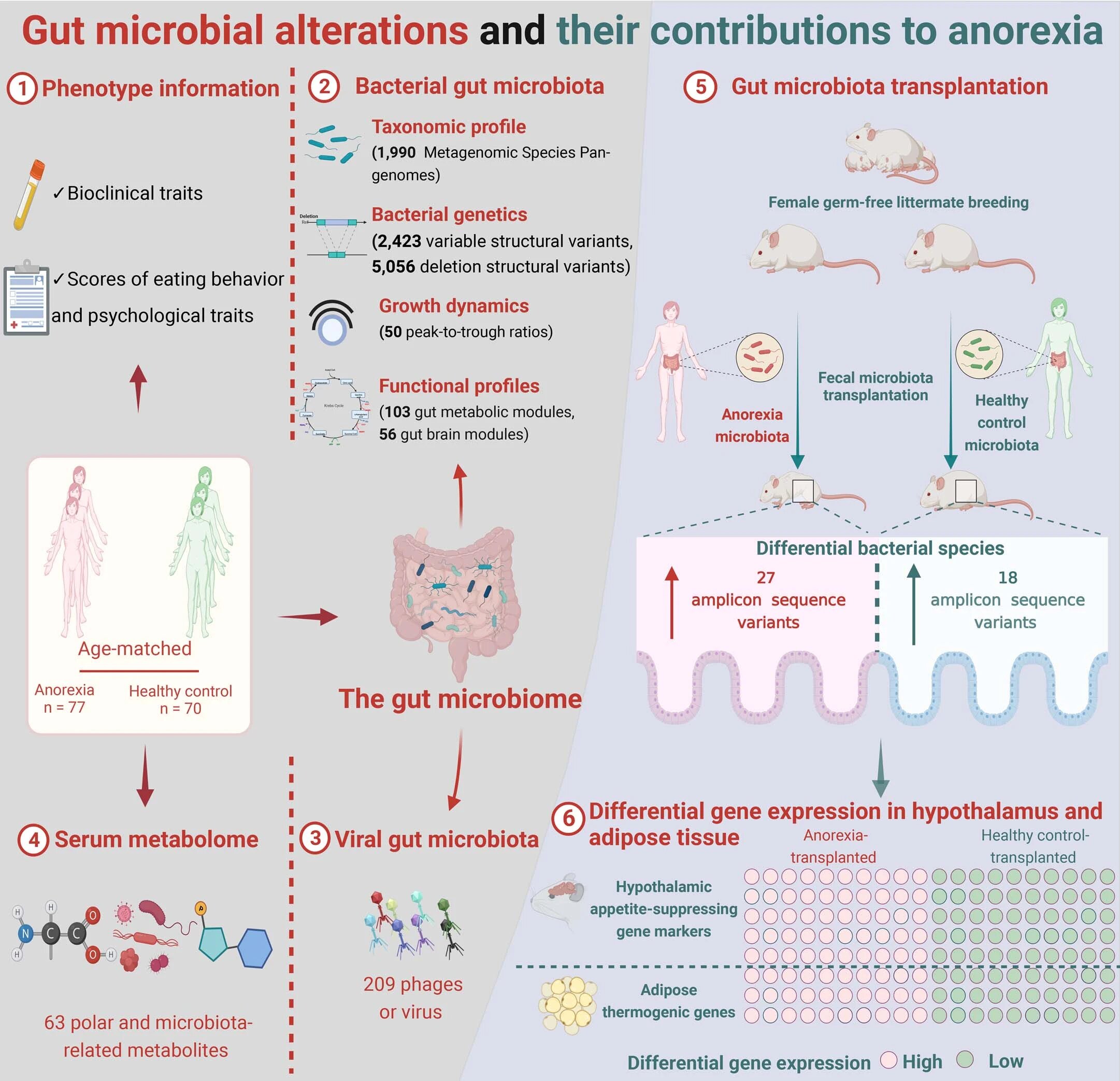
A study published in Nature Microbiology has identified the mechanistic interplay between restricted eating habits and how the gut microbiota's natural response negatively accentuates the pathology of anorexia nervosa (AN). The study found that altered serum metabolite compounds could indicate the compounds are operating via blood circulation, affecting brain regulation of appetite, emotions, and behavior. Additionally, fecal microbiota transplantation from AN cases to germ-free mice under energy-restricted feeding mirrored AN eating behaviors. The gut virome was also altered in the AN group, as researchers noted a reduction in viral–bacterial interactions.