Tag

Drug Targets

All articles tagged with #drug targets

health1 year ago

Cerebrospinal Fluid Yields New Insights and Targets for Alzheimer's Treatment

Researchers at Washington University have identified 38 proteins in cerebrospinal fluid linked to Alzheimer's disease, with 15 being potential drug targets. This study highlights the importance of human-derived samples in understanding neurodegeneration and offers new therapeutic avenues. The findings, published in Nature Genetics, demonstrate the power of proteomic analysis in mapping disease-related proteins and genetic pathways.

health2 years ago

"Discovery of 200+ Genes Linked to Depression Offers Hope for New Treatments"

A global study led by UCL researchers has identified over 200 genes linked to depression, with more than 50 new genetic loci and 205 novel genes associated with the condition. The research emphasizes the need for diverse genetic datasets to better understand and treat depression, highlighting potential drug targets and the importance of studying depression in diverse populations. The study also suggests the potential for drug repurposing, as one of the identified genes encodes a protein targeted by a common diabetes drug, and points to new targets for drug development to treat depression.

science-and-technology2 years ago

Unveiling a Revolutionary Approach to Drug Discovery through Proteomics and Genetics

The Pharma Proteomics Project, a collaboration between 13 pharmaceutical companies and the UK Biobank, has discovered numerous new leads for drug targets and diagnostic biomarkers by analyzing genetic data and blood proteins from 54,000 individuals. This research has the potential to uncover the causes of common conditions and has revealed thousands of previously unknown associations between common genetic variants and circulating proteins in the blood.

science-and-technology2 years ago

"Groundbreaking Footage: Nobel-winning 'Pressure Sensors' Capture Microscopic Pressure Changes"

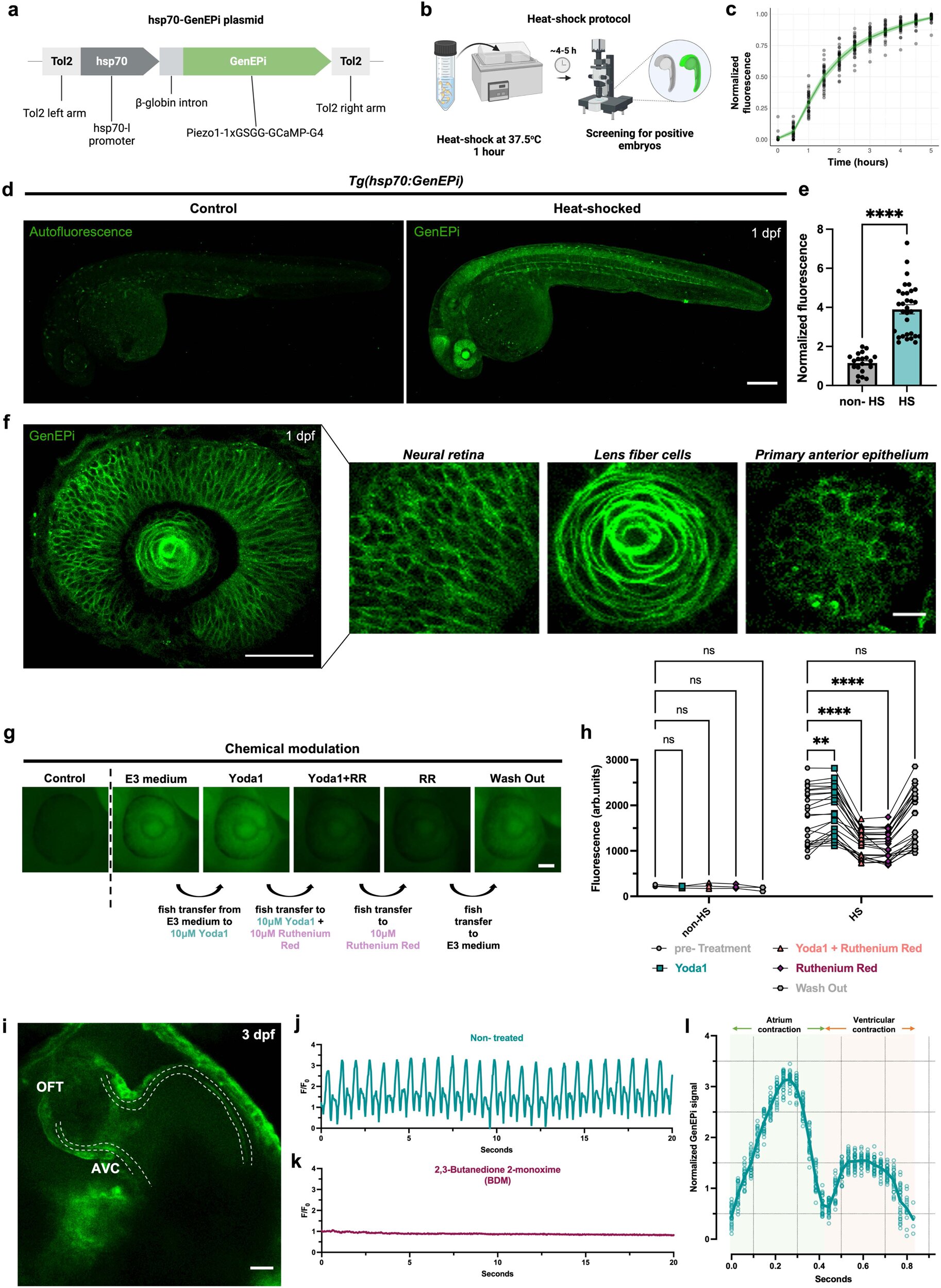
Researchers at Imperial College London have successfully filmed the activity of Piezo1 and Piezo2, bodily "pressure sensors" that won the 2021 Nobel Prize in Physiology or Medicine. These ion channels are found throughout the body and play a crucial role in regulating blood pressure, respiration, bladder control, and the immune system. By developing a specific biosensor called GenEPi, the researchers were able to visualize the activity of Piezo1 channels in various cells and organisms. This non-invasive method could lead to new drug targets for diseases such as cancer and provide insights into fundamental physiological processes.

science2 years ago

Decoding the Molecular Mechanism of Cell Death and Cancer Prevention.

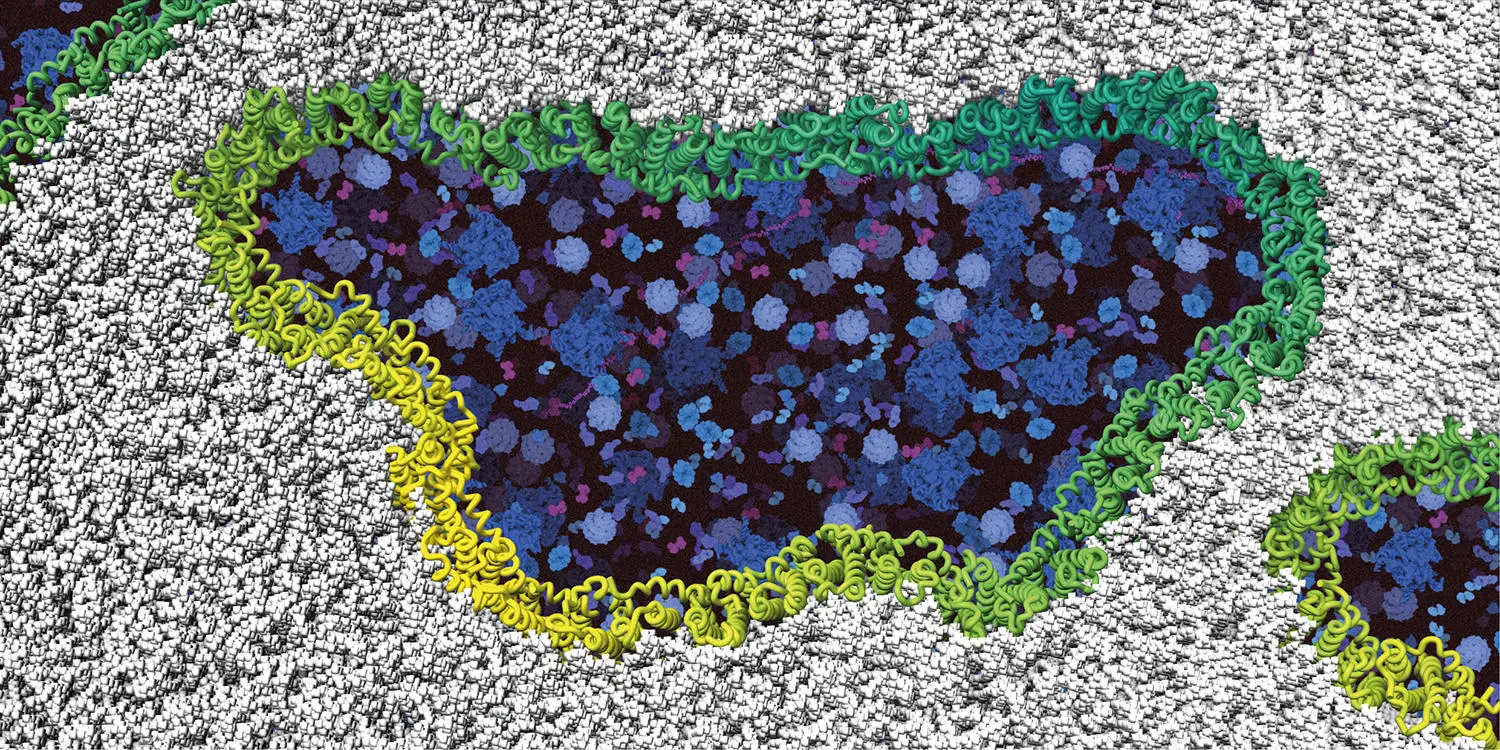
Scientists from the University of Basel have discovered that a protein called ninjurin-1 assembles into filaments that work like a zipper and open the cell membrane, leading to the disintegration of the cell. The new insights are an important milestone in the understanding of cell death and will facilitate the search for novel drug targets to treat cancer and neurodegenerative diseases such as Parkinson’s disease.

science-and-technology2 years ago

AI predicts gene modifications and treatment targets in network biology.

Researchers have developed an artificial intelligence (AI) system called Geneformer that can predict how gene networks control the function of cells and how disruptions in those networks cause disease. The system uses transfer learning to make predictions about how things might go wrong in disease and can be used to discover possible drug targets for disease. Geneformer was able to make accurate predictions even when only shown a very small number of examples of relevant data. The researchers used Geneformer to shed light on how heart cells go awry in heart disease, but the method can tackle many other cell types and diseases too.

health2 years ago

AI aids in understanding and treating Alzheimer's disease.

Researchers from the University of Arizona and other institutions are using artificial intelligence to map molecular changes in the brain caused by Alzheimer's disease and identify potential drug targets. The AI algorithm drew from information about genetic and molecular processes from tissue samples of over 2,000 brains impacted by the disease. The team was able to see maps of genes that work together across the human genome and follow the sequential changes in these genes' relationships as Alzheimer's develops. The AI flagged 19 neuron-specific genetic points on the Alzheimer's pathway that appear to push neurons closer toward a disease state, and 10 genes could be investigated as targets for drugs to treat Alzheimer's. The team virtually screened millions of compounds against more than 6,000 targets and zeroed in on around 3,000 drug candidates of interest. The team already has a National Institutes of Health grant enabling clinical trials on three of the compounds.

health2 years ago

The Link Between Alcohol and Chronic Pain: Exploring the Connection.

Scientists at Scripps Research have identified two distinct molecular mechanisms by which chronic alcohol consumption increases sensitivity to pain. Chronic alcohol consumption may make people more sensitive to pain through two different molecular mechanisms—one driven by alcohol intake and one by alcohol withdrawal. The research suggests potential new drug targets for treating alcohol-associated chronic pain and hypersensitivity.

health2 years ago

Alcohol's Role in Chronic Pain: New Study and Collaborative Trial

Chronic alcohol consumption can increase sensitivity to pain through two molecular mechanisms. Researchers also identified potential new drug targets for treating alcohol-related chronic pain. Over half of people with alcohol use disorder (AUD) suffer from persistent pain, including alcoholic neuropathy. The study found that alcohol withdrawal could result in neuropathy that was not reversed by re-exposure to alcohol.