
"Study Links Enlarged Brain Spaces to Increased Autism Risk and Infant Sleep Issues"
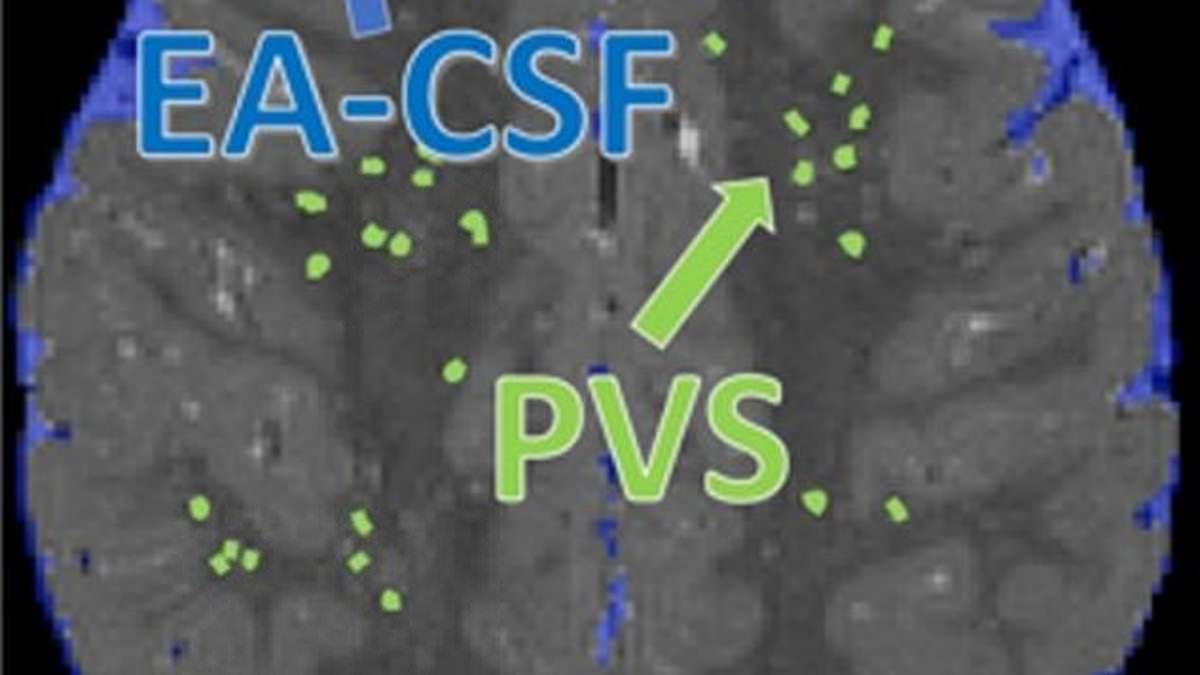
A study by the University of North Carolina's School of Medicine has found that infants with a family history of autism and enlarged perivascular spaces in their brains are 2.2 times more likely to be diagnosed with autism by age two. Enlarged perivascular spaces, which are channels that help regulate fluid movement in the brain, were also associated with sleep problems in later childhood. This discovery could serve as an early marker for autism, potentially leading to earlier diagnosis and intervention. The study highlights the importance of monitoring brain development in the early years of life, as these abnormalities can have long-term effects on various outcomes, including autism and sleep disturbances.
- Children with enlarged brains are at a higher risk of autism, study suggests Daily Mail
- Brain's 'Spaces' Hold Clues to Origins of Autism U.S. News & World Report
- Brain Space Abnormalities Tied to Autism Risk and Sleep Problems in Infants Neuroscience News
- Enlarged perivascular spaces in infancy associated with sleep problems and autism risk News-Medical.Net
Reading Insights
0
1
3 min
vs 4 min read
85%
750 → 111 words
Want the full story? Read the original article
Read on Daily Mail