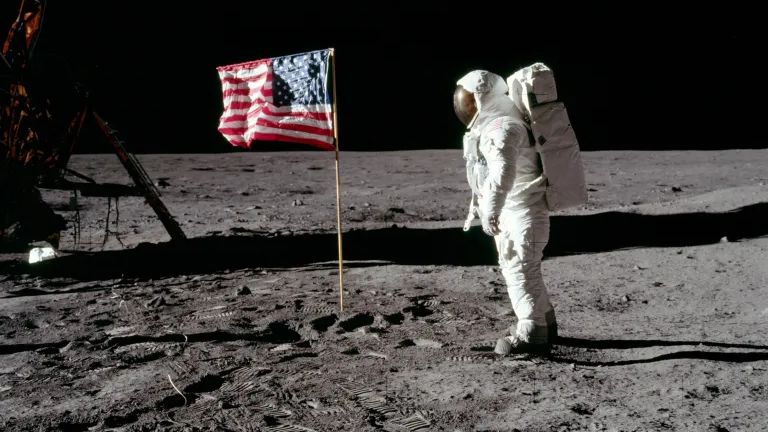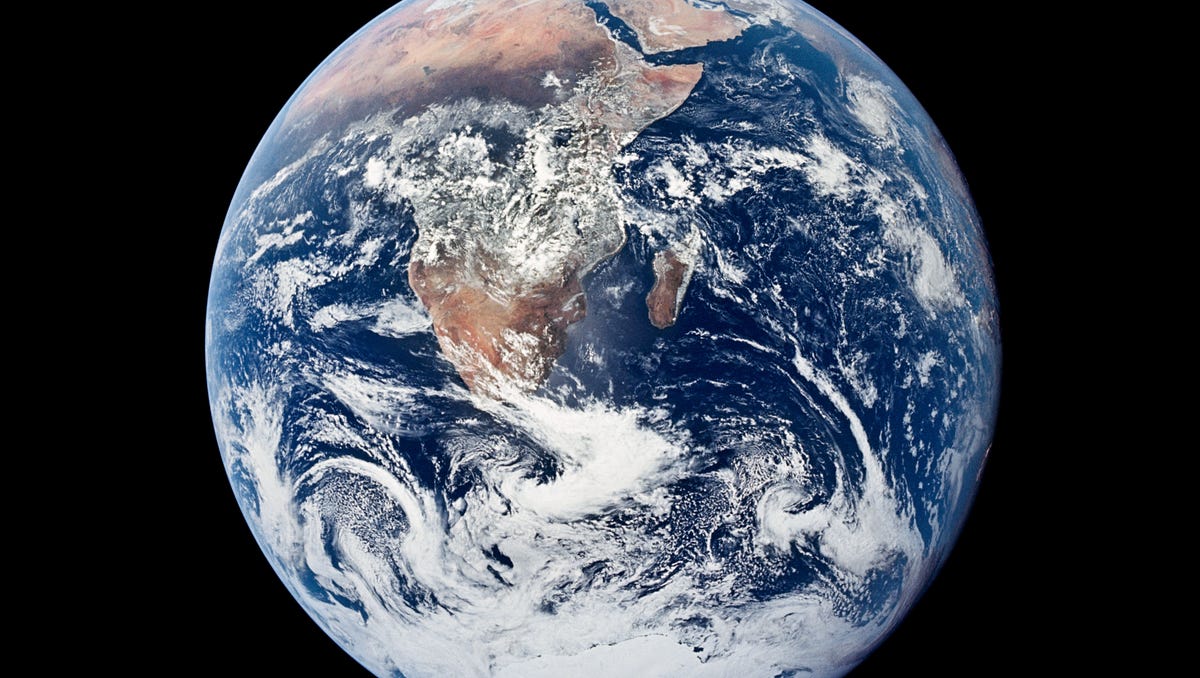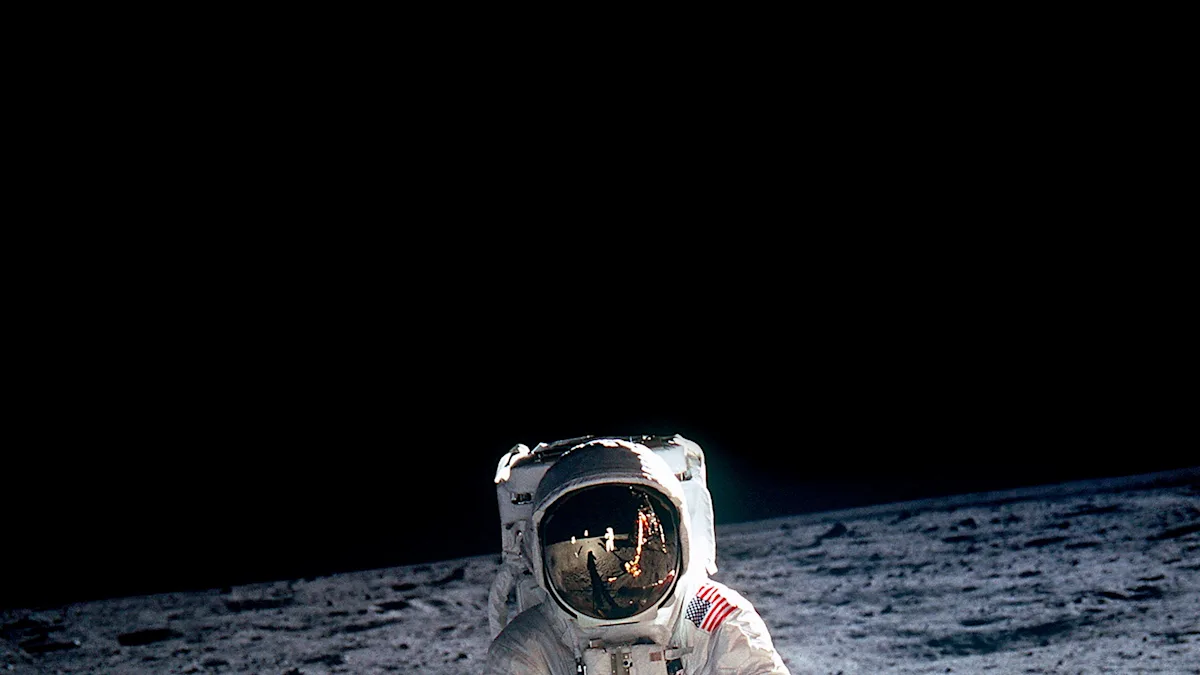
Researchers propose that we have entered a new geological epoch on the Moon, called the 'Lunar Anthropocene,' due to over 100 spacecraft visits and human activities since 1959, which are significantly altering its surface and environment. They emphasize the need for legal protections and detailed documentation of human impacts to preserve lunar sites and understand our influence on the satellite.
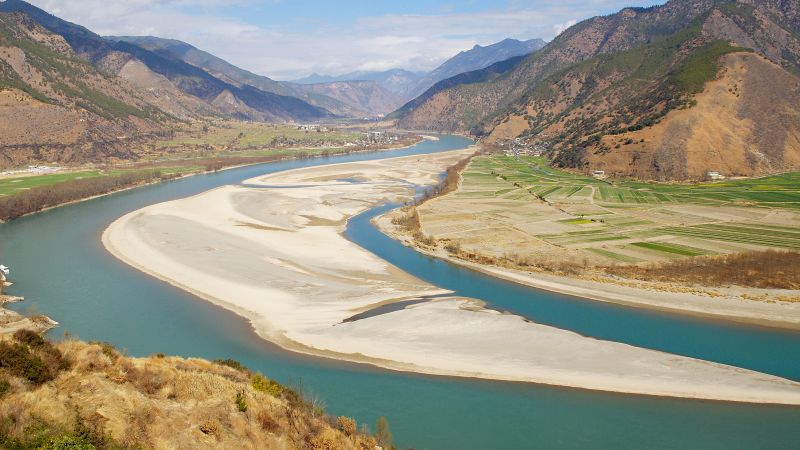
A new study has mapped the flow of water through the world's rivers over 35 years, revealing significant changes with major implications for water supply and flood risks. Nearly half of the largest downstream rivers have seen reduced flow, while 17% of smaller upstream rivers have increased flow, largely due to human activity and climate change. These changes affect freshwater availability, sediment transport, and flood risks, highlighting the need for better understanding and adaptation to these rapid shifts.
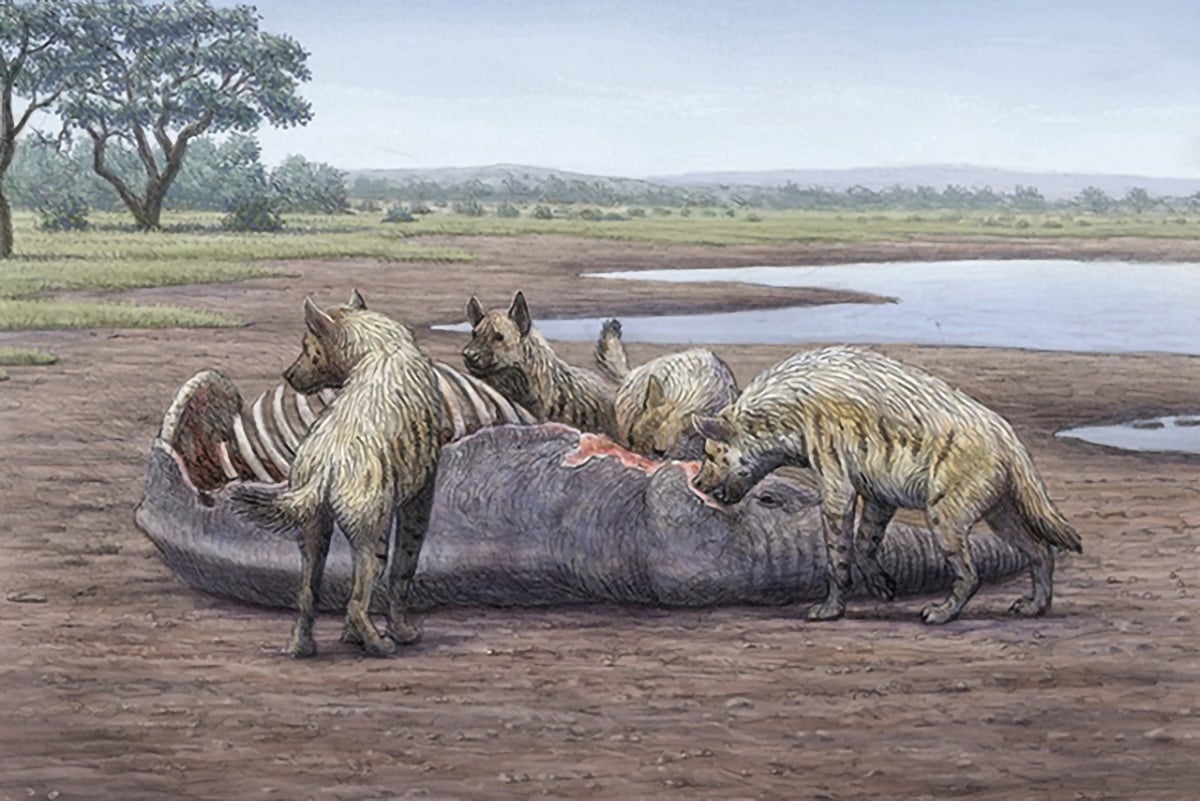
Researchers from the University of Malaga have discovered that the Orce archaeological site in Spain, dating back 1.4 million years, functioned as a natural quicksand trap for large mammals. This site, known for its abundance of extinct elephant remains, also contains some of the oldest evidence of human activity in Western Europe, including lithic tools and bones with anthropogenic marks. The findings provide significant insights into the survival strategies and competition between early humans and scavenging hyenas.
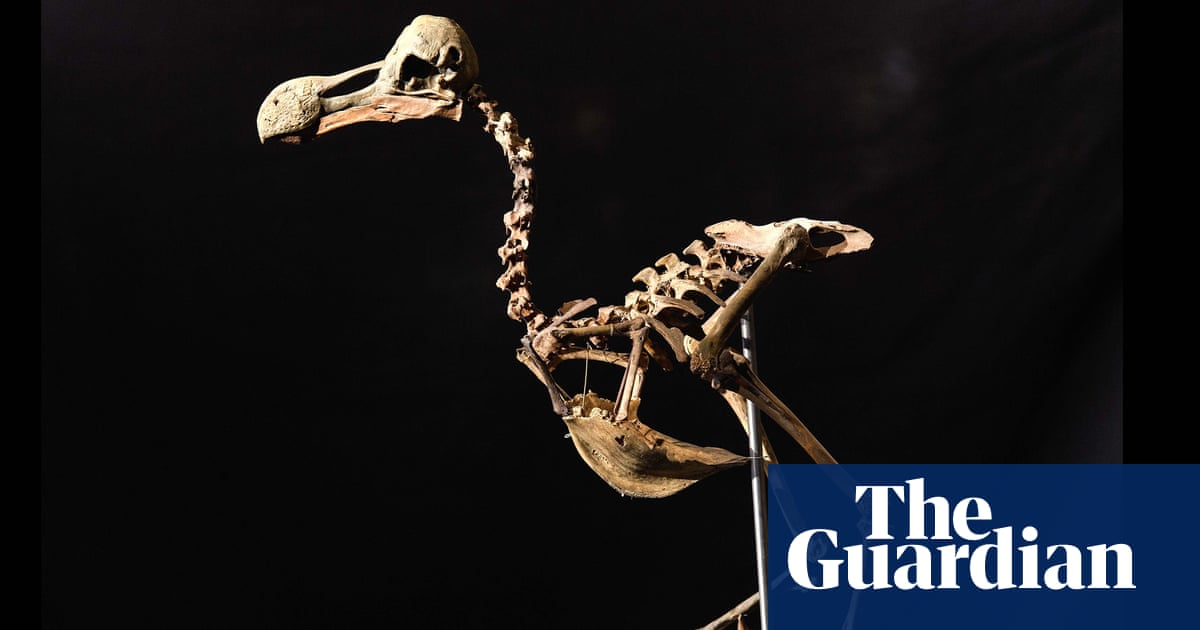
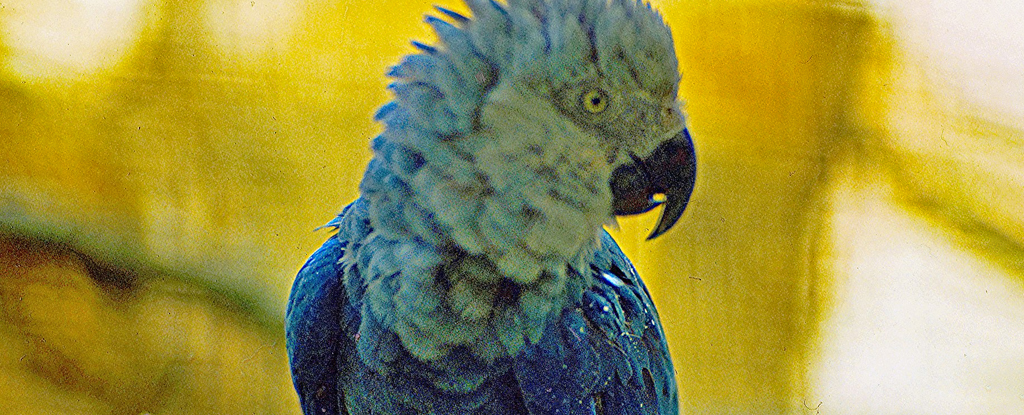
A new study published in Nature Communications reveals that human-driven extinction of bird species is twice as high as previously estimated. Approximately 12% of the world's bird species, or around 1,430 species, have gone extinct due to human activity since the Late Pleistocene period. This estimate includes "dark extinctions," where the events were not recorded. The study focused on island bird populations, which are particularly vulnerable to extinction. Deforestation, overhunting, fires, and invasive species are identified as key causes of bird species loss. The research highlights the significant loss of avian species richness, ecological diversity, and evolutionary history, emphasizing the urgent need for conservation efforts to protect bird habitats and prevent future extinctions.
A trio of academics argues that human activity has altered the moon's environment, marking the beginning of a new age called the "Lunar Anthropocene." They propose that the Lunar Anthropocene began in 1959 when the Soviet Luna 2 probe crash-landed on the lunar surface. Since then, humans have left various artifacts on the moon, including landers, flags, scientific experiments, and even human waste. The authors believe that recognizing the Lunar Anthropocene is crucial for preserving these artifacts and raising awareness about our impact on the moon's surface. They suggest that space exploration on the moon should be protected as cultural heritage.
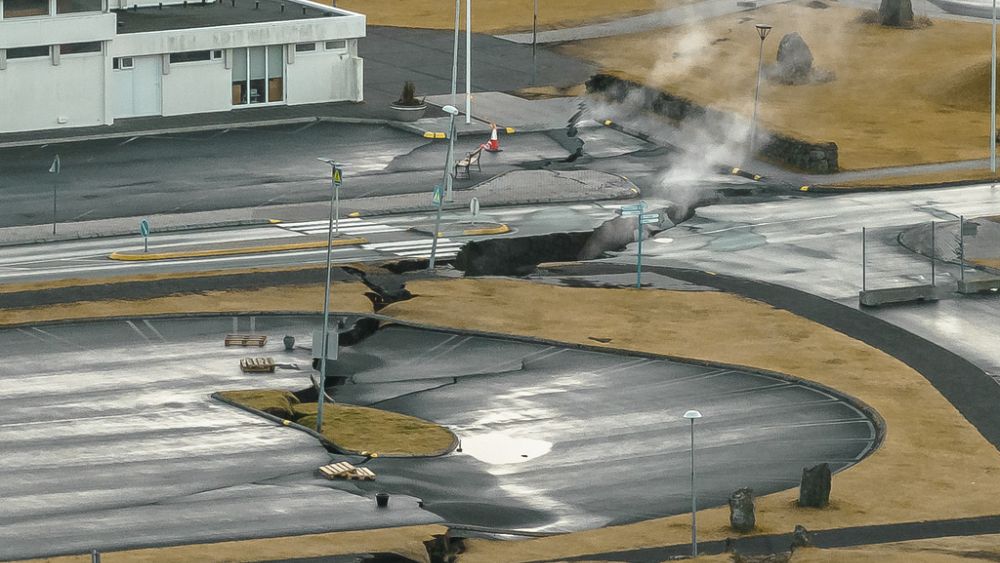
Social media users are spreading false claims that the impending volcanic eruption in Iceland will emit more carbon dioxide (CO2) than all human activity in the past decade. However, scientific studies have shown that human activity emits 40 to 100 times more CO2 each year than all volcanoes combined. While volcanic eruptions can temporarily affect the climate, their long-term impact is not as significant as man-made emissions. Volcanoes release less than one percent of the carbon dioxide currently emitted by human activities, according to the United States Geological Survey.
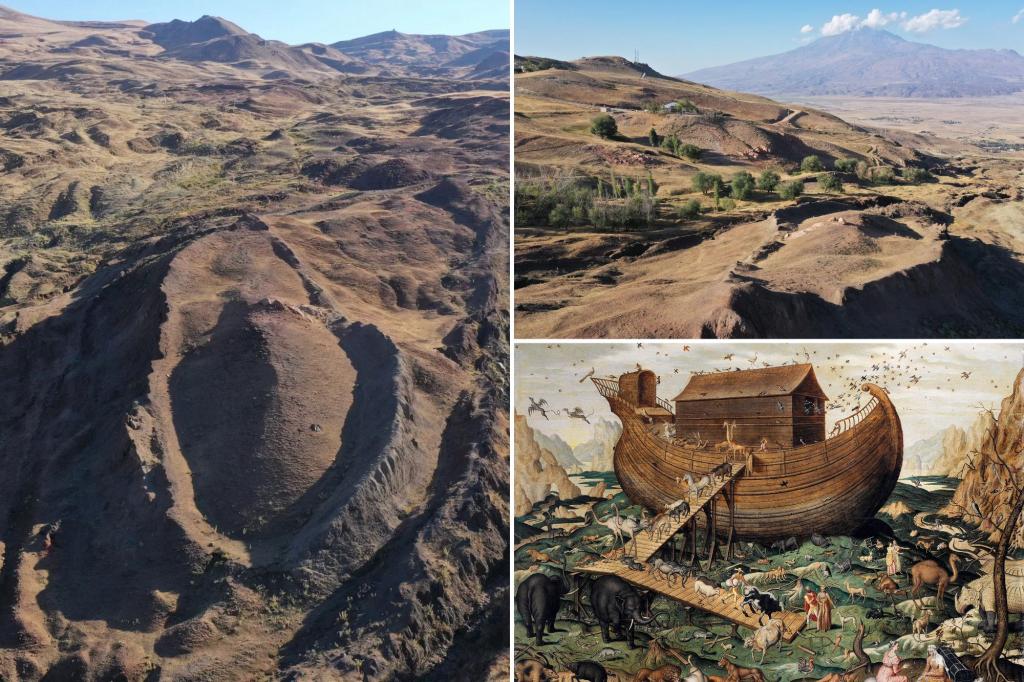
Scientists studying the site believed to be the "ruins of Noah's Ark" in Turkey have found evidence of human activity dating back to the biblical era. Rock and soil samples collected from the site revealed the presence of clayey materials, marine materials, and seafood between 5500 and 3000 BC. The findings support the theory that there were human activities in the region during the Chalcolithic period, around the time when the catastrophic flood is believed to have occurred. The site, known as the Durupinar formation, is located near the Iran-Turkey border and is believed by some to be the petrified remains of Noah's Ark. The authenticity of the biblical stories surrounding Noah and the ark has yet to be determined by scientists.
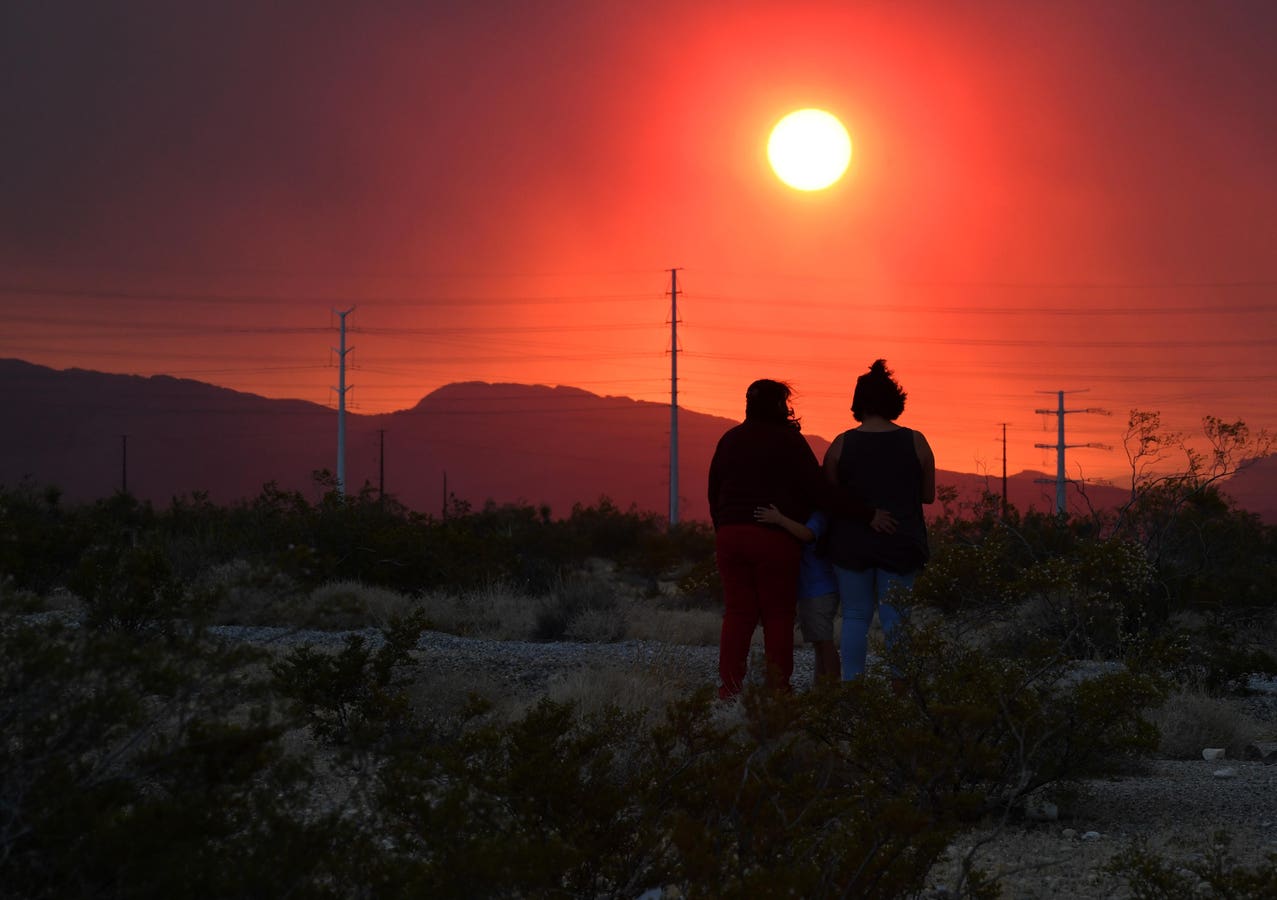
A group of 12 scientists from around the world has issued a stark warning that human activity is pushing the Earth into a climate crisis, with potentially devastating consequences for up to 6 billion people this century. The researchers highlight record climate anomalies in 2023, including extreme weather events and low levels of sea ice, as signs that human activity is destabilizing the planet. They warn that as many as 6 billion people could find themselves in regions that are no longer habitable due to climate impacts such as extreme heat and food shortages. The report calls for urgent action to address the root causes of climate change and prioritize human well-being over economic growth.
The U.S. Fish and Wildlife Service has declared 21 endangered species as extinct, including the Little Mariana fruit bat and 10 birds, two fish, and eight mussels. The agency emphasized the importance of conserving imperiled species before it's too late and highlighted how human activity contributes to habitat loss, overuse, and the introduction of invasive species and diseases. The Endangered Species Act, which is celebrating its 50th anniversary this year, aims to protect nearly extinct species through early intervention. The decision comes as a reminder of the urgent need for conservation efforts to prevent further species decline and extinction.
Scientists warn that human activity has caused the transgression of six out of nine crucial planetary boundaries, leading to dangerous and irreversible changes to the planet. The planetary boundary framework, established in 2009, helps identify a "safe operating space" for life on Earth. Sustaining life on the planet may become increasingly difficult as these boundaries are breached.
New York City is sinking at an average rate of 0.06 inches per year, according to a study by NASA's Jet Propulsion Laboratory. While some sinking is due to natural glacial isostatic adjustment, human activity, such as landfills and groundwater pumping, is also contributing to the sinking. The study also identified areas of uplift, where the land is rising. Further research will continue to investigate surface displacement globally, providing valuable data for planning in the face of sea level rise.
Human activity is causing a mass extinction event, comparable to the comet that wiped out the dinosaurs, by driving entire branches of the tree of life to extinction. Ecologists warn that this irreversible threat is changing the trajectory of evolution globally and destroying the conditions necessary for human life. The rate of extinction is 35 times higher than previous levels, and if current trends continue, all current endangered genera could be extinct by 2100. This loss of biodiversity has severe cascading consequences for ecosystems and human society. Urgent political, economic, and social efforts are needed to prevent further extinctions and their societal impacts.
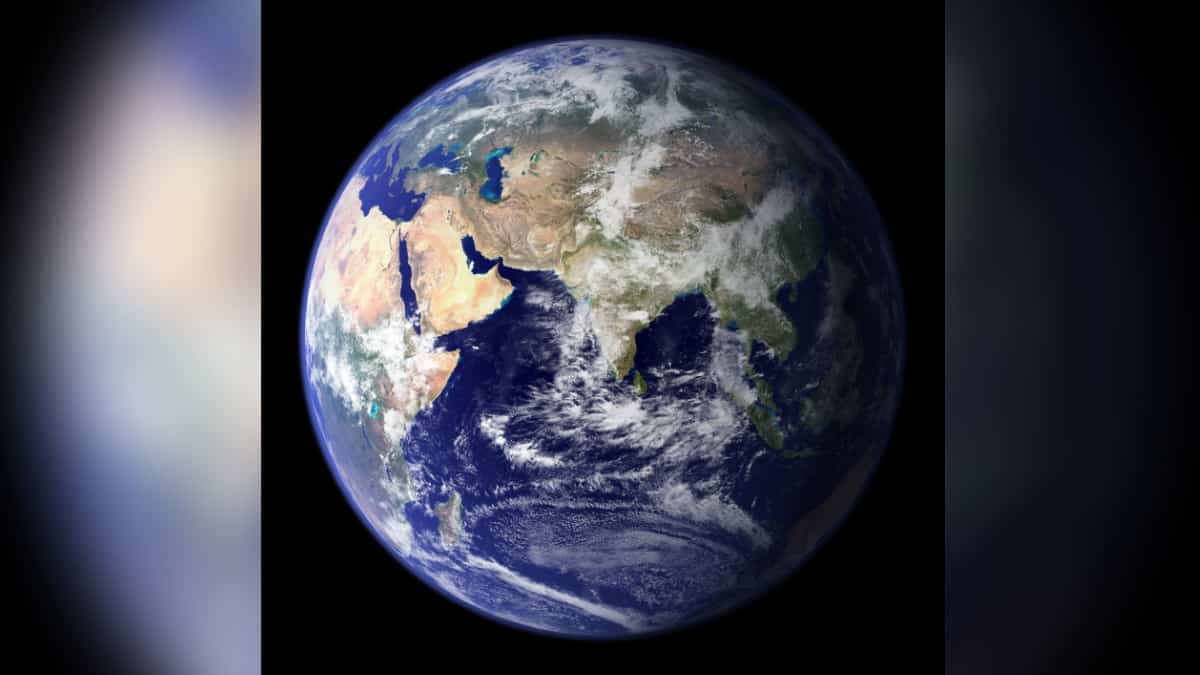
A new study published in Science Advances warns that Earth is increasingly becoming uninhabitable for humans as six out of nine planetary boundaries have been breached due to human-caused pollution and destruction of the natural world. These boundaries, which include biosphere integrity, climate change, freshwater changes, land system change, the introduction of novel entities, and biogeochemical flows, determine the fate of the planet. The study indicates that Earth is now well outside the safe operating space for humanity, with failing resilience making it difficult to reach climate goals and bringing the world closer to tipping points.
A new study warns that human activity has crossed six out of nine planetary "boundaries" crucial for maintaining Earth's stability and livability. These boundaries include biosphere integrity, climate change, freshwater changes, ocean acidification, stratospheric ozone depletion, atmospheric aerosol loading, land system change, introduction of novel entities, and biogeochemical flows. The study emphasizes the need to reduce pressure on these boundaries to prevent irreversible changes and harm to the planet. The researchers stress that focusing solely on climate change is not enough; the biodiversity crisis must also be addressed to ensure a sustainable future.
A new study reveals that a significant portion of Earth's oceans, particularly in the tropics, has changed color over the past two decades, with a shift towards a greener hue. The change is suspected to be caused by human activity and is consistent with man-induced climate change. The shift in color could impact marine food webs, although the broader impact on humans is not specified. Scientists are uncertain about the exact cause of the trend and hope for further research to determine the factors behind the color change.