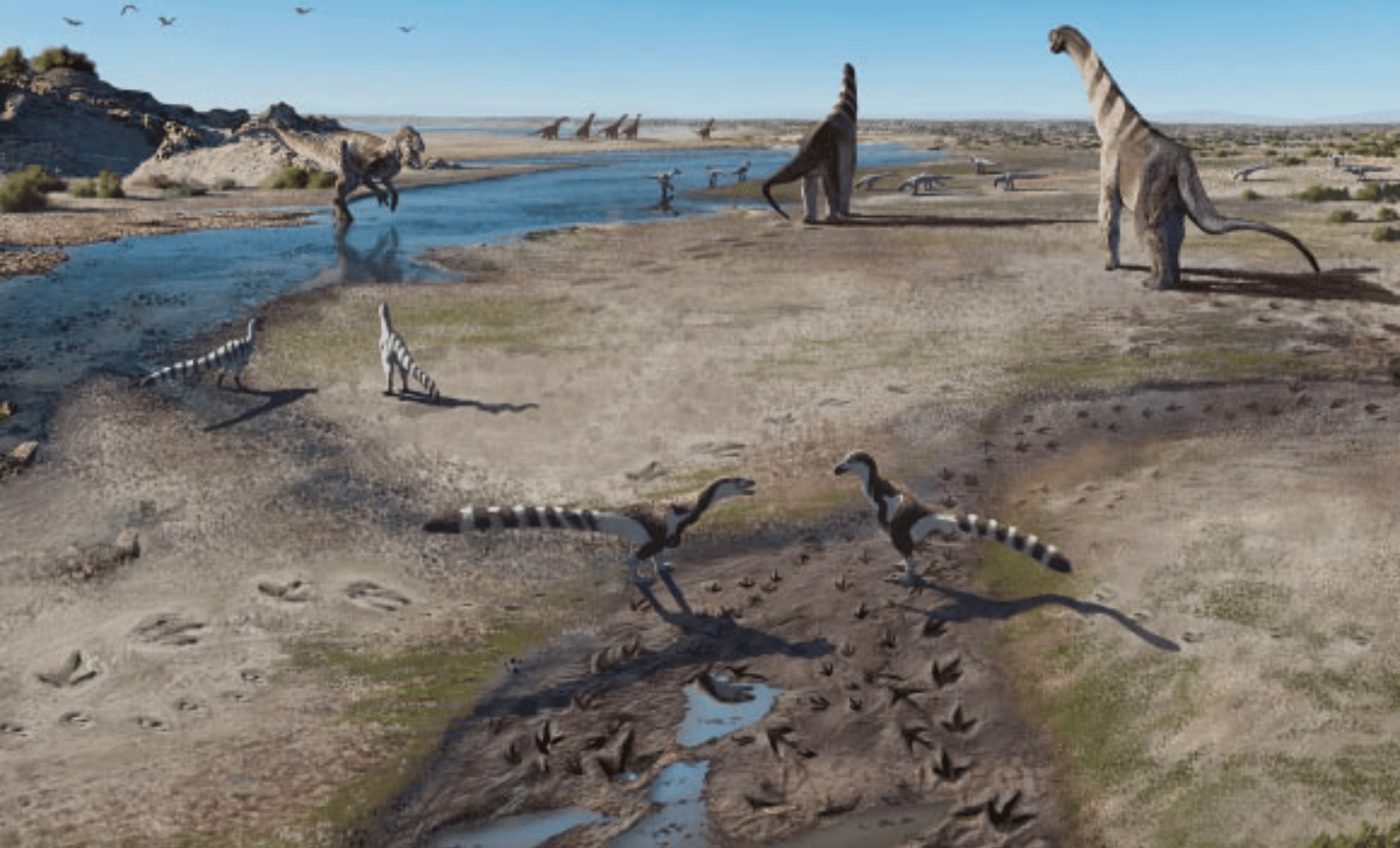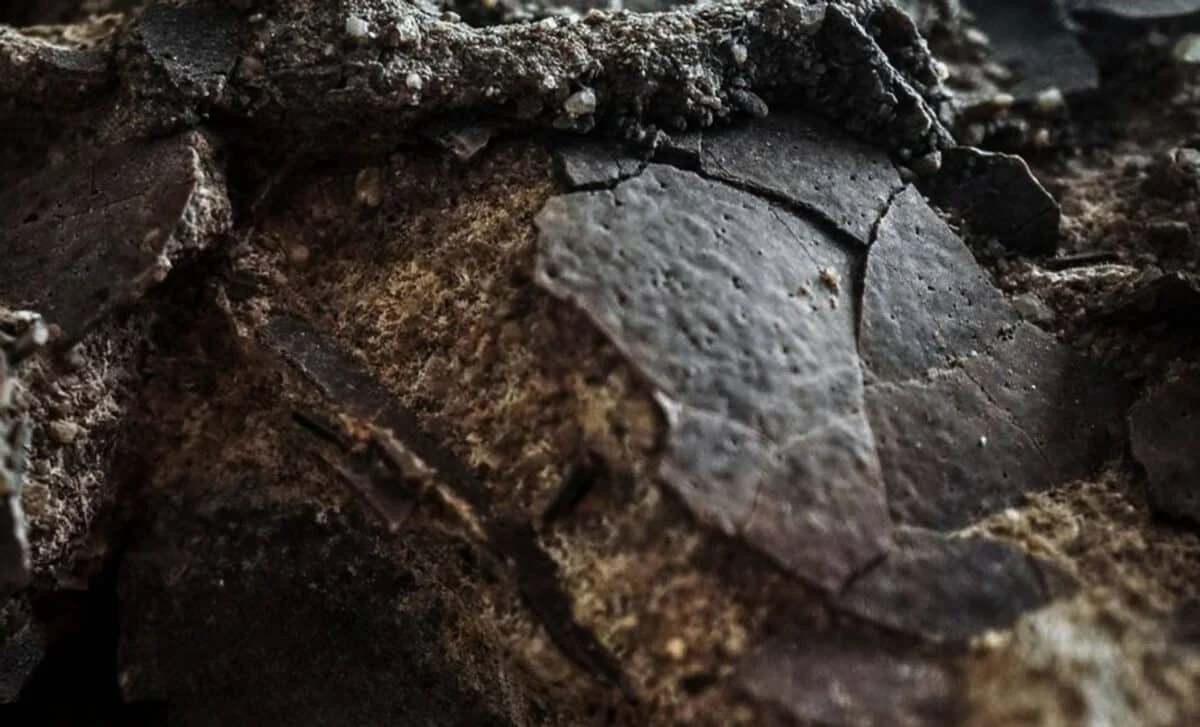
Scientists discovered 160-million-year-old dinosaur footprints in Chile's Atacama Desert, including the smallest known theropod tracks, offering insights into a once wetter Jurassic landscape with ephemeral wetlands that supported diverse dinosaur species.
Scientists analyzed the enamel of dinosaur teeth to reconstruct past CO2 levels and climate conditions during the Jurassic and Cretaceous periods, revealing high CO2 concentrations, increased plant productivity, and volcanic CO2 spikes, providing new insights into Earth's ancient climate and its influence on ecosystems.
Ancient volcanic activity 183 million years ago caused widespread ocean anoxia, a process that is now being mirrored by modern human-induced CO2 emissions, which are reducing ocean oxygen levels and threatening marine life. Scientists use geochemical methods to study past events, highlighting the long-lasting impact of deoxygenation and emphasizing the urgent need to reduce emissions to prevent similar catastrophic outcomes today.
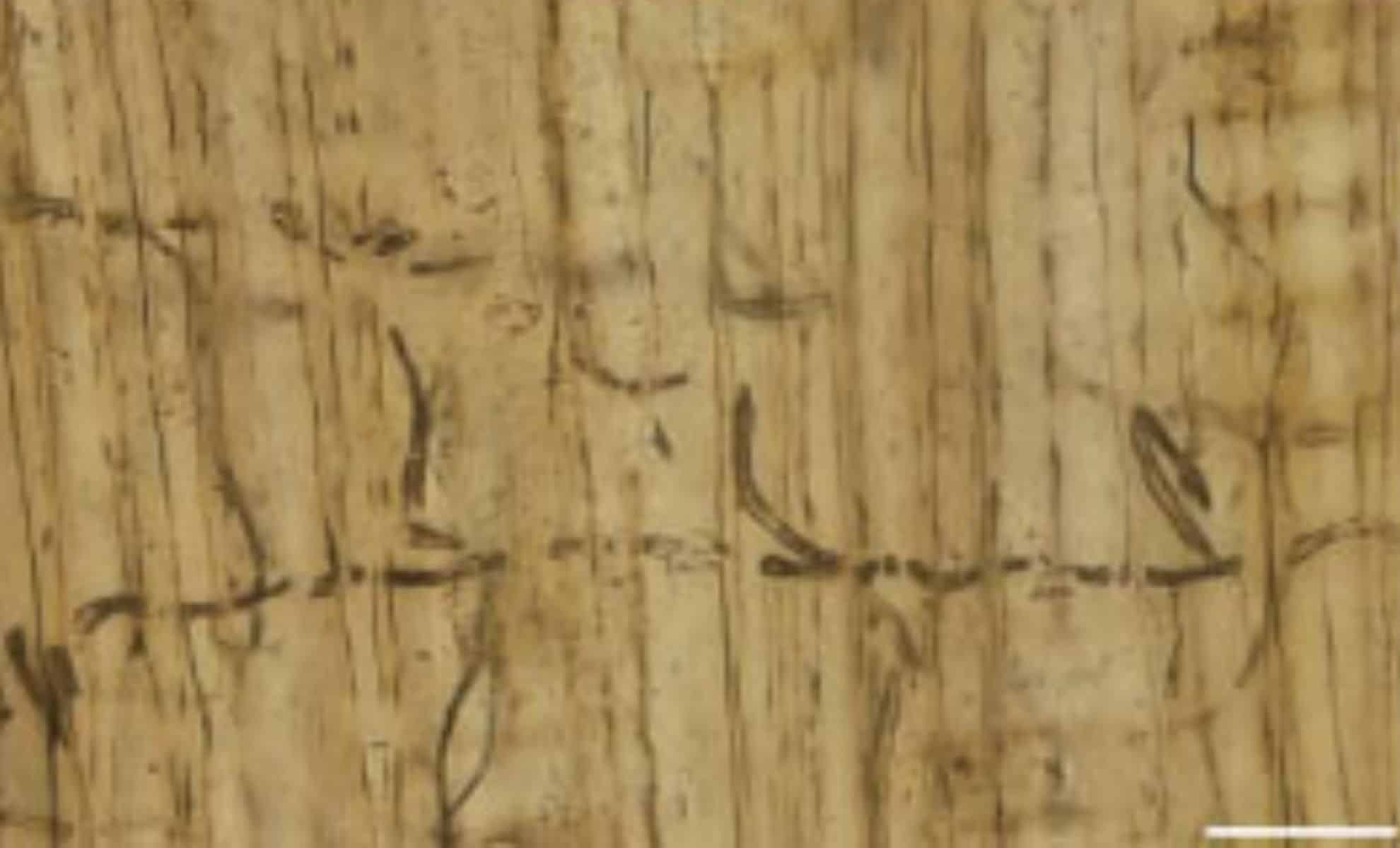
Researchers in China discovered 160-million-year-old blue-stain fungi fossils from the Jurassic period, significantly extending the known history of these fungi by 80 million years and providing new insights into their evolution and ecological relationships with plants and insects.
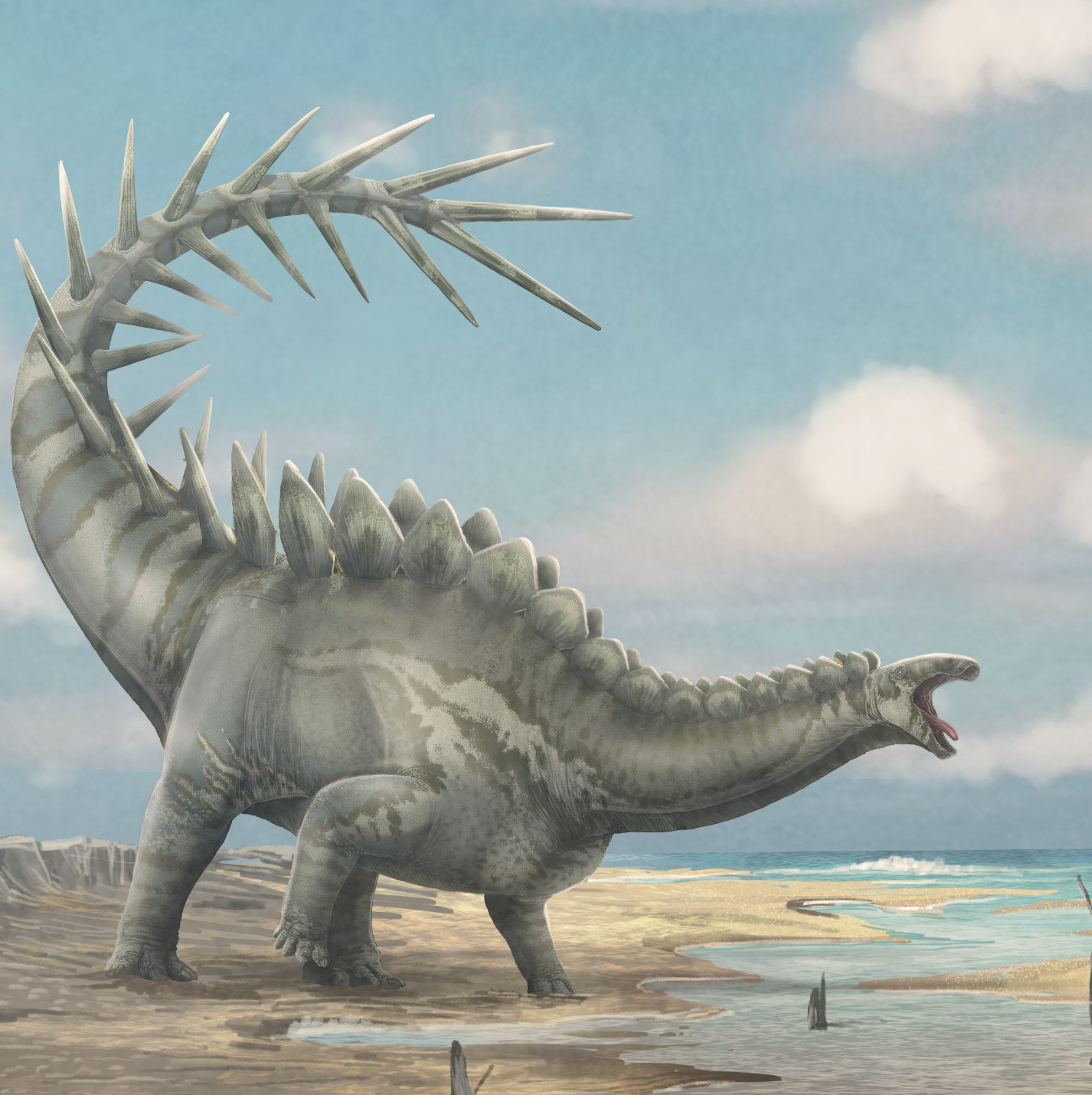
A rare 150-million-year-old stegosaur skull found in Spain has led to the identification of a new dinosaur group called Neostegosauria, reshaping our understanding of stegosaur evolution and their geographic distribution during the Jurassic period.
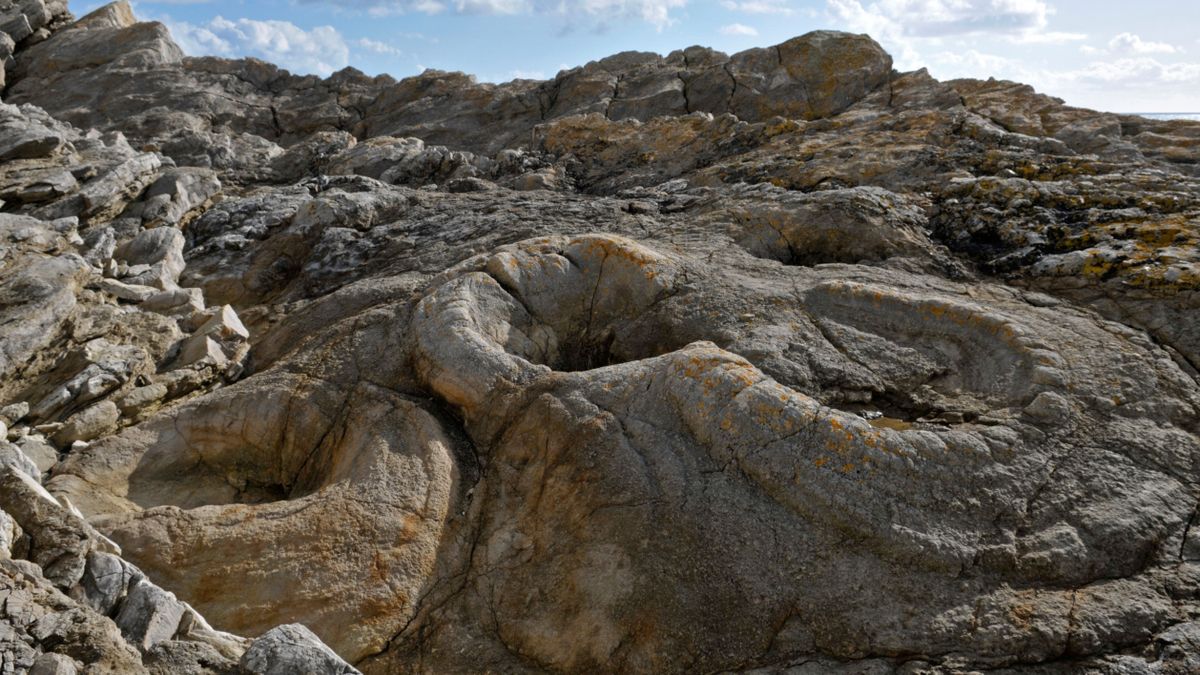
The Fossil Forest in Dorset, England, is a 145 million-year-old site featuring fossilized tree stumps preserved by ancient microbes. Located on the Jurassic Coast, this area showcases unique fossils formed by algae-like microbes that encrusted the trees with calcium carbonate, creating limestone structures known as thrombolites. The forest, which existed during the Jurassic-Cretaceous boundary, was eventually submerged by rising sea levels, preserving the tree roots and trunks. The site provides insights into the environment where late Jurassic dinosaurs lived.
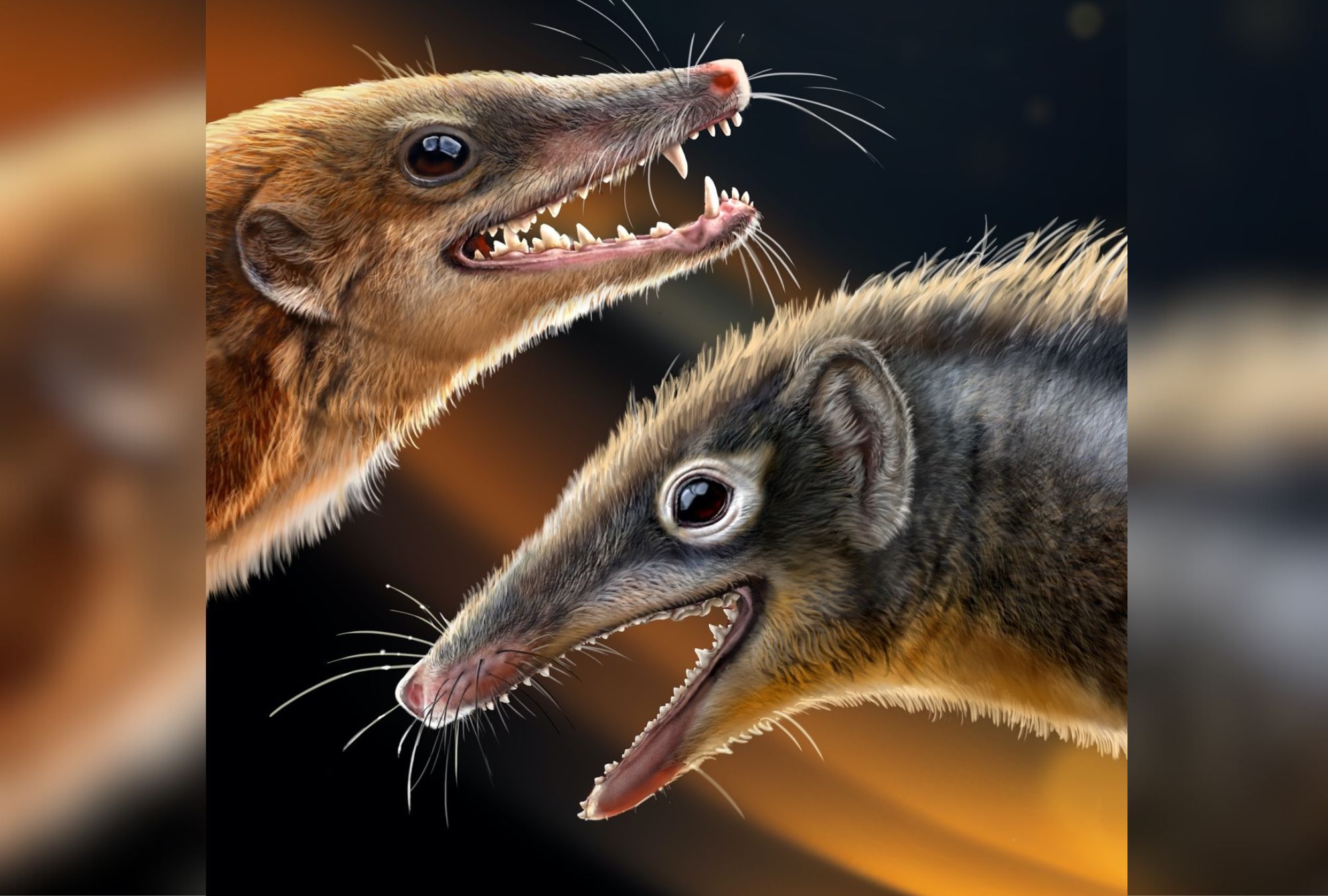
Two new species of early mammals from the Jurassic period, Feredocodon chowi and Dianoconodon youngi, have been discovered in Mongolia and China, shedding light on the evolution of mammalian middle ear from the jaw joint. These fossils provide insight into the transitional stages of mammalian evolution, showing incremental modifications that led to the advanced hearing systems found in modern animals. The discovery also challenges previous theories about the evolutionary history of mammaliaforms and provides vital insights into the phylogenetic relationships and evolutionary trajectories of shuotheriids, indicating unique ecomorphological adaptations within early mammaliaforms.
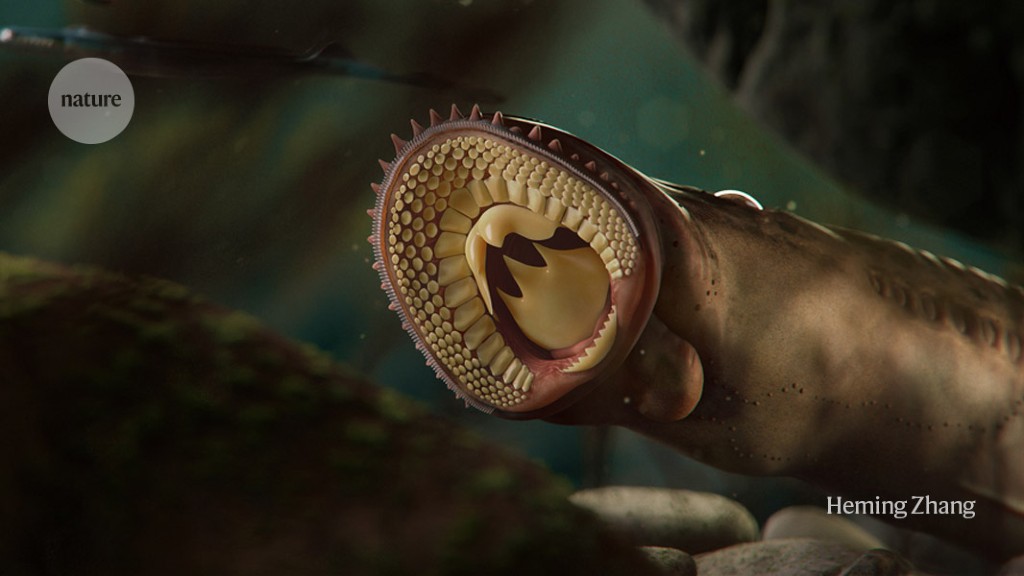
Fossil lampreys from the Jurassic period, discovered in northern China, provide insight into the evolutionary history of these ancient fish. The fossils reveal that these lampreys were fearsome predators, with a strong biting mechanism and a diet that involved consuming the flesh of their prey. The discovery suggests that lampreys had already evolved their current life cycle, which includes a phase of metamorphosis, during this time. The fossils also indicate a greater diversity in ancient lampreys than previously thought, shedding light on their gradual evolution over time.
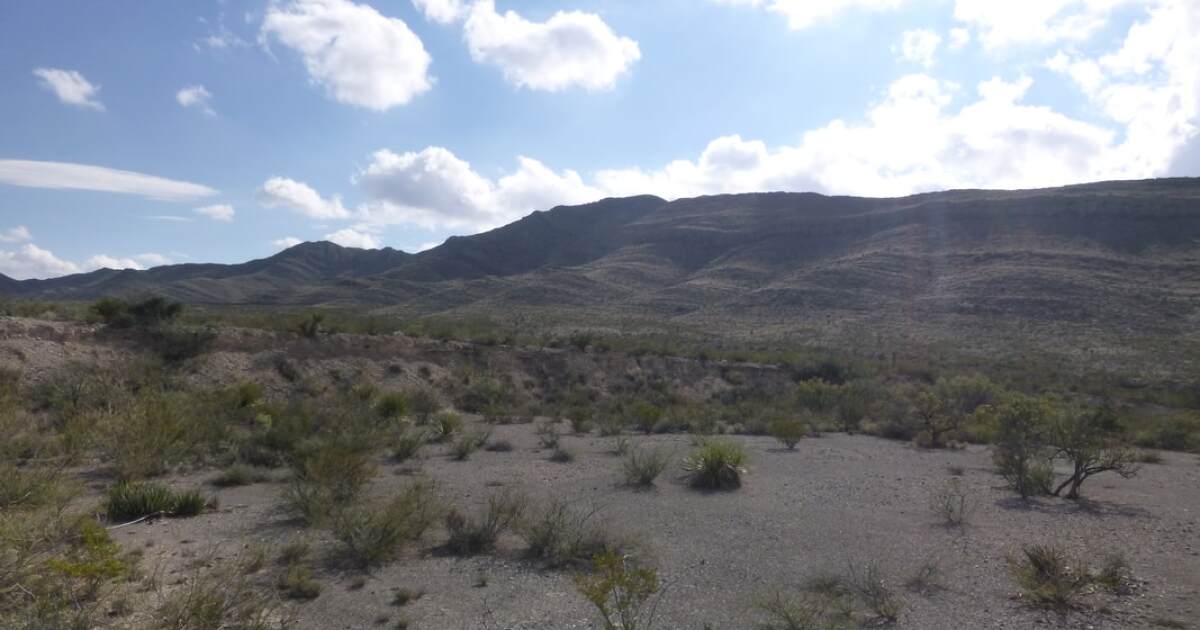
Scientists at UT Austin have discovered fossilized remains of an extinct marine reptile, possibly a plesiosaur, in the Malone Mountains of West Texas, providing solid evidence of Jurassic vertebrates in the state. Previously, only ammonites and snails from the Jurassic period had been found in Texas. The discovery fills a gap in Texas' paleontological history and researchers hope to find more fossils to better understand the environment during the Jurassic period.
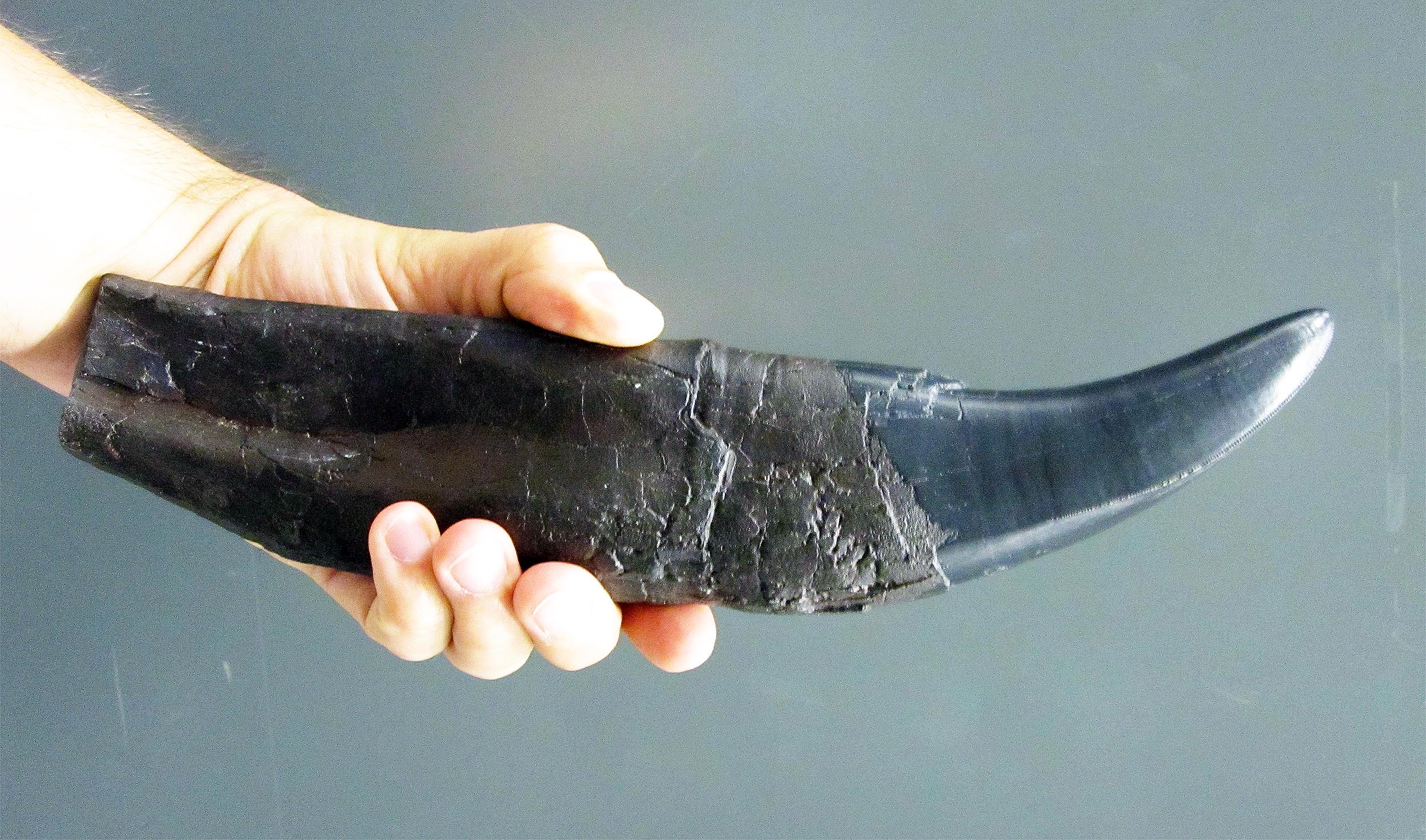
Researchers have discovered a gigantic marine reptile called a pliosaur that swam the seas 152 million years ago, which was about twice the size of a killer whale. The findings suggest that the pliosaur was between 9.8 and 14.4 meters long. Pliosaurs were a group of large carnivorous marine reptiles characterized by massive heads, short necks, and streamlined tear-shaped bodies. The discovery was made after the chance discovery of large fossil specimens in a museum drawer.
Fossilized remains of a pliosaur, an unknown species of Jurassic predator, have been discovered in an English museum. The four bones are vertebrae and show that the creatures could grow almost 50 feet long, twice the size of an orca. Pliosaurs were the ocean’s biggest predators during the Jurassic period and likely preyed on ichthyosaurs, long-necked plesiosaurs, and smaller marine crocodiles. The finding drastically revises previous estimates for the scale of the prehistoric monsters.
Fossilized remains of a "truly gigantic" pliosaur, an ancient sea monster, have been discovered in an English museum. The four bones are vertebrae from an unknown species of Jurassic predator and show that the creatures could grow almost 50 feet long, twice the size of an orca. The new finding drastically revises previous estimates for the scale of the prehistoric monsters. Pliosaurs were the ocean’s biggest predators during the Jurassic period and were likely ambush predators, leaping out at prey from deep and dark water and impaling them with dagger-sharp teeth, before crushing them with a bite more powerful than a Tyrannosaurus rex's.