Tag

Anglo Saxon

All articles tagged with #anglo saxon

archaeology1 year ago

Ancient Anglo-Saxon Burial Reveals Roman Goblet Mystery

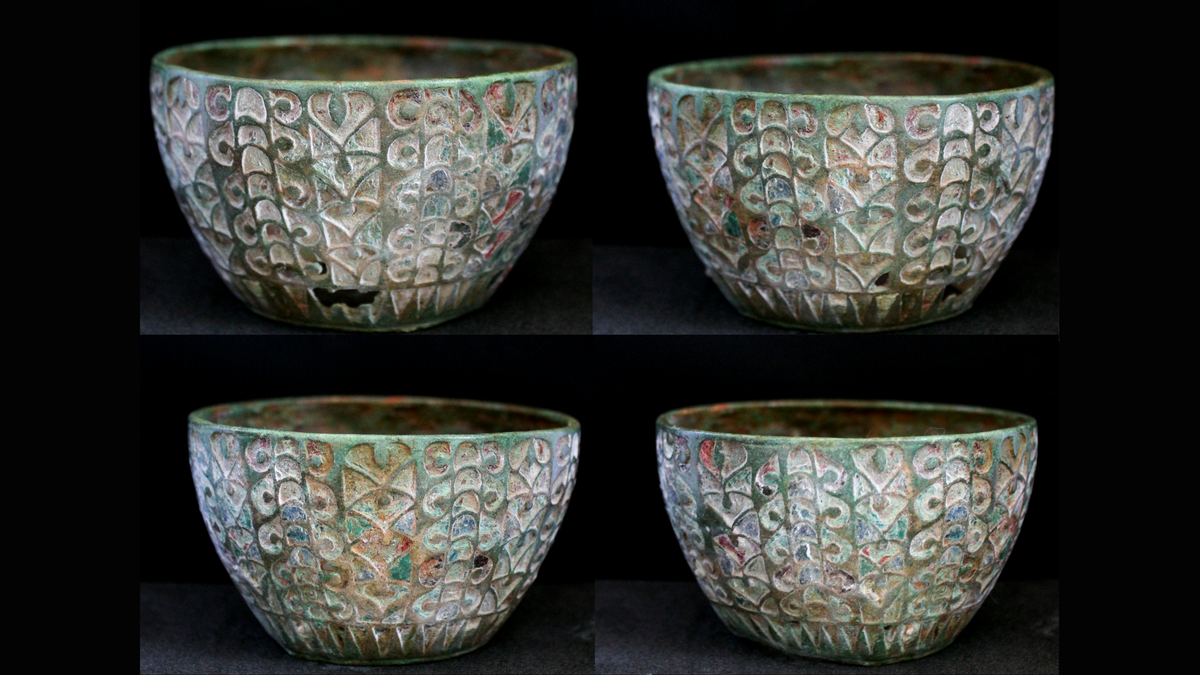
Archaeologists have discovered a 1,800-year-old Roman goblet, known as the Scremby Cup, in the grave of a 1,500-year-old Anglo-Saxon girl in Lincolnshire, England. The goblet, adorned with multicolored enamel, was found to contain residues of pig fat, suggesting it may have had a unique purpose, possibly related to folk medicine. The cup's origin and its presence in the grave remain a mystery, with researchers speculating it could have been an heirloom or scavenged from a Roman site.

archaeology1 year ago

Ancient Anglo-Saxon Cemetery with 24 Skeletons Found in English Hotel Garden

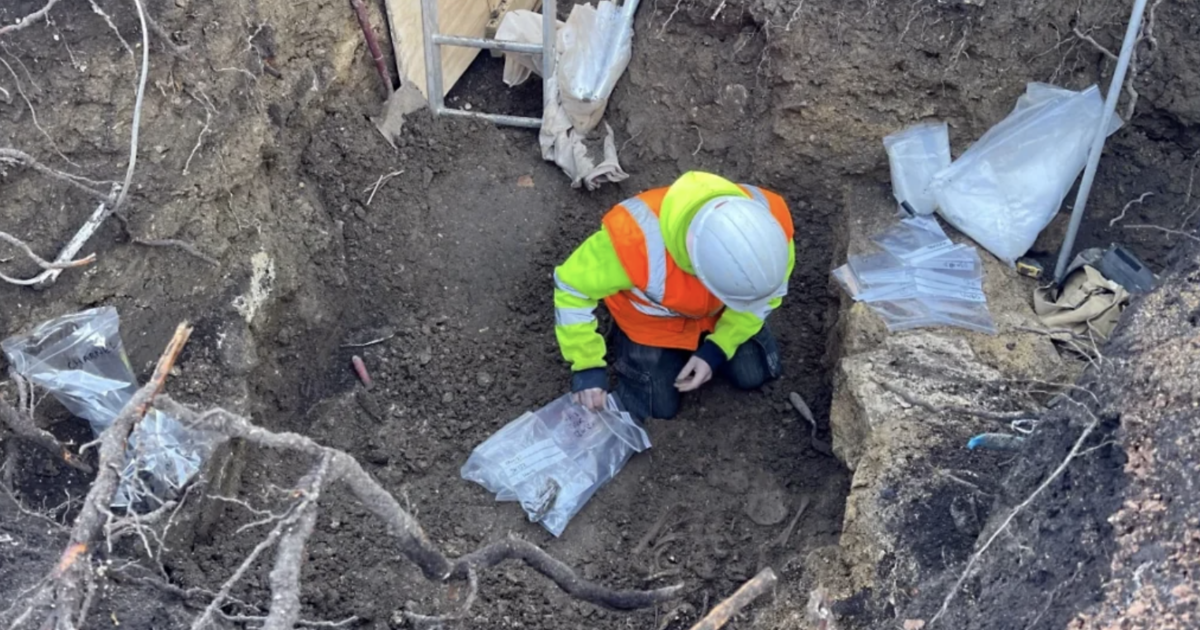
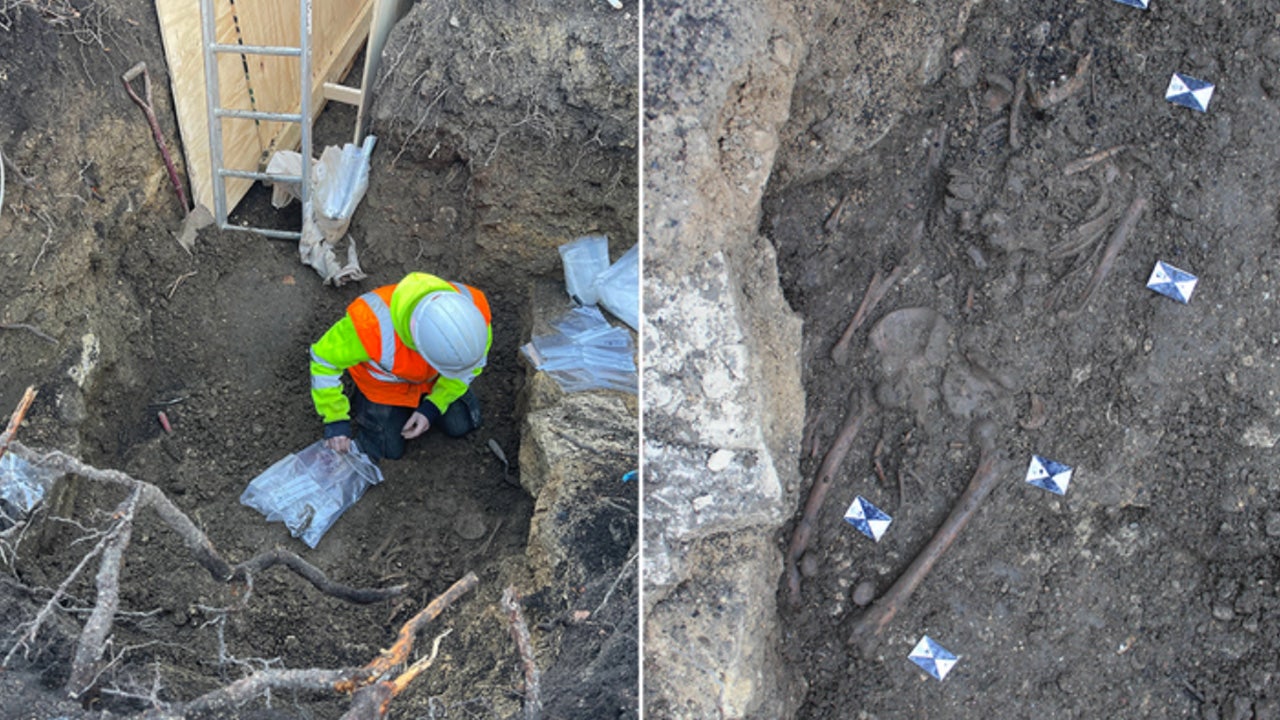
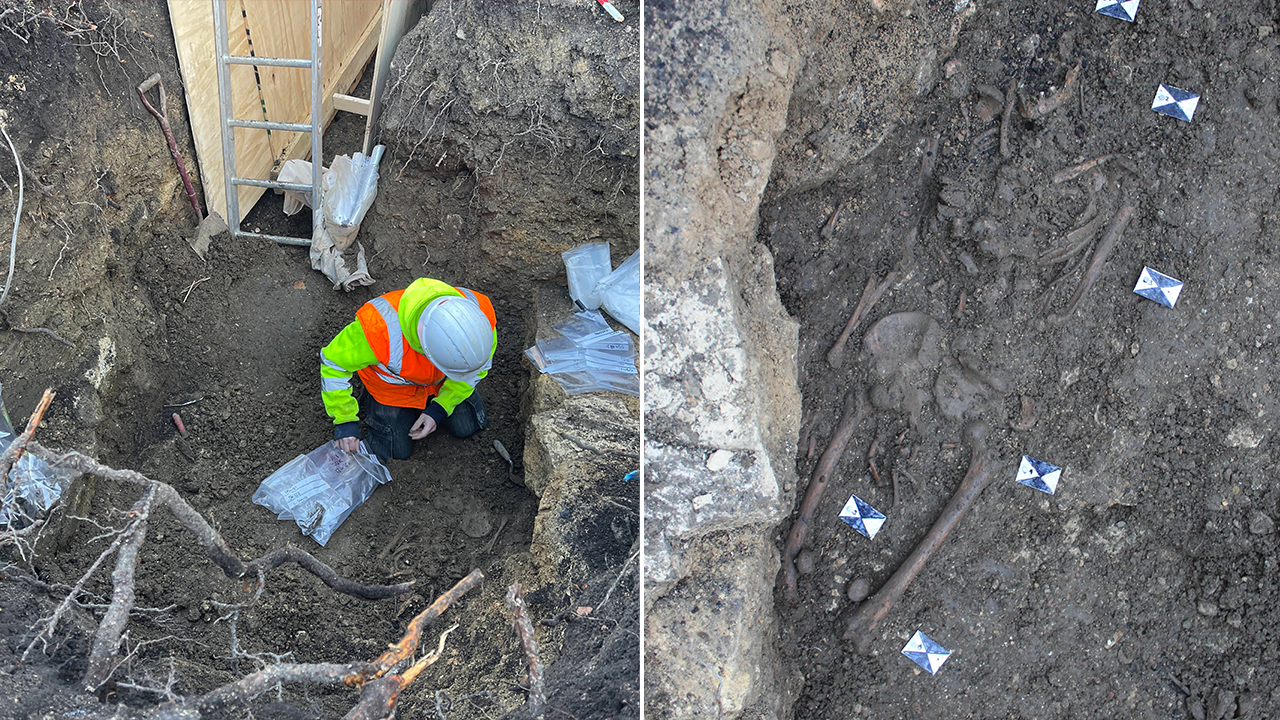
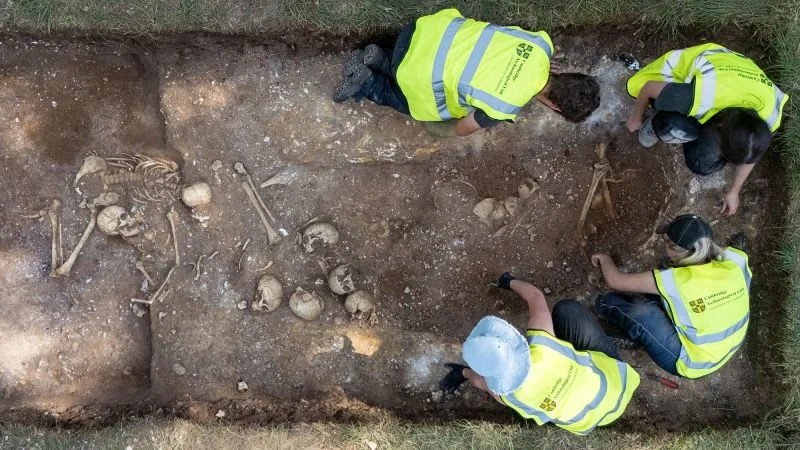
Archaeologists in the UK have discovered over two dozen human skeletons dating back more than 1,000 years in the garden of The Old Bell Hotel in Malmesbury, Wiltshire. The remains, mostly of Anglo-Saxon women, are believed to be from a monastic community associated with the nearby Malmesbury Abbey, providing the first confirmed evidence of 7th- to 9th-century activity in the area.

archaeology1 year ago

"7th Century Skeletons Discovered on Hotel Grounds"

Archaeologists have unearthed 24 Anglo-Saxon skeletons dating back to the 7th century on the grounds of The Old Bell Hotel near Malmesbury Abbey in the UK. The discovery, part of the Big Athelstan Dig celebrating the 1100th anniversary of Athelstan's crowning, is significant as it provides the first physical evidence of early monastic life in Malmesbury.

archaeology1 year ago

1,100-Year-Old Anglo-Saxon Cemetery Unearthed at UK Hotel

Archaeologists and volunteers have unearthed 24 Anglo-Saxon skeletons dating from 670 to 940 AD on the grounds of The Old Bell Hotel near Malmesbury Abbey in the UK. This significant find, part of the Big Athelstan Dig, marks the first physical evidence of early monastic life in Malmesbury and coincides with the 1100th anniversary of Athelstan's crowning as the first King of all England.

archaeology2 years ago

"Discovery: U.K. Archaeologists Unearth Ancient Children's Grave with Treasures"

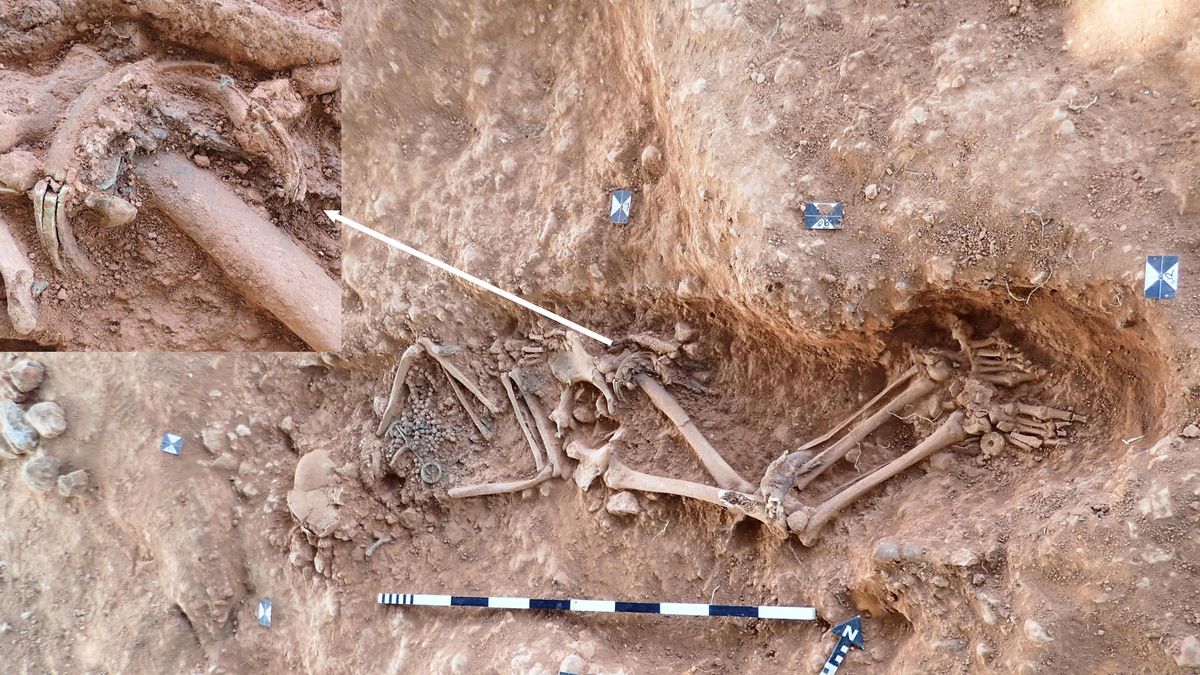
Construction for an electricity project in the U.K. led to the discovery of an ancient Anglo-Saxon burial site in Lincolnshire, dating back at least 1,400 years and containing the remains of more than 20 people, including a teenage girl and a child. The site also yielded a range of tools, jewelry, and pottery, providing insights into the culture and economy of the community. Osteoarcheologists plan to conduct DNA and isotopic analyses to understand the population's genetic background, mobility, and diet, while also studying familial relationships and broader genetic links within the region. The discoveries were made during excavations for the Viking Link project, which aims to create a cable line between England and Denmark for electricity sharing.

archaeology2 years ago

"Ancient Grave Unveils Teen Girl, Child, and Treasures in U.K.: A Striking Discovery"

Construction for an electricity project in the U.K. led to the discovery of an Anglo-Saxon burial site in Lincolnshire, dating back at least 1,400 years, containing the remains of a teenage girl and a child along with various tools, jewelry, and pottery. The site, deemed a "striking discovery" by Wessex Archaeology, will undergo scientific analyses to understand the population's genetic background, diet, and familial relationships, shedding light on Anglo-Saxon life and death in the region. This finding is part of a series of archaeological discoveries along the cable route for the Viking Link energy project, including a wheelbarrow from the Bronze Age and a Romano-British farmstead.

archaeology2 years ago

Ancient African Elephant Ivory Rings Found in Elite Anglo-Saxon Burials

Enigmatic ivory rings found in Anglo-Saxon burials in England have been identified as originating from African elephants living about 4,000 miles away, suggesting a trading network that spanned from eastern Africa to post-Roman Europe. The rings, too large to fit a finger, were likely used to hold open cloth bags tied to the waist. The discovery sheds light on the extensive and complex trading networks of the fifth to seventh centuries and provides insight into the status and cultural practices of wealthy Anglo-Saxon women.

archaeology2 years ago

Seventh century Anglo-Saxon teen girl's face reconstructed.

Researchers have reconstructed the face of an Anglo-Saxon girl who was buried more than 1,300 years ago in Great Britain. The girl, who died around the age of 16, was buried with a gold and garnet-encrusted cross, indicating she was likely an aristocrat or royalty and one of the era’s earliest Christian converts. The research so far has revealed that she lived during the seventh century and likely traveled to England from the Alps in southern Germany. The facial reconstruction offers a new way for the public to imagine the girl as a living person, rather than an academic enigma.

archaeology2 years ago

Reconstructing the Face and Life of an Anglo-Saxon Teen

The face of a 7th-century Anglo-Saxon teenager buried near Cambridge has been reconstructed, revealing that she moved to England from Central Europe as a young girl. The young woman was buried with a rare gold and garnet cross, known as the "Trumpington Cross," and was one of only 18 bed burials ever uncovered in the UK. Bioarchaeologists have found that her diet changed significantly after she arrived in England, suggesting that her lifestyle may have changed. The Trumpington Cross and other artifacts from her burial will be displayed in a new exhibition at Cambridge's Museum of Archaeology and Anthropology.

archaeology2 years ago

"Unearthing Ancient Aristocrats: Extraordinary Discoveries in English Cemeteries"

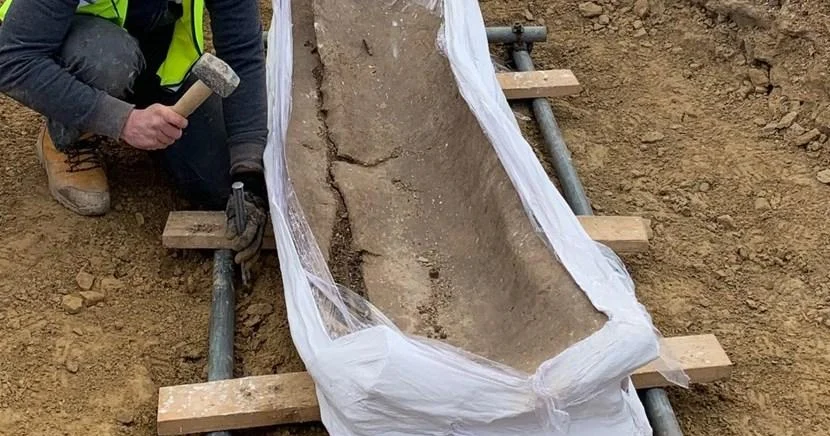
Archaeologists have discovered a 1,600-year-old burial site in Leeds, England, containing the remains of over 60 people, including an aristocratic woman from the later years of the Roman Empire in an ancient lead coffin. The site is thought to include remains of Roman and Anglo-Saxon people, indicating some remains may be traced back to the late Roman Empire and early Anglo-Saxon kingdoms that emerged after it. The discovery could provide key clues about a largely undocumented period in British history and help clarify details about the transition between the fall of the Roman Empire and the establishment of the Anglo-Saxon kingdoms.