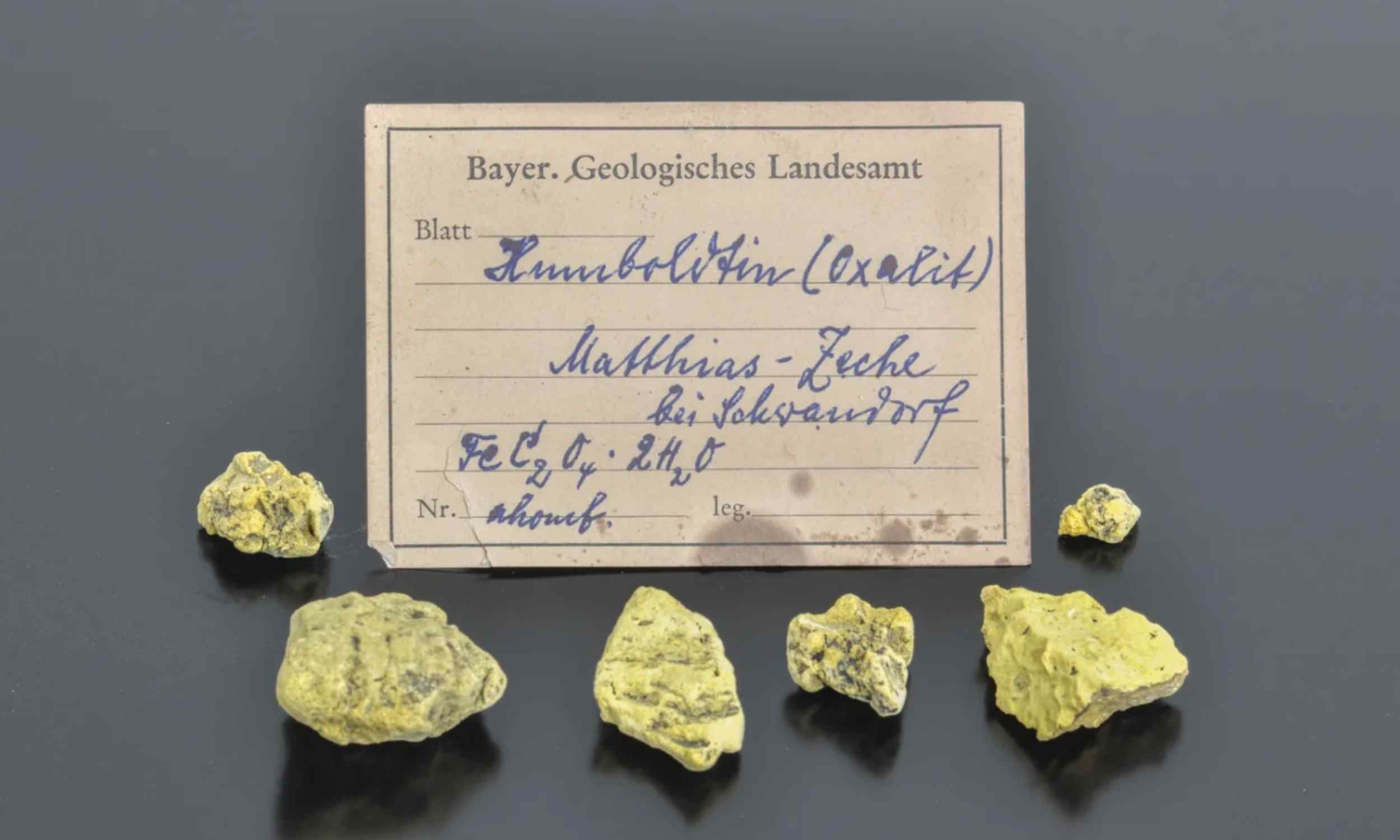
A 75-year-old lost letter led to the accidental discovery of humboldtine, one of Earth's rarest minerals, in Bavarian coal mine specimens, doubling Germany's known reserves and highlighting the importance of digitizing historical collections for scientific breakthroughs.
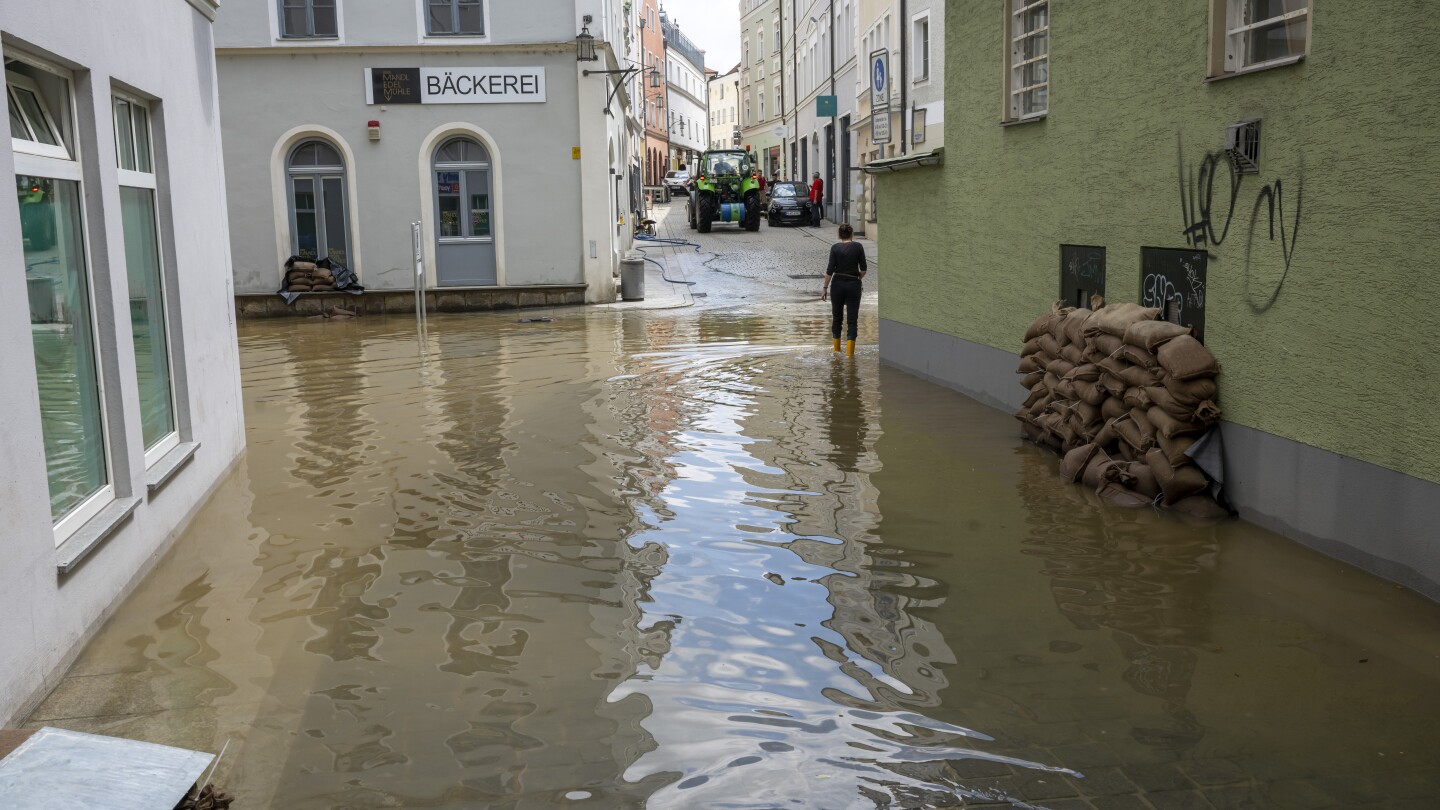
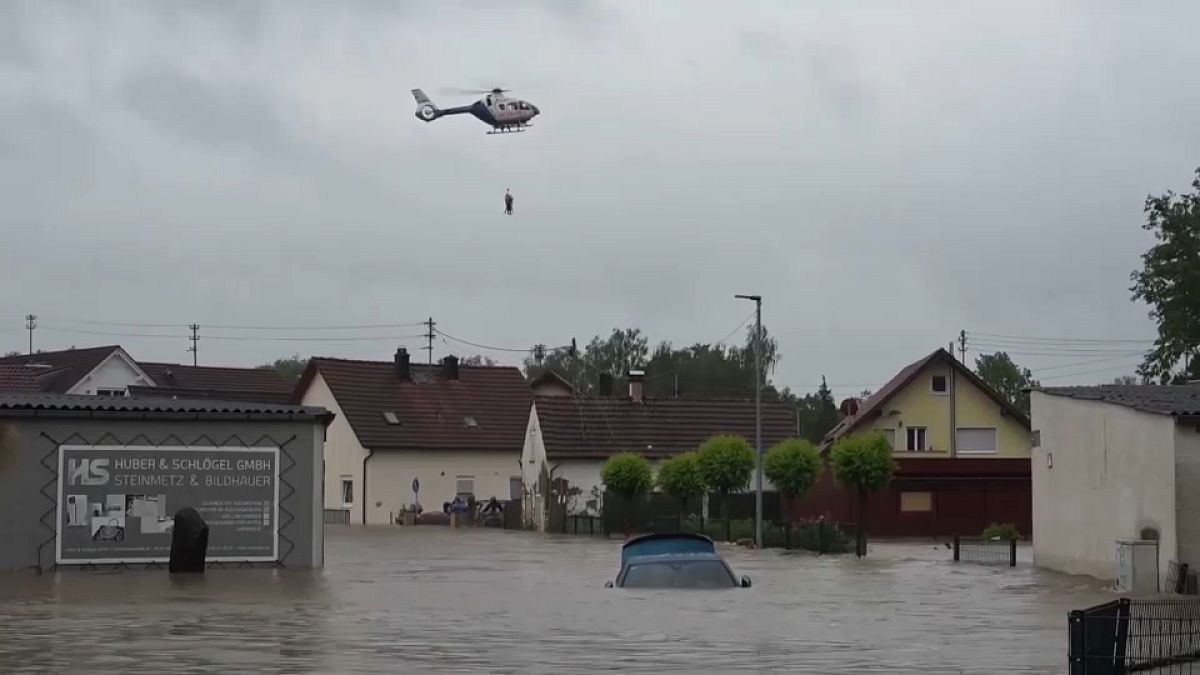
The death toll from floods in southern Germany has risen to six, with the body of a missing 79-year-old woman found in a canal in Bavaria. Persistent heavy rain over the weekend caused widespread flooding, particularly affecting the Danube in eastern Bavaria. The situation is now easing, but water levels are receding slowly.
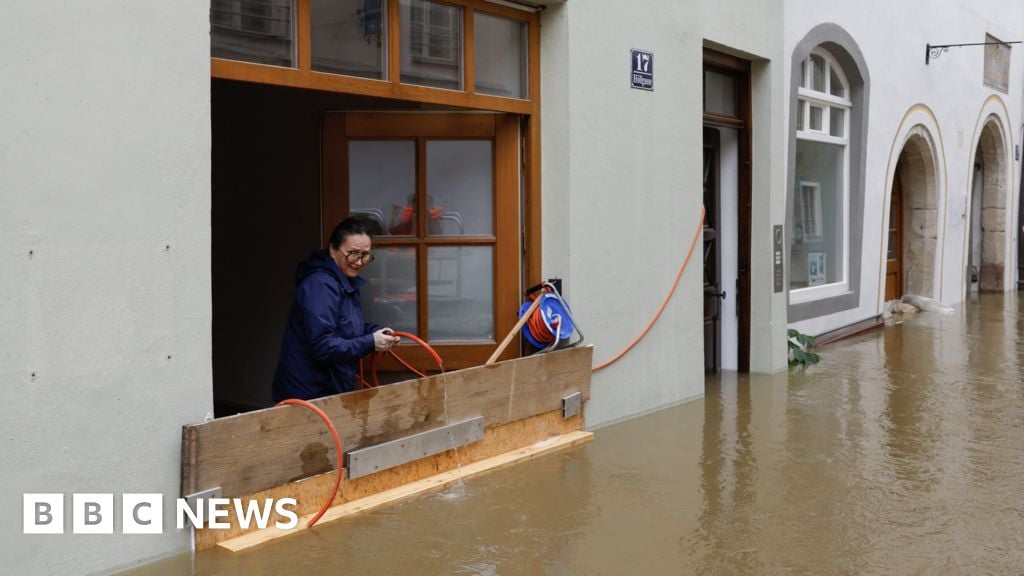
Southern Germany is experiencing severe flooding due to heavy rains, with water levels in Passau reaching historic highs and the Danube bursting its banks, affecting Austria and Hungary. Five people have died, and a state of emergency has been declared in Bavaria. The situation is critical, with significant rainfall expected in Hungary and concerns about the floodplain in Slovakia. German Chancellor Olaf Scholz emphasized the importance of addressing climate change in light of the disaster.
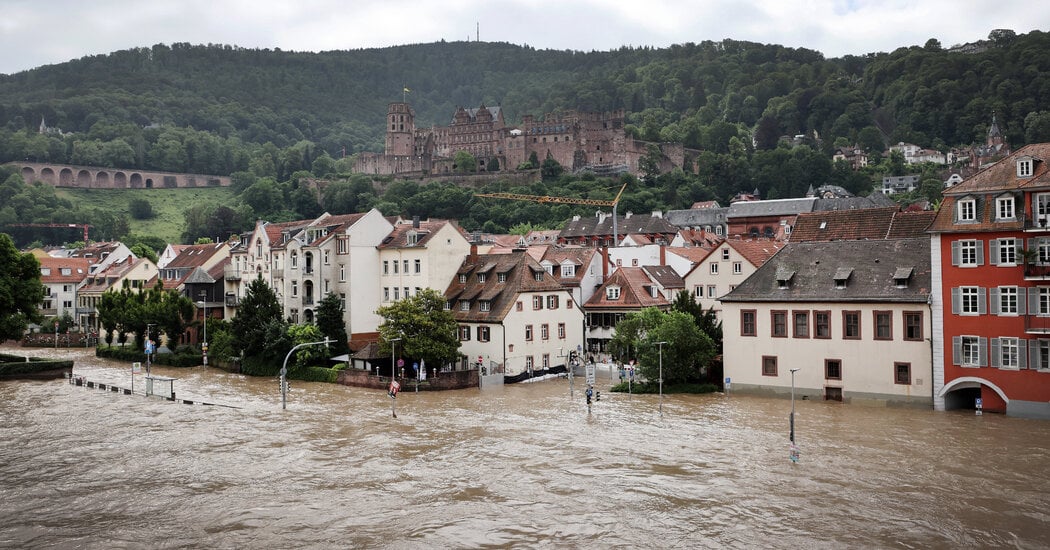
Severe floods in southern Germany have led to states of emergency, evacuations, and multiple fatalities as heavy rains submerged streets, broke dams, and derailed a high-speed train. Emergency crews, including 800 soldiers, are working to rescue stranded individuals and fortify dams. German Chancellor Olaf Scholz highlighted the floods as a consequence of climate change.
Heavy rains and flooding in southern Germany have led to the death of a firefighter and significant disruptions, including a train derailment and extensive travel delays. Authorities in Bavaria have declared states of emergency in six districts and urged residents to heed evacuation orders as water levels continue to rise. Emergency services are actively working to evacuate residents and manage the damage, with similar flooding issues reported in Switzerland.
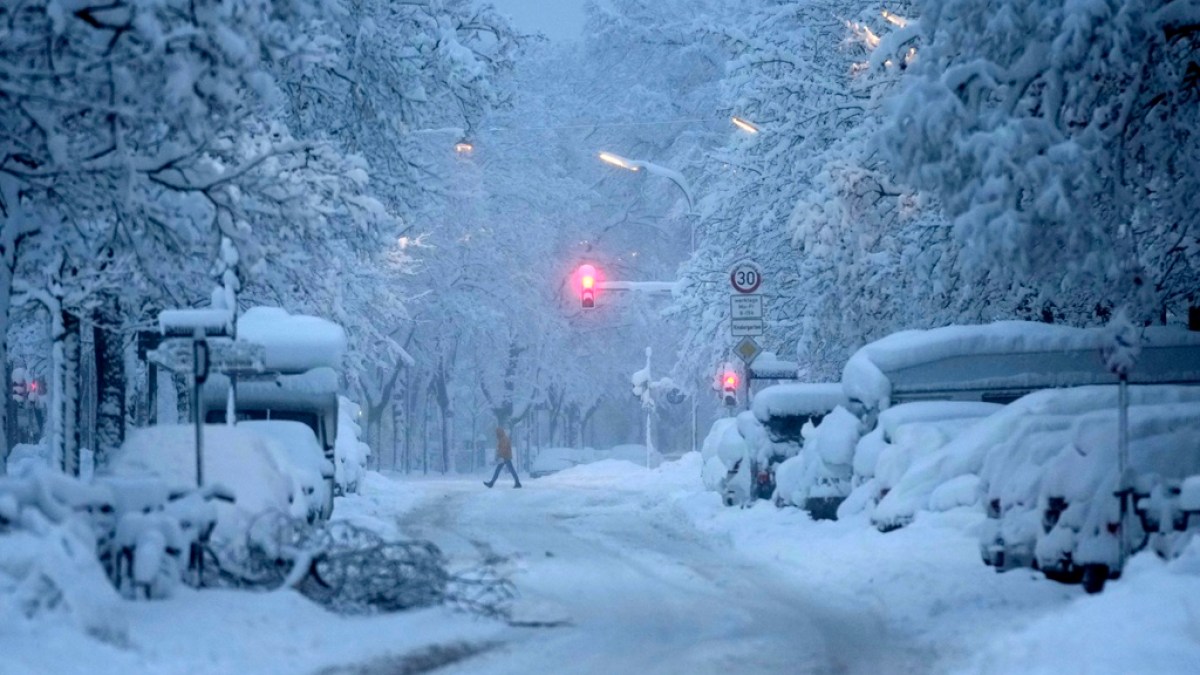
Heavy snowfall in southern Germany, particularly in Bavaria, has caused the closure of Munich Airport and disrupted rail services. Flights were grounded until Sunday morning, affecting other airports in Germany as well. The main railway station in Munich was temporarily suspended, causing travel disruptions to and from the city. Bayern Munich's home match was also cancelled due to the heavy snowfall. The severe weather is expected to continue, with numerous accidents reported on the roads and avalanche warnings raised in Austria and Switzerland.
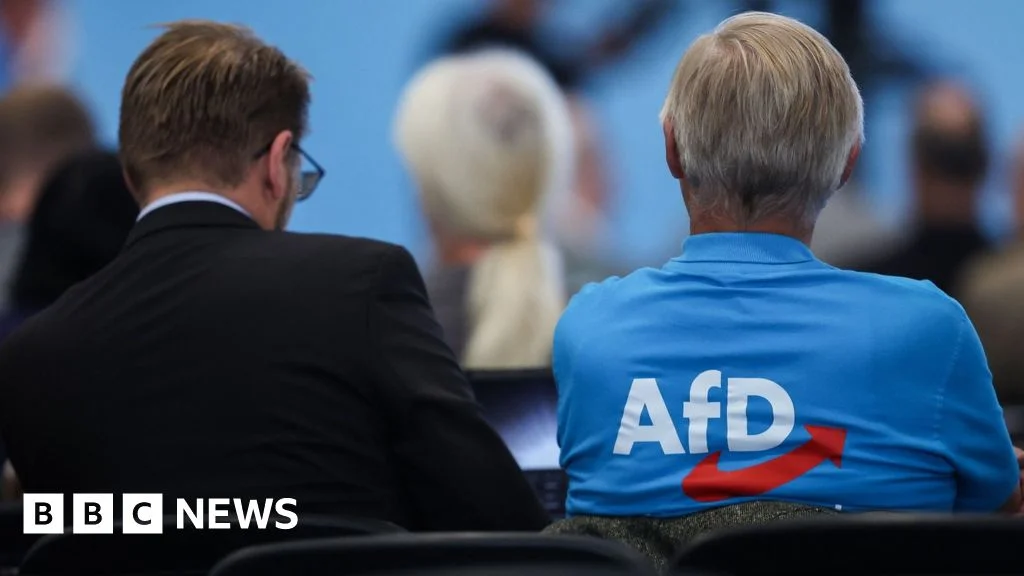
Germany's regional elections in Bavaria and Hesse are seen as a test for the country's shifting political landscape. The far-right Alternative for Germany (AfD) is expected to make gains in both states, although most major parties have ruled out collaboration with it. The elections will indicate the extent of the AfD's influence and could send a message to the federal government on key issues such as inflation, immigration, and climate policy. Dissatisfaction with the ruling coalition and a potential boost for conservative opposition or the far-right are among the major questions.
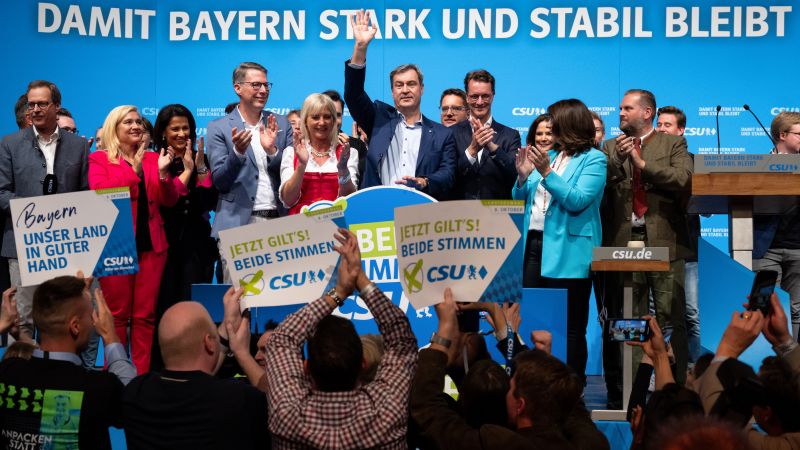
Markus Söder, the dominant figure in Bavaria's conservative Christian Social Union (CSU), has been the state premier for five years. Despite the CSU's declining popularity, Söder maintains a strong presence through his entertaining and lighthearted style, often using social media to engage with voters. He has ambitions for higher office, but his chances of becoming the CDU/CSU's chancellor candidate seem doubtful, as he faces competition within his own party and the rising power of rival parties. Söder's political future depends on the success of Bavaria and the CSU.
Voters in Bavaria, Germany's largest state, are heading to the polls in a toxic election campaign marked by populist upstarts challenging the status quo. The far-right Alternative für Deutschland (AfD) is hoping for a strong result, claiming to be physically attacked or threatened, while their opponents accuse them of twisting the truth for political gain. The Greens are also facing hostility from right-wing groups. The elections in Bavaria and Hesse are seen as a mid-term test for Chancellor Olaf Scholz's government, with a quarter of German voters eligible to vote. The rise of populist insurgents suggests that German politics is becoming more fragmented and fractious.
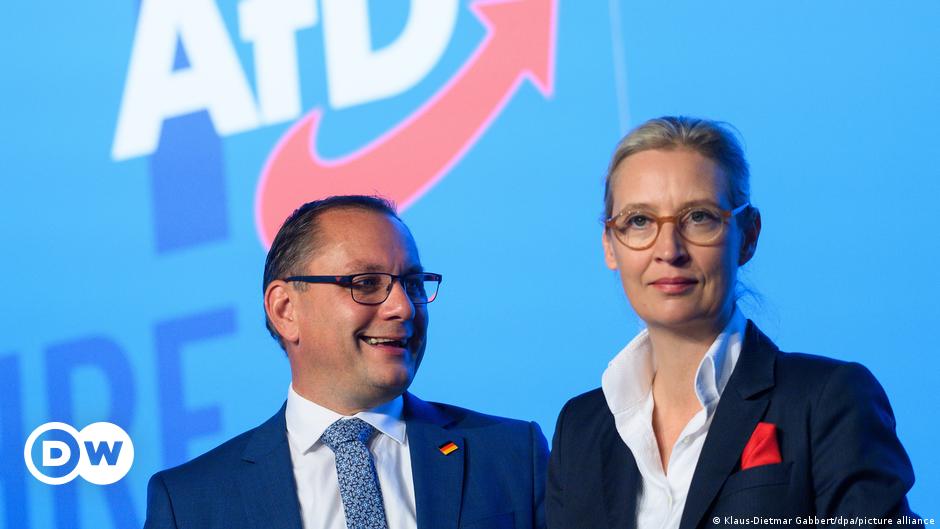
Tino Chrupalla, co-leader of the far-right Alternative for Germany (AfD) party, was hospitalized after a "violent incident" at a campaign rally in Bavaria. The details of the incident were not disclosed, but witnesses reported that Chrupalla collapsed after taking selfies. The police are investigating whether he was attacked, fell, or simply fell ill. The incident comes as the AfD faces opposition and protests, with tens of thousands attending an anti-AfD rally in Munich.
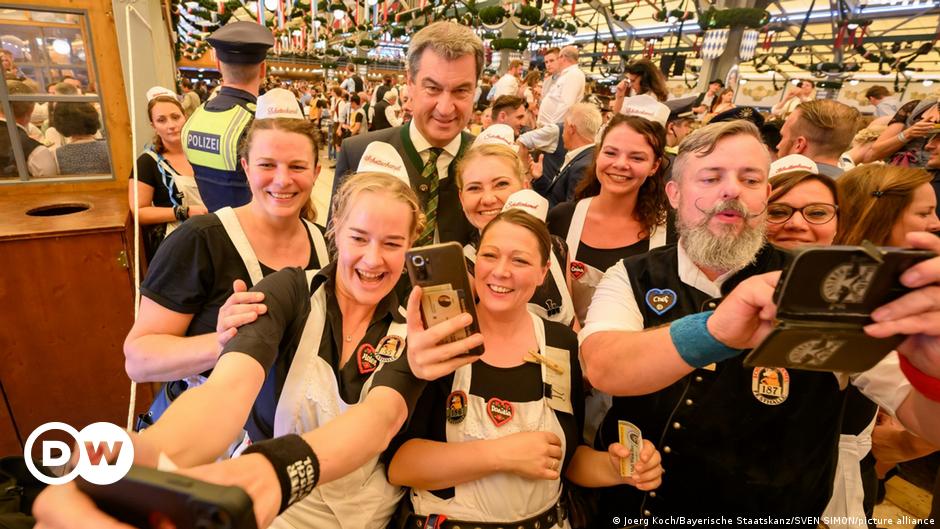
Populism is dominating the campaign for the upcoming Bavarian state election, with Markus Söder of the Christian Social Union (CSU) and Hubert Aiwanger of the Free Voters (FW) employing populist tactics to appeal to voters. Söder, the current state premier, presents himself as a populist and emphasizes his love for Bavarian food and culture. Aiwanger, the deputy state premier, has gained popularity with his "beer tent speeches" and rhetoric about "taking back democracy." The CSU/FW coalition, though strained, is expected to continue, as Söder aims to prevent losing more CSU voters to the right. The Greens and the far-right Alternative for Germany (AfD) are also competing for support in Bavaria.
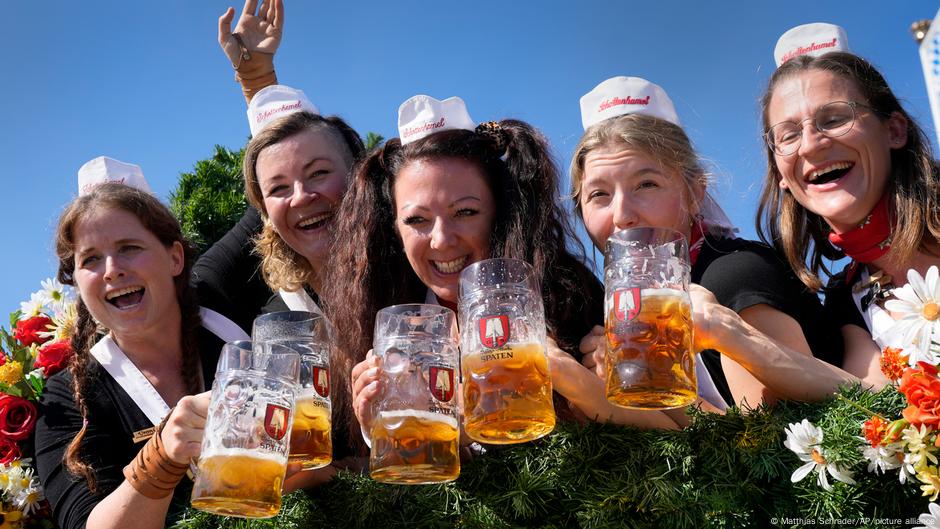
Munich's mayor officially opened the 188th Oktoberfest, the world's largest beer festival, in the Bavarian capital. The festival is expected to attract at least 6 million visitors and will last two days longer than usual. Authorities have deployed a significant number of police officers, paramedics, doctors, and stewards to ensure safety. However, the festival may be impacted by inflation, with the cost of beer increasing by approximately 6.1% compared to last year.
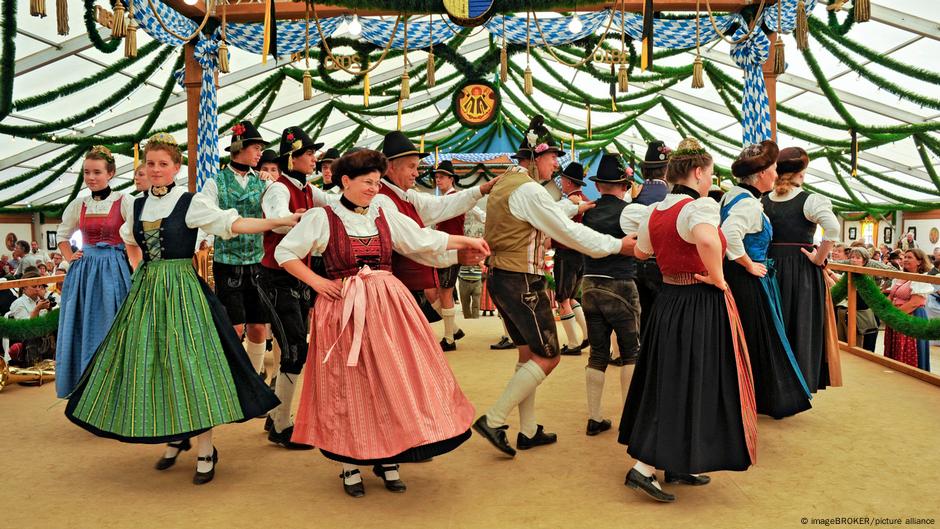
The 188th edition of Oktoberfest has officially begun in Munich, with Mayor Dieter Reiter tapping the first keg and declaring "O'zapft is!" Millions of people dressed in lederhosen and dirndl dresses have flocked to the festival grounds to enjoy the traditional festivities and get their first 2-pint mug of beer. After being canceled in 2020 and 2021 due to COVID-19, Oktoberfest has returned this year with increased prices for beer. The event will run until October 3rd.
Bavaria's Premier Markus Söder has decided not to dismiss his deputy Hubert Aiwanger, despite accusations of distributing an antisemitic flyer during his school days and making antisemitic jokes. Söder stated that since there was no proof that Aiwanger wrote the pamphlet himself and the incident occurred 35 years ago, a dismissal would not be proportionate. However, senior members of Chancellor Olaf Scholz's ruling coalition criticized Söder's decision, with Economy Minister Robert Habeck calling it "unfortunately not a good one" and Interior Minister Nancy Faeser accusing Söder of damaging Germany's international reputation.
Hubert Aiwanger, the deputy state premier of Bavaria and head of the right-wing populist Free Voters party, is facing allegations of antisemitic behavior during his high school years. A former classmate accused Aiwanger of making repulsive jokes about Jews following a class trip to a former Nazi concentration camp in 1987. Another former classmate claimed that Aiwanger imitated Hitler speeches and made offensive jokes about Jewish people. Aiwanger denied the allegations but acknowledged some poor behavior in his youth. The scandal has sparked outrage in Germany, with criticism coming from opposition parties and the Jewish community. The incident comes ahead of the Bavarian state election in October.