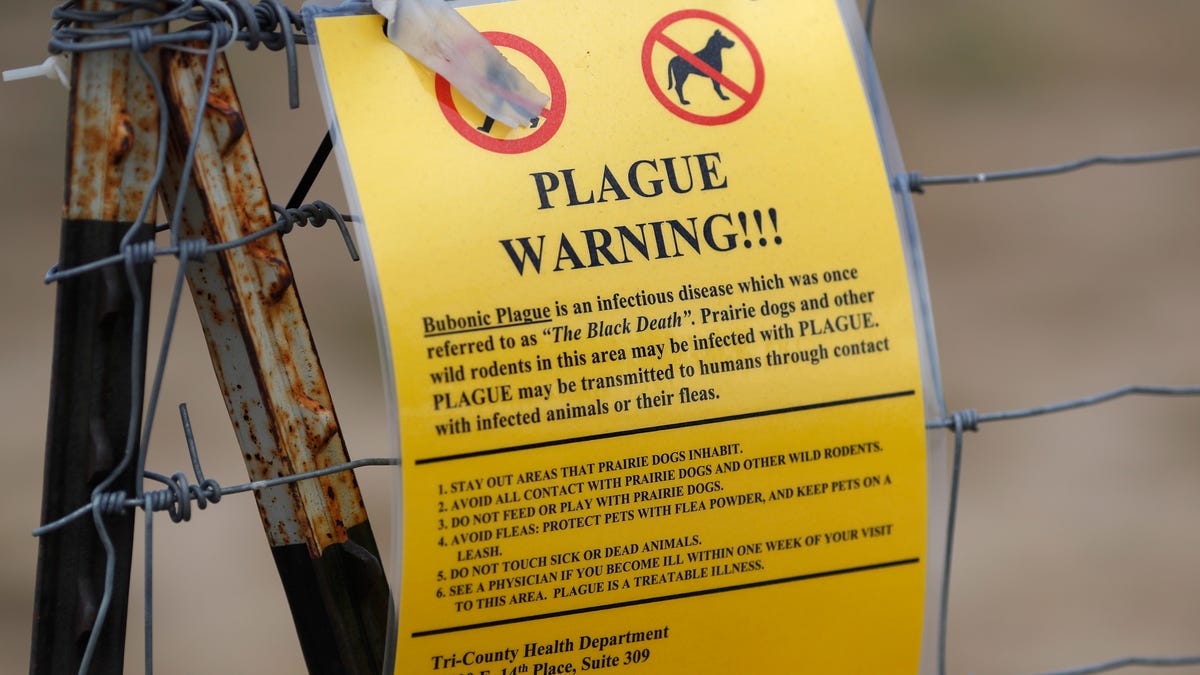
A man in New Mexico contracted the bubonic plague after camping near Santa Fe National Forest, marking the first human case in the state this year, likely transmitted via flea bite from infected rodents; similar cases have occurred in California.

A simulation of the bubonic plague's effects has been highlighted as California reports a case of the disease after a flea bite, following a similar case in Arizona, raising concerns about potential outbreaks and the importance of awareness and treatment. The plague, historically deadly, can now be treated with antibiotics if caught early.
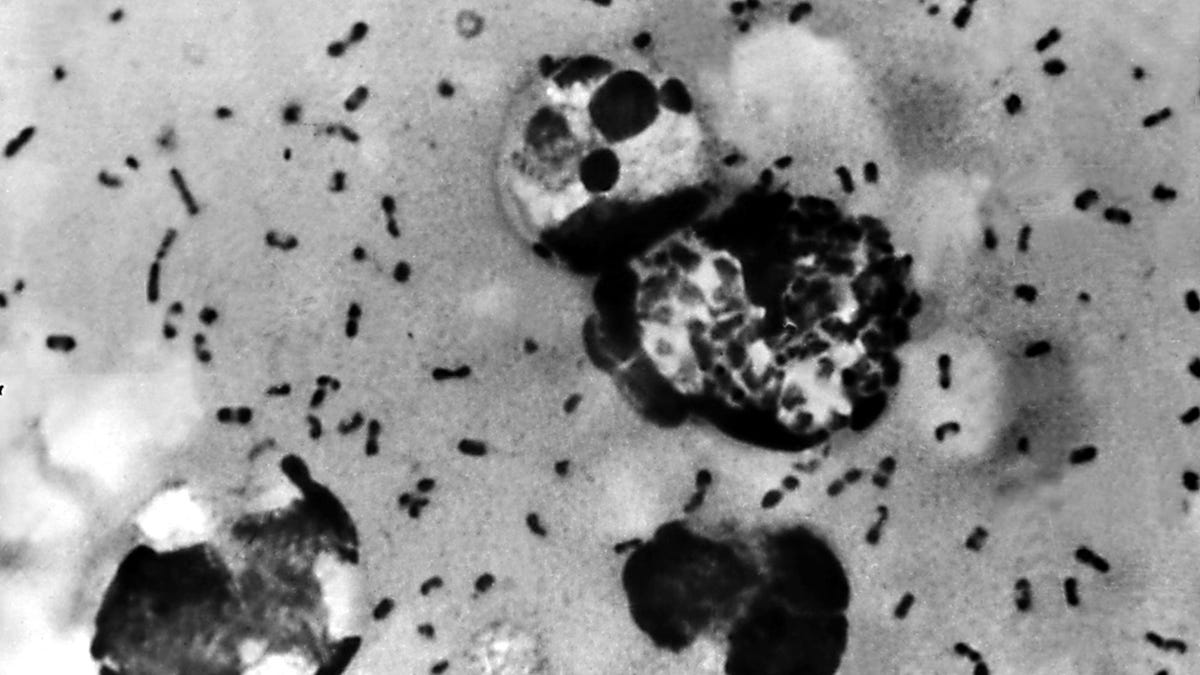
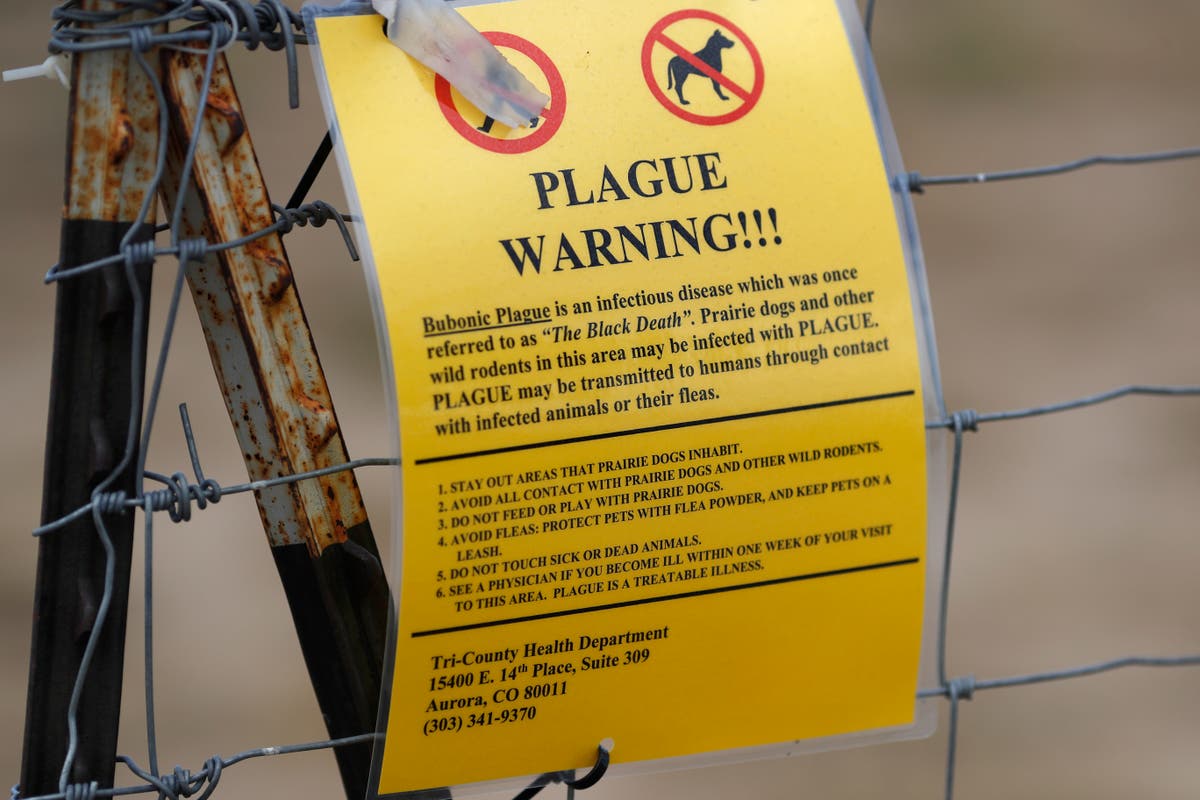
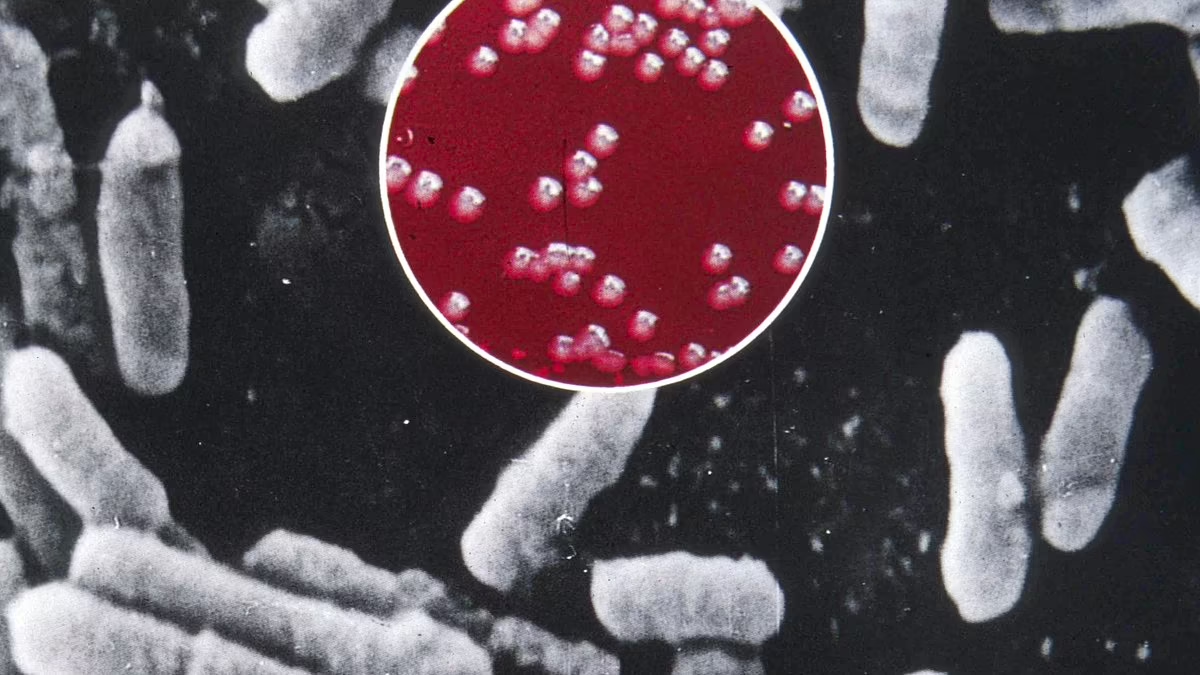
A person in northern Arizona died from bubonic plague at Flagstaff Medical Center, marking a rare case in the U.S. The hospital is investigating the incident, which involved rapid diagnostic testing confirming Yersinia pestis. The disease, usually transmitted by infected fleas or handling infected animals, is treatable with antibiotics if caught early. Authorities are monitoring local wildlife and flea activity following a prairie dog die-off that may indicate plague presence.
Recent research published in PLOS Biology suggests that body lice, not just rat-transmitted fleas, played a significant role in spreading the bubonic plague during the 14th century. The study found that body lice can effectively transmit the plague-causing bacterium Yersinia pestis, with infected lice remaining contagious for up to a week and capable of infecting humans through their bites. This new evidence highlights the potential for body lice to be more effective vectors of the plague than previously understood.
A US government-funded study warns that climate change could lead to a surge of deadly viruses, ancient diseases like the plague, and new fungal infections due to rising temperatures. Tickborne illnesses, mosquito-borne diseases, and zoonotic diseases are expected to increase as winter temperatures become warmer, allowing disease-carrying insects to survive and spread illness. Cases of diseases like Lyme disease, malaria, and the bubonic plague are already on the rise in the US, with experts urging physicians to maintain a high index of suspicion for diseases on the move. The study also links rising sea levels and extreme events like flooding to the spread of waterborne diseases, and calls for increased surveillance on infectious diseases to stay ahead of climate-related influxes.
A man in New Mexico has died after contracting the bubonic plague, marking the state's first human case since 2021. The New Mexico Department of Health is conducting outreach and an environmental assessment in the community. The plague is typically spread through infected fleas and can also be transmitted through direct contact with infected animals. Symptoms in humans include fever, chills, headache, and swollen lymph nodes, and prompt treatment is crucial to prevent serious illness or death. Additionally, pets can also be affected by the plague, showing symptoms such as fever, lethargy, and loss of appetite.
A man in New Mexico has died from the bubonic plague, marking the state's first human death from the disease since 2020. The New Mexico Department of Health is conducting outreach and environmental assessments to determine any ongoing risk to the public. The plague, a bacterial disease spread through infected flea bites or contact with infected animals, can also affect pets. Health authorities recommend measures such as avoiding sick or dead rodents, using appropriate flea control products for pets, and seeking prompt medical attention for unexplained illnesses with sudden and severe fever. This incident follows a recent case in Oregon where a resident is believed to have contracted the plague from their symptomatic pet cat.
A man in New Mexico has become the first American to die from the plague in years, with health officials conducting track and trace methods to identify potential infections. The majority of plague cases in the US occur in the Four Corners area, and the disease is typically spread through fleas, rodents, and exposure to dead animals. The CDC estimates that fewer than 10 Americans are infected with the plague each year, with symptoms including fever, headache, and swollen lymph nodes. Experts emphasize the importance of early treatment with antibiotics and recommend preventive measures such as reducing rodent presence and using repellent.
A New Mexico man has died from complications of the bubonic plague, marking the state's first recorded case since 2021. State health officials are assessing the ongoing risk in the region, emphasizing the need for heightened community awareness and proactive measures to prevent its spread. The disease, caused by Yersinia pestis bacteria, is primarily spread through infected flea bites and contact with infected animals. While the likelihood of contracting the bubonic plague in the U.S. is extremely rare, experts advise preventive measures such as avoiding contact with sick or dead rodents and seeking medical attention for unexplained severe fever.
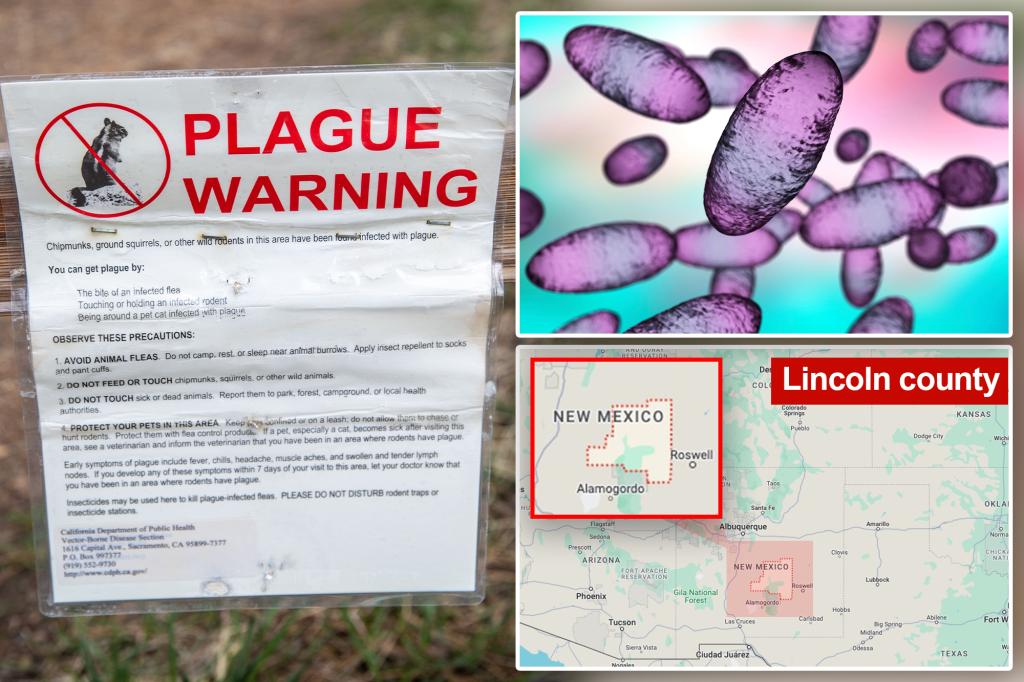
The first fatal case of the plague since 2020 has been confirmed in Lincoln County, New Mexico, marking the state's first reported case since 2021. Health officials are conducting an environmental assessment to assess ongoing risk, as the plague is often spread from rodents to humans via flea bites. Symptoms include sudden fever, chills, headache, weakness, and painful lymph node swelling, and the Centers for Disease Control and Prevention reports about seven human plague cases are reported each year in the U.S., primarily in rural southwest and northwest areas.
The bubonic plague, which caused a devastating pandemic in the 14th century, still exists and recently resurfaced in Oregon. Symptoms include fever, chills, swollen lymph nodes, and prompt antibiotic treatment is crucial. Preventive measures involve controlling rodent populations, insecticide spraying, and educating communities about avoiding contact with sick animals. While modern healthcare has reduced its prevalence, continued vigilance and investment in surveillance and control measures are necessary to mitigate the risk of future outbreaks.
A case of bubonic plague has been confirmed in Oregon, with the individual likely contracting the disease from a pet cat. Health authorities are administering preventive medication to close contacts. Bubonic plague presents as swollen lymph nodes after a flea bite, while septicemic and pneumonic plague are other forms. The disease primarily spreads among small mammals through infected fleas, and experts advise recognizing symptoms, seeking treatment, and taking preventive measures, such as avoiding rodents and using flea control products.
Bubonic plague, caused by the Yersinia pestis bacteria, is still present in the U.S., with about seven cases annually. An Oregon resident likely contracted the plague from their cat, but health authorities are not concerned about an outbreak. The disease is spread through flea bites or contact with infected animals and can be treated with common antibiotics. Symptoms include fever, chills, and swollen lymph nodes. The risk of contracting the plague is low, especially for those in rural areas, but preventive measures such as rodent-proofing homes and using flea medications for pets are recommended.
Bubonic plague, while now rare and treatable with antibiotics, has left a lasting impact on the human immune system. Recent genetic research suggests that survivors of the Black Death in the 14th century may have passed on genetic advantages that helped them combat the disease. Studies have identified specific genetic variants related to the human leukocyte antigen (HLA) system and the ERAP2 gene that may have provided protection against the plague. Understanding how the plague rewired the human immune system in the past can provide valuable insights for vaccine and drug development today.
A person in Oregon contracted bubonic plague from their cat, prompting concerns about a resurgence of the disease. However, experts advise that there is little cause for alarm as isolated cases of bubonic plague are treatable if caught early. The disease is not directly transmissible between humans and is primarily transmitted through fleas or contact with infected animals. Improved treatments and preventive measures have significantly reduced the threat posed by bubonic plague in modern times.