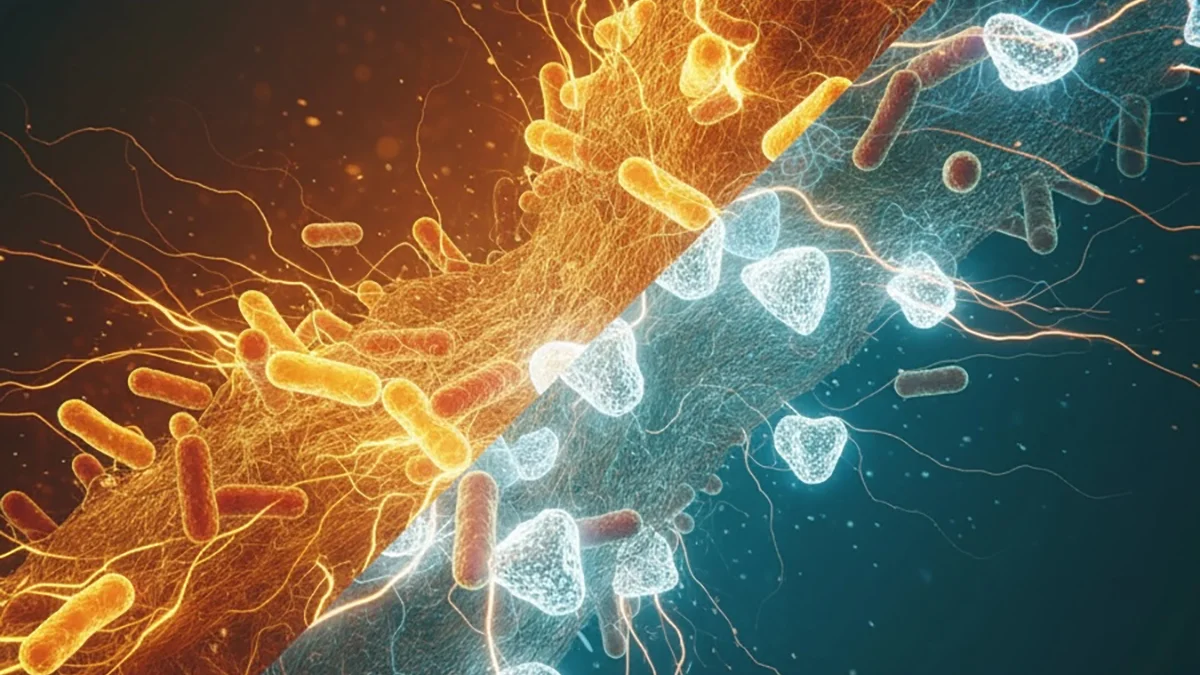
New research suggests that disrupting bacterial communication in the mouth through quorum sensing inhibitors could promote beneficial bacteria and reduce the risk of tooth decay and gum disease, offering a potential new approach to oral health management.
Archaeologists have used advanced biochemical techniques on 4,000-year-old dental plaque from Thailand to confirm the earliest direct evidence of betel nut chewing, a psychoactive practice that predates previous findings by at least 1,000 years, revealing its long-standing cultural significance.
Archaeologists have used advanced biochemical techniques on 4,000-year-old dental plaque from Thailand to confirm the earliest direct evidence of betel nut chewing, a psychoactive practice that predates previous findings by at least 1,000 years, shedding new light on ancient social and cultural behaviors.
A new study suggests that the dietary and hygienic changes brought about by the Black Death in the 1300s may be the reason why people today have a fondness for junk food. Researchers from Penn State University analyzed dental plaque from skeletons dating back to 2200 BC to 1835 AD and found that the bacteria in their mouths had changed significantly. The bacteria found in the samples were linked to low-fiber, high-carbohydrate diets, similar to additives commonly found in fast food. The study suggests that the Black Death may have triggered changes in people's diets, leading to the composition of their oral microbiomes and potentially influencing their preference for junk food.
An analysis of fossilized dental plaque has revealed that seaweed and aquatic plants were once a staple food for ancient Europeans, despite being virtually absent from present-day Western diets. Previous archaeological evidence of seaweed consumption was often attributed to other uses such as fuel or food wrapping. The study examined the teeth of 74 early humans from various European sites and found chemical markers in dental calculus indicating the ingestion of seaweed or aquatic plants in 26 samples. The research suggests that ancient populations understood the nutritional benefits of seaweed and maintained their dietary link with the sea. The scientists hope that their findings will encourage the inclusion of more seaweeds and freshwater plants in modern diets.
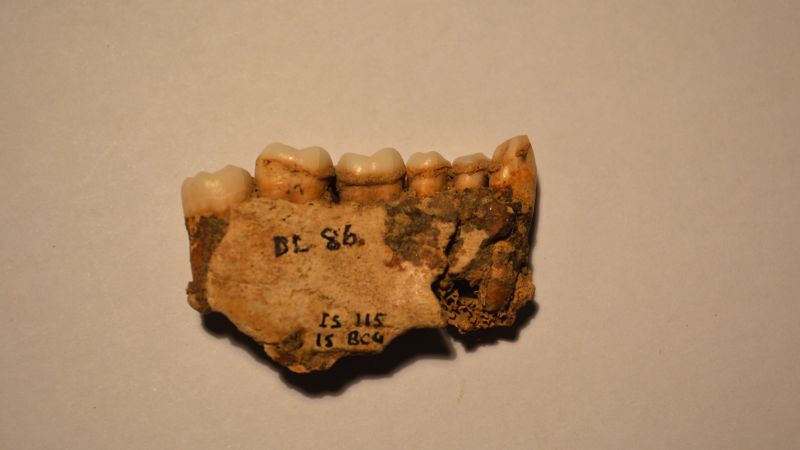
Researchers have discovered previously unknown bacteria in the dental plaque of Neanderthals that could be used to develop new antibiotics. The study analysed dental plaque from ancient and modern humans to investigate the evolution of mouth microbes. The oral microbiome is large and diverse, and it varies based on a person's lived environment. With just a few milligrams of dental calculus, researchers can isolate billions of short DNA fragments from hundreds of species all scrambled together, then put those fragments back together to identify known species.