Tag

Biodegradation

All articles tagged with #biodegradation

Plastic-Eating Caterpillars Turn Trash Into Body Fat

Originally Published 6 months ago — by IFLScience

Featured image for Plastic-Eating Caterpillars Turn Trash Into Body Fat
Source: IFLScience

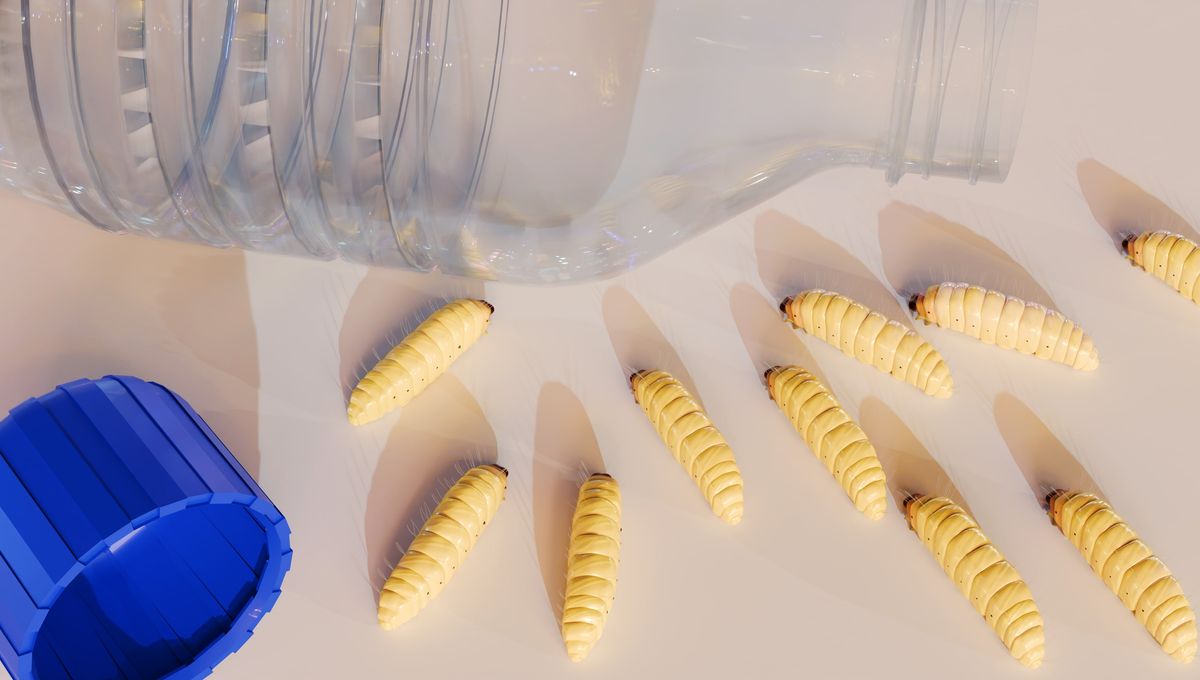
Waxworms can eat and break down plastic, specifically polyethylene, thanks to enzymes in their saliva, and they store the plastic as body fat. However, a diet solely of plastic shortens their lives and reduces their mass, making them unsuitable for direct environmental cleanup. Researchers see potential in re-engineering their plastic-degrading pathways or using them in controlled, co-supplemented environments for plastic waste management and possibly producing insect biomass for commercial use.
"Artificial Superworm Gut Breaks Down Problem Plastics"

Originally Published 1 year ago — by Phys.org

Featured image for "Artificial Superworm Gut Breaks Down Problem Plastics"
Source: Phys.org

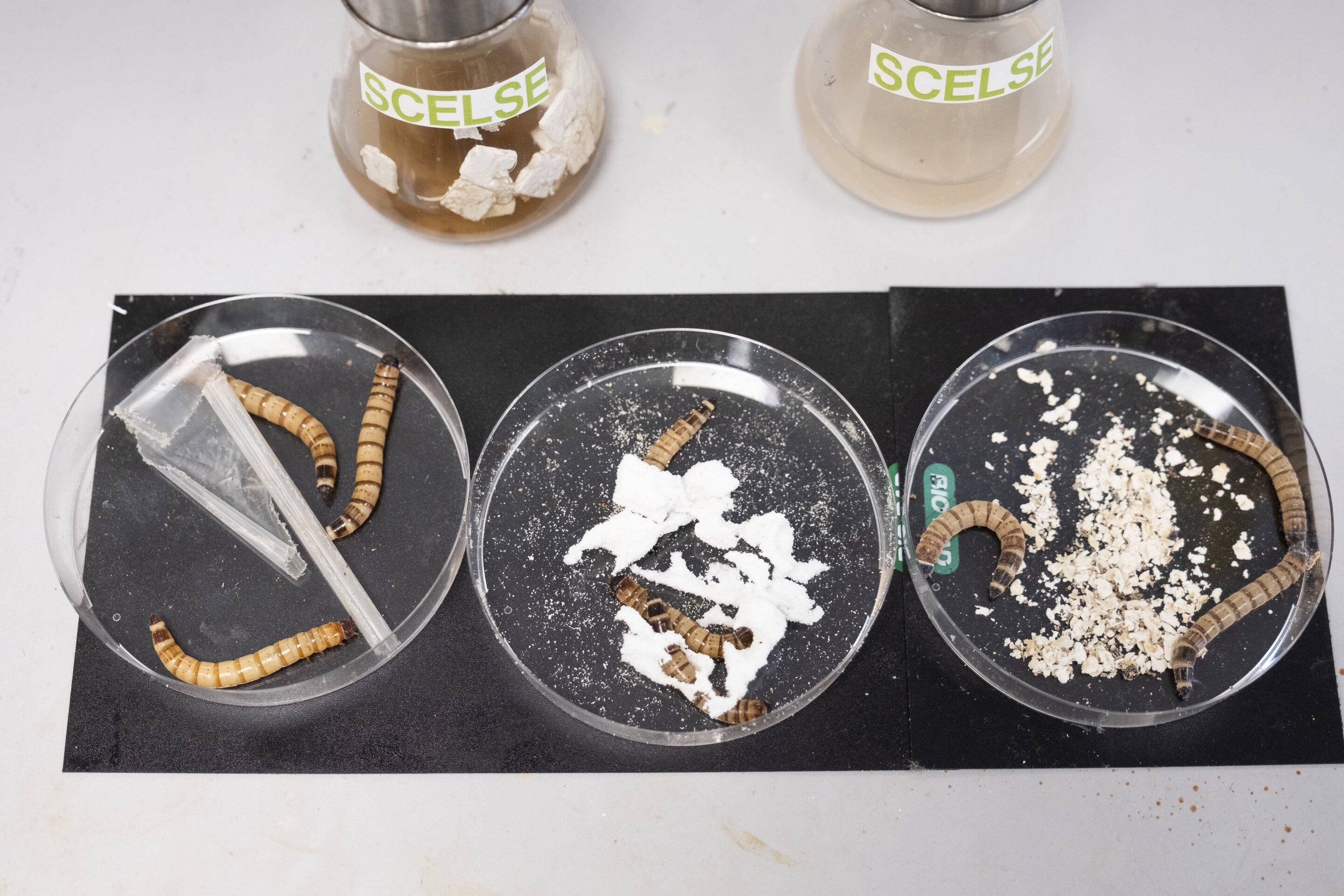
Scientists from Nanyang Technological University, Singapore, have developed an artificial worm gut to break down plastics by isolating the gut bacteria of superworms and using them to accelerate plastic biodegradation. By feeding worms with different plastic diets and incubating their gut microbiomes in flasks, the researchers demonstrated a method to boost plastic-degrading bacteria, potentially offering a nature-inspired solution to the global plastic pollution problem. This study lays the foundation for developing biotechnological approaches that use worms' gut microbiomes to process plastic waste, with future research aimed at understanding the molecular mechanisms of plastic degradation.

Microbes reshape oil droplets for efficient biodegradation

Originally Published 2 years ago — by Phys.org

Featured image for Microbes reshape oil droplets for efficient biodegradation
Source: Phys.org

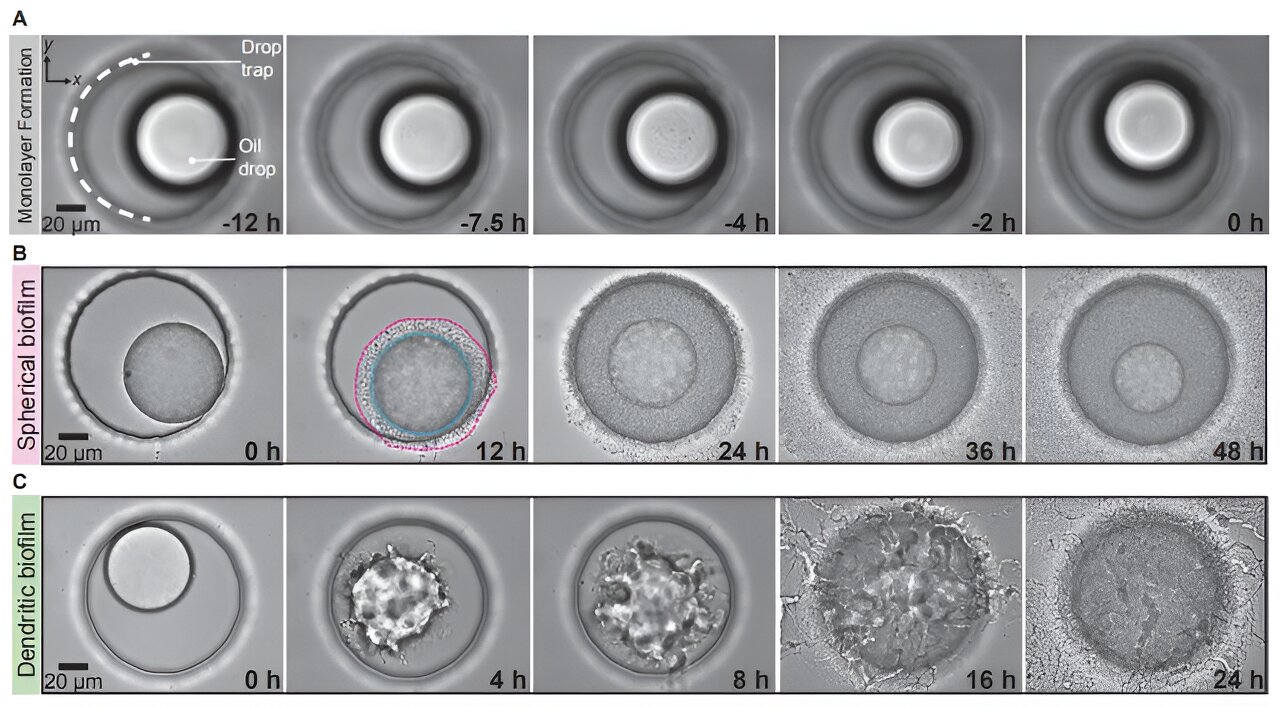
A team of French and Japanese scientists have discovered that a type of oil-eating microbe, Alcanivorax borkumensis, reshapes droplets to optimize biodegradation. The researchers observed that when exposed to crude oil, the bacteria formed biofilms around the oil droplets. In one experiment, the bacteria formed a sphere around the droplet, while in another, finger-like protrusions radiated out from the sphere, resulting in faster and more efficient consumption of the droplet. The protrusions increased the oil surface area exposure, allowing more bacteria to consume the oil simultaneously. This finding provides insights into the process of crude oil consumption by sea microbes and could contribute to the development of more effective oil spill cleanup strategies.

Misleading Claims: "Compostable" Plastic Fails to Decompose in the Ocean

Originally Published 2 years ago — by SciTechDaily

Featured image for Misleading Claims: "Compostable" Plastic Fails to Decompose in the Ocean
Source: SciTechDaily

A study has found that compostable plastic, such as polylactic acid (PLA), does not break down in the ocean, remaining unchanged for over a year. The research highlights the need for standardized tests to verify if materials advertised as compostable truly biodegrade in natural environments. The study emphasizes the difference between compostable plastics that require specific conditions for degradation and cellulose-based textiles that can biodegrade naturally. The accumulation of oil-based plastic waste in the ocean poses a significant ecological problem, as even when broken down into microplastics, they remain undigestible pollutants.

Fungi's Plastic-Degrading Abilities Offer Solution to Global Pollution.

Originally Published 2 years ago — by Gizmodo

Featured image for Fungi's Plastic-Degrading Abilities Offer Solution to Global Pollution.
Source: Gizmodo

Australian scientists have discovered two types of fungi that can break down polypropylene, a type of plastic that is rarely recycled and makes up a quarter of the world's plastic waste. The fungi were able to degrade the plastic by 21% in 30 days and 25-27% in 90 days. However, there is still a lot to tackle before this method can be scaled up for commercial use, and people and corporations must take responsibility for reducing plastic waste and preventing it from ending up in the natural environment.

Backyard Fungi Found to Efficiently Break Down Plastic

Originally Published 2 years ago — by ScienceAlert

Featured image for Backyard Fungi Found to Efficiently Break Down Plastic
Source: ScienceAlert

Scientists have discovered two strains of fungi, Aspergillus terreus and Engyodontium album, that can break down polypropylene, a hardy plastic used to make bottle caps and food containers, in just 140 days. The fungi degraded between 25 and 27 percent of samples after 90 days, and the plastic was completely broken down after 140 days. The researchers believe their work is an "important stepping stone" in designing practical biological ways to treat plastic waste. While plastic-munching bacteria have been able to break down 90 percent of PET in just 16 hours, fungi are attracting attention for their versatility and ability to degrade all sorts of synthetic substrates with a powerful concoction of enzymes.

Backyard fungi discovered to break down plastic in just 140 days.

Originally Published 2 years ago — by Phys.org

Featured image for Backyard fungi discovered to break down plastic in just 140 days.
Source: Phys.org

Researchers at the University of Sydney have successfully biodegraded polypropylene, a hard-to-recycle plastic, using two strains of fungi. The fungi were able to break down the plastic by 21% over 30 days of incubation, and by 25%–27% over 90 days. Polypropylene accounts for roughly 28% of the world's plastic waste, but only 1% of it is recycled. The researchers hope their method could reduce plastic pollution and lead to a greater understanding of how plastic pollution might biodegrade naturally under certain conditions.