A study published in European Urology suggests that men who ejaculate around 21 times a month may have a lower risk of developing prostate cancer, possibly due to flushing out harmful chemicals or healthier lifestyle habits, with orgasms also providing mental health benefits.
The article discusses six types of male orgasms, including ejaculation, pelvic, prostate, dry, blended, and multiple orgasms, highlighting their unique features and potential health benefits, such as reducing prostate cancer risk through frequent ejaculation.
A large-scale study suggests that men who ejaculate more than 21 times a month tend to be happier, experience better health, and have a 20% lower risk of prostate cancer, highlighting the potential health benefits of regular sexual activity.
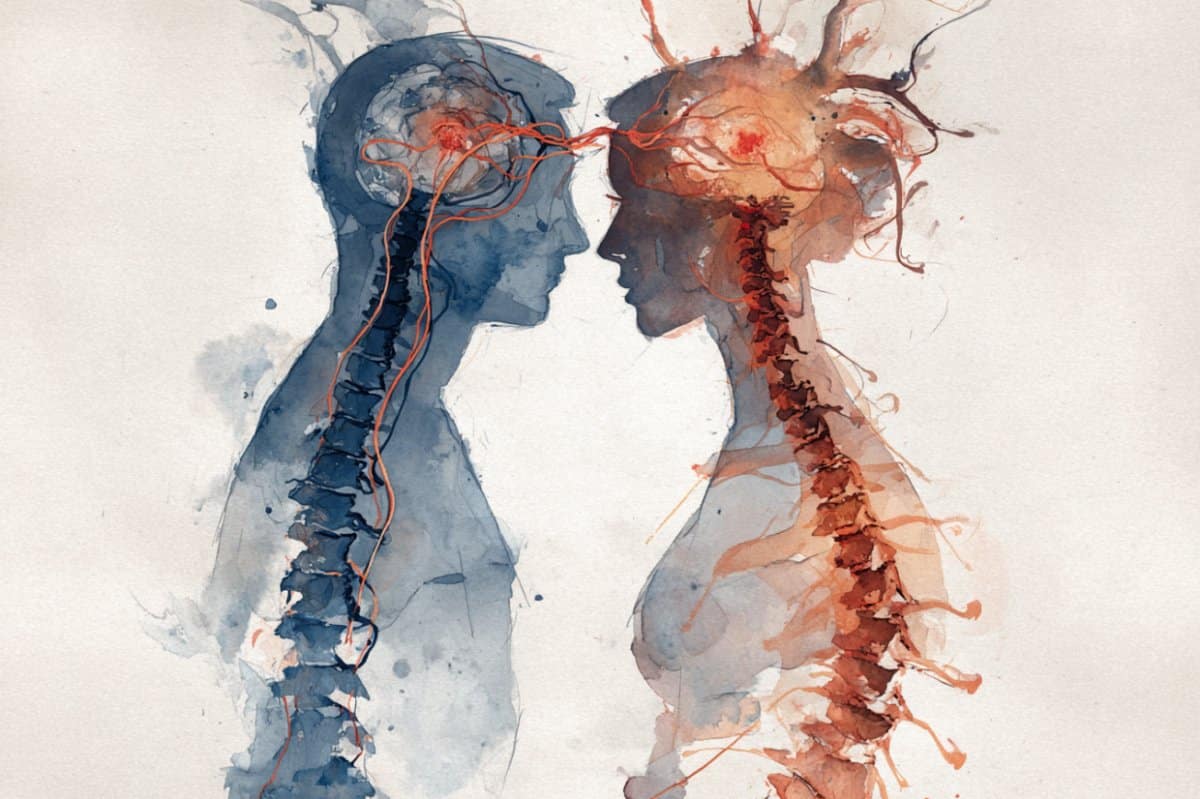
A new study reveals that the spinal cord, specifically Galanin-expressing neurons, actively participates in regulating male sexual arousal and ejaculation in mice, challenging the traditional view that the brain solely controls these behaviors and highlighting the spinal cord as an integrated, active component in sexual function.
Research shows that ejaculating more than 21 times a month can boost happiness, improve mood through hormones like endorphins and dopamine, and reduce prostate cancer risk by 20%, based on a large-scale study of 32,000 men over 18 years.
Ejaculating frequently may have health benefits for individuals with testes, including a potential 20% reduction in prostate cancer risk compared to lower frequency of ejaculation. A study showed that high frequency of ejaculation (21+ times/month) correlated with a lower risk of prostate cancer.
Urologist and sex educator Dr. Rena Malik shared five surprising facts about the prostate, including its primary function of producing fluid for ejaculation, the benefits of frequent ejaculation in reducing the risk of prostate cancer, and the importance of screening for prostate cancer through a simple exam and blood test. Enlargement or swelling of the prostate can cause urinary health issues for up to 70% of men over 60, but there are treatment options available. Prostate massage was used as a treatment for prostatitis and pelvic floor tension until the 20th century.