Dr. Zain Hasan warns that five common medications, including Wellbutrin, Accutane, anticoagulants, beta blockers, and tamoxifen, can cause hair loss. These drugs, taken by millions, may trigger hair follicles to enter a resting phase, leading to alopecia. While hair loss from these medications is often reversible, patients are advised to consult their doctors before discontinuing use.
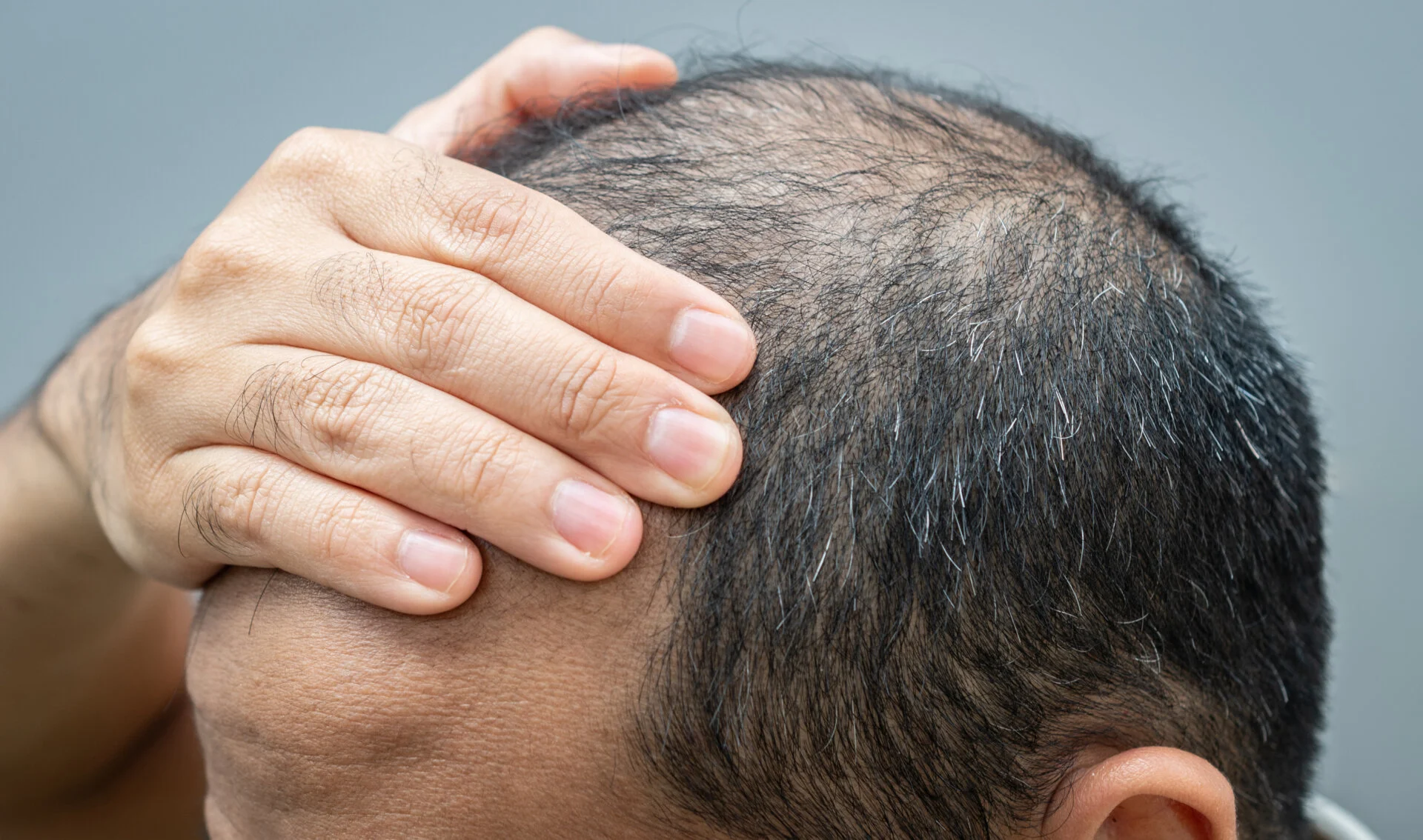
A systematic review and meta-analysis by researchers at Pusan National University found a modest but statistically inconclusive association between alcohol consumption and androgenetic alopecia (AGA), the most common form of hair loss. While drinkers were 1.4 times more likely to experience AGA than non-drinkers, robust cohort studies showed no significant link. The study highlights the need for further research with standardized criteria to better understand any potential connection and its mechanisms, which could inform public health strategies and personalized hair loss treatments.
A group of international dermatology experts has endorsed the use of low-dose oral minoxidil as an alternative treatment for hair loss, potentially expanding its use beyond the traditional topical form. While oral minoxidil is currently an off-label treatment, it may offer advantages such as avoiding scalp irritation and being more cost-effective. However, it carries potential heart risks, and patients with certain heart conditions should avoid it. The consensus aims to provide guidance for dermatologists to confidently prescribe this emerging treatment.
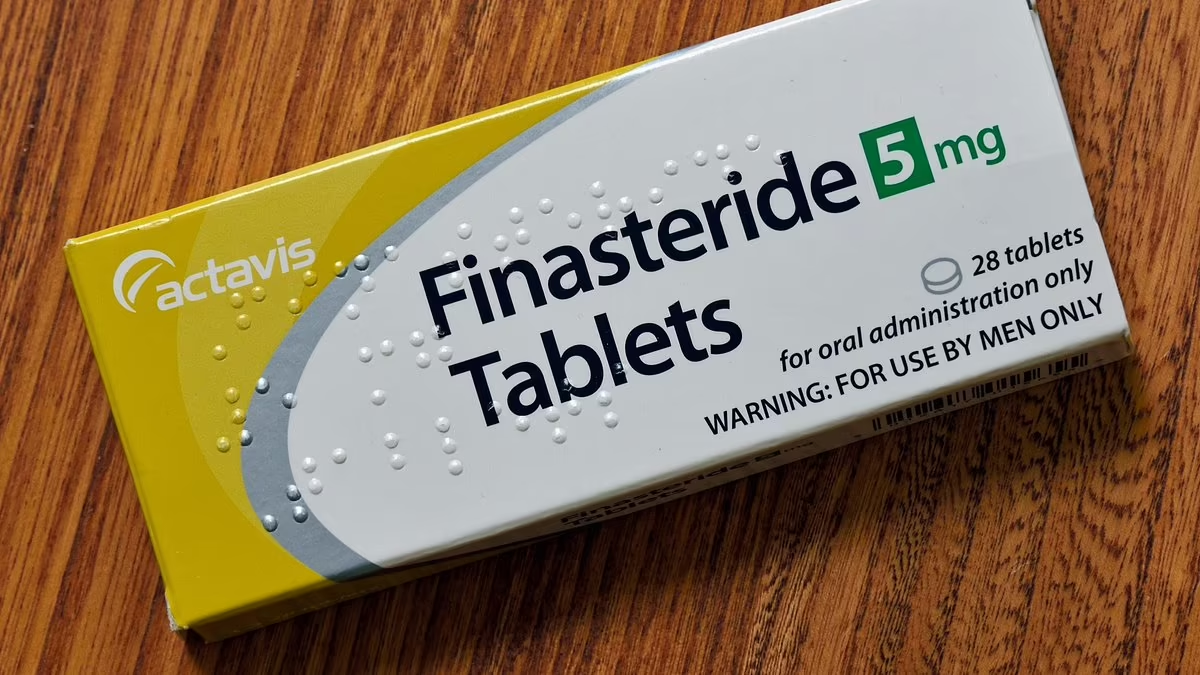
Dr. Gary Linkov, a New York City plastic surgeon, recommends finasteride as a primary treatment for male pattern hair loss, a drug reportedly used by Donald Trump. Originally for enlarged prostate treatment, finasteride prevents testosterone from converting into DHT, a compound causing hair loss. While effective in slowing hair loss, it may have side effects like decreased libido. Dr. Linkov also prescribes minoxidil to thicken hair. Despite its benefits, finasteride cannot restore lost hair but can delay further loss, especially in young adults.
Many medications can cause hair loss as a side effect, either by halting hair growth or causing hair to shed prematurely. Common culprits include retinoids, antifungals, mood stabilizers, blood thinners, cholesterol-lowering drugs, antithyroid medications, hormonal medications, antihypertensives, and chemotherapy. While hair loss from medication is often reversible after stopping or reducing the drug, some cases may require alternative treatments like Rogaine (minoxidil) or Latisse (bimatoprost). Patients experiencing medication-induced hair loss should consult their healthcare provider for guidance and potential treatment options.
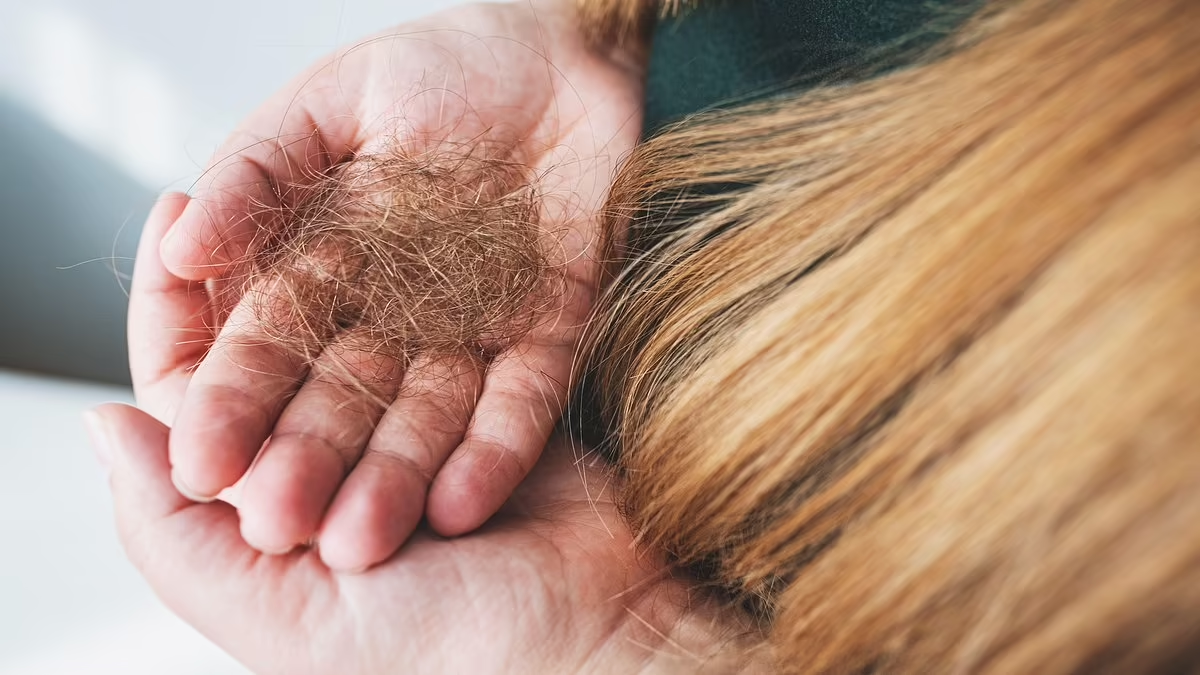
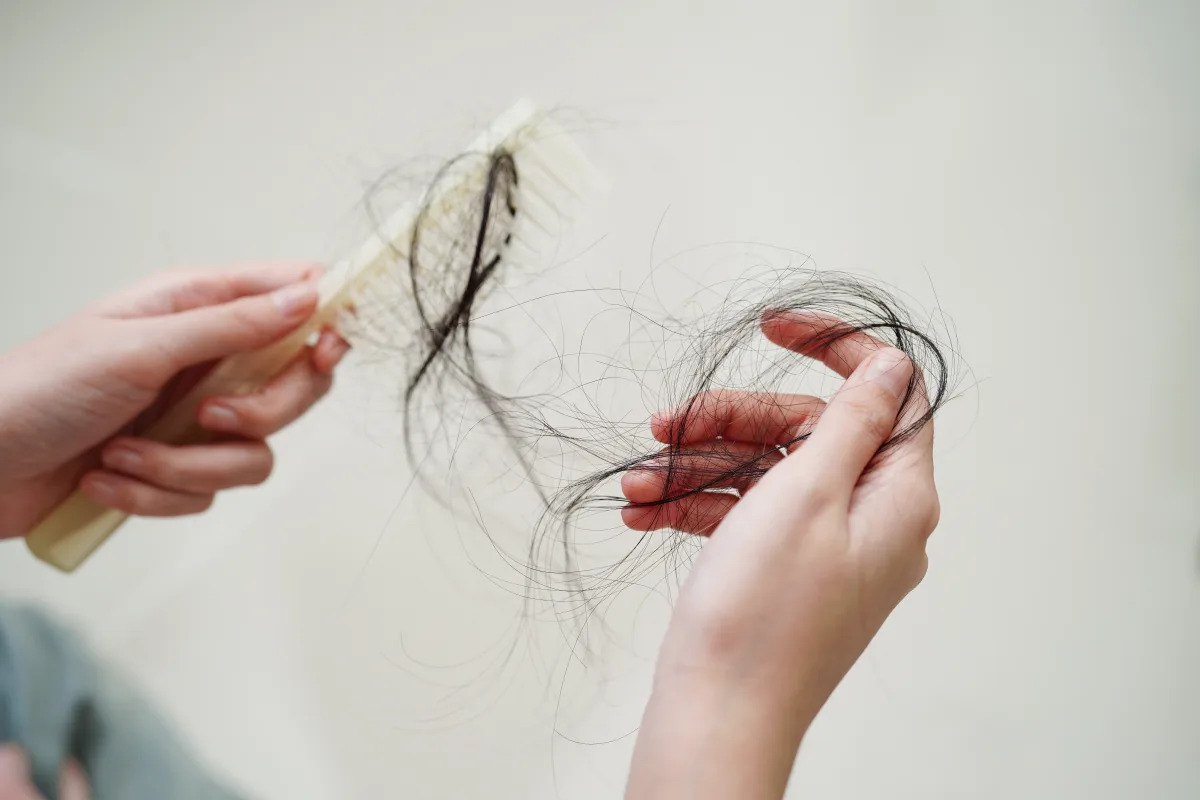
Hair loss is a common concern, with most people losing 100 to 150 strands a day, which can vary with hair growth stages and external factors like season and stress. While daily shedding is normal, significant hair loss, such as handfuls of hair or bald patches, could indicate underlying health issues, including hormonal changes, stress, nutritional deficiencies, or autoimmune conditions. Celebrities like Drake and Alyssa Milano have experienced hair loss due to COVID-19, while others, such as Jada Pinkett Smith, have autoimmune-related hair loss. Genetics also play a role in hair loss, with conditions like androgenetic alopecia affecting both men and women. If concerned about hair loss, consulting a primary care doctor or dermatologist is recommended to rule out serious conditions and explore treatment options.
Nosheen Choudhry, founder of Nosheen Hair Oil, recommends using natural products, avoiding heat styling, and adopting a nutritious diet rich in protein, vitamins, and Omega-3 fatty acids to combat age-related hair loss and thinning, especially during menopause. She emphasizes the benefits of natural oils, particularly her own blend containing rosemary oil, and advocates for regular scalp massages and using thickening shampoos to promote hair health and growth.