Tag

Ice Shelves

All articles tagged with #ice shelves

Antarctica's Rapid Changes Signal Urgent Climate Crisis

Originally Published 3 months ago — by Oceanographic Magazine

Featured image for Antarctica's Rapid Changes Signal Urgent Climate Crisis
Source: Oceanographic Magazine

Scientists warn that rapid and extreme changes in Antarctica, including collapsing ice shelves and record-low sea ice, are occurring faster than expected, posing serious risks such as accelerated global heating, sea level rise potentially over ten meters, and ecosystem threats, emphasizing the urgent need for global action and better predictive models.

Researchers uncover alarming changes in massive ice shelf

Originally Published 3 months ago — by Yahoo

Featured image for Researchers uncover alarming changes in massive ice shelf
Source: Yahoo

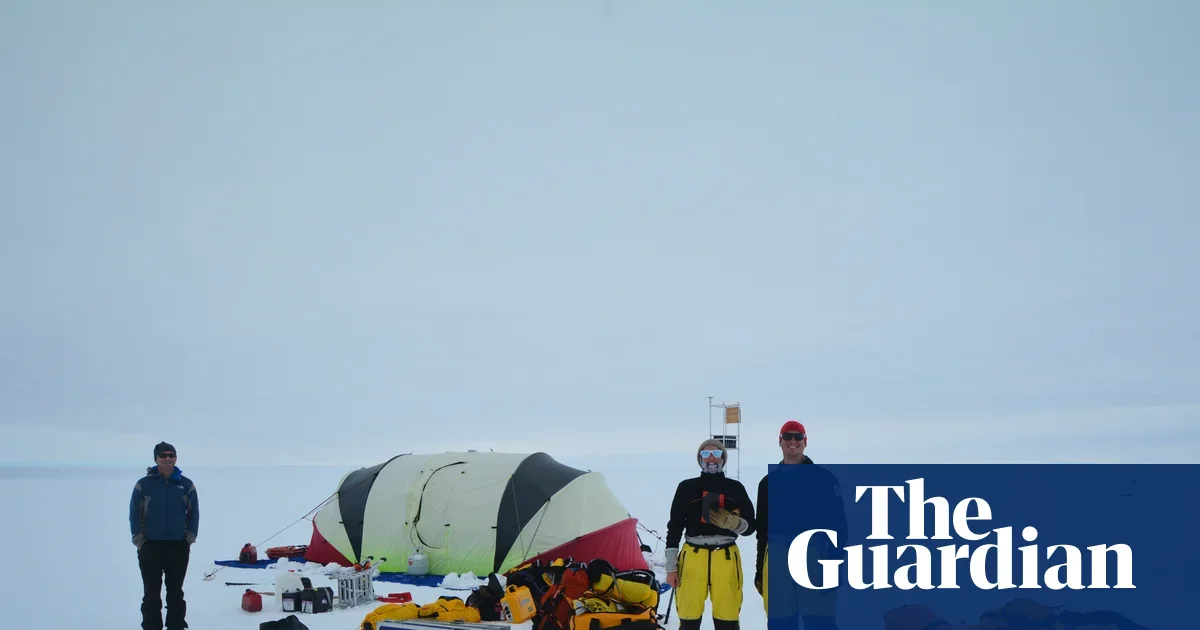
Researchers drilling into the Ronne ice shelf in Antarctica discovered that strong tides significantly accelerate melting by causing friction and warming beneath the ice, which weakens the shelf's ability to hold back land ice, contributing to rising sea levels and ecological impacts. The study highlights the urgent need for reducing pollution and exploring intervention strategies to preserve ice shelves and mitigate climate change effects.

Old Aerial Photos Reveal Climate Change Risks and Sea Level Rise Predictions

Originally Published 6 months ago — by SciTechDaily

Featured image for Old Aerial Photos Reveal Climate Change Risks and Sea Level Rise Predictions
Source: SciTechDaily

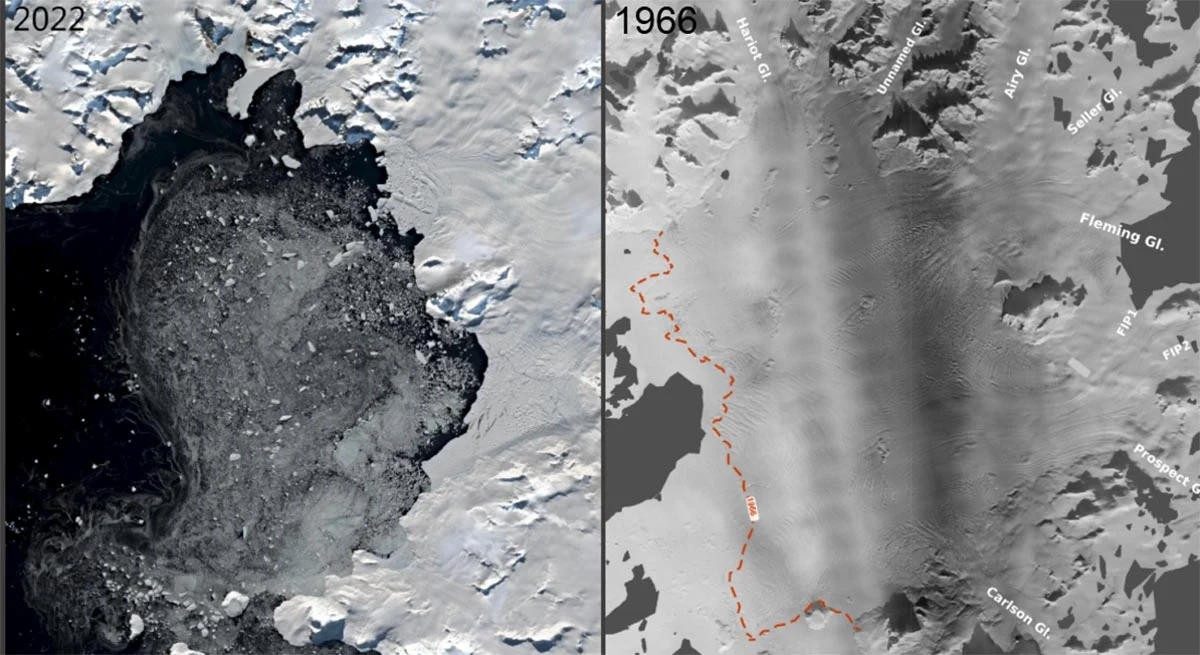
Scientists used 1966 Navy aerial photos combined with modern satellite data to study the collapse of Antarctica's Wordie Ice Shelf, revealing that ocean water melting from below, rather than surface melt, primarily drives ice shelf disintegration, which has implications for future sea level rise predictions.

Unveiling Antarctica's Hidden Ice Formations

Originally Published 1 year ago — by BBC.com

Featured image for Unveiling Antarctica's Hidden Ice Formations
Source: BBC.com

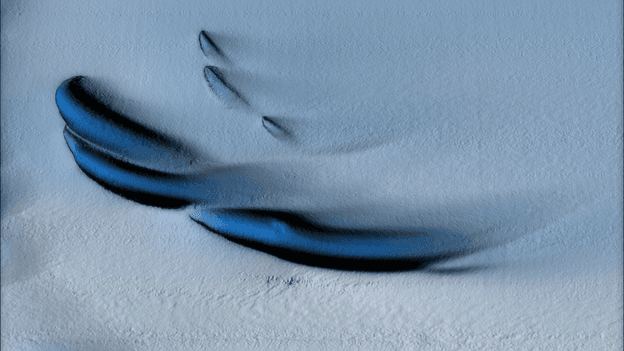
Scientists have discovered an unexpected upside-down landscape beneath Antarctica's Dotson Ice Shelf, revealing peaks, valleys, and plateaus formed by meltwater. This discovery, made using an unmanned submersible, provides new insights into how ocean currents melt ice shelves and the potential impact on global sea levels. The findings highlight the rapid melting of the West Antarctic Ice Sheet, which could significantly raise sea levels, affecting coastal cities worldwide. The research also underscores the ecological changes in the Amundsen Sea, where increased meltwater is altering marine ecosystems.

Antarctic Ice Shelves at Risk from Ocean Currents, Study Warns

Originally Published 1 year ago — by Phys.org

Featured image for Antarctic Ice Shelves at Risk from Ocean Currents, Study Warns
Source: Phys.org

A new study published in Nature Communications reveals that the interplay between meandering ocean currents and the ocean floor induces upwelling velocity, transporting warm water to shallower depths, contributing substantially to the melting of ice shelves in the Amundsen Sea of West Antarctica. The Pine Island and Thwaites ice shelves are among the fastest-changing in Antarctica and are of particular interest due to their vulnerability to warming ocean waters, posing a significant threat to coastal communities worldwide because of the resulting rise in global sea levels. The study challenges prior assumptions and underscores the significant role played by the interactions between meandering ocean currents and the ocean floor in driving the melting process, emphasizing the importance of the ocean in understanding and addressing the impacts of climate change.

"Record-breaking Glacier Fracture Speed Reveals Ice Sheet Collapse Physics"

Originally Published 1 year ago — by Livescience.com

Featured image for "Record-breaking Glacier Fracture Speed Reveals Ice Sheet Collapse Physics"
Source: Livescience.com

Scientists have observed the fastest glacier fracture ever recorded, with a crack in Antarctica's Pine Island Glacier opening at roughly 80 mph. The finding suggests that giant ice masses can shatter like glass, providing insight into how climate change will impact ice sheets. The study, published in AGU Advances, combined satellite observations with seismic data to understand the rift's behavior. The Pine Island Glacier and its neighbor, the Thwaites Glacier, have been in retreat and melting rapidly, contributing to rising sea levels. If the Thwaites Glacier were to melt completely, it would raise sea levels by more than 2 feet, and the broader destabilization of the West Antarctic Ice Sheet could lead to a global sea level rise of approximately 11 feet.

"Accelerated Melting: Antarctica's Vulnerable Ice Barriers at Risk"

Originally Published 1 year ago — by Earth.com

Featured image for "Accelerated Melting: Antarctica's Vulnerable Ice Barriers at Risk"
Source: Earth.com

Scientists from The University of Edinburgh have found that Antarctica's ice shelves are thinning at an accelerated rate, with the loss of pinning points indicating increased vulnerability to climate change. Rising temperatures and altered snowfall patterns are contributing to the melting, posing a significant threat to the stability of the ice shelves and potentially leading to rising sea levels. Urgent action to reduce global carbon emissions and support research is crucial in addressing this concerning trend.

"Exploring Antarctica's Subglacial World Through City-Sized Ice Shelf Holes"

Originally Published 1 year ago — by Livescience.com

Featured image for "Exploring Antarctica's Subglacial World Through City-Sized Ice Shelf Holes"
Source: Livescience.com

Enormous city-sized holes on Antarctica's ice shelves may be linked to the formation of giant icebergs, offering a glimpse into the continent's melting process. A study focused on polynyas, large open ocean areas in the ice shelf, near the vulnerable Pine Island Glacier, using satellite data to track their changes over 22 years. The researchers found that polynyas are indicators of melting and may influence the structural integrity of the ice shelf, potentially contributing to calving. This research provides valuable insights into the complex dynamics of Antarctica's ice shelves and their response to climate change.

Antarctic Ice Shelves Melting: Implications for Climate and Sea Levels

Originally Published 2 years ago — by InsideClimate News

Featured image for Antarctic Ice Shelves Melting: Implications for Climate and Sea Levels
Source: InsideClimate News

The melting of Antarctica's ice shelves is contributing to rising sea levels, with 68 ice shelves shrinking significantly between 1997 and 2021, resulting in the loss of about 8.3 trillion tons of ice. The melting is caused by a higher rate of icebergs breaking off, leading to faster ice flow and sea level rise. The West Antarctic ice sheet is particularly vulnerable, and if it reaches a point of no return, it could contribute to a significant rise in sea levels. Limiting global warming is crucial to mitigate the melting of Antarctica's ice and prevent further sea level rise.

Greenland's Ice Shelves Teetering on the Brink of Collapse, Raising Sea Level Concerns

Originally Published 2 years ago — by Livescience.com

Featured image for Greenland's Ice Shelves Teetering on the Brink of Collapse, Raising Sea Level Concerns
Source: Livescience.com

Scientists have issued a warning about the alarming collapse of Greenland's ice shelves, with three out of eight already experiencing complete collapse and the remaining five in rapid retreat. The loss of these ice shelves could lead to a rise in sea levels by nearly 7 feet, with significant consequences. Rising ocean temperatures have caused the ice shelves to lose over a third of their volume since 1978, primarily due to warm water melting them from underneath. This trend of accelerated melting is not limited to Greenland but is occurring in icy regions worldwide, contributing to observed sea-level rise.

"Melting Ice: Greenland's Alarming Threat to Sea Levels"

Originally Published 2 years ago — by ScienceAlert

Featured image for "Melting Ice: Greenland's Alarming Threat to Sea Levels"
Source: ScienceAlert

The last remaining ice shelves in Northern Greenland have lost a third of their volume in the past four decades, with three of them collapsing completely, according to a study published in Nature Communications. These ice shelves play a crucial role in regulating the flow of ice into the ocean from glaciers, which could ultimately raise sea levels by 2.1 meters (seven feet). With continued global warming, the ice shelves are at risk of further retreat and collapse, potentially leading to dramatic sea level rise. The melting of the ice shelves themselves does not contribute to sea level rise, but their collapse could cause glaciers to dump more ice into the oceans. The study highlights the urgent need to reduce greenhouse gas emissions to mitigate the impact of climate change on the polar regions and sea levels.

"Greenland's Ice Shelves Decline, Fueling Alarming Sea Level Rise"

Originally Published 2 years ago — by CBS News

Featured image for "Greenland's Ice Shelves Decline, Fueling Alarming Sea Level Rise"
Source: CBS News

A new study published in Nature Communications reveals that ice shelves in North Greenland have lost over 35% of their volume since 1978 due to rising temperatures. Three of the shelves have completely collapsed, and the remaining five have experienced a widespread increase in mass loss, primarily due to warming ocean temperatures. This loss of ice shelf volume could have dramatic consequences for sea level rise, as the Greenland ice sheet is the second-largest contributor to it. The study highlights the strong oceanic control on ice shelves changes and warns that continued ocean thermal forcing could lead to unstable retreat and collapse of the remaining ice shelves, resulting in significant sea level rise.

Greenland's Melting Ice Shelves Fuel Rising Sea Levels

Originally Published 2 years ago — by The Washington Post

Featured image for Greenland's Melting Ice Shelves Fuel Rising Sea Levels
Source: The Washington Post

Greenland's ice shelves, which play a crucial role in holding back sea level rise, have lost 35% of their volume since 1978, equivalent to approximately 400 billion tons of floating ice. Only five large ice shelves remain, including Petermann, Ryder, and 79 North, which could contribute 3.6 feet of sea level rise if they were to melt entirely. The retreat of these ice shelves is a clear sign of the weakening ice shelf system in Greenland, with potential grave implications for future sea level rise.

Greenland's Melting Glaciers Pose Dire Threat to Sea Levels

Originally Published 2 years ago — by CNN

Featured image for Greenland's Melting Glaciers Pose Dire Threat to Sea Levels
Source: CNN

A new study published in Nature Communications reveals that northern Greenland's glaciers, previously considered stable, are now in trouble. The study shows that as the ocean warms, the ice shelves supporting these glaciers are rapidly weakening, leading to potential "dramatic" consequences for sea level rise. The ice shelves have lost over 35% of their total volume since 1978, with three collapsing completely and the remaining five melting and destabilizing nearby glaciers. The main driver of ice loss is basal melting caused by warm ocean currents. The retreat of grounding lines and increased ice discharge into the ocean could further contribute to sea level rise. The study emphasizes the need for continued monitoring and action to mitigate climate change's impact on Greenland's ice sheet and the fate of larger ice shelves in Antarctica.

Greenland's Melting Ice Shelves: Alarming Consequences for Sea Level Rise

Originally Published 2 years ago — by WIRED

Featured image for Greenland's Melting Ice Shelves: Alarming Consequences for Sea Level Rise
Source: WIRED

Greenland's northern ice shelves, which float on the ocean, have lost over a third of their volume since 1978 due to warm sea water eating away at them. Three of these ice shelves have completely collapsed since 2000, and the remaining five are rapidly deteriorating, destabilizing nearby glaciers. As the ice shelves shrink and retreat inland, more of their belly is exposed to warm saltwater, leading to increased melting rates. This contributes to rising sea levels as the glaciers discharge more ice into the ocean. The decline of Greenland's ice shelves is driven by higher ocean and air temperatures, as well as the disappearance of sea ice, which acts as a buffer. The accelerated flow of glaciers into the sea poses a significant threat to sea level rise.