
conservation15.92 min read
Southern Sleeper Shark Captured Off Antarctica, Redrawing Cold-Water Boundaries
7 days ago•Source: Gizmodo

The latest conservation stories, summarized by AI

The Smithsonian's National Zoo is welcoming two new giant pandas, Bao Li and Qing Bao, by the end of 2024. The zoo is enhancing their indoor and outdoor habitats with modern features and improved safety measures. Funds raised through memberships, donations, and merchandise sales support panda care and broader conservation efforts.
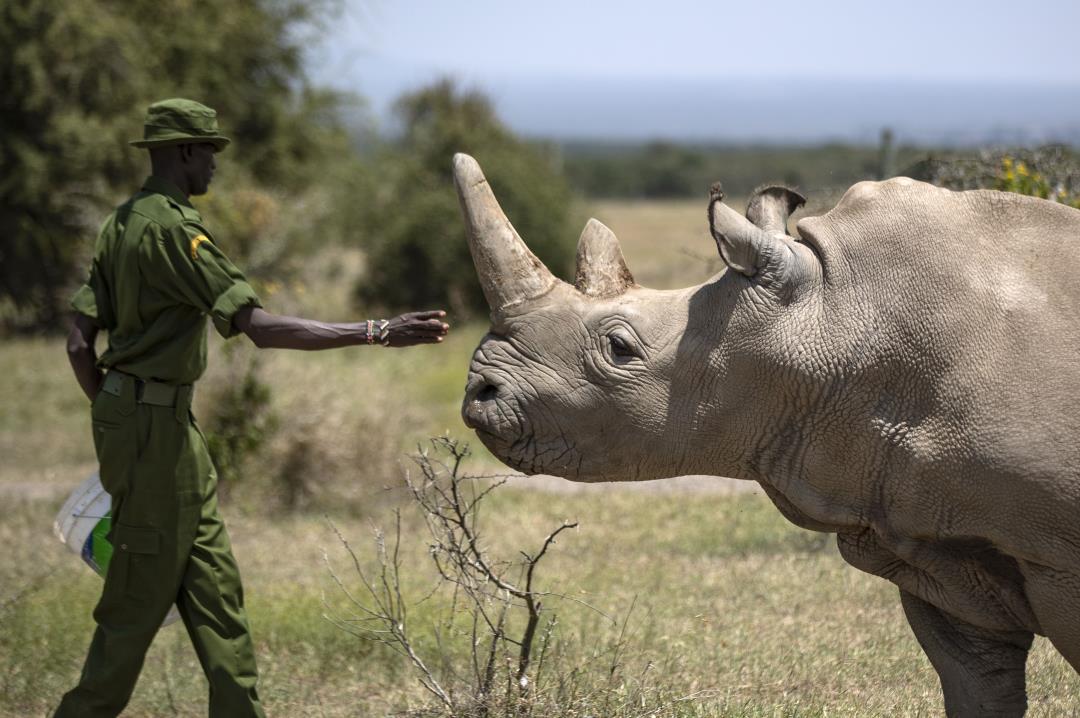
Scientists have successfully impregnated a southern white rhino through embryo transfer, a method that could potentially save the nearly extinct northern white rhino. Despite the surrogate mother's death, researchers are optimistic about the potential to use in vitro fertilization to produce northern white rhino embryos and transfer them to southern white rhino surrogates. With only two known northern white rhinos left and their inability to reproduce naturally, this method offers hope for the subspecies' survival, although some conservation groups argue that efforts should focus on other critically endangered species with a better chance at survival.
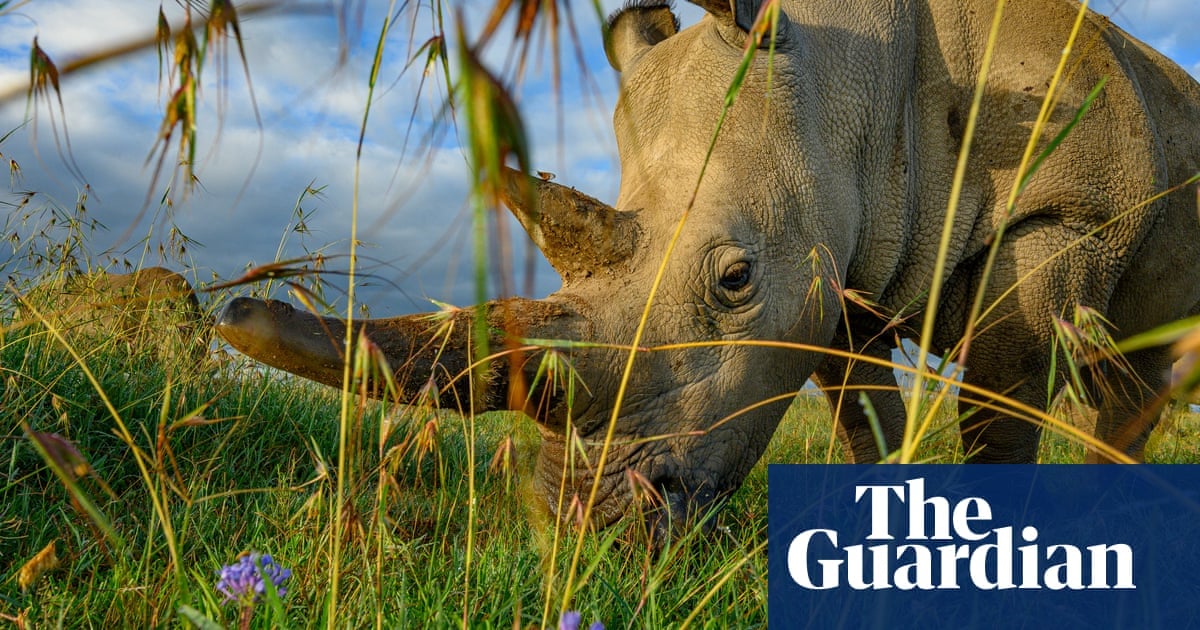
Scientists have successfully performed the first embryo transfer in white rhinos, raising hopes for the critically endangered northern white rhino species. The embryos were transferred into southern white rhino surrogates, resulting in a successful pregnancy, although the father and pregnant mother later died from a bacterial infection. The next step is to implant the first northern white rhino embryo into a southern white rhino surrogate in Kenya, with the goal of saving the species from extinction. If successful, this breakthrough could also benefit the conservation of other endangered rhino species.
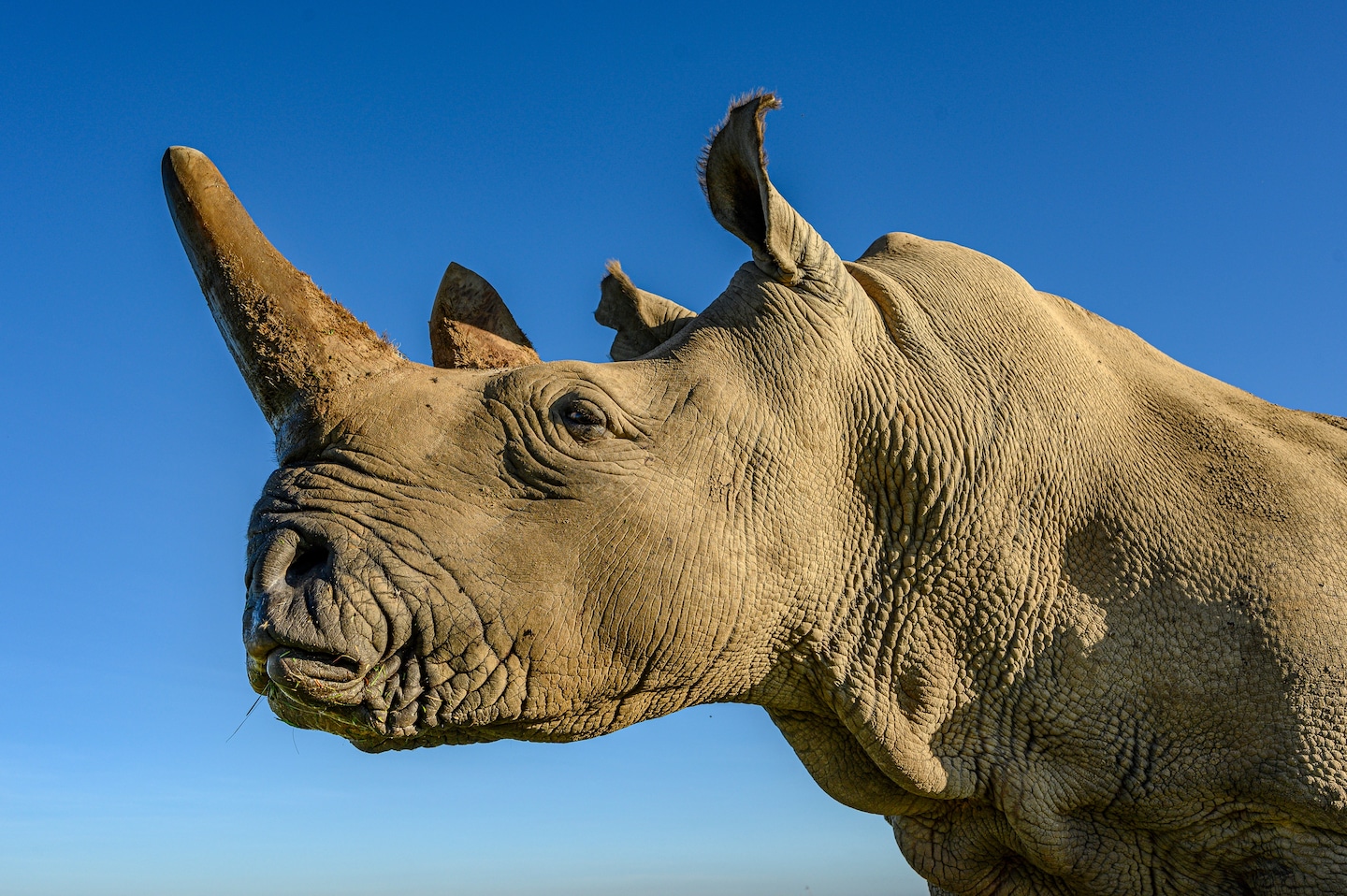
Scientists have achieved a historic breakthrough by successfully transferring a rhinoceros embryo, a development that could save the endangered northern white rhino from extinction. With only two females left in the world, scientists have used surrogacy to create viable embryos from the eggs of Najin and Fatu, the last two living northern white rhinos. The successful transfer of a southern white rhino embryo to a surrogate named Curra has paved the way for future surrogates, likely southern white rhinos, until the subspecies can naturally breed again and be released in the wild. This scientific achievement offers hope for the survival of the northern white rhino, which has been threatened by intense poaching for rhino horns since the 1960s.

The Sycamore Gap tree, which was cut down in an act of vandalism, may have a chance at survival as the National Trust reports signs of life from cuttings taken from the tree. Rare plant specialists are working to propagate the material, hoping that a third of the mature seeds and half of the cuttings will be viable. The new trees are expected to be planted around Northumberland, while the fate of the majority of the trunk is still under discussion. A final decision on the future of the site will be made following a public consultation.
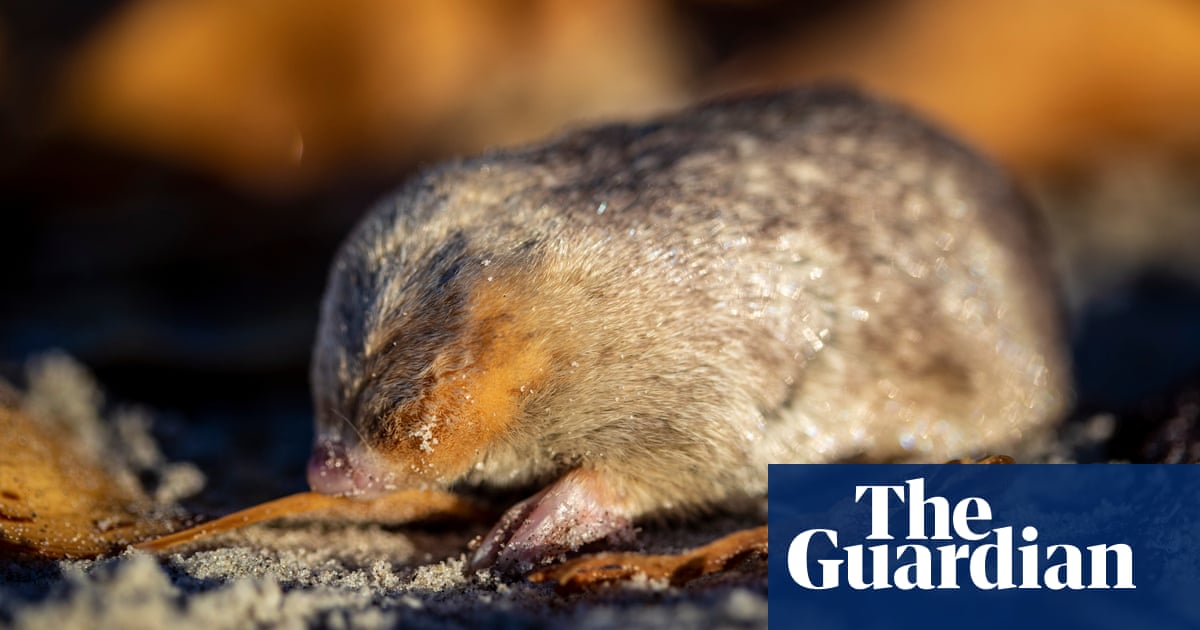
The De Winton's golden mole, a species feared extinct since 1937, has been rediscovered near Port Nolloth in South Africa. This blind and elusive mole, known for its ability to "swim" through sand dunes, was found after a two-year search aided by a trained dog named Jessie. The team used environmental DNA testing to confirm the presence of the mole. The discovery highlights the importance of protecting the area from threats such as diamond-mining to ensure the survival of this endangered species and others.
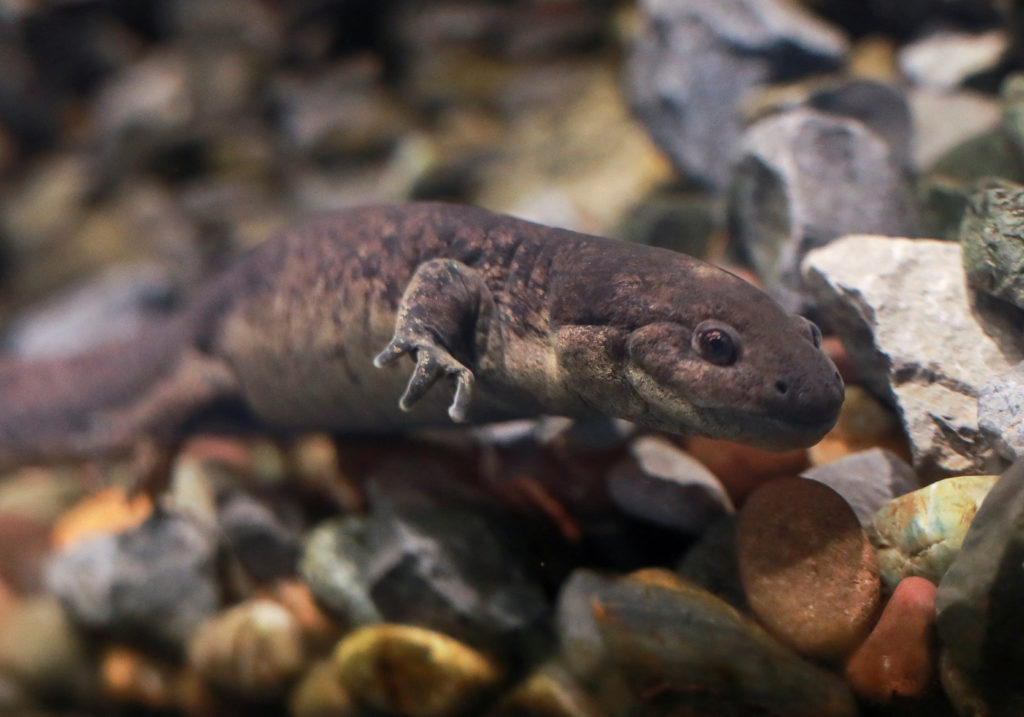
Ecologists in Mexico have relaunched the "Adoptaxolotl" campaign to raise funds for the conservation of axolotls, a critically endangered species of salamander. The campaign allows people to virtually adopt an axolotl and receive live updates on its health. The population density of Mexican axolotls has declined by 99.5% in under two decades, primarily due to water pollution, amphibian fungus, and non-native rainbow trout. The campaign aims to support captive breeding programs and habitat restoration efforts. However, there is a lack of resources for comprehensive research and monitoring. The Mexican government recently approved an 11% funding cut for its environment department, exacerbating the challenges faced by conservationists.
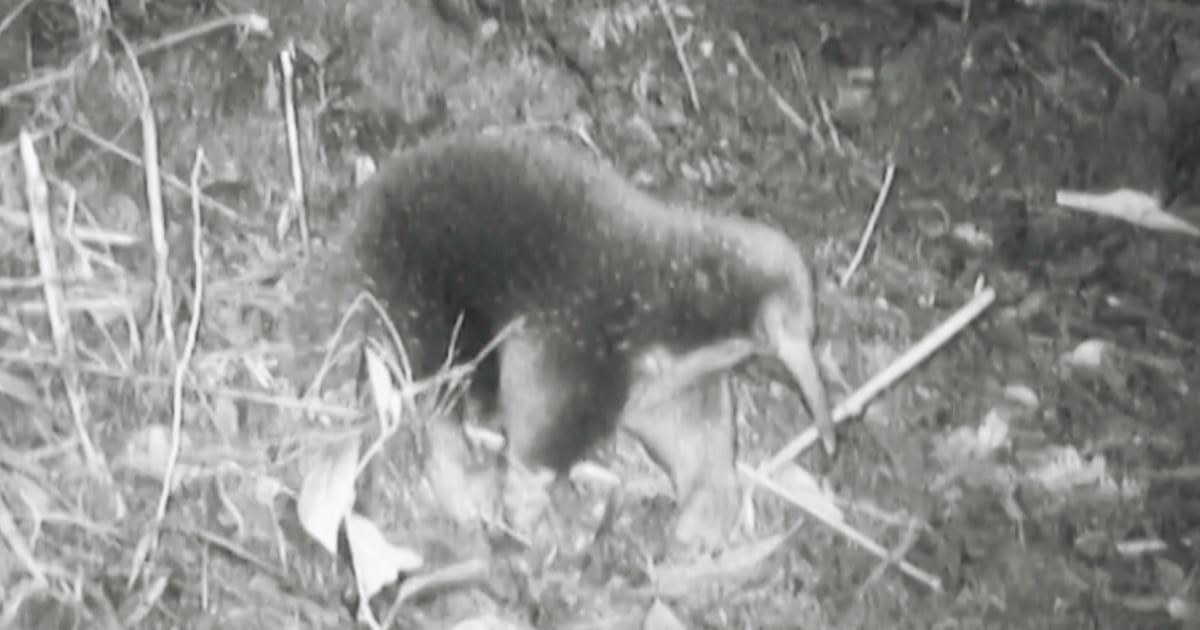
The critically endangered Attenborough's long-beaked echidna, an egg-laying mammal, has been rediscovered in Indonesia's Cyclops Mountains after more than 60 years. The expedition faced numerous challenges, including malaria and earthquakes, but successfully deployed camera traps to capture images of the elusive creature. The rediscovery highlights the importance of protecting the unique biodiversity of the region, which is home to other rare species. Efforts are underway to raise funds for research and conservation in the Cyclops Mountains, which are subject to illegal hunting. The echidna's critically endangered status is unlikely to change soon, emphasizing the need for continued conservation efforts.
The iconic Sycamore Gap tree, located on Hadrian's Wall in Northumberland, is being removed and relocated to a secret location after it was cut down by vandals. The tree, one of the most photographed in the UK, will be lifted by crane and stored at a National Trust property to protect the ancient Roman wall and ensure visitor safety. The trunk will be sawn up, but efforts will be made to preserve large sections. The tree stump will be left in place, protected by a temporary fence, with hopes that it will sprout new shoots. Plans for the site's future use, including the possibility of a memorial bench or displaying a cross-section of the trunk, are being considered. Two arrests have been made in connection with the vandalism.
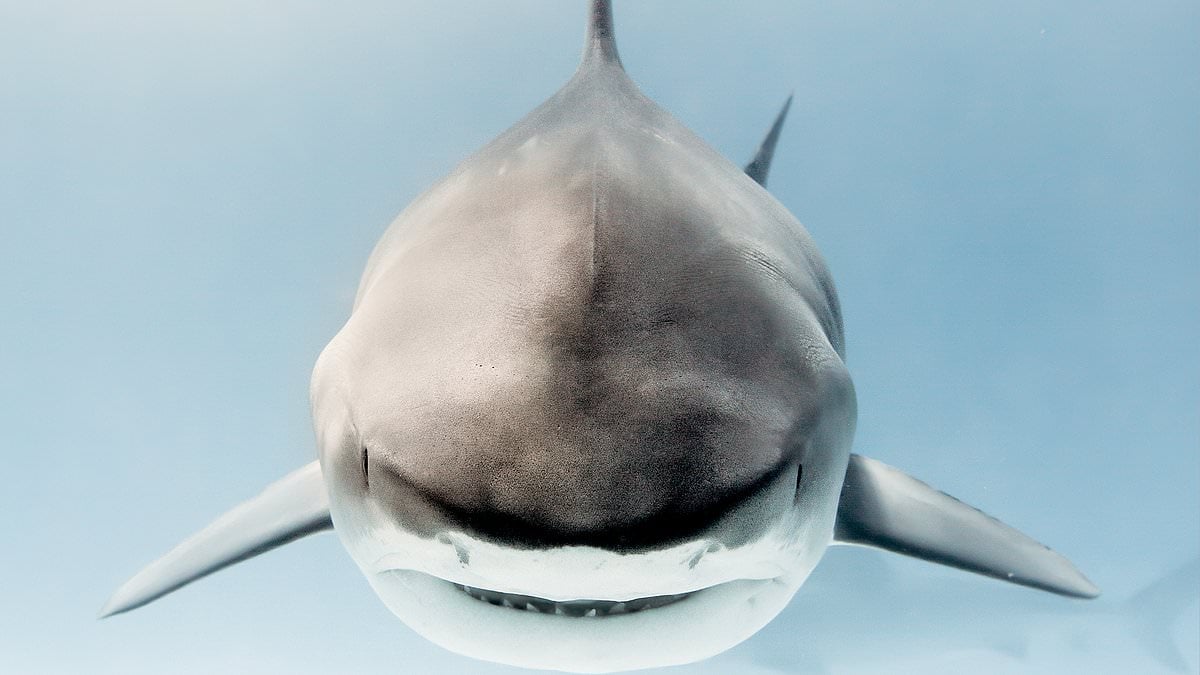
Mike Coots, a shark attack survivor, has dedicated his life to shark conservation and photography after losing his leg in a tiger shark attack. His new book, "Shark: Portraits," showcases his stunning images of sharks, aiming to change the perception of these apex predators. Coots emphasizes the importance of sharks for the health of our oceans and dispels misconceptions about their intentions towards humans. He shares safety tips for underwater encounters and highlights the need for clear visibility and eye contact with sharks. Through his work, Coots hopes to raise awareness about the beauty and significance of sharks in our seas.
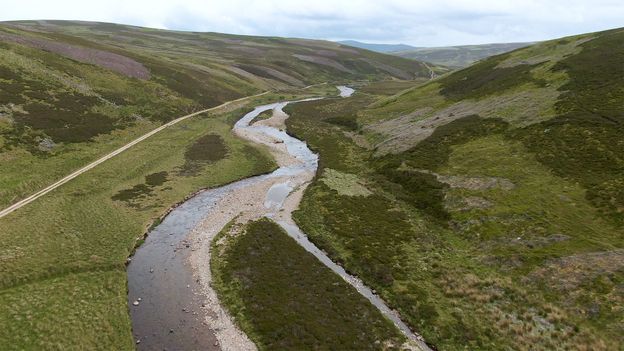
Scotland's critically endangered freshwater pearl mussels, which are a keystone species and filter 50 liters of water a day, are on the verge of extinction due to poaching and the effects of climate change. The River Dee Trust and stakeholders like Artfarm are leading the One Million Trees campaign to plant trees in the River Dee catchment area, aiming to protect the mussels and salmon by providing shade, stabilizing riverbanks, and creating habitats for insects. The campaign has gained support from Scottish whisky distillers, who rely on the mussels to filter water for better-tasting whisky. The initiative aims to raise awareness and encourage stewardship of the imperiled species and their habitat.