Tag

Candida Albicans

All articles tagged with #candida albicans

health3 months ago

New Vaccine Promises Defense Against Deadly Fungal Infections

Researchers at the University of Georgia are developing a vaccine called NXT-2 that shows promise in preventing and reducing the severity of fungal infections like Candida albicans, which causes yeast infections. The vaccine has demonstrated effectiveness in mice by generating a strong immune response and reducing fungal levels and inflammation, with plans to test it in women with recurrent yeast infections. This could lead to a broader, more effective treatment option for fungal infections that are increasingly resistant to current therapies.

health-and-science1 year ago

"Newly Discovered Yeast Offers Hope for Preventing Deadly Fungal Infections"

Scientists have discovered a new yeast species, Kazachstania weizmannii, in the guts of mice and humans that appears to combat the potentially dangerous yeast, Candida albicans, which can cause invasive fungal infections. The new yeast has shown promise in keeping C. albicans in check, particularly in immunodeficient mice, by out-competing it for gut occupancy and reducing the spread of invasive candidiasis. This finding could lead to potential therapeutic applications for managing human diseases caused by C. albicans. Further research is needed to understand the implications of this discovery for human health.

health2 years ago

Zinc: A Surprising Treatment for Vaginal Yeast Infections

New research funded by Wellcome and led by the University of Exeter's MRC Centre for Medical Mycology has found that zinc could potentially be used as a treatment for vaginal yeast infections. The study discovered that Candida albicans, the yeast responsible for most yeast infections, produces a molecule called Pra1 that triggers inflammation. By blocking the production of Pra1 through the application of low levels of zinc, researchers were able to prevent inflammation and alleviate symptoms. A small clinical trial involving women who experienced recurrent infections showed promising results, with five out of six participants not experiencing reinfection over a three-month period. Larger trials are needed to confirm the effectiveness of zinc treatments for vaginal yeast infections.

health2 years ago

"Fungal Infections and Alzheimer's: Unveiling the Link and Transferring Memories"

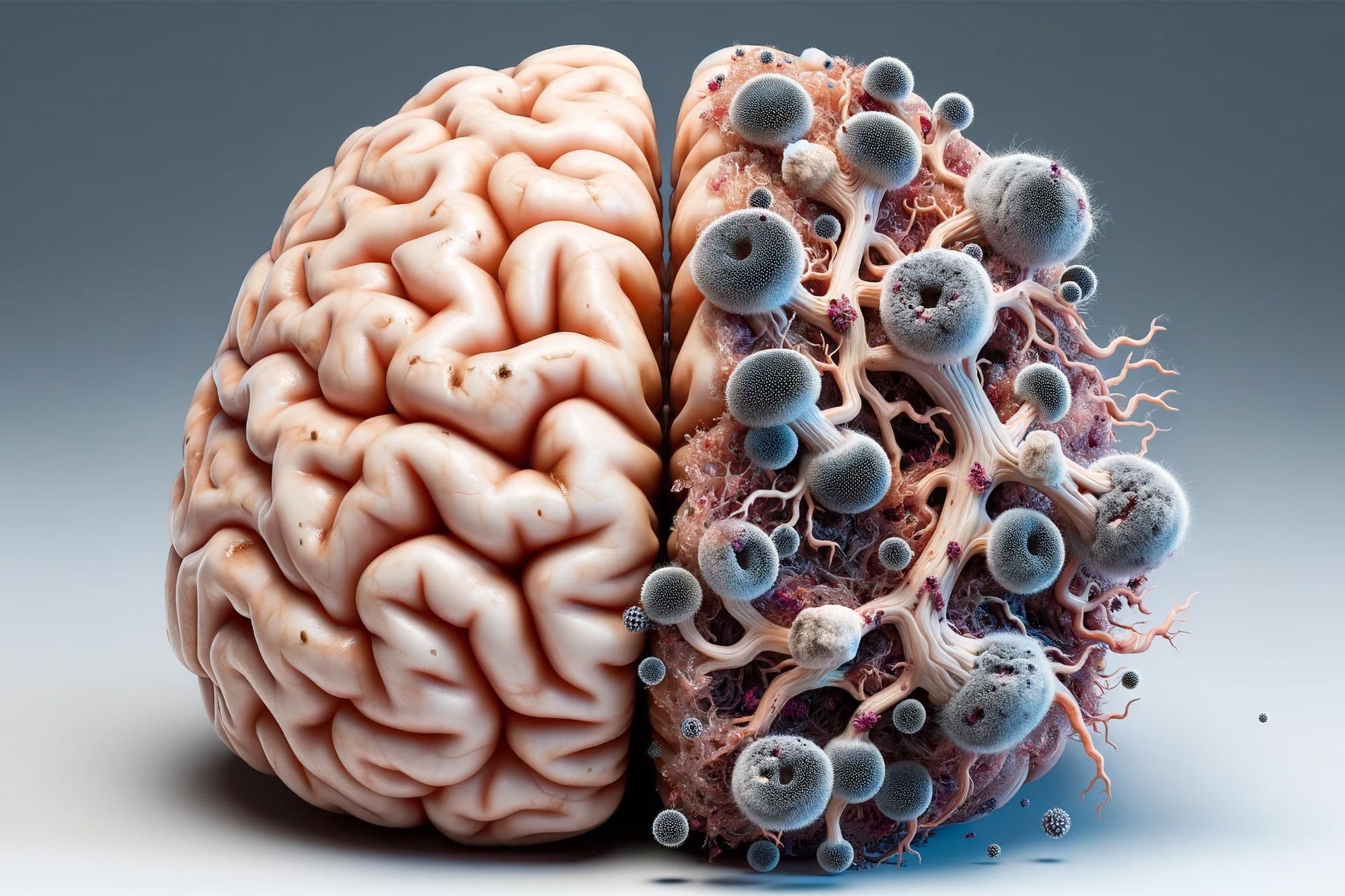
Researchers from Baylor College of Medicine have discovered that the fungus Candida albicans can breach the blood-brain barrier, produce toxic amyloid beta-like peptides, and activate clearance mechanisms in brain cells. This finding suggests a potential link between fungal infections and the development of Alzheimer's disease. The study highlights the need for further research to explore the role of Candida albicans in neurodegenerative conditions and develop innovative therapeutic strategies.

health2 years ago

Unveiling the Link Between Alzheimer's and Gut Bacteria

A study conducted on mice and cell cultures has revealed that the fungus Candida albicans can infect the brain and trigger mechanisms associated with Alzheimer's disease. The researchers found that the fungus uses enzymes to penetrate the blood-brain barrier and stimulate brain cells to clear the infection and produce amyloid beta peptides. These findings provide new insights into the development of Alzheimer's and may open up possibilities for novel treatment strategies. However, further research is needed to establish a definitive link between Candida infections and Alzheimer's disease in humans.

health2 years ago

Fungal Infection Linked to Alzheimer's Disease Development

Researchers have discovered a potential link between the fungus Candida albicans and the onset of Alzheimer's disease. The study found that C. albicans produces enzymes that break down the blood-brain barrier, allowing it to enter the brain and produce toxic amyloid beta-like peptides, which are associated with Alzheimer's. These peptides activate microglial brain cells to control the fungal infection but do not clear it. The study suggests that both the brain and C. albicans may contribute to the generation of amyloid beta aggregates in Alzheimer's. Further research is needed to evaluate the role of C. albicans in the development of Alzheimer's disease in humans.