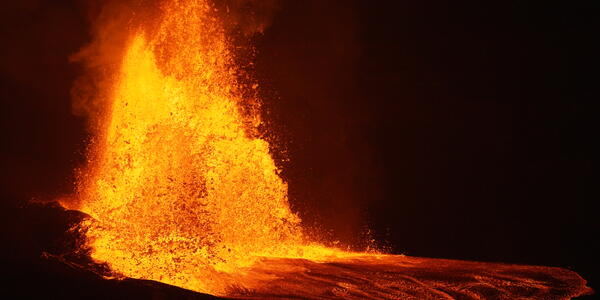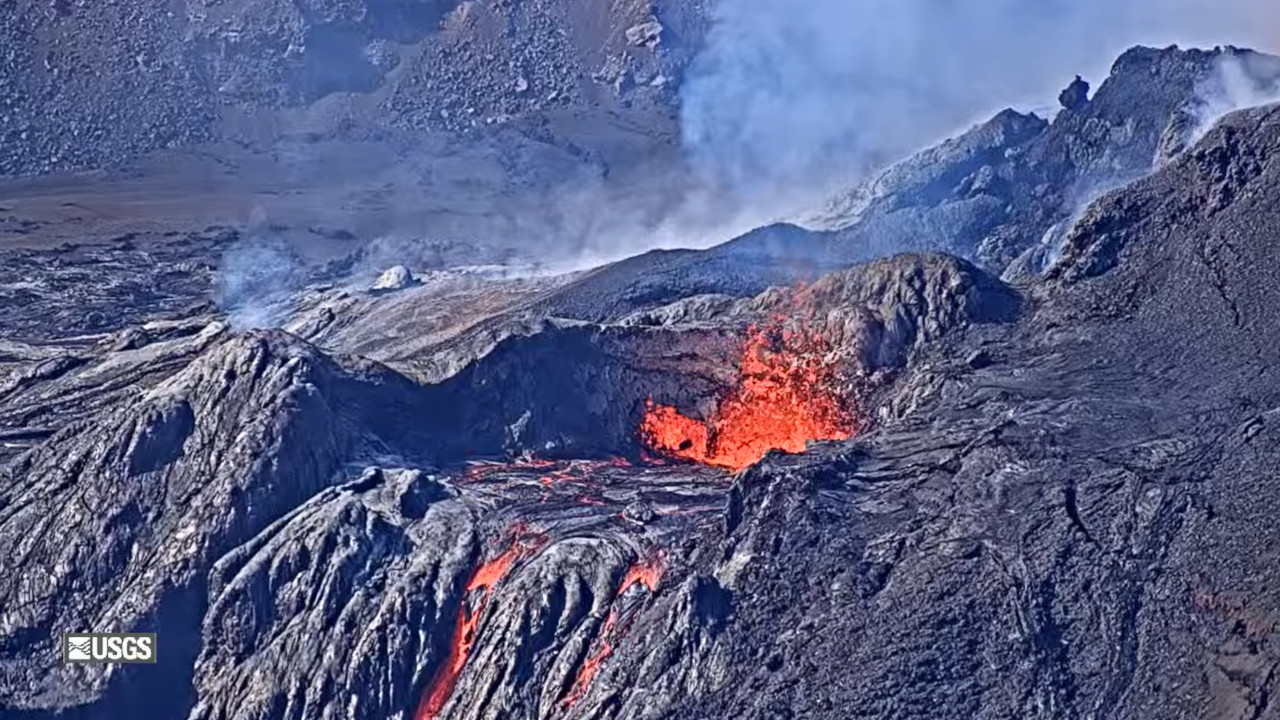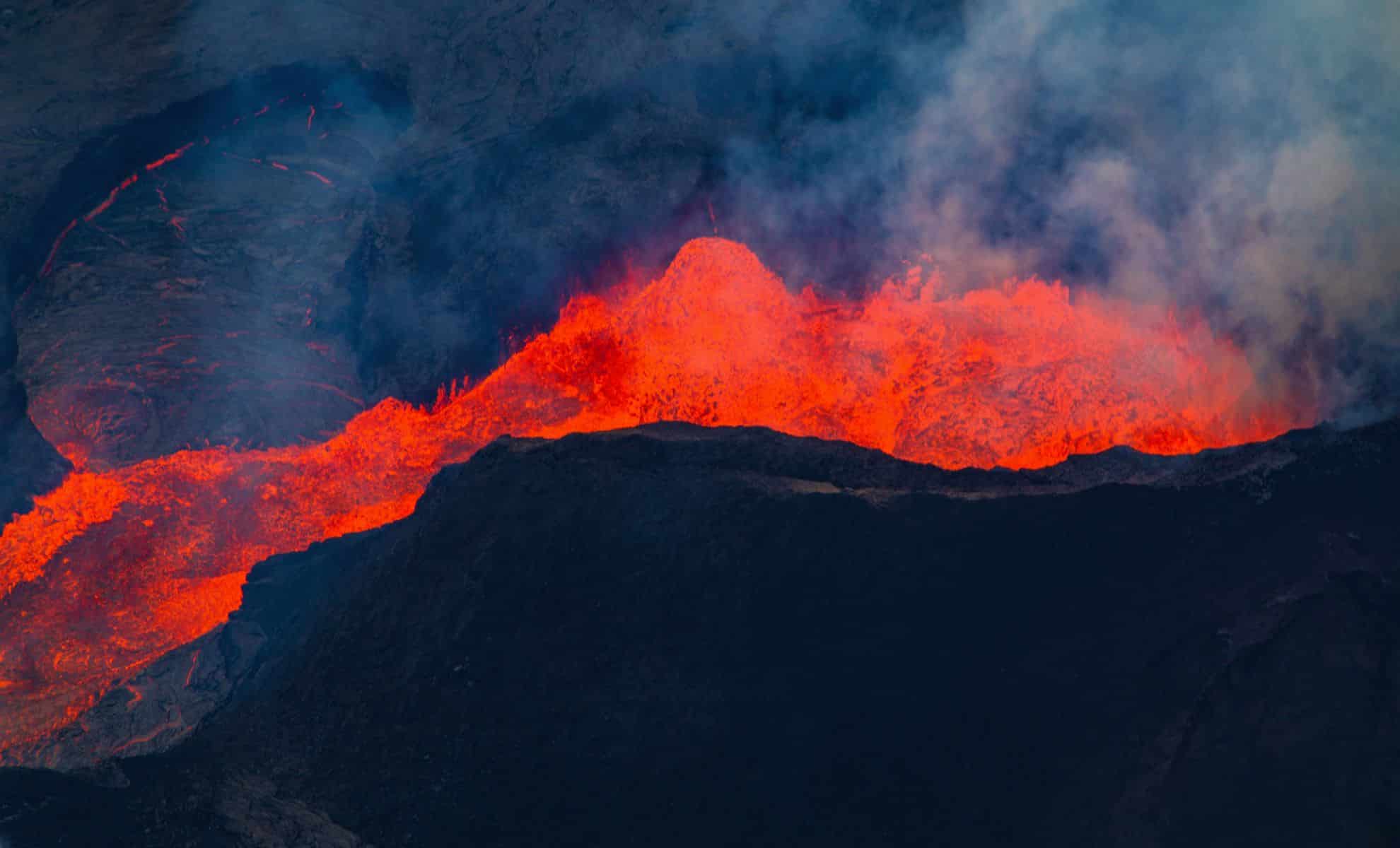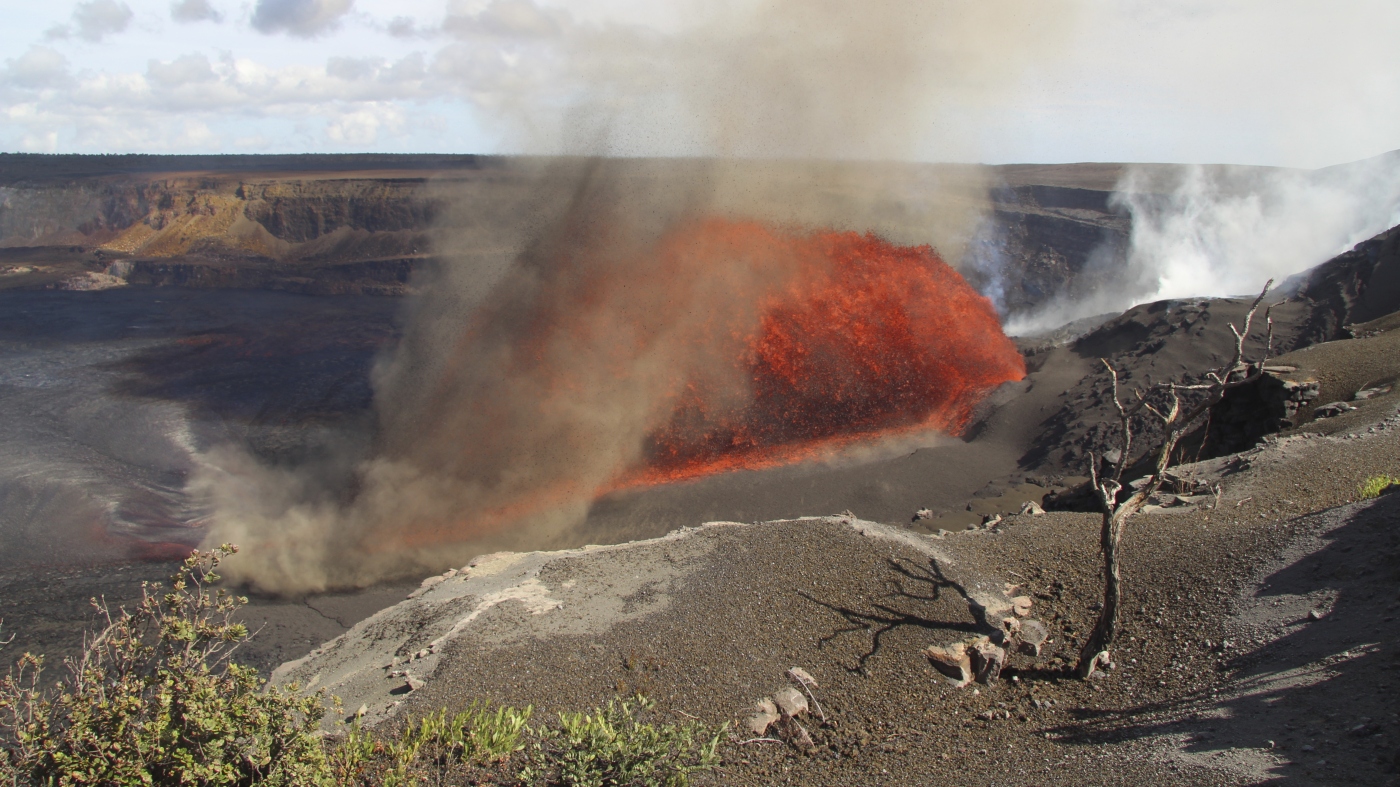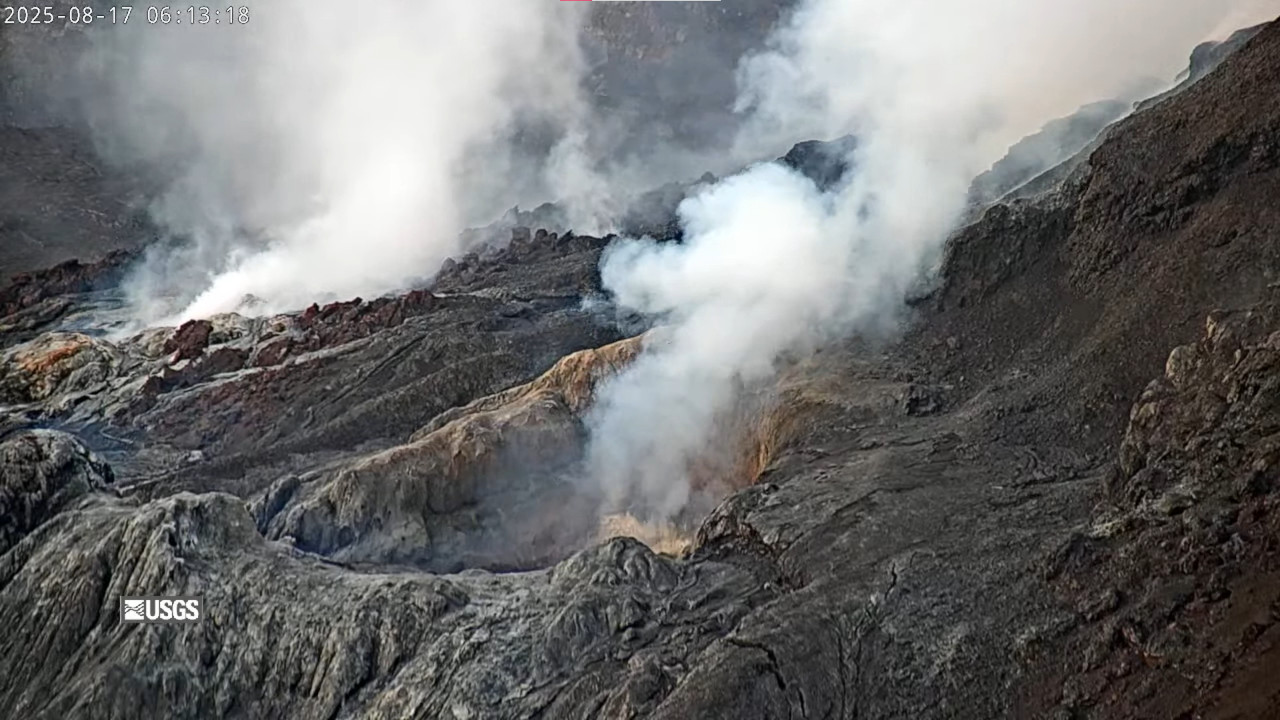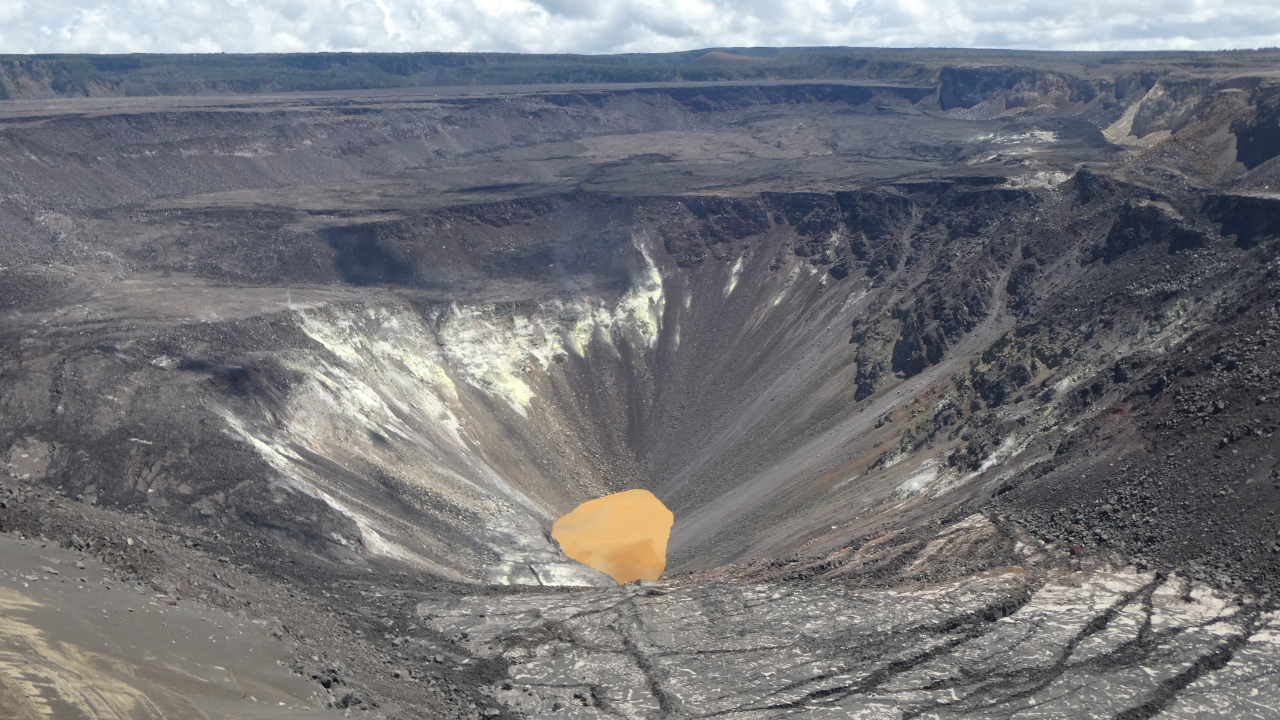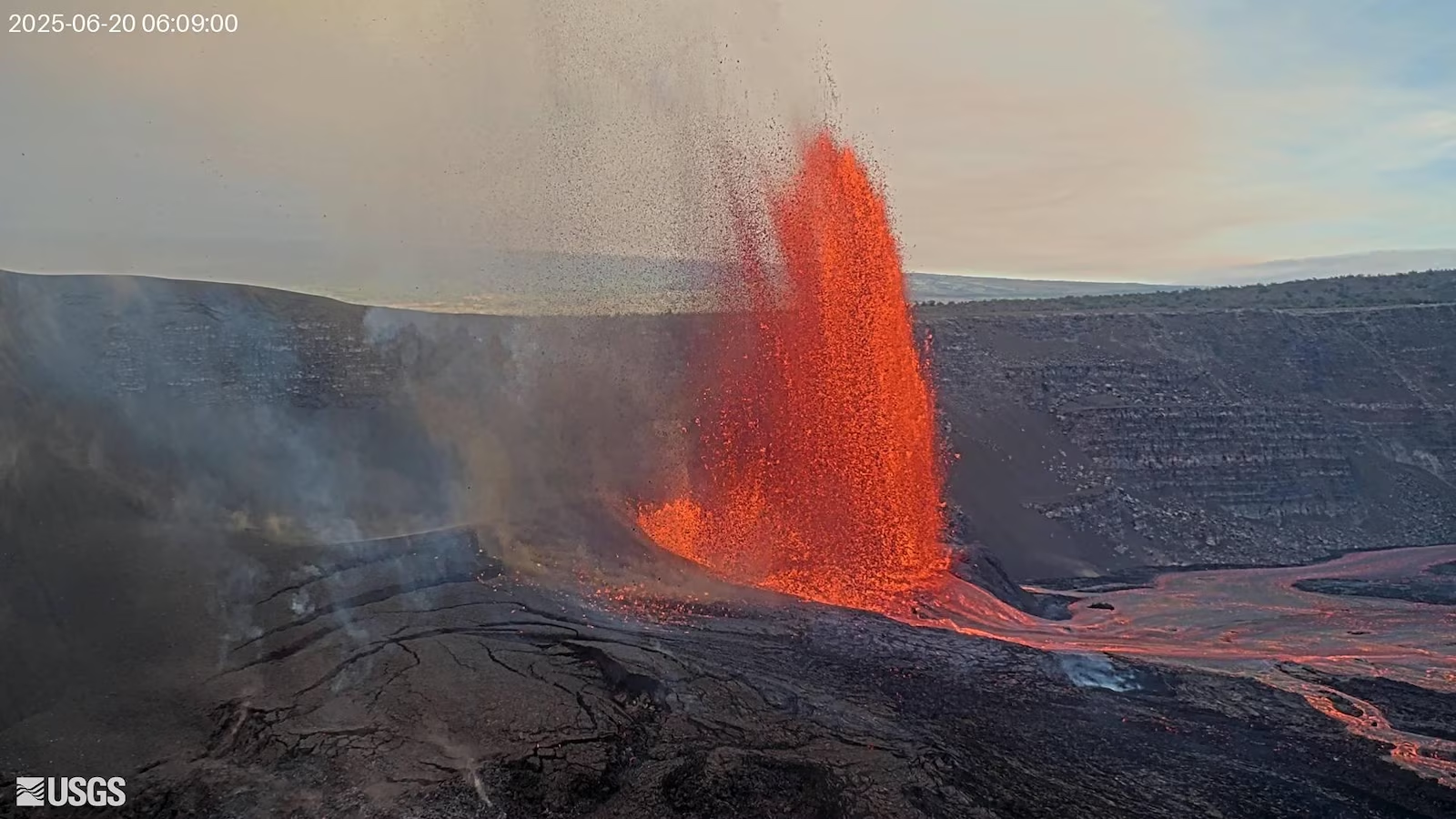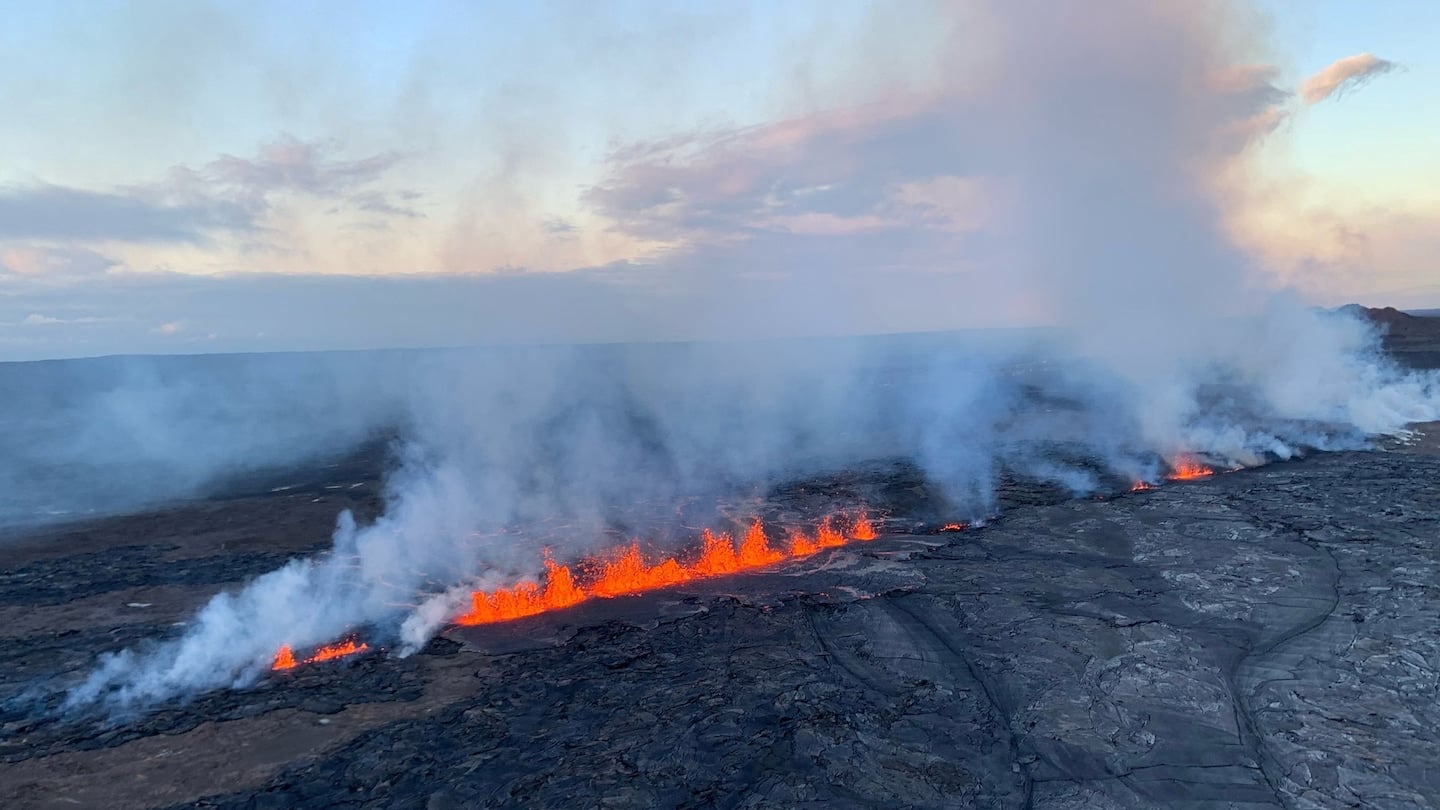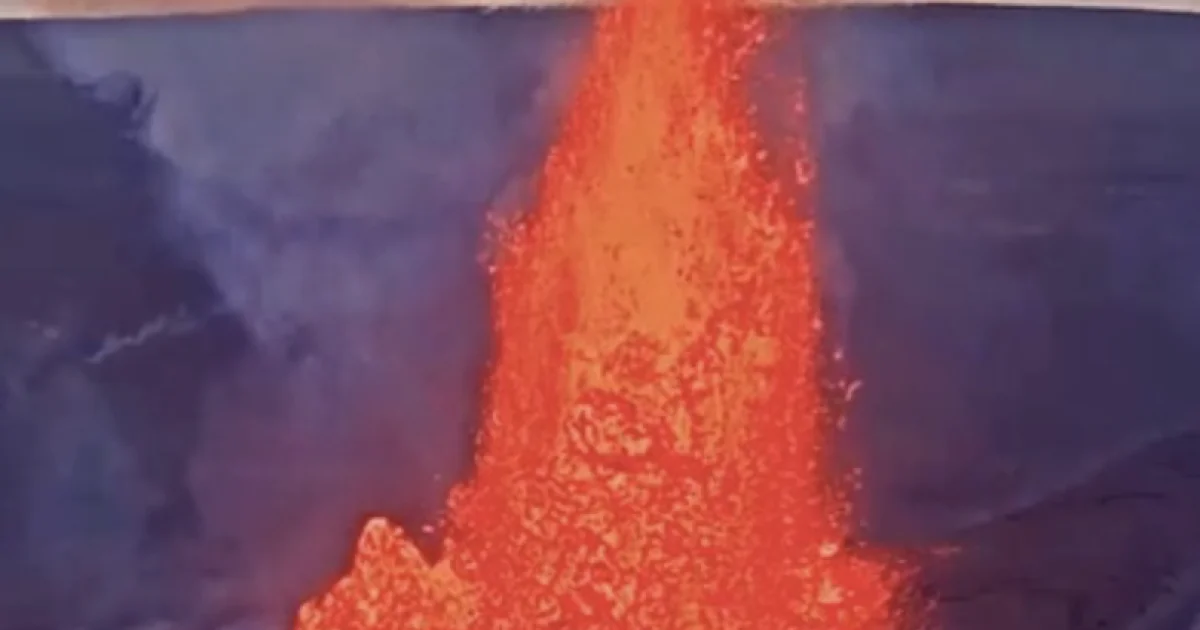
A year after a rare episodic lava fountaining eruption began at Kīlauea's summit on December 23, 2024, the volcano has hosted 38 eruptive episodes, significantly reshaping the landscape with spectacular lava fountains and new geological features, while remaining monitored and visible from various vantage points.
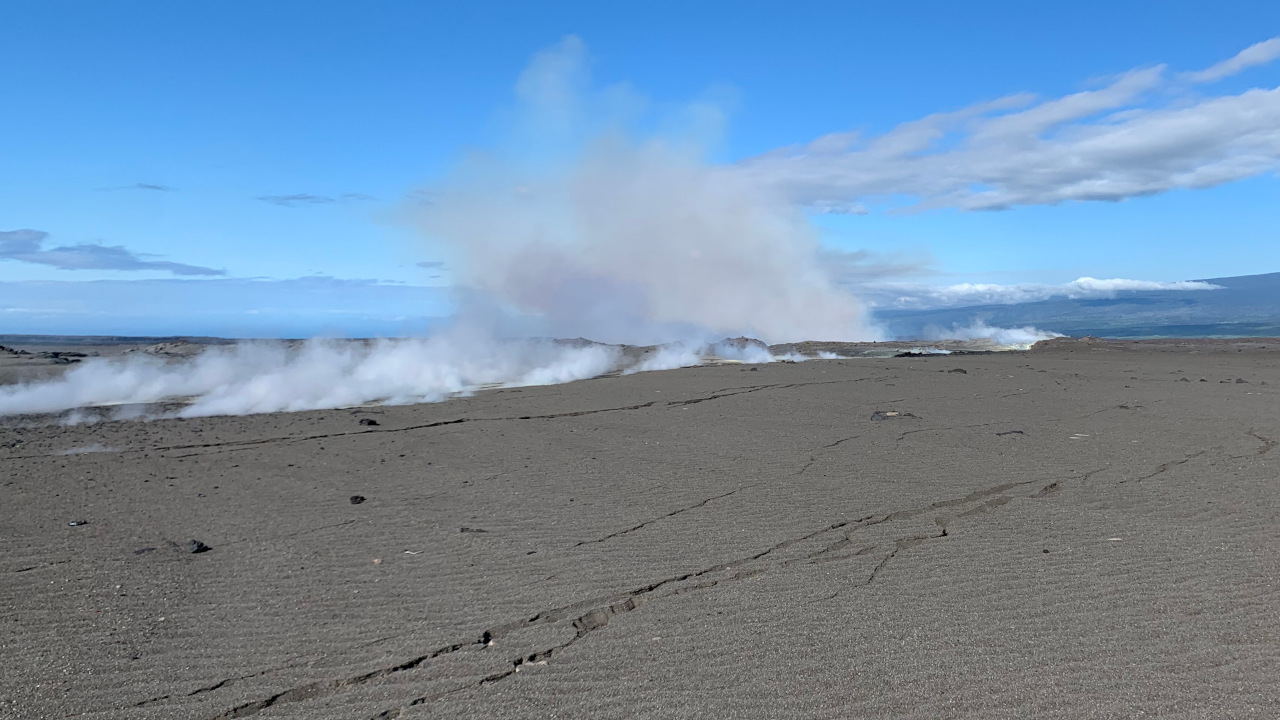
The summit eruption of Kīlauea remains paused with a potential eruption expected between December 22 and 27. Gas emissions are elevated, and summit inflation continues, indicating possible upcoming activity, though visibility is currently low due to weather or vog.
The Kīlauea volcano on Hawaiʻi is currently paused but is expected to erupt again between December 22 and 27, with ongoing monitoring indicating a new episode of high lava fountains. The volcano has been erupting episodically since December 23, 2024, with the next episode likely to occur within the forecast window, although the timing may shift based on inflation rates.
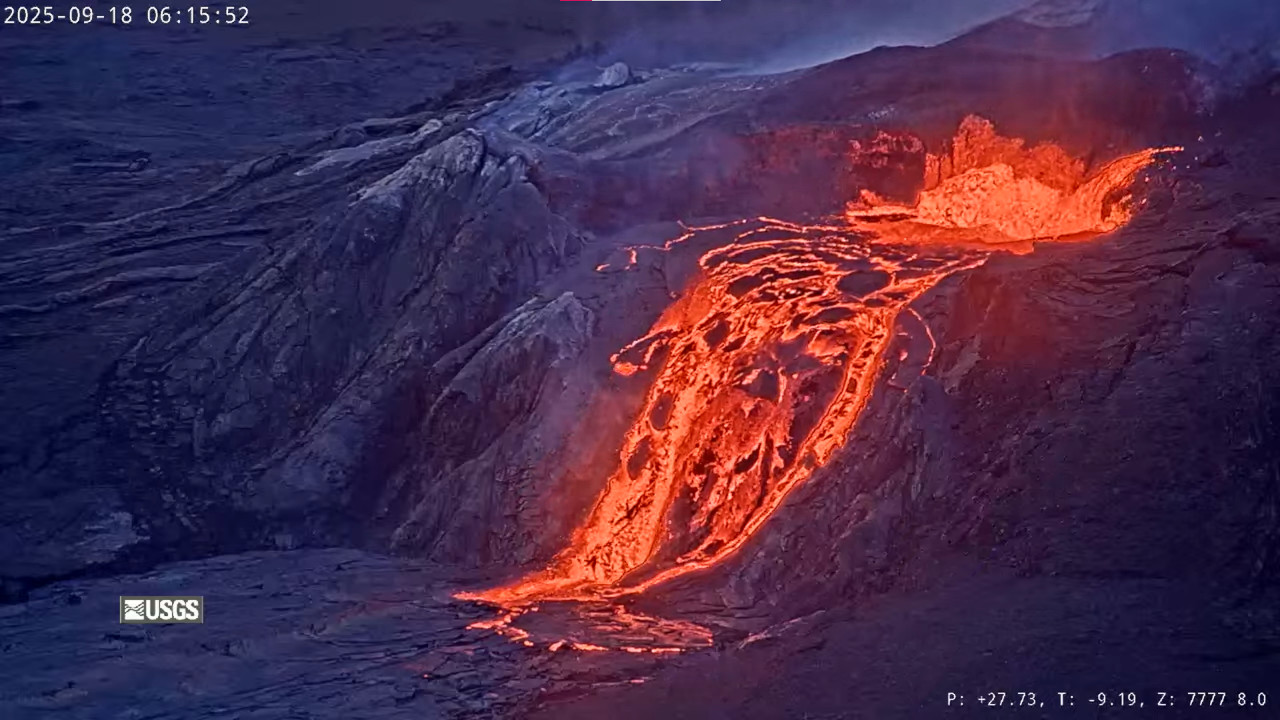
The USGS Hawaiian Volcano Observatory reports that the next episode of lava fountaining at Kīlauea Volcano is likely to begin within the next day or two, with ongoing cyclic gas piston events and lava overflows indicating imminent eruption activity.
The USGS reports that Kilauea's eruption is approaching its next phase, with lava fountaining expected between September 17 and 20, based on ongoing summit inflation, gas pistoning, and small lava overflows indicating precursory activity for Episode 33.
Hawaii's Kilauea volcano erupted on August 22, 2025, marking its 31st eruption since December 2024, with lava fountains reaching 100 feet, attracting tourists and scientists alike, while also holding cultural significance for the Hawaiian community. The eruption continues to be closely monitored, with its behavior still unpredictable, and it has increased tourism but also posed safety risks.
Hawaii's Kilauea volcano has erupted for the 31st time since December, with lava fountains reaching up to 100 feet, contained within the summit crater, and no threat to homes. The eruption follows a pattern of repeated episodes, with scientists uncertain of its future course, and it has increased park visitation and cultural significance for Native Hawaiians.
Hawaii's Kilauea volcano has resumed its eruptive activity, shooting lava fountains up to 100 feet into the air for the 31st time since December, with the eruption contained within the summit crater and attracting many visitors and livestream viewers. The eruption involves magma rising from a lower chamber, creating spectacular lava fountains, and may continue or change in pattern, with scientists monitoring closely. The event has increased park visitation, and safety precautions are advised for visitors.
The Kīlauea volcano's summit eruption remains paused, with a new lava fountaining episode expected between August 18 and 22, most likely around August 19-21. The eruption has been delayed due to decreased inflation rates, and current signs suggest magma is slowly approaching the surface. The USGS maintains a WATCH alert level for the volcano.
The article explains how water, including meteoric water and groundwater, influences Kīlauea's eruptions, affecting explosivity, gas emissions, and eruption styles, with ongoing research monitoring water levels and composition to better understand volcanic activity.
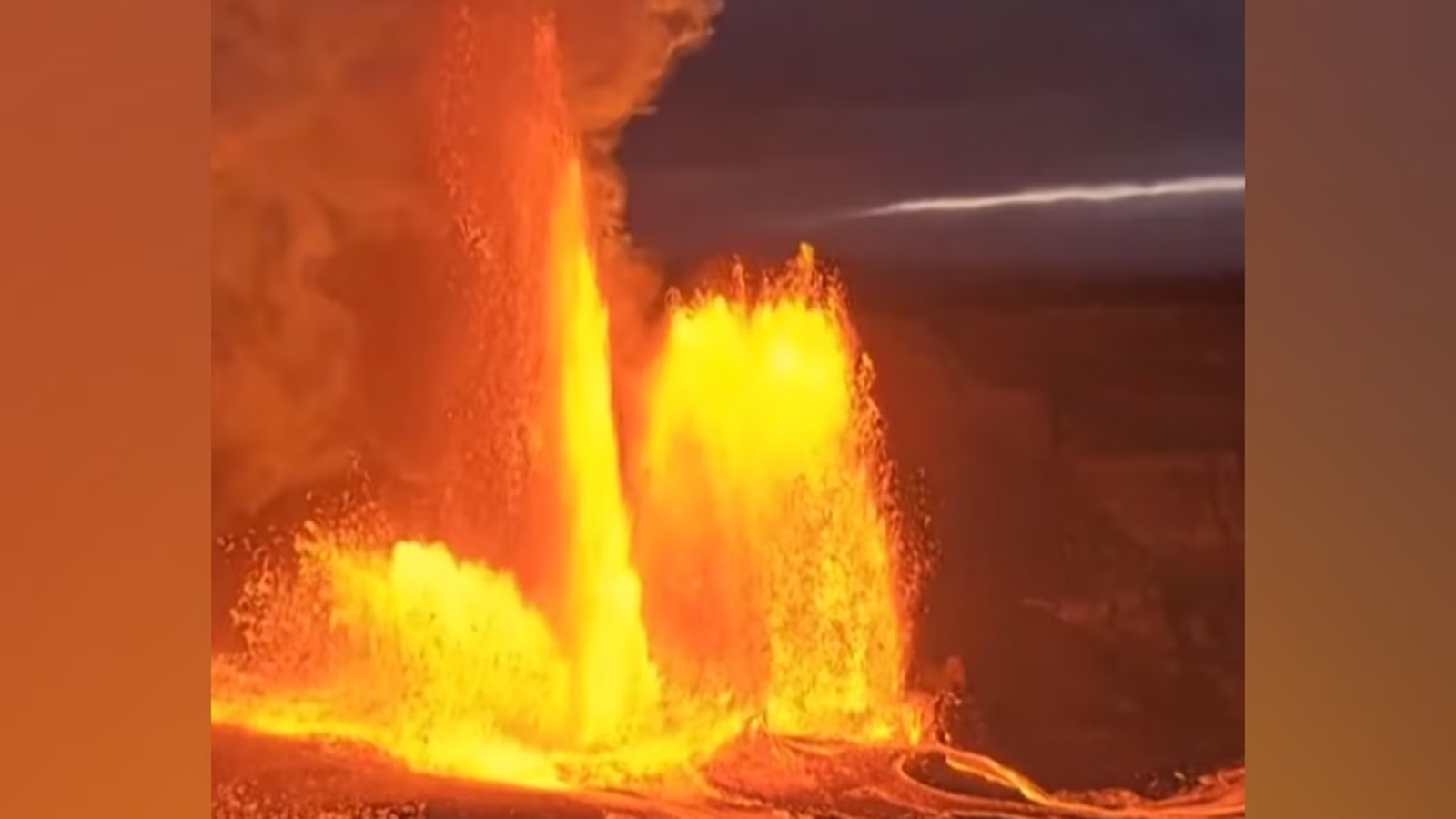
Hawaii's Kilauea volcano erupted again, sending lava fountains up to 1,000 feet high, with ongoing activity since December, primarily confined to the Halemaʻumaʻu crater and surrounding areas, prompting a volcano watch and safety precautions.
Hawaii's Kilauea volcano erupted with spectacular lava fountains over 1,000 feet high, marking its 23rd eruption since December 2024. The event produced large lava flows and a volcanic plume reaching over 14,000 feet, but poses no immediate danger to nearby communities. However, hazards like volcanic smog and glass strands remain, and scientists anticipate another eruption soon.
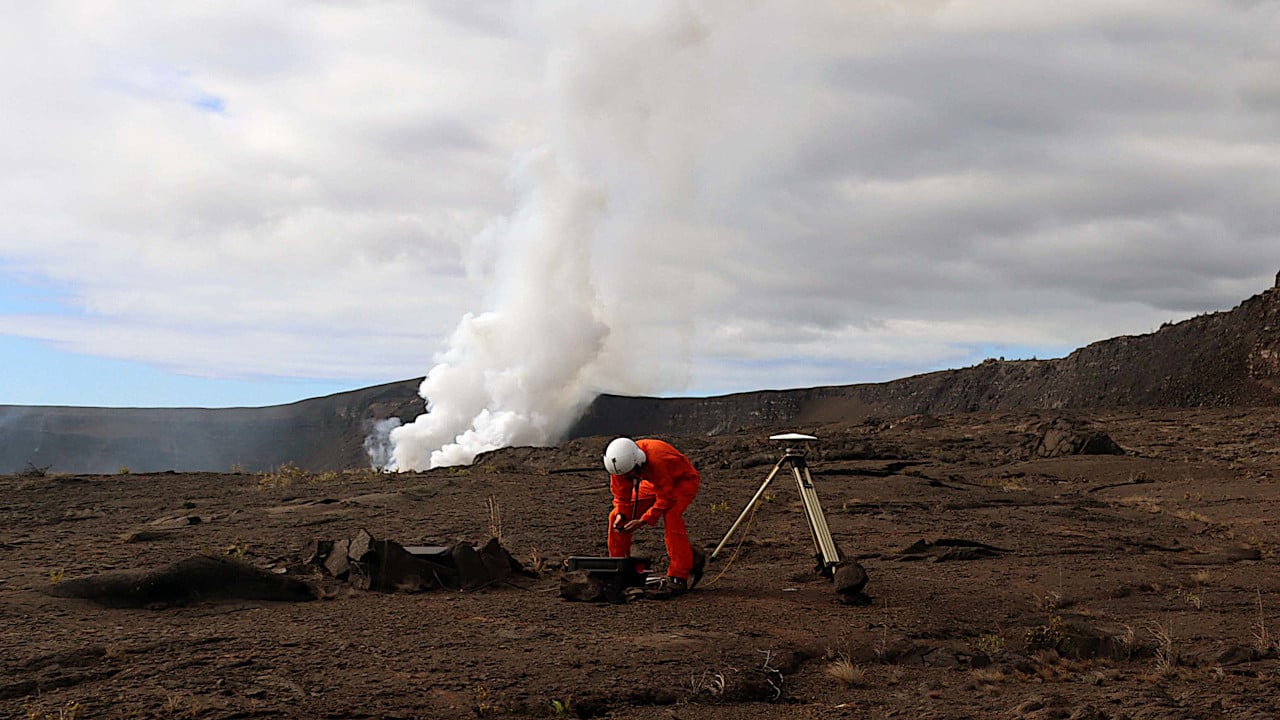
The USGS Hawaiian Volcano Observatory (HVO) reports increased seismic activity at Kīlauea, though it is not currently erupting. To monitor volcanic activity, HVO uses automated systems that analyze seismic, infrasound, and ground deformation data to alert scientists of potential eruptions. These systems employ a short-term average/long-term average (STA/LTA) method to detect changes in energy, helping distinguish between volcanic and non-volcanic events. The technology aims to improve eruption detection while minimizing false alarms, enhancing the efficiency of volcanic monitoring.
Kilauea volcano in Hawaii erupted within Volcanoes National Park, posing no immediate threat to residents. The eruption, which began early Monday and paused after 12 hours, was marked by lava fountains and volcanic gases. Authorities continue to monitor the situation as volcanic activity remains unpredictable.
The eruption of Hawaii's Kilauea volcano has paused, leading to lowered alert levels, but scientists warn the situation remains dynamic and could change quickly. Lava flows ceased by midday Monday, and volcanic gas emissions and seismic activity have decreased. However, magma movement continues, and the potential for the eruption to resume remains high. The USGS Hawaiian Volcano Observatory will continue to monitor the situation closely.